Published: 30 March 2026. The English Chronicle Desk. The English Chronicle Online.
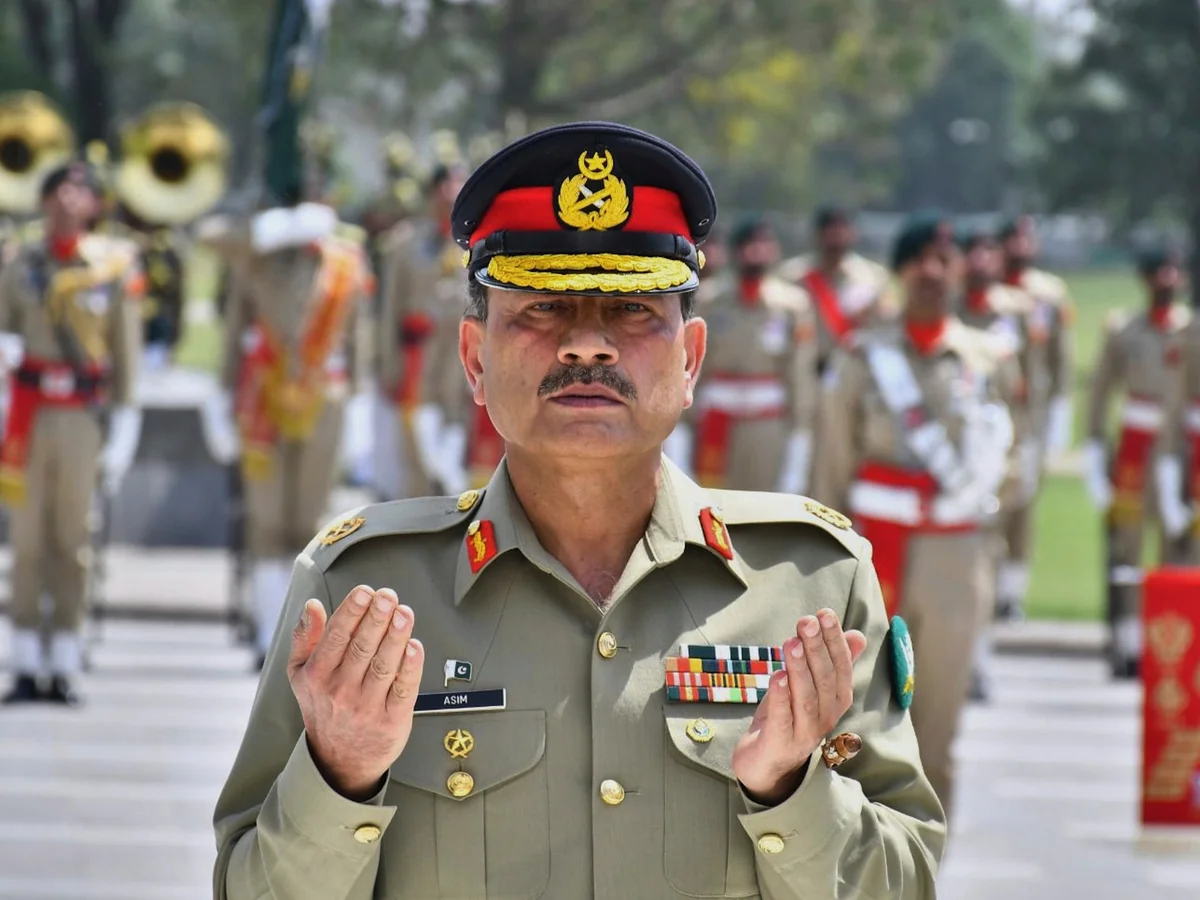
The fragile landscape of Middle Eastern diplomacy currently rests upon a very thin Pakistani tightrope. Intensifying Israeli strikes on Iranian civilian targets are now casting a dark shadow over Islamabad’s hopes. The expanding American military presence in the Gulf further complicates these ambitious plans for regional peace. Pakistan is currently attempting high-wire diplomacy by utilizing its unique position of relative international neutrality. It maintains functional relations with Tehran and Washington while avoiding the heavy baggage of regional rivals. Islamabad does not host American military bases, which allows it to act as a fair mediator. Field Marshal Asim Munir currently possesses the ear of the American president during this critical time. Relations between Pakistan and Iran have also seen a dramatic improvement over the last two years.
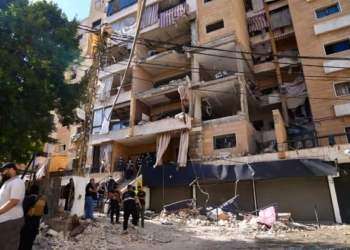
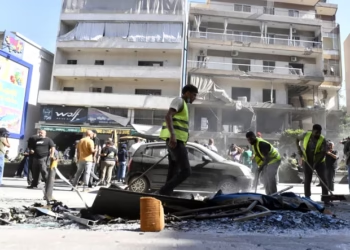
Both sides have expressed a tentative willingness to engage in talks according to Pakistani official sources. However, the conflict continues to widen while trust remains a very rare commodity in the region. The stated positions of Tehran and Washington remain extremely far apart despite these quiet diplomatic efforts. Officials in Islamabad believe the biggest risk to success is Israel playing a spoiler role now. Israel recently bombed two major Iranian steel plants and several sensitive civilian nuclear sites last Friday. These actions seem to contradict recent American announcements regarding a pause in strikes on civilian infrastructure. Iran claims that two universities were also hit during the latest wave of intense aerial bombardments. Pakistani officials believe such attacks on non-military targets will surely derail the upcoming peace negotiations soon.
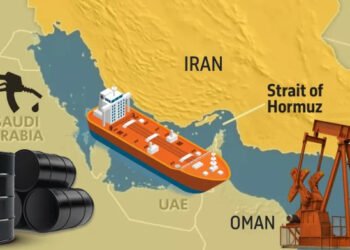
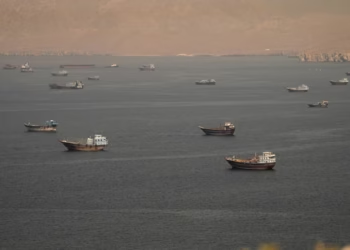
The core concern for Iran is ensuring a permanent end to this devastating regional conflict now. Tehran seeks firm guarantees that no future attacks will be launched by America or Israel again. Former ambassador Maleeha Lodhi suggests the toughest challenge is simply believing the word of the president. She describes the current American leadership as whimsical and not always acting as a rational player. While Washington insists that Iran wants a deal badly, Tehran claims the Americans are only negotiating. Iran does not just seek a temporary ceasefire but a total guarantee the war is over. One possibility involves Tehran retaining its strategic hold over the vital and narrow Strait of Hormuz. This waterway remains essential for the global export of oil and gas from the Persian Gulf.
The American Secretary of State has described this proposal as entirely unacceptable for the United States. However, the American president has previously suggested a joint administration of the strait might be possible. So far, Pakistan has acted as a silent messenger passing hardline proposals between the two wary sides. Officials in Islamabad believe the divide can be bridged if both nations sincerely want an agreement. Pakistani diplomatic efforts intensified this Saturday with a direct call between the prime minister and Iran. A major summit involving Turkey, Egypt, and Saudi Arabia is scheduled to begin in Islamabad tomorrow. These four nations represent a new and powerful alignment emerging within the wider Muslim world today. They possess significant military strength, nuclear capabilities, and the vast financial power of the Saudi kingdom.
Despite the public unity, some Saudi officials reportedly wish for the military bombardment to continue privately. Islamabad expects any potential talks to remain indirect with officials shuttling between two separate delegation rooms. Tehran continues to refuse to sit down face to face with any American officials for now. Pakistan is a nuclear-armed nation with a large army capable of securing a neutral peace venue. Its air force could even provide an escort for Iranian officials flying into the country safely. Iran remains suspicious and claims that Washington is trying to deceive them during these sensitive talks. The buildup of American troops suggests that peace may not be the primary plan for Washington. Reports indicate the Pentagon is considering sending ten thousand more soldiers to the Middle East soon.
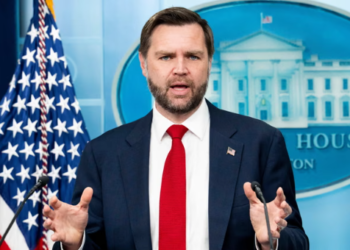
To build much-needed confidence, Pakistan suggested the American vice-president represent the United States during the talks. Tehran has reportedly accepted this idea because they do not trust other previous American diplomatic interlocutors. Vice-President JD Vance is seen as being more skeptical of the ongoing war in the region. He recently stated that the United States has already accomplished most of its primary military objectives. However, he added that the president will continue operations to ensure they do not return later. For Pakistan, there is a deep sense of urgency regarding these ongoing and difficult peace efforts. The country signed a defense agreement with Saudi Arabia last year which complicates its regional standing. This pact could force Pakistan to enter the war on the side of Riyadh eventually. With a long Iranian border and a large Shia population, Pakistan must avoid this outcome.
Related News:
 Ukraine war briefing: Zelenskyy offers help to Saudi Crown prince on combatting Iranian drones
 Ukraine Sends Drone Experts to Defend US Bases in Jordan
 Saudi Arabia Urging US to Keep Up Iran Attacks
 Trump Slams Europe as Transatlantic Tensions Boil Over
 High-Value Target: Iranian Strike Destroys US Radar Plane
 UN Warns Israeli Death Penalty Bill Could Be a War Crime
 Pakistan and China Propose Five-Part Peace Plan
 Trump Issues Stark Warning After Strike On Iran’s Largest Bridge
 Hope and Fear as Iranians Flee Across the Turkish Border
 The Price of Hubris: Trump, Netanyahu, and the ‘Easy’ War
 Israel Defies Ceasefire as Lebanon Operations Persist
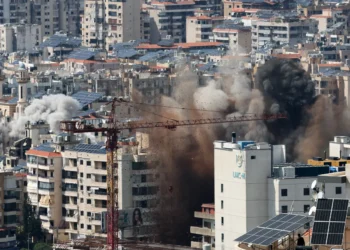 Middle East Peace Crisis: Ceasefire Strained by New Violence
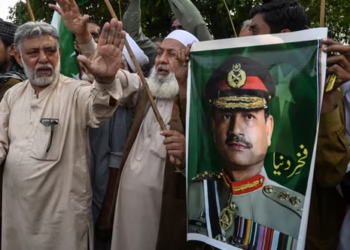 Pakistan Brokers Historic Peace Deal Amid Rising Tensions
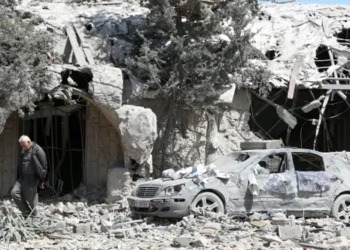 Netanyahu Vows Continued Lebanon Strikes Amid Peace Talks
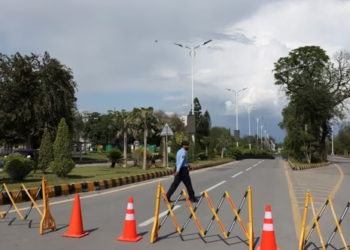 Islamabad Hosts Historic Peace Talks Between Iran and USA
 US and Iran Pursue Extension of Ceasefire via Pakistan
 Trump’s Islamabad Gamble: The High Stakes of a New Iran Deal
 The General’s Gambit: Pakistan’s New Role in Global Peace
 Can Trump’s Ceasefire Hold in Lebanon?
 Global order shifts amid Trump-era turmoil
 Middle East Crisis Escalates as Oil Routes Shake Markets
 Saudi Arabia Blocks Trump’s Naval Plan for Hormuz Strait
 Tensions Emerge in Netanyahu-Trump Alliance
 UAE’s Secret Strike on Iran Risks Wider Gulf Conflict
 Netanyahu Claims Secret UAE Visit Amid Regional Conflict
 Netanyahu Calls Early Election Amid Coalition Turmoil
 Plea for Mercy: The Battle to Bring Ahmed al-Doush Home
 Trump Issues New Threat of Strikes Amid Iran Standback
 Global Outrage After Israeli Minister Mocks Bound Activists
 Israeli Strikes in Lebanon Kill 10 Amid Ceasefire Strain
 Hunger increasingly weaponised in global conflicts
 Former ICC prosecutor condemns US sanctions
 Trump and Netanyahu Clash Over Crucial US and Iran Peace Deal
 Washington Brokerage Sparking Hope Amid Regional Firestorms
 Israel Defies Trump in Direct Strikes on Targets Across Iran
 US and Iran Agree Historic Framework to End 15-Week War
 Global Powers Navigate Fragile Peace as Hormuz Reopens
 Trump Signs Landmark Iran Accord in Versailles
 Uncertainty Prevails as Landmark Peace Talks Abruptly Conclude Before Commencement
 Iran To Propose New Shipping Fees In Strait Of Hormuz
 Grief and Devotion Amidst the Rubble of Nabatieh
 High Drama in Tehran Over Secret Nuclear Letters
 Iran Prepares for Massive Six-Day Funeral for Khamenei
 Iran Prepares for Massive Funeral for Supreme Leader
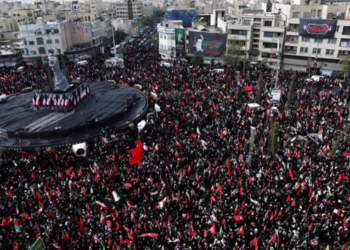 Iran Bids Farewell to Fallen Leader in Massive Procession
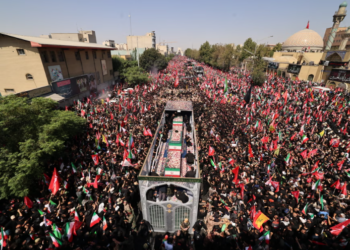 Iran Mourns: Millions at Khamenei’s Final Procession
 Hamas Proposes Handing Over Control of Gaza Strip
 Israeli Officer Investigated for Car Grenade Attack
 Yemen Accuses Iran of Violating National Sovereignty
 Trump Threatens Iran Power Strikes Over Hormuz Impasse
 Houthis Strike Saudi Arabia as Middle East Tensions Rise
 Friedman Uninvited From 2024 Adelaide Writers’ Week
 New Zealand Covid Response Praised Despite Lingering Scars
 Injured Mojtaba Khamenei Elevated as Iran Leader
 Farage Shuns Truss as US Right-Wing Roadshow Hits London
 Trump and Tehran Find Common Ground in Landmark Ceasefire
 Own an Entire Australian Town for the Price of a UK Flat
 Melania Trump Denies Ties to Epstein and Ghislaine Maxwell
 Reeves Slams Trump Over Iran War Lack Of Exit Plan
 Kyiv and Odesa Mourn After Deadly Wave of Russian Strikes
 Trump’s Presidency: A House of Cards Collapsing?
 US Forces Seize Iranian Ship Near Hormuz Blockade
 Trump Starts $166bn Tariff Refund Process
 Investigation: Offshore Loans and Sanctions
 Prominent Voices Challenge Palestine Action Ban
 Cross-Border Crisis Shatters Fragile Afghan Peace
 The Burning Lens: An Iranian Artist’s Visual Resistance
 FIFA Confirms Global Ban for Benfica Star Prestianni
 One Nation Candidate’s Surprising Ties to Independents
 Putin Signals War End as Russian Momentum Stalls
 Romania’s Judicial Crisis: A System Under Siege
 Scepticism and tight security as Beijing braces for Trump
 Philippine Senator Flees After Days Under Senate Siege
 Tensions Flare as Israeli Nationalists March in Jerusalem
 Tony Abbott Returns as New Liberal Party President
 Teaching Machines Right From Wrong in the Digital Age
 Trump Urged to Condemn UFC Fighter Over Obama Slurs
 US Military Pacific Boat Strike Kills Three People
 Trump’s Mount Rushmore Speech: A Divisive Anniversary
 Trump Swaps Planes Amid Iran Tensions