Published: March 30, 2026. The English Chronicle Desk.
The English Chronicle Online — Independent, Insightful, Global.
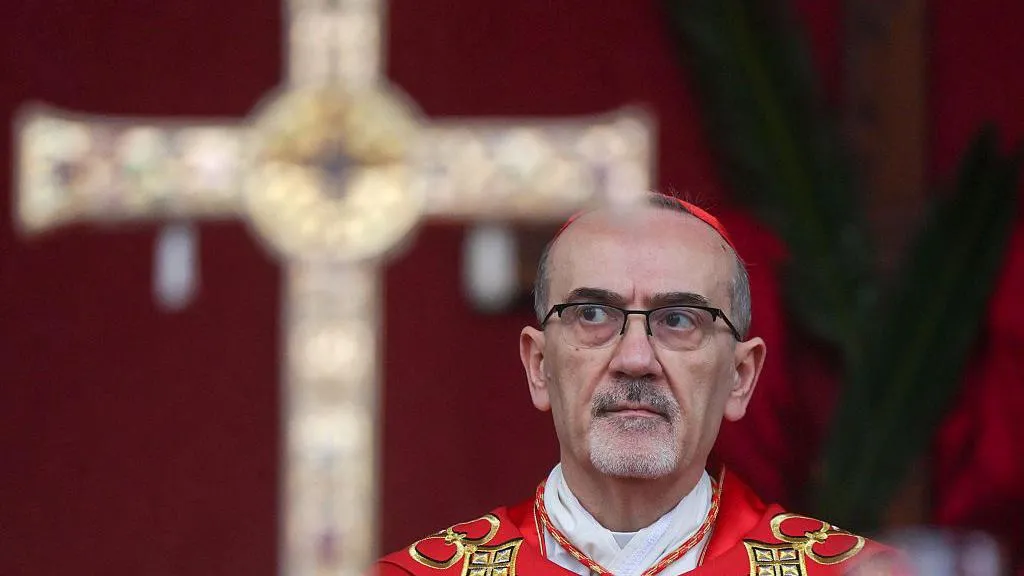
Israeli Prime Minister Benjamin Netanyahu has issued a direct order to grant the Latin Patriarch of Jerusalem “full and immediate access” to the Church of the Holy Sepulchre, following a wave of international condemnation after police blocked the senior Catholic cleric from celebrating Palm Sunday Mass. The incident, described by the Latin Patriarchate as a “grave precedent” not seen for centuries, occurred early Sunday morning when Cardinal Pierbattista Pizzaballa and the Custos of the Holy Land, Fr. Francesco Ielpo, were intercepted by officers while traveling privately to the holy site and forced to turn back.

In a midnight post on X, Netanyahu insisted there was “no malicious intent” behind the blockade, characterizing it instead as a protective measure amid the ongoing war with Iran. He claimed that over the past several days, Iranian ballistic missiles have “repeatedly targeted” Jerusalem’s holy sites, noting one specific strike where fragments reportedly landed just meters from the Church of the Holy Sepulchre. “To protect worshippers, Israel asked members of all faiths to temporarily abstain from worshipping at the Christian, Muslim, and Jewish holy sites in Jerusalem’s Old City,” the Prime Minister stated. “Today, out of special concern for his safety, Cardinal Pizzaballa was asked to refrain from holding Mass.”
The police ban had earlier triggered a “ripple of fear” and anger across the diplomatic world. French President Emmanuel Macron condemned the decision as a “violation of the status of the Holy Places,” while US Ambassador Mike Huckabee called the denial “difficult to understand or justify.” Hungarian Prime Minister Viktor Orbán, a close ally of the Netanyahu government, also weighed in, labeling the exclusion of Christians from their shared holy city as “unacceptable.” Under this mounting pressure, the Prime Minister’s Office pivoted, announcing that security arms are now “putting together a plan” to ensure church leaders can conduct services throughout the remainder of Holy Week.
The Latin Patriarchate’s statement emphasized that they had already complied with wartime safety directives by canceling the traditional large-scale Palm Sunday procession from the Mount of Olives. They argued that barring a private, low-profile entry for the Heads of the Church was a “manifestly unreasonable and grossly disproportionate measure.” For the first time in generations, the most sacred week in the Christian calendar began without the customary Catholic liturgy at the site where many believe Jesus was crucified and buried.
As the US-Israeli war on Iran enters its fifth week and oil prices surge past $115 a barrel, the Old City of Jerusalem has become a ghost town. The Western Wall and Al-Aqsa Mosque remain largely empty, and the usual bustle of pilgrims has been replaced by the hum of air defense systems and the sirens of the Home Front Command. While the Cardinal has now been granted his “full access,” the broader restrictions on public worship remain in place, leaving the “multi-religious character” of Jerusalem under its most severe strain in modern history.

For Cardinal Pizzaballa, who eventually held a smaller service at the Church of Gethsemane, the message remained one of resilience. “War will not erase the resurrection,” he told a small group of faithful. As the world looks toward Easter Sunday, the diplomatic scramble over a set of wooden doors in the Old City serves as a stark reminder that even in the middle of a regional conflagration, the “status quo” of Jerusalem’s stones remains a global flashpoint.
Related News:
 Last‑ditch Call to Save Police Front Counters in London
 Met Police Resume Arrests for Palestine Action Supporters
 Holyrood Campaign ‘In Meltdown’ as Fifth Reform UK Candidate Quits
 US Lawmaker Demands Testimony Over Sarah Ferguson’s ‘Close Epstein Ties’
 The Last of the Lords: Two Hereditary Peers to Retain Ceremonial Roles Amid Historic Ousting
 Global Crisis: Marco Rubio Convenes Emergency G7 Meeting as Iran Conflict Escalates
 ‘My Daughter is Under the Rubble’: The Human Cost of the Tehran Strikes
 ‘An Evil Man is Dead’: Australian Fugitive Dezi Freeman Shot Dead After 216 Days
 ‘Eye in the Sky’ Blinded: Photos Reveal Destroyed US Radar Jet at Saudi Base
 Tasers Introduced in UK Prisons to Combat Rising Violence and Protect Staff
 David Lammy Faces Possible Legal Challenge Over Foreign Office Secondment Scheme
 Police Advised to Disclose Ethnicity of Suspects in High-Profile Cases
 Sally Rooney Pledges BBC Royalties to Support Palestine Action Despite UK Terror Ban
 Government Signs Deal with Iraq to Return Illegal Migrants in Latest Bid to Deter Small Boats
 Angela Rayner Admits Underpaying Stamp Duty on £800,000 Seaside Flat
 Angela Rayner Faces Scrutiny as Stamp Duty Row Deepens
 Tanni Grey-Thompson Faces Abuse Over Opposition to Assisted Dying Bill
 First “One In, One Out” Deportation Flight Departs Without Migrants Amid Legal Challenges
 Corbyn and Sultana Clash Over Membership Portal as Divisions Surface in New Leftwing Party
 Commons Speaker Warns UK Parliament Vulnerable to Foreign Espionage After China-Linked Case Dropped
 Mahmood Pledges Reform of Modern Slavery Laws After Court Blocks Deportation Appeal
 Migrants in UK May Need to Contribute or Face Removal, Home Secretary Signals
 Jailed Georgian Opposition Leaders Warn UK of Iranian Links to Ruling Party
 MPs’ pay watchdog seeks to give public greater voice in how politicians are funded
 Digital ID Plans Ignite Debate Over £600m Treasury Tax Boost and Privacy Concerns
 Boris Johnson Breached Rules on Post-Office Business Contacts
 Lucy Powell urged ministers to reconsider costly legal case for Labour donor’s firm
 Starmer Accused of Creating ‘Toxic Downing Street’
Johnson Approved China’s London ‘Super-Embassy’ in 2018
Starmer Accused of Creating ‘Toxic Downing Street’
Johnson Approved China’s London ‘Super-Embassy’ in 2018
 French Taxi Driver Cleared in David Lammy Theft Case After Fare Dispute
 Met Police Culture Makes Racial Harm ‘Inevitable’
 Remaining rebel Labour MPs have whip restored
 Palace to reinstate hyphen in Andrew’s surname
 Victims’ commissioner Baroness Newlove dies aged 63
 Major Rent Reform Ends No-Fault Evictions in England
 Peers Flood Assisted Dying Bill with 942 Amendments
 UK Unveils Fast-Track Deportation and Asylum Overhaul
 UK Asylum Overhaul Sparks Debate Over Human Rights and Deportations
 UK Asylum Reforms: Temporary Refugee Status and Faster Deportations
 Mahmood Defends Tough Overhaul of UK Asylum System
 Westminster Advances Legacy Bill Amid Criticism
 Peers Get Extra Time to Debate Assisted Dying Bill
 Plans to Limit Jury Trials Face Retreat After Mounting Opposition
 Starmer tariffs stance rejects US trade retaliation
 Emails Show Epstein Funded Mandelson’s Husband After Jail
 Labour Attacks Reform Candidate Over Tommy Robinson Backing
 Police Probe Mandelson Over Alleged Epstein Leak
 Motorists Could Face ‘Mandatory’ Driving Ban for Road Offences Under Tougher Laws
 Disability and LGBT Hate Crimes Set to Become Aggravated Offences
 Civil Service Pay: Union Urges Ministers to End ‘Barking Mad’ Limits
 How Much Could Andrew’s Arrest Hurt the Royal Family?
 Andrew Released Under Investigation After Arrest
 Schools in England to Get Budget for Children with Special Needs as Part of SEND Overhaul
 Sadistic Pair Jailed for Blowing Up Sheep
 Grave of Murdered Toddler James Bulger Vandalised
 Labour MP’s Partner Arrested on Suspicion of Spying for China
 Manchester Students Mourn Ayatollah Amid Protest
 Police Scotland Pays £8m Compensation to Staff
 Family of Girl Groomed by Ian Huntley Beg Medics to Save His Life
 Flats for the blind could be sold to developer
 Undercover officer deceived women with ‘grotesque and cruel’ lies, spycops inquiry told
 Proposed Law Leaves Gap for Children of Convicted Paedophiles
 Gran Vows to Shield Huntley’s Daughter From Soham Killer’s Funeral
 Labour Faces Backlash Over Conscription Warning
 SNP Health Secretary Criticised Over NHS Failures Locally
 Scotland Combines Alcohol and Drug Strategy to Cut Addiction Deaths
 Hereditary Peers to Lose Seats in House of Lords
 Jobless Man on £15k Benefits Accused of Hurling Abuse at Anti-Migrant Demo
 Blind Woman Forced to Move Out After Leak Causes Ceiling to Cave In
 Rapist Caught After Victim Calls Police Mid-Attack

 Edinburgh Mother Learns Husband Was Secret Sperm Donor
 Mandelson’s Phone Messages Requested in Files Release
 Families Tortured by Authorities During Investigations Inquiry Told
 Watchdog Probes Police Handling of Andrew Tate Abuse Claims
 ‘Teenage Me Could Not Have Imagined This’ Says First Female Archbishop
 Dawn Raids in Scotland and Spain: Eight Arrested in Major Organised Crime Sting
 ‘F***, We’re Dead’: The Chilling Final Words from the Air France 447 Cockpit
 Trust in Turmoil: Just Eat and Autotrader Among Firms Probed Over Fake Reviews
 ‘No Surprise’: Ramaphosa Downplays South Africa’s Exclusion from Emergency G7 Summit