Published: March 30, 2026. The English Chronicle Desk. The English Chronicle Online—Providing trusted news and professional analysis for the UK and Europe.
When I first moved to a small, honey-colored village in the Charente-Maritime thirty-five years ago, my friends in London thought I was embarking on a year-long mid-life crisis. They envisioned me returning within six months, defeated by the bureaucracy and the “boredom” of rural life. Today, as I look out over the same vineyards that welcomed me in 1991, I realize that what they mistook for boredom was actually a profound, rhythmic peace. Living in a French village is not about the “postcard” moments of the first week; it is about the quiet, earned belonging that comes after three decades of saying “Bonjour, Madame” to the same boulanger. It is a way of life that prizes character over status and the season over the clock.

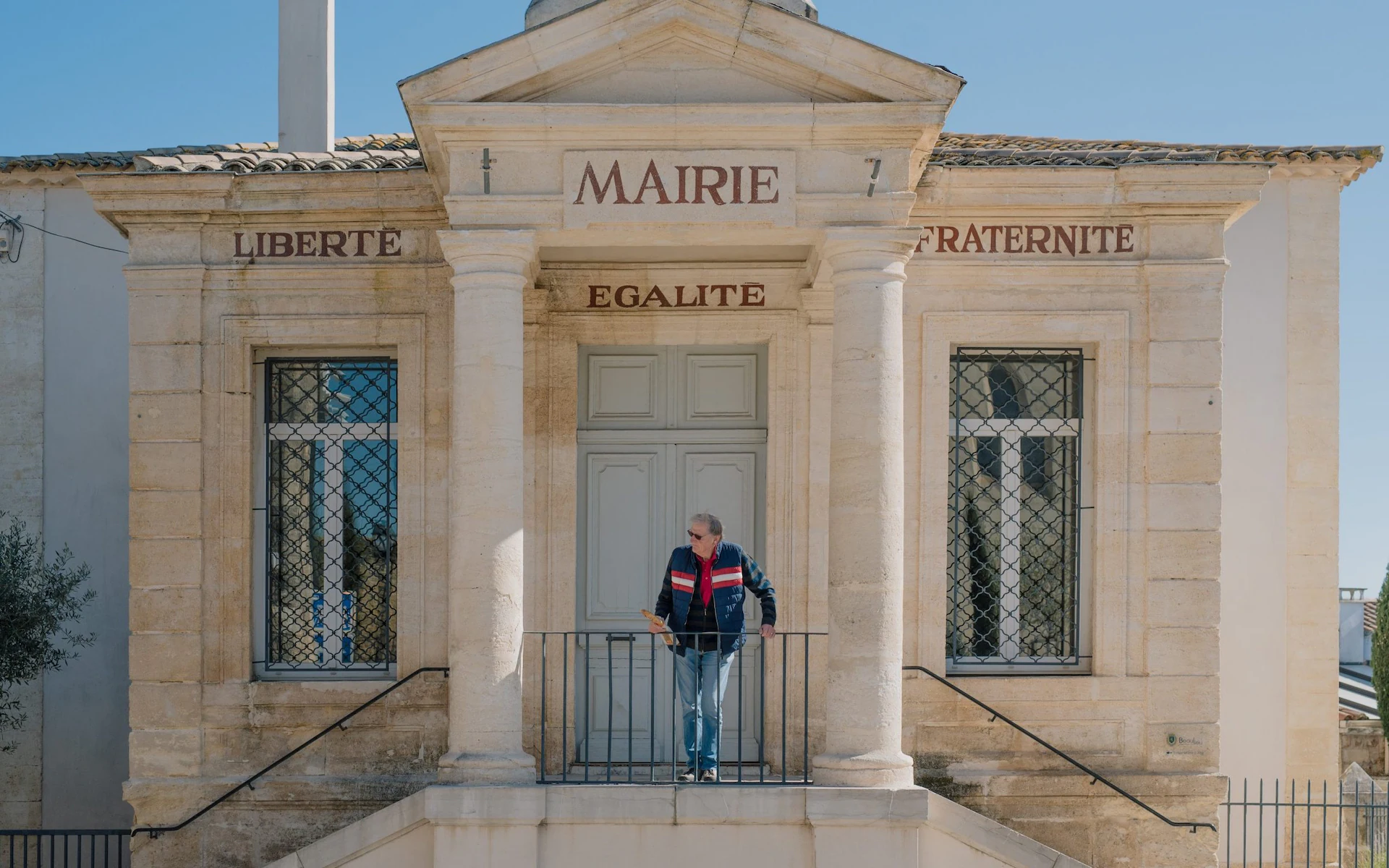
The most distinctive feature of the French village is the “unspoken code of the greeting.” In a city, you are an anonymous face in a crowd; here, you are a recognized thread in a tapestry. To enter a shop without a collective “Bonjour, Messieurs-Dames” is to be functionally invisible. Over thirty-five years, I have seen this simple ritual act as a social glue, bridging the gap between the local farming families and the “expats” like myself. There is a refreshing lack of hierarchy here. No one cares what car you drive or how much your house cost; you are judged on your consistency, your willingness to join the communal repas des voisins (neighbors’ meal), and whether you show up to the village fête even when it’s raining.
One of the greatest “special” qualities is the mandatory respect for time. At 12:30 pm, the village still comes to a collective, grinding halt. For two hours, the world stops for lunch. While this can be maddening when you need a plumber or a stamp, it teaches a vital lesson in “joie de vivre.” It enforces a boundary between work and life that we have almost entirely lost in the UK. This slower rhythm is supplemented by a deep connection to the land. My neighbors don’t just shop at the market; they know exactly whose chickens laid the eggs and which field the white asparagus was pulled from that morning. This isn’t “organic” as a marketing term; it’s simply the way food has always been.
However, the “magic” of the French village is currently facing a modern test. In 2026, we are seeing a fascinating shift as villages like Angoulins are being voted the “most livable” in the country, attracting a new generation of remote workers and families fleeing the heat and noise of the cities. While the arrival of fiber optic internet and “third places” (communal work hubs) has revitalized many “dormitory” villages, there is a delicate balance to strike. The challenge for us “old-timers” is to welcome the new energy without losing the silence that made these places special. We don’t want our villages to become theme parks; we want them to remain functioning communities where the local primary school stays open and the pétanque courts remain busy.

Looking back over thirty-five years, I’ve realized that the “specialness” of these villages isn’t found in the architecture or the wine, though both are exceptional. It is found in the resilience of the community. It’s in the way the Mayor knows every resident’s name, and the way the elderly are never truly “isolated” because they are watched over by the entire street. As the world becomes increasingly digital and fragmented, the French village remains a stubborn, beautiful holdout for human-scale living. If you are willing to learn the language, respect the lunch hour, and offer a genuine smile at the bakery, you won’t just be living in a village; you will be part of a family that has been centuries in the making.
Related News:
 Inland Australia Town Turns Streets into a Beach for Volleyball Contest
 Passengers on Dubai‑Dublin Flight ‘Never So Happy to Be Home’
 Boy, 12, Home After Being Stranded in Middle East
 ‘Holiday From Hell’ Leaves UK Couple Stranded in Thailand
 My One-Hour Flight Transfer Left Me Facing 10 Days Stuck in a City Under Attack
 South Africa’s Garden Route Gem Faces Looming Water Crisis
 Hindu Man’s Stand Sparks Hope in India
 Two Britons Among Three Dead in French Alps Avalanche
 Cuban Cigar Festival Cancelled Amid US-Linked Energy Crisis
 What Happened to Bathroom Doors in Hotels?
 Five Young People Die in Spain Apartment Block Fire
 ‘Staggeringly Stupid’ Man Jailed After Tattooing Children
 Snow and Rain Warnings as Cold Snap Continues in the UK
 TfL Advert Banned for Harmful Racial Stereotype
 Jet2 Hands Passengers Life Ban After Mid‑Air Brawl
 Dual Nationals Face Scramble for UK Passports as New Rules Come Into Force
 Suspect in Rhode Island Ice Hockey Shooting Killed Ex‑Wife and Son
 Singapore Offers to Set Up Single Americans with ‘Epic’ First Dates – There’s Just One Catch
 The Russian Village That Lost Its Men to War
 Revealed: The Billions Given to Charity by Ordinary Indians Every Year
 Epstein Eyed Record Label Investment to Access Women, Files Suggest
 Break from Wintry Weather as UK Temperatures to Climb to 14 °C
 Abandoned UK Village Being Reclaimed by Nature is ‘Vast, Wild and Fascinating’
 UK-Bound Jet2 Flight from Spain Declares Mid-Air Emergency Over English Channel
 Australian Presenter Apologises for Drinking Before Slurred Olympics Report
 What’s Next for Andrew Mountbatten-Windsor’s Ex-Wife, Sarah Ferguson?
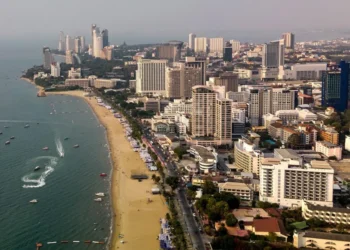 Asos Co-Founder Dies After Thailand Balcony Fall
 Austrian Climber Found Guilty After Girlfriend Froze to Death on Mountain
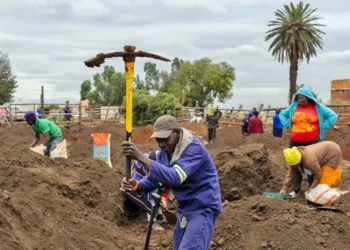 Gold Fever Hits South Africa After Lucky Find in Cattle Pen
 Germany’s Fairy Tale Route: The Real Places Behind the Grimm Stories
Major 7.1 Earthquake Strikes Off Malaysian Tourist Coast
Germany’s Fairy Tale Route: The Real Places Behind the Grimm Stories
Major 7.1 Earthquake Strikes Off Malaysian Tourist Coast
 Brit Killed in Horror Bus Crash as 18 Others Die and 25 Injured
Storm Hernando: Edinburgh Airport Flights Cancelled in US Travel Chaos
Brit Killed in Horror Bus Crash as 18 Others Die and 25 Injured
Storm Hernando: Edinburgh Airport Flights Cancelled in US Travel Chaos
 ‘Burned and Destroyed’: Locals and Tourists Describe Mexico Unrest
 Probe After Illness Kills 72 Tigers in Thailand
 ‘We Pray for Peace’: Indian Filmmaker From Troubled State Who Won a BAFTA
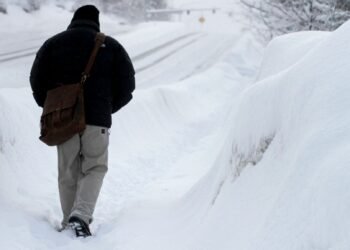 Exciting’ or ‘Frustrating’? East Coast Reacts to Record Snow
 More Than 5,000 Flights Cancelled as US East Coast Digs Out of Record Snow
 Inside Kyiv’s resolve as conflict nears five‑year mark
 What to Watch for During Trump’s State of the Union Address
 US Partially Evacuates Beirut Embassy Amid Rising Iran Tensions
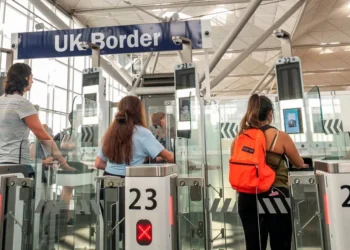 UK’s New Travel System: What It Is and How Dual Nationals Are Impacted

 ‘I Want to Find the Man Who Saved Us from Drowning’
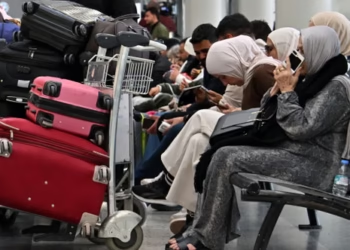 Middle East Airspace Crisis Strands Thousands
 ‘It’s Eerie’ – Dubai on Edge as City Comes Under Attack
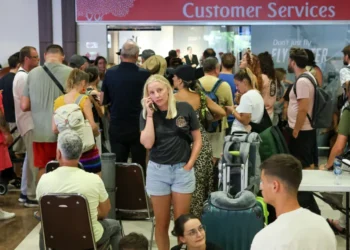 Flights Cancelled and New Travel Warnings Issued After Iran Strikes
 Islanders Advised on Travel to Middle East Amid Escalation
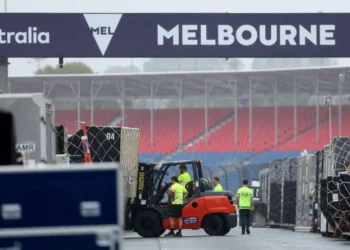 Australian GP Confident Amid Travel Disruption
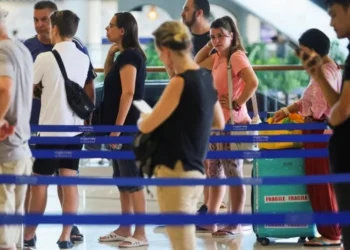 Limited Flights Leave UAE But Disruption Continues Amid Iran Strikes
 The Little‑Known ‘Serengeti of South America’ Revealed
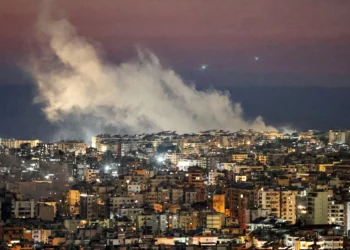 U.S. Tells Citizens to Leave Israel Now as Regional Conflict Escalates
 Muslim Group Wants Mosques to Be Used as Polling Stations Ahead of UK Elections
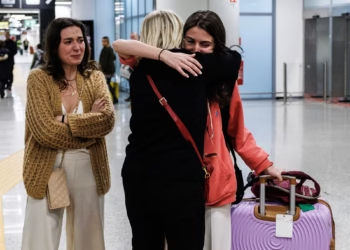 First Wave of Europeans Stranded by Iran Conflict Return Home, With Hundreds of Thousands Still Left in Region
 Travellers’ Mobile Home Burnt Down Overnight in Suspected Arson Attack
 UK Government’s First Repatriation Flight to Leave Middle East, More Planned
 Why Aren’t Our Dirtiest Roads Getting Cleaned?
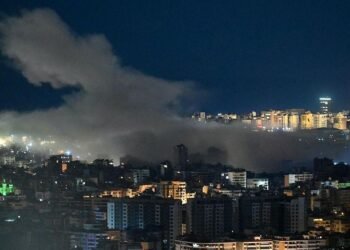 Israel and Iran Launch New Strikes as First UK Flight Bringing Citizens Home Is Delayed
 ‘Every Day Feels Like a Month’: Iranians Describe Life Under ‘Constant’ US‑Israeli Strikes
 The Rewilding Cash Grab Driving Farmers Off the Land
 Manchester Students Mourn Ayatollah Amid Protest
 Baba Vanga’s Chilling World War 3 Prediction and Russia’s New Leader
 Tears and Cheers as Controversial Long‑Running Australian Breakfast Radio Show Implodes
 Iranian Players Get Australian Visas After Anthem Protest
 Jane McDonald on Fitness, Travel and Family Choices
 Air India Express Plane Damaged in Chaotic Landing at Phuket Airport
 Bodies of Two Chinese Backpackers Found in Floodwaters
 What to Stockpile at Home Amid Iran War Fears
 Wealthy Parents Play Dead After Son Hires Hitman to Kill Them
 Met Office Issues 9‑Hour Now Warning for 5 UK Regions on Friday – Full List
 Rare Glimpse of Historic Bridge Thanks to Low Tide
 UK Households Urged to Buy Batteries and Charge Phones as Snow Forecast

 Ecuador Deploys 75,000 Forces in Anti-Gang Drive
 Teen Admits Filming Westfield Chair Prank
 Glasgow Central Set for Full Reopening After Fire
 Missing Cuba-Bound Aid Ships Spark Urgent Search
 PM Seeks to Reassure Australians Over Fuel Supply
 Horror in the Outback as Crocodile Kills World-Renowned Doctor
 How and When to See April’s Full Pink Moon