Published: 30 March 2026. The English Chronicle Desk. The English Chronicle Online.
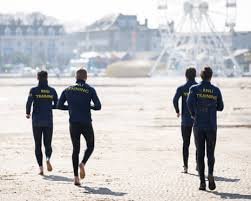
The shores of the United Kingdom and the Channel Islands have witnessed an unprecedented surge. Recent statistics indicate that the number of people helped by RNLI lifeguards has doubled lately. This dramatic increase reflects a shifting landscape in how the British public enjoys the seaside today. While the previous years saw steady numbers, the figures for 2025 rose to over 35,000 individuals. This jump follows a period where assistance was required by approximately 18,000 people annually on average. Several factors have contributed to this remarkable spike in activity across our busy national coastlines. Favourable weather conditions played a significant role in drawing massive crowds to the local sandy beaches. An increased interest in diverse seaside pursuits has also led more people toward the cooling water. The charity is currently celebrating its twenty-fifth year of providing essential lifeguard cover for the public. They are now preparing for what could be another record-breaking year for their dedicated coastal teams. Experts believe that the ongoing Middle East crisis may influence holiday plans for many British families. Global tensions often lead travelers to seek safer and more familiar destinations closer to their homes. The rising cost of living also makes domestic staycations a much more attractive prospect for everyone. Many households are finding that long-haul travel is less tempting than a simple trip to Cornwall.
Peter Dawes serves as the general manager for the RNLI and monitors these trends very closely. He noted that statistics vary each year based on the specific weather patterns we all experience. The bulk of the previous summer was reasonably good which encouraged many people to visit beaches. Mr Dawes explained that broader economic variations also play a vital role in their annual workload. If more people stay in the country for holidays then the beaches become much busier daily. The charity constantly assesses the risks on beaches to ensure that every visitor remains entirely safe. Being prepared for how people interact with the water is a core part of their mission. The RNLI began its patrolling operations in 2001 with just a few selected spots in Dorset. Cornwall was also among the first areas to receive this specialized professional lifeguard cover for swimmers. Today the organization operates on almost 250 beaches across the United Kingdom and the Channel Islands. Over a quarter of a century these brave lifeguards have saved more than two thousand lives. They have also provided essential aid to nearly half a million people in various difficult situations. Their help includes daring water rescues and the vital task of returning many lost children safely. They also deliver expert first aid and casualty care to those injured on the rocky shores.

The teams have responded to over 333,000 individual incidents since the program first began its work. Preventive actions remain a primary focus for the crews who watch over the busy coastal waters. They have carried out more than 48 million preventive actions to keep the general public safe. This often involves advising swimmers to move away from dangerous rip currents or jagged hidden rocks. Lifeguards also ask water users like paddle-boarders to reposition themselves for their own personal safety. Mr Dawes highlighted other factors that have significantly increased the overall workload for the lifeguard teams. Improvements in wetsuit technology allow enthusiasts to stay in the water for much longer periods now. People no longer wait for the warm summer months to enjoy their favorite aquatic sporting activities. Trends like coasteering have seen more people gravitated towards the edges of the unpredictable ocean waves. Stand-up paddle-boarding has also exploded in popularity among people of all ages and different skill levels. Every year people find new and different ways of potentially getting into trouble in the sea. The RNLI must find new ways of supporting them while maintaining high standards of coastal safety.
Lewis Timson is a supervisor in Newquay and has served for the entire twenty-five years. He has observed how the job has changed from reactive rescues to proactive public safety messaging. Twenty years ago the role involved putting up flags and monitoring the water from afar. Today the focus is on preventing people from getting into trouble before they even enter water. They say a good lifeguard never gets wet but the odds are often stacked against them. With hundreds of people on the beach the teams must be ready for any sudden emergency. Surfing and cold-water swimming are much more popular now than they were back in early 2001. There are always hundreds of surfers in the water regardless of the specific time of year. New technology like kite surfing and electric foil boards brings fresh challenges for the beach teams. The ocean is for everybody so the lifeguards try to manage the environment as best possible. Mr Timson remembers specific rescues such as saving a boy trapped in a deep sand hole. The hole had collapsed in 2018 leaving only the head of the young boy visible. Lifeguards had to provide oxygen because the pressure on his chest was becoming very intense then. A similar incident occurred in 2021 when a man was completely buried by the shifting sand. It took the help of twenty-five members of the public to dig the man out safely. These stories highlight the diverse and often unexpected dangers that exist on our local British beaches.
As the Easter weekend approaches lifeguards will be present on thirty-nine popular beaches across the country. This number will steadily increase throughout the spring until peak summer coverage is finally reached in July. By then over 245 beaches will have professional RNLI teams watching over the many happy visitors. The charity remains a cornerstone of coastal safety and continues to adapt to a changing world. Their dedication ensures that families can enjoy the beauty of the coast with peace of mind. Whether it is a rip current or a sand collapse the lifeguards are always standing ready. The next few months will likely test their resources as more people flock to the sea. Public support for the RNLI remains vital as they enter this potentially very busy new season. Their long history of service provides a strong foundation for the challenges that lie ahead today. We must all respect the water and listen to the advice provided by these brave professionals. Staying safe at the beach starts with choosing a location that is patrolled by the RNLI. Their presence makes a life-saving difference for thousands of people every single year in the UK. As we look toward the summer the message from the charity is one of careful preparation. Enjoy the coast but always remember that the sea can be a very powerful force. With the help of the RNLI we can all look forward to a safe summer.
Related News:
 Norfolk Coastal Graves at Risk as Erosion Deepens Family Anguish
 Winter plant bloom signals climate breakdown in UK
 Dog Food Emissions: 1% of UK Greenhouse Gas Revealed
 Storm Goretti leaves Cornwall homes without power
 Kent Residents Continue Facing Water Supply Disruptions
 Water firms may avoid fines under UK water reform plan
 No Gas Boiler Ban as UK Warm Homes Plan Backs Heat Pumps
 Judi Dench Champions Fight to Save London’s Green Spaces
 UK joins North Sea wind grid pact with nine European nations
 Devon hosts first high-density hydro power system
 Storm Chandra floods Somerset, triggers major incident declaration
 Storm Chandra flooding leaves England on high alert
 UK Pfas Action Plan Faces Criticism From Environmentalists
 Wigan Dump Crisis Sparks Health and Safety Alarm
 Fish disco plan could save 90% of fish at Hinkley C
 Flood risk homes surge across England builds
 Deer Shooting England: New Plan to Protect Woods
 Illegal Waste Dumping: New Drone Unit Launched
 Group Expands Legal Claim Over South West Water Pollution
 Scotland’s Climate Plans Face Scrutiny Over ‘Science Fiction’ Targets
 Wood burner legal threats spark council row
 South East Water Fined £22.5m for Repeated Supply Failures
 Yorkshire Water Funding Sparks Debate Amid Fines and Pay Row
 Net Zero Cheaper Than One Fossil Fuel Crisis, UK Told
 Welsh Water Faces £44.7m Enforcement Over Sewage Breaches
 London Considers New SUV Charges to Improve Road Safety
 New £10bn rescue plan offered for Thames Water
 MPs Slam Agency Over Failing Fight Against Waste Dumping
 UK Records Earliest Spring as Nature Awakens Fast
 RSPB Urges Summer Bird Feeder Removal to Curb Disease
 Britain Facing Sharp Decline in Rare Butterfly Species
 Toxic ‘Forever Chemicals’ Threaten Southern English Coast
 Toxic Flea Treatments Devastating UK Rivers and Wildlife
 UK Faces Mass Water Shortages by 2055, Lords Warn
 Saving Our Lost Rainforests: The Battle for Dartmoor
 Outrage in Surrey as Vital Nesting Colony of Endangered Swifts is Entirely Demolished
 The Hidden Cost of Our Oceans
 Whitehall Steps In: The Battle Over Thames Water Deepens
 UK Seas Face Extreme Heatwave as Global Temperatures Surge
 UK Pets Face Heatstroke Risks Even While Resting Indoors
 New Debt Limits Proposed for England’s Water Sector
 South East Water Faces £30.5m Penalty for Supply Failures
 Three-Quarters of England’s Riverbanks Still Off Limits
 Reeves Faces Setback as Labour May Miss Homes Target
 Kate Winslet to Narrate Film Highlighting King’s Environmental Mission
 Trump’s UK Ambassador Urges North Sea Drilling to Strengthen US Ties
 UK Bans Fake Numbers: Scammers Lose Their Trick
 Millionaires group urge Reeves to introduce wealth tax to ‘lift kids out of poverty’
 Reeves rejects £1bn plea for NHS redundancy payouts
 PM Condemns Leaks, Vows Loyalty to Ministers and Stability
 Inside the Helpline Protecting Missing Children in the UK
 PlayStation PS5 Deals Hit Lowest Prices Ahead of Black Friday
 Five-Year-Old Dies After Rare Tonsil Surgery Complication
 Starmer Says Labour’s Economic Plan Needs Years to Deliver
 ‘Extinct’ Antelope Returns to Sahara, Bringing Hope
 Starmer Faces Parliamentary Battles Over UK-EU ‘Reset’ Plan
 Met Police Vetting Failures Let Serial Rapists Remain
 Fatal Bolton Taxi Crash Claims Three Teens and Driver
 Inquiry into HMRC child benefit errors launched by NAO
 Rising Costs Force Families to Rethink Days Out
 Extreme Weather: Europe Shivers as Cyclone Narelle Hits
 Scott Mills Sacked by BBC Over Personal Conduct Claims
 National Energy Grant Proposed to Slash UK Household Bills
 Medellín’s Green Revolution: A Global Climate Blueprint
 Urban Flood Crisis: A Growing Threat to English Homes
 New AI Tool To Target Obesity Risk And Transform NHS Care
 Greens Face Internal Row Over Antisemitism Claims
 Met Officers Probed Over Al Fayed Abuse Allegations
 Reform UK Faces Crisis as Newly Elected Councillors Resign
 Starmer Strikes Back as 100 MPs Sign Support Pledge
 UK Firms Freeze Spending as Iran Conflict Bites
 Reeves to Fast-Track Clean Energy Amid Iran Crisis
 The Battle for Wembley Sparking Unprecedented Legal Warfare
 Secret Role of UK Security Services in Troubles Amnesty Law
 Tube Strike Brings Capital to a Standstill Over Shift Disputes
 Teaching Machines Right From Wrong in the Digital Age
 The Hidden Crisis Eroding Trust in British Communities
 Stolen Mobiles Could Soon Become Useless Bricks
 Clean Air Initiatives Spark Major Fall in London Hospital Admissions
 UK Care Crisis: Row Explodes Over New Visa Settlement Rules