Published: March 31, 2026. The English Chronicle Desk.
The English Chronicle Online—Providing trusted news and professional analysis for the UK and International Affairs.
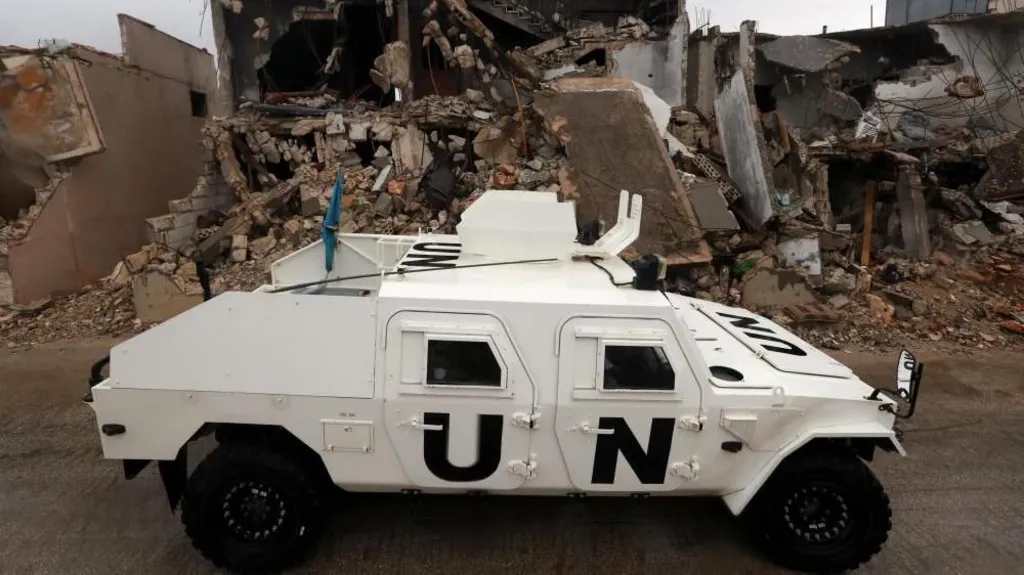
The United Nations Interim Force in Lebanon (UNIFIL) has been plunged into mourning following the deaths of two Indonesian peacekeepers in a powerful explosion near the “Blue Line” border. The incident, which occurred during a routine patrol in the early hours of Monday morning, has ignited fresh international outrage as the security situation in Southern Lebanon continues to deteriorate. UNIFIL officials confirmed that the peacekeepers’ armored vehicle was struck by an improvised explosive device (IED) on a frequently used supply route, leading to a “catastrophic mechanical failure” and the immediate loss of life.

The Indonesian Ministry of Foreign Affairs identified the fallen soldiers as Sergeant Major Ahmad Pratama and First Corporal Budi Santoso, both veterans of the TNI (Indonesian National Armed Forces) with multiple years of peacekeeping experience. Indonesian Foreign Minister Retno Marsudi issued a “strenuous condemnation” of the attack, demanding an immediate and transparent investigation into the perpetrators. “Our peacekeepers are the world’s shield in these volatile regions,” Marsudi stated. “To target those under the UN flag is a flagrant violation of international law and a strike against the very concept of global peace.”
The deaths come at a time of extreme tension as the regional conflict involving Iran and Israel bleeds into the Lebanese theater. While the “beyond halfway” mark of operations in Iran has been cited by some leaders, the ground reality in Lebanon remains one of unpredictable asymmetric warfare. UNIFIL, which currently comprises over 10,000 personnel from 48 countries, has seen a marked increase in “accidental” and “deliberate” obstructions of its patrols in 2026. Experts suggest that the IED may have been intended for local combatants but has instead claimed the lives of those sent to monitor the 2006 ceasefire.
The loss of the Indonesian peacekeepers has resonated deeply in Jakarta, where public support for the “Blue Berets” remains high. With the oil price at $116 and the “Islamabad Initiative” attempting to de-escalate wider regional tensions, the deaths serve as a somber reminder of the human cost of stalled diplomacy. UN Secretary-General António Guterres called for “maximal restraint” from all parties, warning that the targeting of peacekeepers could lead to a “total collapse of the monitoring mission” at a time when the world can least afford another open front.

As the Easter holiday brings a moment of reflection in the West, the families of Ahmad Pratama and Budi Santoso are preparing for the repatriation of their loved ones’ remains. The UN has announced that a formal memorial service will be held at the UNIFIL headquarters in Naqoura before the fallen soldiers are flown back to Indonesia for full military honors. For the international community, the challenge remains clear: maintaining a “simpler” peace is becoming increasingly impossible in a landscape dominated by the high-tech weaponry and low-tech brutality of the 2026 conflict.
Related News:
 Emails Show Epstein Funded Mandelson’s Husband After Jail
 Thousands Protest ICE Operations in Nationwide US Day of Action
 US Military Says Two Killed in Strike on Alleged Drug Boat in Eastern Pacific
 US ‘Suitcase Murderer’ Deported From Bali After 11 Years in Jail
 Trump Administration Dismisses 17 Immigration Judges, Sparking Debate Over Judicial Independence
 Northern Ireland Family of Three Shot Dead in Maguiresbridge Home Incident
 Failed New Mexico Candidate Sentenced to 80 Years for Drive-By Shootings at Lawmakers’ Homes
 Jailed Georgian Opposition Leaders Warn UK of Iranian Links to Ruling Party
 Johnson Approved China’s London ‘Super-Embassy’ in 2018
 Just Stop Oil Protesters Convicted Amid Climate Defence Row
 China-critical UK academics face ‘extremely heavy’ pressure from Beijing
 Trump Urges Herzog to Grant Netanyahu Full Pardon
 US Justice Department Files Lawsuit Against California Over Partisan Voting Maps
 Oklahoma Governor Grants Last-Minute Clemency to Death Row Inmate
 Trump Deploys DHS to Charlotte in Major Arrest Operation
 Tokyo court rules Japan’s same-sex marriage ban constitutional
 Chinese & Japanese Boats Clash Near Disputed Islands
 Indonesia to Repatriate Two Dutch Drug Convicts
 EU Weakens as Trump Targets Venezuela and Greenland
 US Citizens Warned to Venezuela Flee Amid Paramilitary Threats
 Gulf states warn Trump Iran strikes risk wider Middle East war
 Machado Trump medal gesture reshapes Venezuela power struggle
 Greenland defence seen as shared Nato duty amid troop arrivals
 Trump Receives Machado’s Nobel Medal in White House Meeting
 Syria President Declares Victory as Ceasefire Reached with SDF
 US Considers Asylum for British Jews Amid Rising Antisemitism
 Starmer tariffs stance rejects US trade retaliation
 American democracy faces crisis after Trump’s return
 Russia Strikes Kyiv and Kharkiv as Peace Talks Enter Day Two
 Files Link Andrew to Epstein Dinner After Prison Release
 Fears of New Arms Race as US-Russia Nuclear Weapons Treaty Expires
 Venezuela’s Opposition Says Party Leader Kidnapped Hours After Being Freed
 Christchurch Shooter Seeks to Overturn Guilty Plea in Appeals Court
 Iran Says ‘Guiding Principles’ Agreed With US at Nuclear Talks
 Jet2 Hands Passengers Life Ban After Mid‑Air Brawl
 Dual Nationals Face Scramble for UK Passports as New Rules Come Into Force
 Nine Arrested in France Over Death of Far‑Right Student
 Ukraine Peace Talks End in Acrimony After Two Hours
 Indian University Kicked Out of AI Summit for Claiming Chinese Robot Dog as Its Own Invention
 India Sentences Three Men to Death for Attack on Israeli Tourist and Hosts
 Desperate Hunt for Breakthrough in Nancy Guthrie Case Turns to Mexico
 How Much Could Andrew’s Arrest Hurt the Royal Family?
 Epstein Eyed Record Label Investment to Access Women, Files Suggest
 Epstein Files Could Be Just Tip of the Iceberg for Andrew Investigation
 Man Guilty of XL Bully Offence After Fatal Attack
 UK Has Not Given US Permission to Use RAF Bases for Iran Strikes
 Live Nation Sees Strong Ticket Sales as Monopoly Lawsuit Looms
 ‘We’re Still on Edge’: Toy Firms Look to US Supreme Court as Tariffs Hit Profits
 Drugs, Denial, Stigma: Fiji’s HIV Crisis Hits Children
 ‘I reported rape in Hong Kong, now I could face prison’
 Sydney kidnapping mystery deepens as grandfather’s remains found after mistaken abduction
 Australians Arrested Over Alleged Murder of Grandfather Mistakenly Kidnapped
 Why Asian Firms Are Not Cheering Trump Tariff Ruling
 Why Asian Firms Are Not Cheering Trump Tariff Ruling
 Months of Planning Behind US‑Israeli Mission to Target Iran’s Supreme Leader
 UK Will Allow US to Use Bases to Strike Iranian Missile Sites, PM Says
 Cooper: Joining US Strikes on Iran ‘Not in Britain’s Interest’
 Israel Launches Fresh Strikes on Tehran & Beirut; US Warns “Hardest Hits” Ahead
 Carney to Push His Middle Power Strategy During Australia Visit
 DHS Probe Into Border Official Sparks National Debate
 US Senate Vote Fails to Rein in Trump War Powers on Iran
 Global Order Is ‘Breaking Down’, Carney Tells Australian Parliament
 Azerbaijan Promises Retaliation After Iranian Drone Hits Airport
 Alleged Bondi gunman seeks order to suppress family’s identity
 Abramovich Chelsea Sale Cash Faces Jersey Probe
 Queensland Protest Laws Spark Free Speech Backlash
 Chinese National Arrested Over Attempt to Smuggle 2,000 Queen Ants From Kenya
 China Approves ‘Ethnic Unity’ Law Requiring Minorities to Learn Mandarin
 Yvette Cooper: UK Must Follow Principles, Not US Pressure
 Wary Allies Signal No Easy Path in Iran Crisis
 Children’s Author Convicted in Husband Poisoning Case
 Belarus Leader Gifts Rifle to Kim Jong Un
 Saudi Arabia Urging US to Keep Up Iran Attacks
 Seven-Month Australian Manhunt Ends in Fatal Shootout
 Washington Enlists Musk to Battle Global Hostility Online
 Israel Enacts Death Penalty Law for Palestinians Following 12-Hour Debate
 Net Closes on Lyons Clan: Partner Arrested in Dubai as Crime Boss Snared in Bali
 ‘A Moral Stain’: LGBT Veteran Sues MoD for £50k Following Historic Abuse Claims
 Beyond ‘Halfway’: Netanyahu Signals Progress as Iranian Drone Strikes Tanker in Dubai
 ‘United by Music’: Eurovision Song Contest Officially Launches First-Ever Asia Edition