Published: April 1, 2026. The English Chronicle Desk.
The English Chronicle Online—Providing trusted news and professional analysis for the UK and International Affairs.
For the nearly 40 million migrant workers who form the backbone of the Gulf Cooperation Council (GCC) economies, the “Middle Eastern Dream” has been replaced by a harrowing calculation of survival. As Operation Epic Fury enters its second month, a profound debate is rippling through labor camps from Dubai to Doha: is a monthly remittance check worth the risk of a missile strike? With over 80% of Iranian drone and missile attacks now reportedly targeting the Gulf states rather than Israel, the low-wage workers who maintain the region’s luxury towers and oil infrastructure are finding themselves on the frontlines of a war they didn’t choose.

Human Rights Watch reported this week that at least 11 of the 12 civilians killed in recent retaliatory strikes across the UAE and Kuwait were migrant laborers, including a Nepali security guard and a Bangladeshi water-tanker driver. While the wealthy elite can often afford private evacuations, the vast majority of the foreign workforce—who make up 88% of the UAE’s population and 95% of Qatar’s private sector labor—are trapped by the kafala sponsorship system and the logistical collapse of regional air travel. “The roar of fighter jets and air raid sirens has become our nightly lullaby,” one Indian construction worker told reporters. “We came here to build a future for our children, but now we are just waiting to see if the sky falls on us.“
The Remittance Lifeline vs. The ‘Safety Blind Spot’
The stakes of this labor flight are existential for both the Gulf and South Asia.
-
The Economic Backbone: In countries like Kuwait and Qatar, migrant workers represent the “near-complete operational base” of the economy. A mass exodus would lead to a total collapse of essential services, from waste management to healthcare.
-
The Remittance Crisis: For India, Pakistan, and Bangladesh, the Gulf is a financial heart. India alone received $135 billion in remittances in 2025, with 40% coming from the GCC. A prolonged war could see these flows plunge by as much as 30%, destabilizing national currencies and trade deficits.
-
The ‘Desertion’ Fear: Many workers are afraid to leave even if they can find a flight, fearing that departing during a crisis will be labeled as “contract desertion,” resulting in the permanent loss of their visas and unpaid wages.
Governments in Crisis Mode
As the oil price hits $116 and the war shows no sign of abating, Asian governments are scrambling to protect their citizens.
-
The Indian ‘Special Ops Room’: New Delhi has established a 24-hour monitoring center and reported that over 52,000 Indians returned home in the first week of March alone.
-
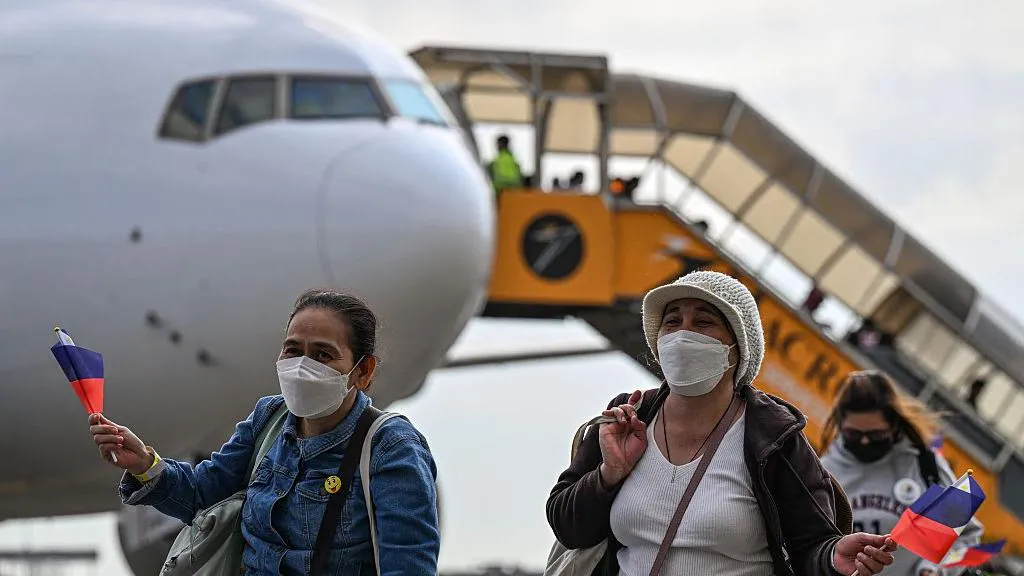
The Philippine Contingency: Manila has put its “Rapid Response Teams” on standby, preparing for what could be the largest maritime evacuation of citizens since the 1990 Gulf War.
-
The Airspace Lockdown: Between February 28 and mid-March, over 500 flights between Bangladesh and the Gulf were canceled due to airspace closures. At least 30,000 Bangladeshi workers are currently stranded in Dhaka, watching their hard-earned visas expire as the war rages on.

The ‘Invisibility’ of the Vulnerable
Critics argue that while the Gulf’s state-of-the-art air defense systems are highly effective at protecting key government and oil assets, the densely populated “labor cities” on the urban peripheries remain a “safety blind spot.” “When the sirens go off, the wealthy go to bunkers; the workers go back to their plywood-partitioned rooms,” a community leader in Sharjah noted. For the millions of “HENRYs” (High Earners, Not Rich Yet) in the UK and U.S. currently worrying about the $4 gasoline price, the human cost of the Iran war is often measured in statistics. But in the labor camps of the Gulf, it is measured in the silence of a phone call home that never comes.
Related News:
 ‘Democracy Manifest’: Iconic ‘Succulent Chinese Meal’ Rant Added to National Film Archive
 ‘Silent Neighbors’: China Bans Residential ‘Bone-Ash’ Apartments Amid Qingming Crackdown
 Shock US Raid: Maduro Pleads Not Guilty in Manhattan Court
 EU Weakens as Trump Targets Venezuela and Greenland
 Venezuela Oil Deal Opens Tensions with US Control
 US Citizens Warned to Venezuela Flee Amid Paramilitary Threats
 Gulf states warn Trump Iran strikes risk wider Middle East war
 Machado Trump medal gesture reshapes Venezuela power struggle
 Greenland defence seen as shared Nato duty amid troop arrivals
 Trump Receives Machado’s Nobel Medal in White House Meeting
 Syria President Declares Victory as Ceasefire Reached with SDF
 US Considers Asylum for British Jews Amid Rising Antisemitism
 Russia Strikes Kyiv and Kharkiv as Peace Talks Enter Day Two
 Emails Show Epstein Funded Mandelson’s Husband After Jail
 Fears of New Arms Race as US-Russia Nuclear Weapons Treaty Expires
 US Military Says Two Killed in Strike on Alleged Drug Boat in Eastern Pacific
 Trump Endorses Japan’s Takaichi Ahead of Snap Election
 Venezuela’s Opposition Says Party Leader Kidnapped Hours After Being Freed
 Christchurch Shooter Seeks to Overturn Guilty Plea in Appeals Court
 Hindu Man’s Stand Sparks Hope in India
 Iran Says ‘Guiding Principles’ Agreed With US at Nuclear Talks
 Snow and Rain Warnings as Cold Snap Continues in the UK
 Ukraine Peace Talks End in Acrimony After Two Hours
 Indian University Kicked Out of AI Summit for Claiming Chinese Robot Dog as Its Own Invention
 India Sentences Three Men to Death for Attack on Israeli Tourist and Hosts
 Revealed: The Billions Given to Charity by Ordinary Indians Every Year
 Epstein Eyed Record Label Investment to Access Women, Files Suggest
 UK Has Not Given US Permission to Use RAF Bases for Iran Strikes
 Break from Wintry Weather as UK Temperatures to Climb to 14 °C
 Australian Presenter Apologises for Drinking Before Slurred Olympics Report
 Austrian Climber Found Guilty After Girlfriend Froze to Death on Mountain
 ‘We Pray for Peace’: Indian Filmmaker From Troubled State Who Won a BAFTA
 Drugs, Denial, Stigma: Fiji’s HIV Crisis Hits Children
 Cuba Kills Exiles in Speedboat Attack from US Waters
 Four Killed on US-Registered Speedboat Were Cuban Nationals, Cuba Says
 US ‘Suitcase Murderer’ Deported From Bali After 11 Years in Jail
 Why Asian Firms Are Not Cheering Trump Tariff Ruling
 Why Asian Firms Are Not Cheering Trump Tariff Ruling
 ‘I Want to Find the Man Who Saved Us from Drowning’
 Months of Planning Behind US‑Israeli Mission to Target Iran’s Supreme Leader
 UK Will Allow US to Use Bases to Strike Iranian Missile Sites, PM Says
 Cooper: Joining US Strikes on Iran ‘Not in Britain’s Interest’
 What Khamenei’s Death Means for Russia and China
 Trump’s Iran Endgame Unclear After Mixed Messaging on War Aims
 Israel Launches Fresh Strikes on Tehran & Beirut; US Warns “Hardest Hits” Ahead
 Carney to Push His Middle Power Strategy During Australia Visit
 Travellers’ Mobile Home Burnt Down Overnight in Suspected Arson Attack
 Why Aren’t Our Dirtiest Roads Getting Cleaned?
 Global Order Is ‘Breaking Down’, Carney Tells Australian Parliament
 ‘Every Day Feels Like a Month’: Iranians Describe Life Under ‘Constant’ US‑Israeli Strikes
 Azerbaijan Promises Retaliation After Iranian Drone Hits Airport
 Manchester Students Mourn Ayatollah Amid Protest
 Baba Vanga’s Chilling World War 3 Prediction and Russia’s New Leader
 Tears and Cheers as Controversial Long‑Running Australian Breakfast Radio Show Implodes
 My One-Hour Flight Transfer Left Me Facing 10 Days Stuck in a City Under Attack
 Iranian Players Get Australian Visas After Anthem Protest
 Bodies of Two Chinese Backpackers Found in Floodwaters
 What to Stockpile at Home Amid Iran War Fears
 Yvette Cooper: UK Must Follow Principles, Not US Pressure
 Wary Allies Signal No Easy Path in Iran Crisis
 Trump Seeks to Delay Meeting With Xi
 Teen Admits Filming Westfield Chair Prank
 Missing Cuba-Bound Aid Ships Spark Urgent Search
 PM Seeks to Reassure Australians Over Fuel Supply
 Saudi Arabia Urging US to Keep Up Iran Attacks
 Horror in the Outback as Crocodile Kills World-Renowned Doctor
 How and When to See April’s Full Pink Moon
 I’ve Lived in a French Village for 35 Years. This is Why They are So Special.
 Michel Rolland: The ‘Spielberg of Wine’ Who Directed the Global Palate
 Washington Enlists Musk to Battle Global Hostility Online
 Status Quo Restored: Netanyahu Intervenes After Police Block Latin Patriarch from Holy Sepulchre
 Beyond ‘Halfway’: Netanyahu Signals Progress as Iranian Drone Strikes Tanker in Dubai
 ‘United by Music’: Eurovision Song Contest Officially Launches First-Ever Asia Edition
 ‘Emergency Management’: Korean Air Slashes Costs as Jet Fuel Prices Double
 Tragedy in Lebanon: Two Indonesian UN Peacekeepers Killed in Border Explosion
 Chain of Fire: US Bunker Busters Strike Major Iranian Ammo Depot in Isfahan
 ‘The Final Word’: Kathleen Stock’s Polemic Against Assisted Dying Reshapes the UK Debate
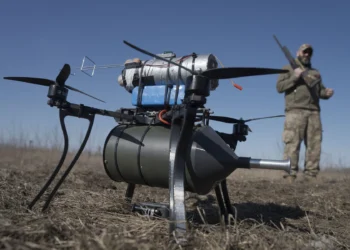 ‘Lego Drones’: Ukraine Hits Back at German Arms Giant Over ‘Housewife’ Slurs
 ‘Targeting the Truth’: US Journalist Shelly Kittleson Abducted in Central Baghdad
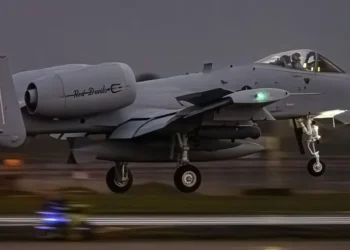 ‘The Warthog’s Stopover’: American Tank Busters Land at Lakenheath En Route to the Gulf