Published: April 1, 2026. The English Chronicle Desk.
The English Chronicle Online—Providing trusted news and professional analysis for the UK and International Affairs.
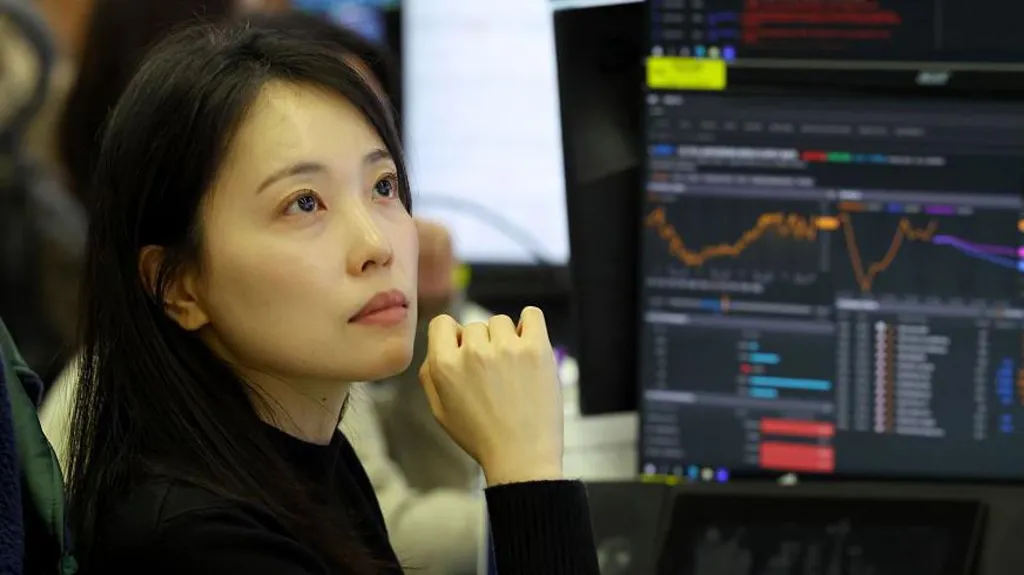
Asian equity markets witnessed a dramatic “relief rally” on Wednesday after President Donald Trump suggested that the month-old conflict with Iran could reach a conclusion “in a matter of weeks, not months.” Speaking from the Rose Garden late Tuesday, the President claimed that the combined pressure of bunker-buster strikes and “maximalist” maritime interdiction has brought the Iranian leadership to a “breaking point.” While the Pentagon has yet to confirm a formal ceasefire timeline, the President’s optimism was enough to trigger a massive wave of buying across Tokyo, Hong Kong, and Seoul, as investors bet on an end to the geopolitical volatility that has defined the first quarter of 2026.

The Nikkei 225 closed up 3.2%, its strongest one-day gain since the start of Operation Epic Fury on February 28, while Hong Kong’s Hang Seng index climbed 2.8%. The rally was led by energy-sensitive manufacturing giants and tech firms that have struggled with the skyrocketing costs of shipping and insurance in the Persian Gulf. “The market was pricing in a ‘forever war’ scenario,” said a senior equity strategist at Nomura. “Trump’s ‘weeks, not months’ comment has provided the first credible exit-ramp narrative, even if the ground reality remains incredibly complex.”
The ‘$100 Oil’ Pivot
The primary driver of the market surge was a cooling of the global energy crisis. For weeks, the $116 oil price has acted as a “tax on global growth,” particularly for energy-importing powerhouses in Asia.
-
Crude Correction: Brent crude futures dipped $4.50 per barrel following the President’s remarks, as traders speculated that a rapid de-escalation would restore safe passage through the Strait of Hormuz.
-
The ‘Weeks’ Timeline: Analysts are now focusing on a “42-day window”—a self-imposed deadline derived from Trump’s rhetoric—which would see major combat operations cease by the Easter/Passover period in mid-April.
-
Currency Volatility: The Japanese Yen and South Korean Won both strengthened against the dollar, reflecting a decrease in “safe-haven” demand as regional tensions showed signs of thawing.
A Fragile Optimism
Despite the “green screens” across Asia, veteran diplomats and military analysts are urging caution. The President’s assertion that “the hard work is done” stands in stark contrast to reports of a “million things going wrong” with the potential seizure of Iran’s uranium stockpile.
-
The ‘Lego’ Conflict: In Ukraine, the continued use of low-cost drone technology—which the CEO of Rheinmetall famously dismissed as “children playing with Lego”—serves as a reminder that modern wars are rarely as “rapid” or “clean” as political leaders hope.
-
The Migrant Factor: In the Gulf, millions of Asian migrant workers remain in a state of flux, debating if the “weeks” mentioned in Washington are enough to justify staying in a conflict zone that has seen consistent drone and missile exchanges.

As the 8 Million Dilemma continues to hamper the UK labor market and the Sigonella Refusal highlights cracks in the Western alliance, the Asian “Trump Rally” is a testament to the world’s desperation for stability. For now, the “Golden Era” of 2026 diplomacy is being priced in by the markets. Whether the reality on the ground in Isfahan and Tehran matches the Rose Garden’s optimism will be the ultimate test for the global economy in the coming fortnight.
Related News:
 Shein’s Elusive Boss Hails Chinese Roots in Rare Public Appearance
 Why Asian Firms Are Not Cheering Trump Tariff Ruling
 Why Asian Firms Are Not Cheering Trump Tariff Ruling
 India and Canada Seal Series of Deals as Carney and Modi Reset Ties
 Beyond ‘Halfway’: Netanyahu Signals Progress as Iranian Drone Strikes Tanker in Dubai
 ‘Emergency Management’: Korean Air Slashes Costs as Jet Fuel Prices Double
 ‘Losing Control’: World Recession Fears Mount as Trump’s 42-Day Iran War Timeline Collapses
 ‘Floating Inferno’: Iran Attacks Fully Loaded Oil Tanker Off Dubai Coast
 ‘Strategic Reserve’: Italy Defers Coal Phase-Out to 2038 Amid Energy Crisis
 ‘Lego Drones’: Ukraine Hits Back at German Arms Giant Over ‘Housewife’ Slurs
 Modi’s London Visit Seals Historic UK-India Trade Pact Amid Global Tensions
 China’s crackdown on civil servant perks sparks economic concerns
 Shein UK Faces Allegations of Shifting Majority of Profits to Singapore to Reduce UK Tax
 British AI Startup Outshines Human Forecasters in Global Prediction Contest
 China warns UK over delayed London mega embassy decision
 UPS Cargo Plane Crash in Kentucky Kills Seven
 Canada Passes Carney’s First Budget in Tight Parliamentary Vote
 India’s Labour Law Overhaul Sparks Fierce Debate
 Gulf states warn Trump Iran strikes risk wider Middle East war
 Machado Trump medal gesture reshapes Venezuela power struggle
 Greenland defence seen as shared Nato duty amid troop arrivals
 Canada-China trade gains momentum in new strategic partnership
 Trump Receives Machado’s Nobel Medal in White House Meeting
 Syria President Declares Victory as Ceasefire Reached with SDF
 US Considers Asylum for British Jews Amid Rising Antisemitism
 UK New Car Discounts Near £6,000 as Prices Are Slashed
 Fears of New Arms Race as US-Russia Nuclear Weapons Treaty Expires
 US Military Says Two Killed in Strike on Alleged Drug Boat in Eastern Pacific
 Venezuela’s Opposition Says Party Leader Kidnapped Hours After Being Freed
 Iran Says ‘Guiding Principles’ Agreed With US at Nuclear Talks
 Netflix and Paramount Are Battling for Warner Bros. — Who Is Likely to Win?
 Ukraine Peace Talks End in Acrimony After Two Hours
 Indian University Kicked Out of AI Summit for Claiming Chinese Robot Dog as Its Own Invention
 The Chinese AI App Sending Hollywood Into a Panic
 UK Has Not Given US Permission to Use RAF Bases for Iran Strikes
 Live Nation Sees Strong Ticket Sales as Monopoly Lawsuit Looms
 ‘We’re Still on Edge’: Toy Firms Look to US Supreme Court as Tariffs Hit Profits
 Uncertainties Loom for Businesses and Consumers After Trump’s Tariff Changes
 US Will Not Back Out of Tariff Deals with UK and Others, Says Trump Trade Representative
 Drugs, Denial, Stigma: Fiji’s HIV Crisis Hits Children
 Ukraine war briefing: Russia exporting more oil now than before war despite sanctions – report
 Trump’s new tariff takes effect at lower than expected rate
 Bill Gates ‘Took Responsibility’ Over Epstein Ties in Staff Meeting, Foundation Says
 US ‘Suitcase Murderer’ Deported From Bali After 11 Years in Jail
 Canada’s Finance Minister Says US Unlikely to Lift Tariffs
 Months of Planning Behind US‑Israeli Mission to Target Iran’s Supreme Leader
 UK Will Allow US to Use Bases to Strike Iranian Missile Sites, PM Says
 Limited Flights Leave UAE But Disruption Continues Amid Iran Strikes
 Israel Launches Fresh Strikes on Tehran & Beirut; US Warns “Hardest Hits” Ahead
 Carney to Push His Middle Power Strategy During Australia Visit
 Bars Close and Hundreds Lose Jobs as US Firm Buys BrewDog in £33m Deal
 Azerbaijan Promises Retaliation After Iranian Drone Hits Airport
 Caffè Nero Warns Coffee Prices May Rise Again
 Oil Prices Surge Above $100 Amid Iran War
 G7 Weighs Emergency Oil Reserves as Prices Surge
 Gulf Oil Shock Sends Global Economic Ripples
 Iran Rejects Ceasefire, Warns Trump With Chilling Message
 US Says 16 Iranian Mine Ships Destroyed in Hormuz
 Iran War Costs to Be Passed to Consumers, Shipping Boss Warns
 Abramovich Chelsea Sale Cash Faces Jersey Probe
 Oil Price Jumps Despite Deal to Release Record Amount of Reserves
 Brazil Floods Warning as Scientists Urge Fossil Fuel Exit
 Yvette Cooper: UK Must Follow Principles, Not US Pressure
 UniCredit’s Bold Move to Reshape European Banking
 Wary Allies Signal No Easy Path in Iran Crisis
 UK Wage Growth Slows as Jobs Market Holds Firm
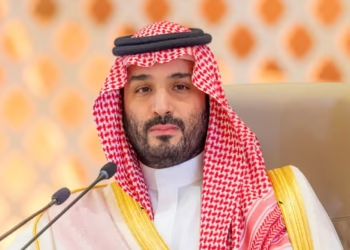 Saudi Arabia Urging US to Keep Up Iran Attacks
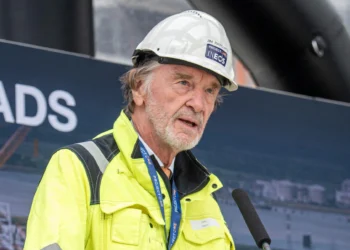 Jim Ratcliffe’s £3.5bn Chemical Plant Delayed with Parts Stranded in the Gulf
 Michel Rolland: The ‘Spielberg of Wine’ Who Directed the Global Palate
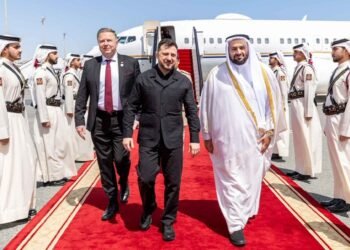 Zelensky Looks to Gulf to Protect Him from Putin
 Trump Threatens Iran With Total Infrastructure Destruction
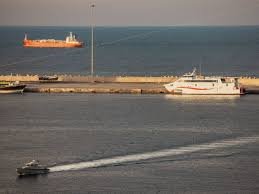 IMF Predicts Global Economic Crisis Due to Gulf Unrest
 ‘Better Off Not Planting’: UK Farmers Face 36% Fertiliser Spike as Gulf Crisis Bites
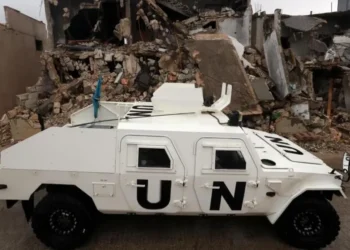 Tragedy in Lebanon: Two Indonesian UN Peacekeepers Killed in Border Explosion
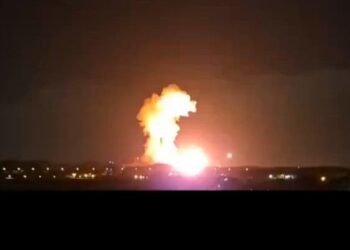 Chain of Fire: US Bunker Busters Strike Major Iranian Ammo Depot in Isfahan
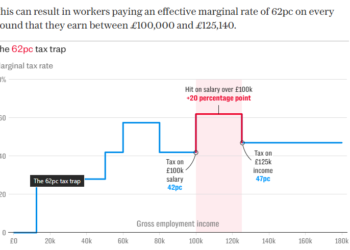 The ‘Career Ceiling’: One in Five High Earners Say £100k Tax Trap is ‘Ruining’ Their Ambition
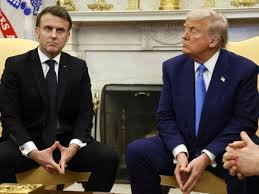 Trump Slams Europe as Transatlantic Tensions Boil Over
 ‘Targeting the Truth’: US Journalist Shelly Kittleson Abducted in Central Baghdad
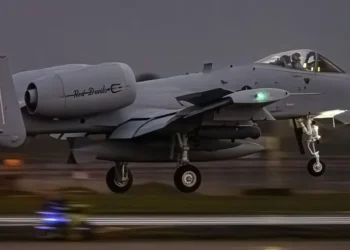 ‘The Warthog’s Stopover’: American Tank Busters Land at Lakenheath En Route to the Gulf
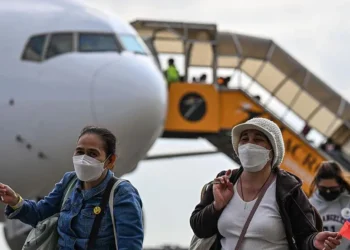 ‘The Cost of Living’: Asia’s Migrant Workers Debate if Gulf Jobs are Worth the Risk of War