Published: 4 April 2026. The English Chronicle Desk. The English Chronicle Online
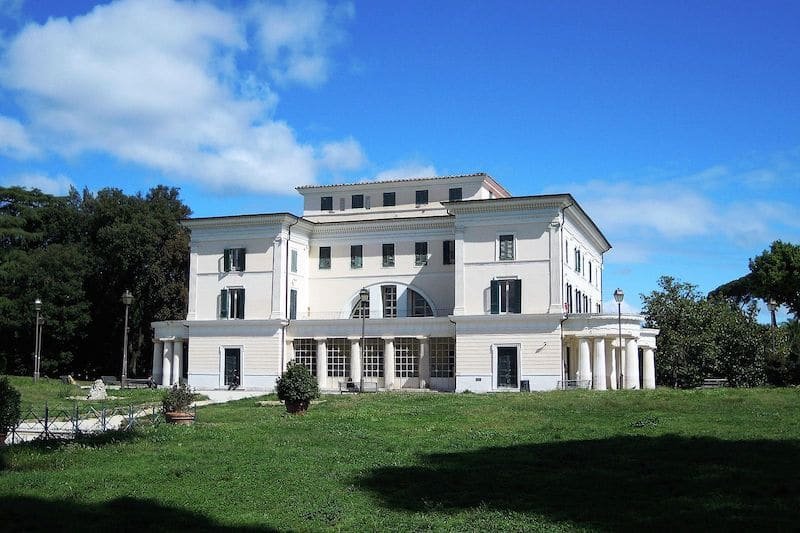
Riccione, a picturesque town on Italy’s Adriatic coast, has taken a decisive step to reclaim a controversial piece of its history by purchasing Villa Mussolini, the former summer retreat of the fascist dictator Benito Mussolini. The acquisition, completed through a public auction, was hailed by the town’s leftwing mayor, Daniela Angelini, as “an act of love and vision” and a victory for the entire community.
The villa, a striking property with a long and contentious history, was originally built in 1893 mere steps from the sea. Mussolini’s second wife, Rachele, purchased it in 1934, and the dictator frequently arrived via seaplane to use the estate for both leisure and government business. Over time, the Mussolini family expanded the villa to include a third floor, twenty rooms, and a tennis court.

Following the fall of the fascist regime in Italy after World War II, the property passed into public ownership. During the economic boom of the 1950s and 1960s, the villa hosted a variety of commercial enterprises, including a veterinary clinic and a restaurant. In the late 1970s, a communist mayor even sought to demolish the building, reflecting its controversial status within the town.
The villa remained largely abandoned until the late 1990s, when Rimini’s Cassa di Risparmio savings bank purchased and restored it. By 2005, Villa Mussolini had reopened as a public space for art exhibitions, cultural events, and even civil weddings. Yet, its historical associations continued to provoke debate, particularly when the foundation overseeing the property announced plans to auction it last year.
Riccione’s council successfully outbid a private buyer linked to the Italian Social Movement, a neofascist party founded by Mussolini’s supporters in 1946. Angelini emphasized that while the villa would retain the Mussolini name, it would be repurposed as a space to educate the public about history, celebrating democratic values while recounting “the good, the bad, and the ugly” of the 20th century. “Yes, the name evokes an ugly story, and that we will tell,” she said. “You cannot erase it; you must tell it in the right way, ensuring our democratic values emerge.”

The decision comes against a backdrop of Riccione and the Emilia-Romagna region’s predominantly leftwing political history. Notably, it was only in 2025 that the town officially revoked Mussolini’s honorary citizenship, a recognition he was forced upon Italian municipalities during the fascist era. Angelini remarked, “This is a man stained with crimes who did not deserve that honour. But the villa is another story – it will now serve as an expression of our community values and democracy.”
The villa’s future as a cultural and community hub underscores Riccione’s commitment to confronting history rather than allowing it to be co-opted by extremist nostalgia. Through exhibitions, public events, and educational initiatives, Villa Mussolini is set to become a symbol of civic pride and historical awareness, bridging the past with the values of modern Italian democracy.
Related News:
 EU weighs response amid Greenland tariff crisis with Trump
 EU Says US Ties Have Suffered ‘Big Blow’ After Greenland Crisis
 Hungary election: Orbán faces biggest test amid scandal
 Global order shifts amid Trump-era turmoil
 Ceasefire Standoff Deepens in Ukraine War
 France Faces Record Presidential Crowded Race Amid Far-Right Surge
 Norway Doubles Down on Oil and Gas for Europe Energy Security
 Putin Declares Russia Victory at Scaled Victory Day Parade
 Zelenskyy warns over Oreshnik threat as Kyiv hit
 Former ICC prosecutor condemns US sanctions
 Irish Gangland Figure Fails in Dublin Election Bid
 Deadly Russian Air Raids Strike Across Ukraine
 Le Pen to Run for President Despite Embezzlement Conviction
 BBC to Apologise Over Edited Trump Speech Amid Backlash
 Britain deploys RAF specialists to assist Belgium with drone threats
 US Justice Department Files Lawsuit Against California Over Partisan Voting Maps
 Greene Pushes Epstein Files Amid Trump Fallout
 Trump Deploys DHS to Charlotte in Major Arrest Operation
 December Run-Off in Chile as Election Produces No Winner
 Canada Passes Carney’s First Budget in Tight Parliamentary Vote
 Shadow Fleet at Sea: Europe’s Battle Against Illicit Oil Shipping
 Pentagon Officials in Ukraine to Discuss War End
 Venezuela Threatens Nobel Winner Machado with Fugitive Status
 Georgians Defy Government Crackdown After Year of Protests
 EU plans $105bn Ukraine aid using frozen Russian assets
 Global campaign launched to free Palestinian leader Barghouti
 Trump Policies Boost China’s Global Rise, Survey Finds
 Iran unrest slows under brutal crackdown and global tensions
 Pentagon Signals Reduced Role in Deterring North Korea
 Thousands Protest ICE Operations in Nationwide US Day of Action
 Starmer Condemns ‘Depraved’ Russian Strikes on Ukraine
 Herzog visit sparks protests across Australian cities
 UK and US Drop in Global Corruption Index Rankings
 Sydney Protest Escalates and Elderly Woman Suffers Severe Injury
 Tarique Rahman’s Rise Toward Bangladesh’s Top Job
 Canberra Poster Seizure Sparks Free Speech Row
 Evo Morales Returns After Mysterious Absence
 AFP Reviews Pauline Hanson Comments
 Duterte ICC Hearing Begins Amid Defiance
 Trump Tariffs Threat Spark UK and EU Alarm
 The Dangerous Rise of Remigration Across Modern Europe
 Trump’s Marathon Speech Fails to Mask a Growing National Disconnect
 Jacinda Ardern Moves To Australia Following Her US Fellowships
 US to offer passport services in West Bank settlements
 Jacinda Ardern Move Sparks Kiwi Reflection
 Nick Greiner Warns Over Election Review Fallout
 Iran Defiance Grows Amid US-Israel War Pressure
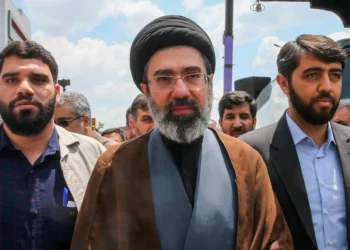 Injured Mojtaba Khamenei Elevated as Iran Leader
 Gordon Brown urges court for crimes against children
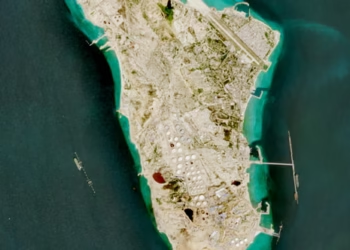 Oil Prices Jump After Trump Claims Iran Oil Hub Destroyed
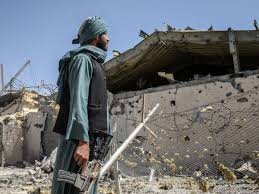 Pakistan Targets Militant Hideouts in Afghanistan
 Danish Election Deadlock Shakes Frederiksen’s Grip
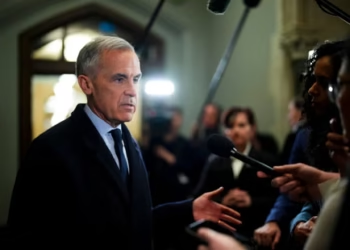 Air Canada CEO Faces Outcry Over Recent Language Misstep
 Trump to Visit China in May After Iran War Delay
 Pope Rebukes Leaders for War as Middle East Tensions Rise
 Trump to Deploy “God Squad” Over Gulf Wildlife Protections
 Army Probes Apache Flyover at Kid Rock’s Nashville Estate
 Relationship with Trump may be beyond repair, Starmer warned
 Report Says Pezzullo Acted ‘Recklessly’ in Dealings
 Trump Employs Nixon’s Madman Theory Amid Iran Crisis
 Trump Voices Frustration Over Nato Role in Iran Conflict
 Suspected Plot Targets Pipeline Before Hungary Vote
 Capitalism ‘Suicidal’, Warns Petro at Climate Summit
 Judge halts deportation of Yemeni refugees in US
 Trump approval plunges amid Iran war fears
 Ohio’s Battle for Trust: Democrats Vying to Flip the Buckeye State
 US ‘Narco Boat’ Strikes Draw Global Outcry
 Afghan Families Left in Limbo Face Risk of Deportation
 US Awaits Iran Reply on New Ceasefire Proposal
 Pope Meets Families in Italy Toxic Waste Zone
 Discontent grows around Putin amid war strain
 Starmer Leadership Under Pressure After Setbacks
 House Curbs Trump’s War Powers in Rare Rebellion
 Papal Visit Offers Political Lifeline to Spanish Premier
 Germany Summons Chinese Envoy Over Russian Troop Training
 New South Wales Premier Chris Minns Signals Tough Road Ahead for Labor
 Ukraine Creates Long-Range Strike Command
 Le Pen’s Popularity Holds Despite Conviction
 Houthis Strike Saudi Arabia as Middle East Tensions Rise
 Wildfires Force Mass Evacuations in France And Spain