Published: April 7, 2026. The English Chronicle Desk.
The English Chronicle Online — Analyzing the intersections of global energy and emerging markets.
India’s trajectory as the world’s fastest-growing major economy is facing a critical stress test as geopolitical volatility in the Middle East sends shockwaves through global energy markets. For a nation that relies on imports for nearly 89% of its crude oil requirements, the recent escalation in the Persian Gulf has transformed from a distant diplomatic concern into a direct threat to domestic price stability and fiscal health. With Brent crude prices surging past $110 per barrel in early April 2026, economists are warning that the “Goldilocks” phase of high growth and manageable inflation may be coming to an abrupt end.

The primary driver of this economic anxiety is the closure of key shipping lanes, most notably the Strait of Hormuz. Recent military posturing has effectively throttled the passage through which more than 25% of global petroleum liquids flow. For India, the impact is visceral; over half of its crude oil and nearly all of its Liquified Petroleum Gas (LPG) imports traditionally navigate this chokepoint. While the government has aggressively diversified its energy portfolio by pivoting toward Russian, American, and Venezuelan crude over the last two years, the sheer scale of the Middle East disruption has evaporated the “logistical buffers” that previously protected Indian refiners.
The macroeconomic consequences are already manifesting in the form of a widening Current Account Deficit (CAD). Financial analysts at Goldman Sachs and SBI Research have noted that every $10 increase in the price of a barrel of oil adds approximately $17 billion to India’s annual import bill. This massive outflow of capital has put the Indian Rupee under significant pressure, with the currency slipping to record lows against the US Dollar this month. A weaker rupee further exacerbates the problem, as it increases the cost of all dollar-denominated imports, creating a vicious cycle of “imported inflation” that hits everything from transportation to the manufacturing of consumer electronics.
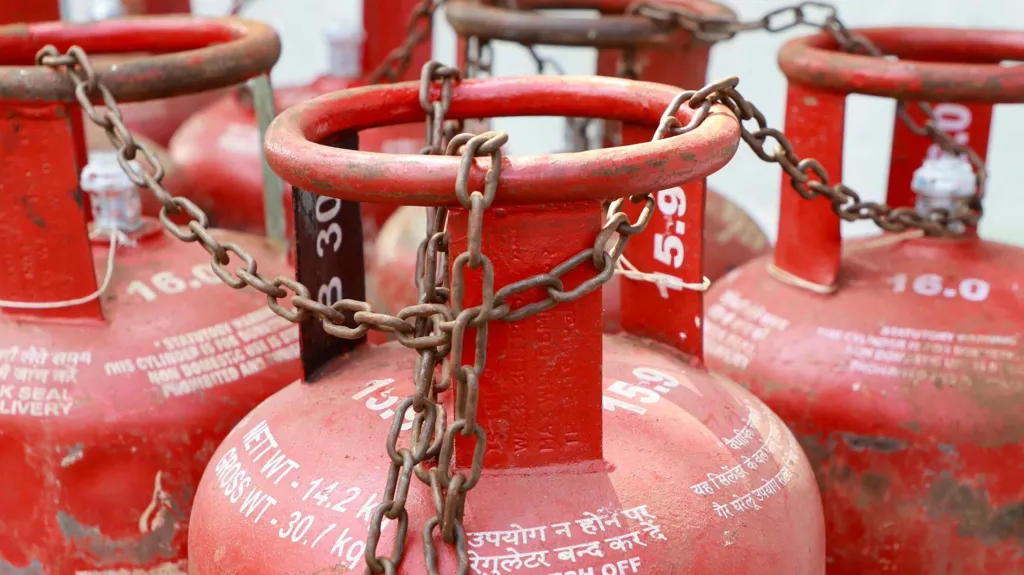
On the ground, the “oil shock” is being felt at fuel stations and kitchen tables. While retail petrol and diesel prices are technically deregulated, the government often leans on state-run oil marketing companies to absorb costs to prevent public outcry. However, the sheer magnitude of the current price surge has forced a partial pass-through to consumers. Domestic gas cylinders have seen sharp price hikes, and logistics firms are already adding “fuel surcharges” to freight deliveries. This rise in transport costs is particularly dangerous for India’s food security, as it threatens to drive up the price of essential perishables just as the summer season begins.

In response to the deteriorating external environment, several global investment banks have slashed India’s GDP growth forecast for the 2026-27 fiscal year. Projections that previously sat at a robust 7% have been dialed back to 5.9%, reflecting the belief that sustained high energy costs will dampen private consumption and force the Reserve Bank of India to hike interest rates. As the government navigates this narrow corridor between supporting growth and controlling a widening fiscal deficit, the coming months will determine if India’s economic resilience can withstand a prolonged energy crisis in the world’s most volatile oil-producing region.
Related News:
 Gulf Oil Shock Sends Global Economic Ripples
 Energy Firms Keep Fuel Price Hike ‘Under Scrutiny’
 G7 to Hold Emergency Oil Talks as Markets Plunge
 Reeves Faces Triple Threat as Markets Reel From Global Turmoil
 Cost of Living Crisis Returns to Centre Stage
 Iran Rejects Ceasefire, Warns Trump With Chilling Message
 Labour Plans Nuclear Investment Summit Days After Holyrood Election
 US Launches Probe into Trading Partners Including EU, China, and India
 UK Fuel Tax Hike Plan to Be Kept Under Review Over Iran Conflict
 Oil Price Jumps Despite Deal to Release Record Amount of Reserves
 Sri Lanka Sets Weekly Shutdown to Save Fuel
 Gas on the Line: Will the Iran War Squeeze India’s Piped Gas Next?
 British Businesses Braced as National Living Wage Hits £12.71 Published: 1 April 2026
 Modi’s London Visit Seals Historic UK-India Trade Pact Amid Global Tensions
 David Lammy Faces Possible Legal Challenge Over Foreign Office Secondment Scheme
 Chancellor Rachel Reeves Pushes for Sweeping Changes to Environmental Protections to Accelerate Development
 Starmer Urged to Champion Workers’ Rights Amid Low Public Awareness
 King Charles Earns Over £1 Million from Duchy Land Linked to Scrapped HS2 Project
 Senior Tories Condemn Badenoch’s Vow to Repeal Climate Change Act as Catastrophic
 Kemi Badenoch Unveils ‘Golden Rule’ to Halve Spending Cuts for Deficit Reduction at Tory Conference
 Lucy Powell urged ministers to reconsider costly legal case for Labour donor’s firm
 Rachel Reeves to lead UK trade push in Saudi Arabia amid rights debate
 Trump’s UK Ambassador Urges North Sea Drilling to Strengthen US Ties
 Rachel Reeves Set to Break Labour Pledge and Raise Income Tax
 MPs Press Rachel Reeves to Hike Gambling Taxes
 Millionaires group urge Reeves to introduce wealth tax to ‘lift kids out of poverty’
 Canada Passes Carney’s First Budget in Tight Parliamentary Vote
 PM Highlights UK Business at G20 in South Africa
 India’s Labour Law Overhaul Sparks Fierce Debate
 Starmer Says Labour’s Economic Plan Needs Years to Deliver
 Starmer links foreign trips to tackling cost of living crisis
 China Dependence Threatens UK Energy Supply Chains and Jobs
 MPs warn AI financial risks threaten UK stability
 MPs warn AI financial risks threaten UK stability
 Labour Must Revive High Streets to Avoid Election Collapse
 UK food industry urges transition if post-Brexit rules reset
 AstraZeneca China Investment Signals Strategic Shift Abroad
 Barclays drops Global Counsel after Mandelson link scrutiny
 Could Manchester Lead the UK’s Economic Revival?
 Robert Jenrick to Be Unveiled as Reform UK’s Treasury Spokesman, Reports Say
 Reform Plans to Keep UK’s Budget Watchdog in Office
 Jenrick: I’ll Back OBR but There’ll Be No More Cosy Consensus
 Another U-turn Ahead as Labour Reconsiders Youth Minimum Wage
 Live Markets Bet on Spring Rate Cut as Inflation Falls
 City Bets on Rate Cuts as Unemployment Soars
 Sanders Condemns Billionaire ‘Greed’ in California Tax Debate
 Tim Wilson Backs RBA Dual Mandate Amid Inflation Debate
 UK Sees Record £30.4bn Budget Surplus, Boosting Reeves’ Position
 Uncertainties Loom for Businesses and Consumers After Trump’s Tariff Changes
 Canada Eyes Trade Talks After US Supreme Court Tosses Trump Tariffs
 What Now for Asia After Trump’s Tariffs Were Struck Down?
 Ministers Urged to Ban Crypto Political Donations
 Reeves Must Back Defence Plan or Face Dismissal, Says Unite Chief
 Labour’s Employment Shake‑Up ‘Makes Britain Worse Than France’
 China Sets Lowest Economic Growth Target Since 1991
 Venezuela and US to Work Together on Mining Developments, Rodríguez Says
 Could Trump Threaten London’s £50bn Insurance Giant?
 Nissan Sunderland Plant Faces Uncertain Future Under EU Rules
 Iran War Raises Questions Over China’s Global Plan
 US Says 16 Iranian Mine Ships Destroyed in Hormuz
 Iran War Costs to Be Passed to Consumers, Shipping Boss Warns
 ‘Chippies Will Die Unless We Eat Cheaper Fish’
 ‘Heating Oil Suppliers Are Holding Us to Ransom’ as Prices and Cancellations Surge
 Close Brothers to Axe 600 Jobs in £85m Cuts
 Philippines energy emergency sparks coal power surge
 UK Forecast to See Biggest Growth Hit from Iran War
 Badenoch Demands Energy Tax Cuts Over ‘Benefit Street’ Bailouts
 Tories Urge Three-Year VAT Scrap on Energy Bills to Combat Price Spike
 Starmer Launches Labour Local Election Campaign Under Shadow of ‘Bloodbath’ Predictions
 Zelensky Looks to Gulf to Protect Him from Putin
 Iran Strikes Kuwaiti Desalination Plant, Killing Worker as ‘Water War’ Escalates
 The 8 Million Dilemma: Why Britain’s Disability Safety Net is Facing a ‘2026 Reckoning’
 The ‘Peterborough Windfall’: Council Calculator Finds £84,800 in Unclaimed Support
 Can Congress Stop US Sports Teams From Moving Cities?
 The “Citrus” Shift: Marmalade to be Legally Rebranded in Post-Brexit Food Realignment
 Fuel Duty Relief Plea Amid Middle East Oil Crisis
 Hungary Claims Plot to Target Gas Pipeline Pre-Vote
 Tax Shift Hits UK Farms: New Inheritance Rules Begin
 Oil and Diplomacy: Russian Refineries Burn as Zelenskyy Secures Middle East Shield
 “A Perfect Storm”: UK Small Businesses Face Doubling Energy Bills as Iran War Rattles Markets