Published: April 7, 2026. The English Chronicle Desk.
The English Chronicle Online — Investigating the strain on the NHS and the future of healthcare.
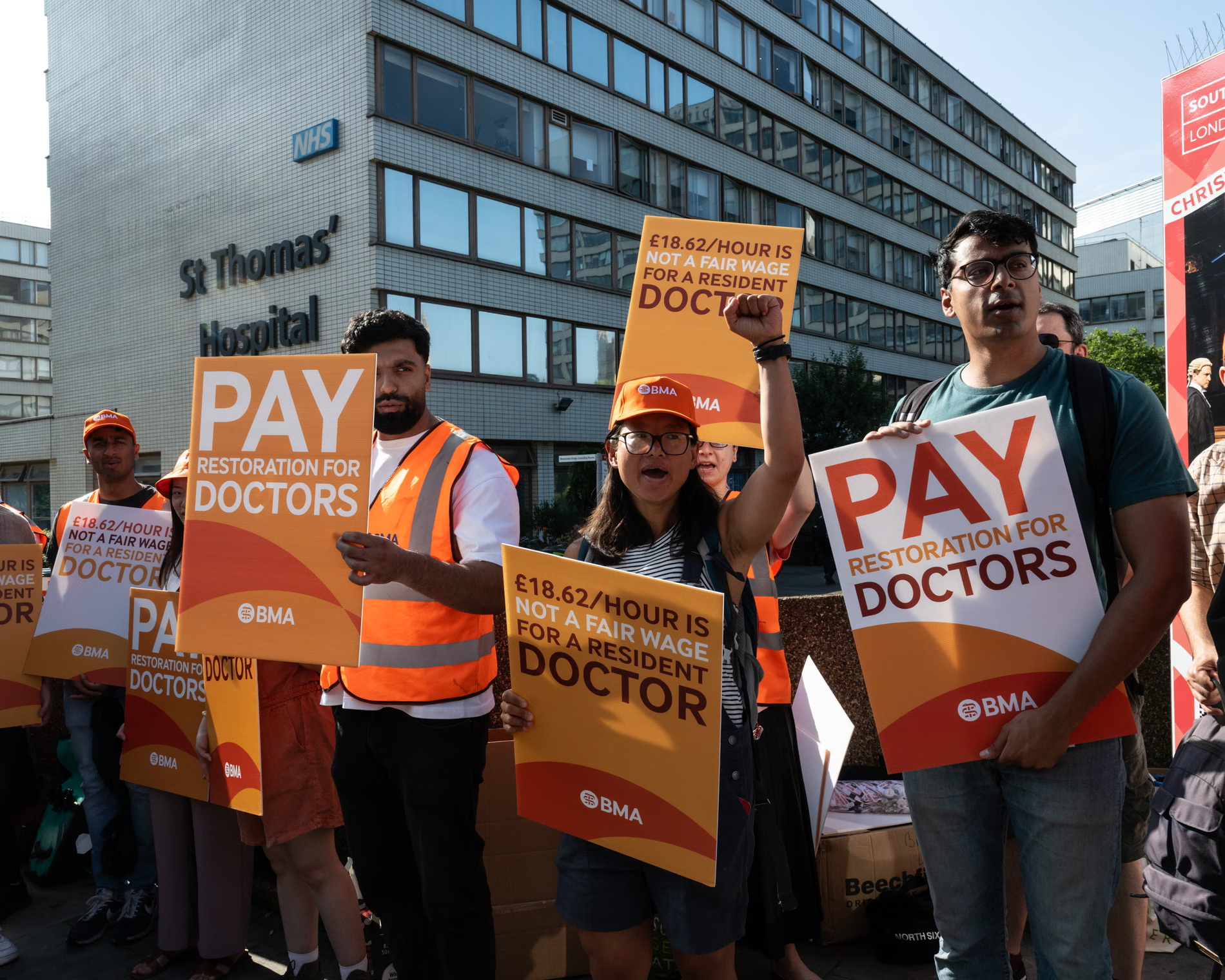
Health Secretary Wes Streeting has issued a blistering rebuke to the British Medical Association (BMA), accusing resident doctors of “torpedoing” their own financial and professional futures as a massive six-day strike begins across England. Speaking as tens of thousands of medics—formerly known as junior doctors—downed stethoscopes at 7:00 a.m. on Tuesday, April 7, Streeting warned that by rejecting the government’s “landmark” offer, the union has effectively scuppered immediate pay rises and the creation of 1,000 vital specialty training posts that were due to open this month.

The collapse of negotiations has plunged the NHS into its 15th round of industrial action since 2023, a walkout that officials estimate will cost the health service over £300 million this week alone. Streeting revealed that the rejected deal would have delivered an average pay rise of 4.9% this year, with the lowest-paid doctors seeing a boost of up to 7.1%. When combined with previous awards, the Secretary argued that resident doctors would have been 35.2% better off than they were four years ago. “They cannot reject the deal and then claim the benefits,” Streeting told reporters, confirming that the offer of 1,000 additional training spots has been formally withdrawn because it is no longer “financially or operationally possible” amid the strike fallout.
The BMA, however, paints a starkly different picture of the eleventh-hour breakdown. Dr. Jack Fletcher, chairman of the BMA’s resident doctors committee, accused the government of “quietly watering down” the deal in the final stages of talks. The union claims that ministers “shifted the goalposts” by spreading proposed pay increases over three years instead of two and reduced the total funding on the table. The BMA continues to pursue “full pay restoration”—a 26% increase to catch up with 15 years of inflation—and argues that the government is using the next generation of consultants as “bargaining chips” rather than addressing the core issues of retention and morale.
The impact on patients is expected to be severe, coming immediately after the long Easter bank holiday weekend when staffing levels were already stretched. NHS England has warned that thousands of operations and appointments will be cancelled, though urgent and emergency care services remain open. In some regions, the disruption is already visible; Gloucestershire’s hospitals have temporarily closed the Cheltenham General A&E unit to centralize emergency staff at other sites. Health leaders have pleaded with the public to attend scheduled appointments unless contacted, but they admit that the “shorter notice period” for this strike has made contingency planning exceptionally difficult.

As the six-day stoppage continues until next Monday morning, the rift between the Department of Health and the BMA appears wider than ever. Streeting has signaled a shift to a harder line, stating he will not allow “needless strike action” to derail the recovery of NHS waiting times. With over £3 billion already spent on managing industrial action over the last three years, the “war of attrition” between the state and its frontline physicians shows no sign of cooling. For the thousands of resident doctors on the picket lines, the fight remains about the long-term value of their profession, but for the millions on waiting lists, the “torpedoing” of a deal represents another set of delayed hopes.
Related News:
 Norfolk Hospital Ranked Worst in England as NHS League Tables Return
 Ed Davey Urges UK to Attract US Cancer Scientists Amid Funding Cuts Under Trump
 Labour Announces Pay Boost and New Negotiating Body to Address England’s Care Sector Crisis
 NHS Staff Strike Over £30m Pay Discrimination Claim
 UK Health Leaders Push for Urgent Tobacco & Vape Bill
 Celebrities and Charities Demand UK Government Act on Child Poverty
 Lancashire council plans to close care homes and day centres
 Reeves rejects £1bn plea for NHS redundancy payouts
 Boris Johnson Oversaw Toxic No 10 Culture, Covid Inquiry Finds
 Welsh Government Christmas 2020 Lockdown Criticised
 “Enough is Enough”: Local MP Vows to Fight Rainham Quarry Plans
 Reform UK Health Plan ‘Would Cost £1.7bn’, Streeting Says
 US Healthcare Needs Fixing, But There’s No Agreement on How to Do It
 NHS Negligence Ruling Raises Payout Costs
 Assisted Dying on Welsh NHS a Step Closer as Senedd Votes in Favour
 NHS Maternity Units Cover Up Harmful Childbirth Errors
 Ex‑MP Jonathan Ashworth Recovering After Stroke
 Streeting Criticises SNP Over NHS App Dispute
 SNP Health Secretary Criticised Over NHS Failures Locally
 Scotland Combines Alcohol and Drug Strategy to Cut Addiction Deaths
 NHS Plans to Cut Overseas Workers Labeled Overambitious
 Safety Alarms as City Hospital Emergency Services Downgraded
 ‘My Daughter is Under the Rubble’: The Human Cost of the Tehran Strikes
 NHS to Mandate ‘Advice and Guidance’ as Referral Rationing Row Deepens
 Six-Day Strike Confirmed as BMA Rejects “Training and Jobs” Package
 NHS Staff Shortages Stifling Recovery for Stroke Survivors
 Unions Raise Concerns Over Doctors’ Pay Dispute
 UK Must Act with Courage and Clarity on Israel-Palestine Conflict, Says Foreign Affairs Committee Report
 The Ketamine Crisis in the UK is a Silent Epidemic Leaving Users with Lifelong Pain
 Radioactive Leak at UK’s Nuclear Warhead Base Sparks Outcry Over Safety and Secrecy
 Is the UK Ready to Put Boots on the Ground in Ukraine? Assessing Military Capacity and Challenges
 Police Scotland Spends £500,000 Compensating Officers Over Trump Visit
 Urgent Action Needed on Windrush Compensation as Survivors Speak of “Waiting to Die”
 Tanni Grey-Thompson Faces Abuse Over Opposition to Assisted Dying Bill
 TfL Invites RMT to Resume Talks as London Tube Strikes End
 Systemic Racism in Maternity Care Continues to Endanger Black Women in England, MPs Warn
 Nigel Farage Unveils Controversial Immigration and Welfare Plans at Reform UK Press Conference
 Kemi Badenoch Unveils ‘Golden Rule’ to Halve Spending Cuts for Deficit Reduction at Tory Conference
 UK border officers deployed to Balkans to tackle migrant smuggling
 UK MPs warn of repeat riots over online misinformation
 M&S and Morrisons Lead Christmas Supermarket Taste Test
 New Prostate Cancer Drug Set to Halve Death Risk in England
 Army Barracks to House Migrants as Hotels Phase Out
 Trump’s UK Ambassador Urges North Sea Drilling to Strengthen US Ties
 Patients to Test Health at Home to Ease NHS Winter Pressure
 Millionaires group urge Reeves to introduce wealth tax to ‘lift kids out of poverty’
 PM Condemns Leaks, Vows Loyalty to Ministers and Stability
 Major Rent Reform Ends No-Fault Evictions in England
 Stroke Patient Mistaken for Drunk, Care Delayed
 Five-Year-Old Dies After Rare Tonsil Surgery Complication
 Starmer Says Labour’s Economic Plan Needs Years to Deliver
 England delays four mayoral elections amid criticism
 Children to Receive Home Vaccines as England Acts
 Celebrity Campaign Highlights SMA Screening Failures
 UK Ministers Drop Foreign Student Targets for Global Education Push
 No Gas Boiler Ban as UK Warm Homes Plan Backs Heat Pumps
 Shinzo Abe’s killer receives life sentence in Japan
 Police response times face strict new national limits
 Pneumonia Surge Pushes England Emergency Cases Higher
 Could Manchester Lead the UK’s Economic Revival?
 Starmer Weighs Fast-Tracking Defence Boost
 Farage to Name Jenrick as Reform Chancellor Pick
 Civil Service Pay: Union Urges Ministers to End ‘Barking Mad’ Limits
 Antonia Romeo appointment sparks criticism
 Australian PM Says Former Prince Andrew Has Suffered ‘Extraordinary Fall’ but That Won’t Prompt Republic Referendum
 Half of Britons Avoid GP When Ill, Survey Reveals Growing Concern
 Russian Trade Routed Through British Islands Exposed
 Police Scotland Pays £8m Compensation to Staff
 Minister Meets Crews Who Will ‘Take Out’ Iranian Drones
 Thousands Protest Iran Strikes Outside US Embassy London
 UK Oil and Gas Supplies Reassured Amid Middle East Concerns
 Father Dies by Suicide Weeks After Wedding in Clitheroe
 ‘We can’t go back’: mother of six-year-old cancer survivor fears UK visa changes
 Tommy and Gail Sheridan to Stand for New Political Party After Alba Demise
 Charity Watchdog Takes Control of Learning Disability Care Home
 NHS Satisfaction Rises for First Time Since 2019
 UK Forces Ready to Seize Russian Shadow Fleet Vessels
 US Lawmaker Demands Testimony Over Sarah Ferguson’s ‘Close Epstein Ties’
 ‘Zoom Dysmorphia’ Explosion: BDD Patients Quadruple in Post-Pandemic UK
 The 8 Million Dilemma: Why Britain’s Disability Safety Net is Facing a ‘2026 Reckoning’