Published: 07 April 2026. The English Chronicle Desk. The English Chronicle Online.
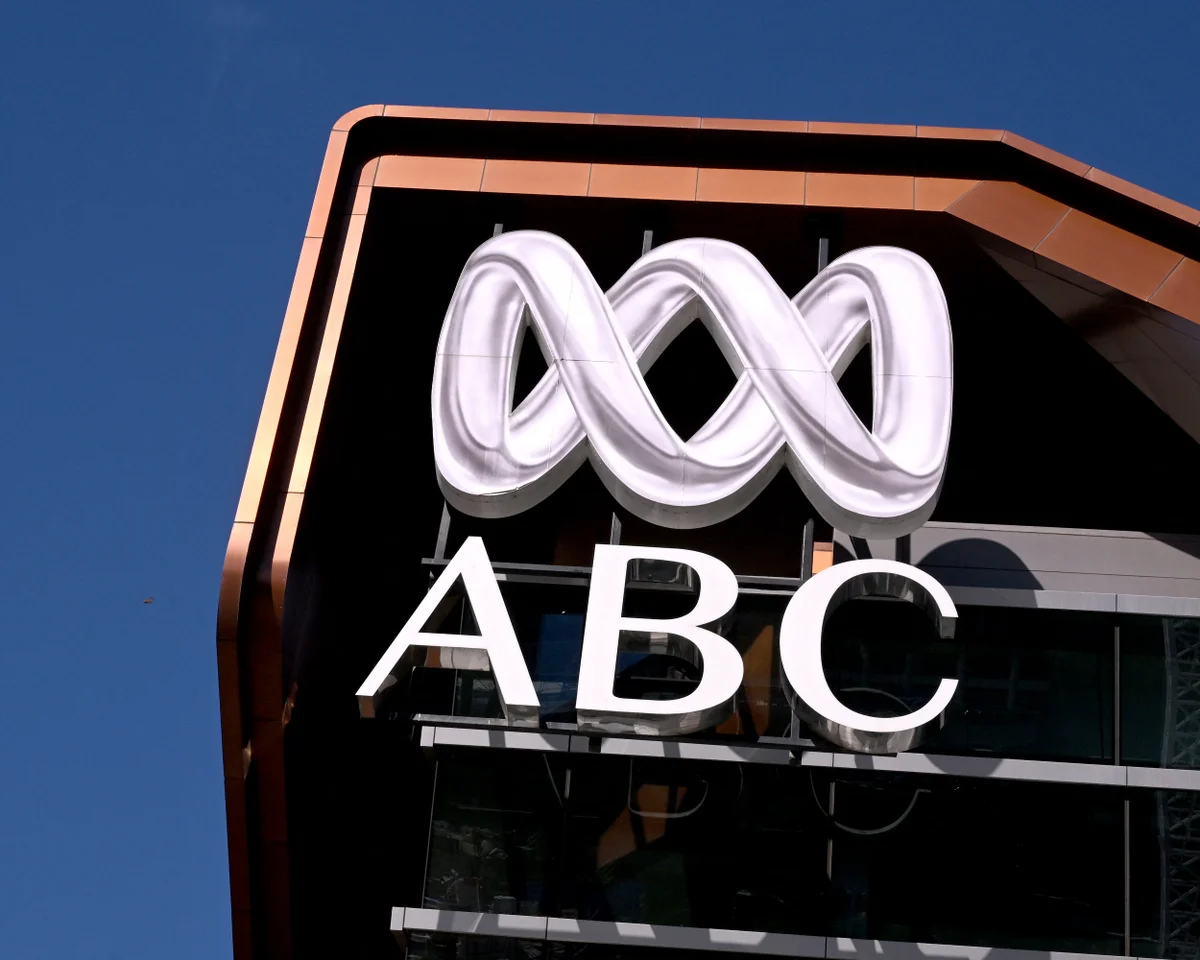
The Australian Broadcasting Corporation has officially terminated its long-standing partnerships with several prominent diversity groups. This major strategic shift follows intense public scrutiny regarding the national broadcaster’s editorial neutrality. Managing Director Hugh Marks announced the decision via an internal newsletter distributed to all staff. The move specifically targets the ABC’s involvement with Acon Health’s controversial Pride in Diversity program. Relationships with the Australian Disability Network and the Diversity Council of Australia will also end. This decision marks a significant change in direction since Marks took office last March. The broadcaster faced years of external pressure regarding its financial ties to various lobby groups. Many critics argued that paying for diversity rankings compromised the ABC’s core independent mission. Internal friction regarding these memberships has also been a persistent issue for the management. Senate estimates sessions frequently involved heated questioning about the true value of these specific schemes. The ABC initially joined these programs to foster a more inclusive and welcoming workplace culture. However, the perception of bias eventually began to overshadow the intended internal benefits of membership.

A comprehensive top-down assessment concluded that these external partnerships provided insufficient value to the organisation. Management decided that maintaining high standards of independence required a total review of existing sponsorships. An official spokesperson confirmed that the ABC remains deeply committed to its fundamental impartial principles. Funding previously allocated to these external groups will now support new internal inclusion initiatives instead. This ensures that diversity goals are met without relying on external advocacy group validation models. The broadcaster did not directly address whether the partnerships created a confirmed perception of bias. Nevertheless, the financial cost of these memberships was a recurring point of public contention. Estimates suggest the ABC paid at least twelve thousand dollars annually to the Acon group. Concerns about these financial arrangements first surfaced during a Media Watch segment in late 2022. Host Paul Barry famously questioned the ethics of a news organisation paying for social awards. He compared the situation to a broadcaster paying environmental groups while reporting on energy sectors. This comparison resonated strongly with viewers who value the ABC’s reputation for objective news coverage.
The previous administration under David Anderson had enthusiastically embraced the Acon Australian Workplace Equality Index. Anderson even accepted a gold award on behalf of the broadcaster at a public ceremony. Under this specific scheme, the ABC earned points for producing certain types of editorial content. Programs like the trans-themed series First Day contributed directly to the broadcaster’s overall diversity ranking. Documents obtained through freedom of information laws revealed even deeper levels of external editorial influence. These records suggested that Acon relationship managers offered specific tips to help journalists improve scores. In one instance, a journalist reportedly sought advice on defining the word family from lobbyists. Such interactions led to accusations that external groups were shaping the national broadcaster’s linguistic choices. Critics argued that journalists should rely on internal style guides rather than advocacy group suggestions. These revelations fueled a growing movement demanding more transparency from the taxpayer-funded media giant. The controversy eventually reached a boiling point during several high-profile parliamentary inquiries in recent years. Coalition senators used these sessions to grill executives about the impact of benchmarking on news.
The ABC also faced significant criticism for its coverage of sensitive and complex gender issues. Some reports suggested that the broadcaster failed to provide a balanced view on medical treatments. Specifically, critics pointed to limited reporting on the closure of the UK’s Tavistock gender clinic. The high-profile court case involving detransitioner Keira Bell also received what many called cursory coverage. Former chair Ita Buttrose eventually admitted to serious editorial lapses regarding transgender women in sport. These admissions suggested that the push for diversity points might have influenced critical editorial judgment. The formal exit from these programs allows the ABC to distance itself from political friction. By cutting ties, Hugh Marks is asserting that editorial decisions remain entirely free from advocacy. This strategy mirrors a similar move made by the BBC back in late 2021. The British broadcaster famously withdrew from the Stonewall diversity program to safeguard its neutral reputation. Both organisations found that external benchmarking created more reputational risks than actual cultural benefits. The Australian public generally expects its national broadcaster to remain above the fray of activism.

The decision to redirect funds internally suggests a more self-reliant approach to workplace culture. Management believes that inclusion can be achieved without the oversight of external ranking systems. This shift reflects a broader global trend where large institutions are reassessing their corporate partnerships. Many companies are moving away from public-facing activism to focus on their core business goals. For the ABC, that core goal is providing balanced and reliable news to all Australians. The removal of these partnerships simplifies the broadcaster’s defense during future senate estimates hearings. It also signals to the staff that editorial integrity is the highest priority moving forward. While diversity remains a key value, it will no longer be measured by outside lobbyists. The Australian Disability Network and the Diversity Council of Australia have yet to comment officially. Their loss of a high-profile partner like the ABC may impact their broader industry standing. However, the broadcaster is prioritising its role as a trusted and independent source of information. This reset is seen by many as a necessary step for restoring public confidence.
The public reaction to the announcement has been mixed across various social media platforms today. Supporters of the move argue that it restores the ABC’s mandate for absolute editorial impartiality. They believe that a national broadcaster should never be seen as an advocate for causes. Conversely, some diversity advocates worry that the move might signal a retreat from inclusive values. The ABC spokesperson was quick to clarify that internal support for staff will not diminish. The focus is simply changing from external validation to genuine and practical internal progress. This transition period will be closely monitored by both the public and the political class. The success of the reset depends on the ABC’s ability to maintain high standards. Hugh Marks seems determined to lead the broadcaster into a more stable and neutral era. By addressing the perception of bias, he aims to protect the organisation’s long-term future. The English Chronicle will continue to follow this story as more details emerge today. This decision marks a pivotal moment in the history of Australian public service broadcasting. Independence remains the cornerstone of the ABC’s relationship with its wide and diverse audience.
Related News:
 George Clooney and Amal Clooney Receive French Citizenship
 Capitol Attack Anniversary Sparks Deep Political Divide
 Saudi Officials Report Zubaidi Flee Before Yemen Peace Talks
 UK Targets in New York Bomb Threat Hoax: Man Jailed
 Gambia Supreme Court Hears Case to Overturn FGM Ban
 Trump targets Iran trade with 25% tariff warning
 Rudd successor: Defence chief and former ministers considered
 US Senate rejects resolution limiting Trump military powers
 Venezuela regime claims release of political prisoners signals new era
 Gulf states warn Trump Iran strikes risk wider Middle East war
 Machado Trump medal gesture reshapes Venezuela power struggle
 Greenland defence seen as shared Nato duty amid troop arrivals
 Geopolitical football: Iran, Trump and the World Cup clash
 Canada-China trade gains momentum in new strategic partnership
 Trump Receives Machado’s Nobel Medal in White House Meeting
 Syria President Declares Victory as Ceasefire Reached with SDF
 US Considers Asylum for British Jews Amid Rising Antisemitism
 Trump slams UK ‘stupidity’ over Chagos Islands, eyes Greenland takeover
 More Than 100 Islamic State Inmates Escape Amid Syrian Clashes
 Trump Tightens Grip on EU and UK Energy Supply
 Shinzo Abe’s killer receives life sentence in Japan
 China General Under Investigation Amid Leadership Purge
 Philippines ferry disaster leaves 15 dead, dozens missing
 Turnbull urges Albanese to confront Trump’s global ‘bully’ politics
 Crisis Looms as Liberals Debate Sussan Ley Future
 Cambridge Faces Scrutiny Over Arms Investment Transparency
 Files Link Andrew to Epstein Dinner After Prison Release
 Epstein UAE Emails Shake British Royal Andrew’s Legacy
 Minnesota Nurse Saves Refugees, Witnesses Tragedy Decades Later
 Christchurch gunman seeks to vacate guilty plea
 Liberal Fallout: Taylor Challenge Casts Shadow Over Sussan Ley’s Leadership
 Infantino Faces Russia Threat and Trump Concerns at Uefa Congress
 Concerns rise for Canberra boy amid Iran detention fears
 Ukraine, Russia Meet in Geneva Ahead of War Anniversary
 Sydney Businessman Falsely Claimed Security Advice Came From Kevin Rudd
 Caribbean Leaders Urge Dialogue Amid US Oil Embargo on Cuba
 Anthony Albanese Must Uphold Rights for All Australians
 Tommy Robinson Meets Trump Officials at US State Department
 DHS Probe Into Border Official Sparks National Debate
 Caffè Nero Warns Coffee Prices May Rise Again
 Ukraine Sends Drone Experts to Defend US Bases in Jordan
 New Zealand Covid Response Praised Despite Lingering Scars
 HMS Dragon to Head to Cyprus Amid Rising Tensions
 Abramovich Chelsea Sale Cash Faces Jersey Probe
 Yvette Cooper: UK Must Follow Principles, Not US Pressure
 US Strike on IRIS Dena Strains Strategic Indian Security Ties
 Slovenia Election: A Nation at a Crossroads
 Jury Rules Meta and YouTube Liable for Addictive Design
 African World Cup Fans Face $15,000 Entry Bond Fee
 Saudi Arabia Urging US to Keep Up Iran Attacks
 Trump Softens Cuba Oil Stance as Russian Tanker Nears
 Health & Social Affairs | International Development
 Police Seek Immunity in Indigenous Custody Death Case
 The Woman Guarding Earth From the Threat of Asteroids
 IMF Predicts Global Economic Crisis Due to Gulf Unrest
 Spain Shuts Airspace to US Military Over Iran Conflict
 Washington Enlists Musk to Battle Global Hostility Online
 California Defies Trump With Strict New AI Standards
 Germany Grapples With AI Abuse Following TV Star Scandal
 Florida Space Coast Awaits Historic Artemis Moon Launch
 Exiled Tycoon Warns of New Russian Attacks on UK Soil
 Labor Under Fire Over Stalled University Fee Reform
 LA 2028: Millions of Affordable Olympic Tickets Announced
 Trump Slams Europe as Transatlantic Tensions Boil Over
 Inside the Deceptive Machine: A Former Producer Speaks Out
 Italy Faces Third Successive World Cup Absence After Loss
 Turkey End Kosovo Dreams to Secure World Cup Return
 Starmer Urges Ambitious EU Ties Amid Middle East Conflict
 Spain Faces Backlash Over Xenophobic Chants in Egypt Draw
 A Global Voice For Justice: Stephen Lewis Dies At Age 88
 Trump Issues Stark Warning After Strike On Iran’s Largest Bridge
 Macron Urges Stability as Trump Jolts Nato and Iran
 Macron Rebukes Trump Following Mockery of His Marriage
 Canadian Mother and Daughter Released From ICE Detention
 Hope and Fear as Iranians Flee Across the Turkish Border
 Trump Mocks Starmer and UK Carriers in White House Speech
 Tragic End to Outback Search as Floods Claim a Life
 Michigan Battleground: Middle East Crisis Stirs US Senate Race
 Ben Roberts-Smith Arrested Over Alleged War Crimes
 Reform UK Pledges To Halt Visas Over Reparations Demands