Published: April 7, 2026. The English Chronicle Desk.
The English Chronicle Online — Unmasking the global power structures behind the climate crisis.
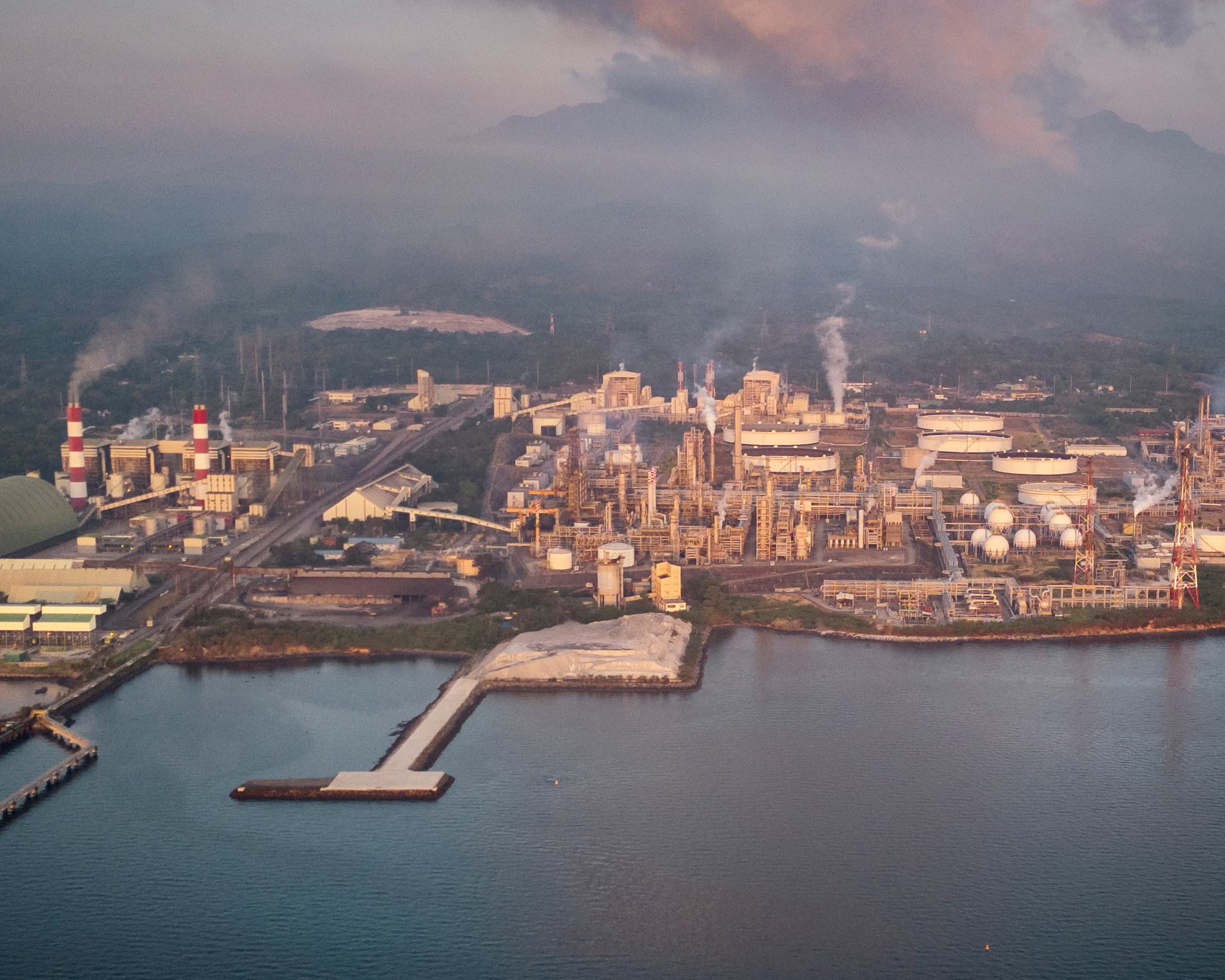
As the conflict in the Middle East enters its second month, the “Strait of Hormuz shock” has done more than just spike global inflation—it has exposed the terrifying fragility of a world still tethered to 19th-century fuels. While millions of households face a “heat-or-eat” crisis and national economies teeter on the edge of technical recession, the war has become a source of unprecedented wealth for the world’s biggest carbon emitters. From the coal mines of Indonesia to the shale fields of the United States and the Kremlin’s sanctioned oil taps, the very entities driving the climate crisis are reaping the rewards of a global energy system under siege.

The numbers are as stark as they are unsettling. Following the effective closure of the Strait of Hormuz on March 4, Brent Crude surged past $120 per barrel, creating a vacuum that has been filled by non-OPEC+ producers and “dirty” energy alternatives. In Asia, where countries depend on the Gulf for up to 80% of their energy, the shortage has triggered a desperate U-turn toward coal. Japan and South Korea have lifted utilization limits on coal-fired plants, while India and China have ramped up domestic production to compensate for the 140% spike in LNG prices. For coal exporters like Australia and Indonesia, the war has transformed a fuel once marked for “phase-down” into a highly profitable geopolitical lifeline.
The Profit of Paralysis
Climate advocates have been quick to point out the dark irony: the Iran war is financing the same fossil fuel expansion that accelerates the climate catastrophe. Russia, despite its diplomatic isolation, reportedly earned €6 billion (£5 billion) in fossil fuel sales in just the last fortnight as European and Asian buyers scramble for alternative supplies. Meanwhile, the United States has seen its LNG exports to the EU surge, with analysts estimating that the Union could pay an additional €38 billion to the U.S. in 2026 alone to offset the loss of Qatari and Russian gas.
“The Iran war is exposing the deadly consequences of global dependence,” stated Anne Jellema, Executive Director of 350.org. “Coal and oil producers are making massive windfall profits while governments delay the clean energy transition. It is a transfer of wealth from the suffering public to the planet’s biggest polluters.”
The conflict has forced a binary choice upon global leaders: do they seek “fossil insurance” by building new pipelines and terminals, or do they treat the energy shock as the ultimate strategic rationale for a “Renewable Marshall Plan”? In Japan, the crisis has already re-ignited a fierce debate over the reopening of the nation’s nuclear fleet as a “carbon-free” way to reduce dependence on the Strait of Hormuz. In the UK and Europe, the Climate Change Committee has warned that the financial impact of achieving net-zero is now lower than the cost of surviving these recurring fossil fuel price shocks.
Yet, despite the strategic logic of renewables, the immediate response has been a return to the carbon-heavy status quo. The International Energy Agency (IEA) recently coordinated the release of 400 million barrels of oil from emergency reserves—the largest release in history—simply to keep the global economy afloat. This “emergency breathing” for the fossil fuel system highlights a grim reality: until the world breaks its addiction to imported hydrocarbons, every geopolitical tremor in the Middle East will continue to result in a massive wealth transfer to the emitters and a setback for the planet.

As Brent Crude settles into a volatile “new normal” and coal smoke rises once again over Asian industrial hubs, the Iran war has proved that the transition to green energy is no longer just an environmental imperative—it is a matter of national security. The question for 2026 is whether governments will use these windfall profits to tax the polluters and build the grid of the future, or if they will remain trapped in a cycle where war is good for business, but fatal for the Earth.
Related News:
 British AI Startup Outshines Human Forecasters in Global Prediction Contest
 UK New Car Discounts Near £6,000 as Prices Are Slashed
 The Chinese AI App Sending Hollywood Into a Panic
 Etsy Sells Second‑Hand Fashion App Depop to eBay for $1.2bn
 ABC Staff Strike Over Pay and AI Concerns
 Jim Ratcliffe’s £3.5bn Chemical Plant Delayed with Parts Stranded in the Gulf
 Baltic Blackout: Satellite Images Reveal Scorched Russian Oil Hubs After Ukraine Strikes
 Apple at 50: Three Products That Changed How We Live
 Electric Shock: Australians Buy Record Number of New EVs as Fuel Crisis Bites
 Modi’s London Visit Seals Historic UK-India Trade Pact Amid Global Tensions
 How to Exit Your Broadband Contract Without Paying Exit Fees
 China’s crackdown on civil servant perks sparks economic concerns
 Shein UK Faces Allegations of Shifting Majority of Profits to Singapore to Reduce UK Tax
 UK and US Forge Landmark Deals to Build Modular Nuclear Reactors Across Britain
 Big Pharma Investment Freeze Puts UK Life Sciences Sector Under Strain
 Jaguar Land Rover Extends Production Halt Following Cyber-Attack
 UK Fighter Jet Purchase Could Breach Nuclear Treaty, Warns CND
 Google at 27: The Untold Story of Ruth Kedar, the Woman Behind the Iconic Logo
 Cooper Unveils £4m Cyber Plan Against Russian Hackers
 China warns UK over delayed London mega embassy decision
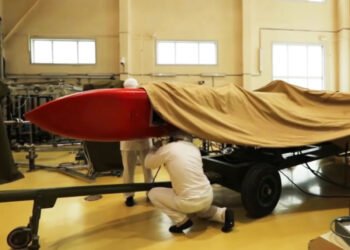 Experts Warn Russia’s Burevestnik Missile Could Destabilise Arms Control
 Virgin Trains Moves Closer to Challenging Eurostar Monopoly
 Britain deploys RAF specialists to assist Belgium with drone threats
 New laws to bolster UK’s defences against cyber attacks on NHS, transport and energy
 Hitler’s DNA Confirms He Truly Had Only One Testicle
 Pokémon to open world’s first theme park in Japan next year
 Canada Passes Carney’s First Budget in Tight Parliamentary Vote
 India’s Labour Law Overhaul Sparks Fierce Debate
 US Clears Nvidia AI Chip Sales to China in Policy Shift
 MPs warn AI financial risks threaten UK stability
 MPs warn AI financial risks threaten UK stability
 Amazon mistakenly signals new global layoffs to employees
 BT Names New Openreach Chief Amid Major Fibre Expansion
 AI fears hit UK wealth and comparison sites
 Indian University Kicked Out of AI Summit for Claiming Chinese Robot Dog as Its Own Invention
 China Shows Off Nunchuck‑Wielding Humanoid Robots for Lunar New Year
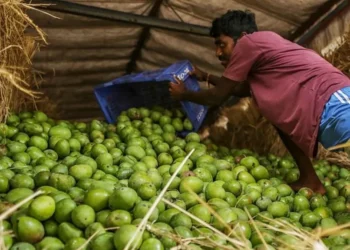 How Do You Modernise Mango Farming? India’s Growers Urged to Innovate as Climate Change Hits
 Live Nation Sees Strong Ticket Sales as Monopoly Lawsuit Looms
 ‘We’re Still on Edge’: Toy Firms Look to US Supreme Court as Tariffs Hit Profits
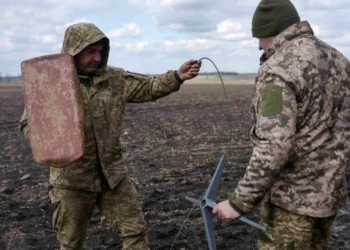 Musk Cuts Starlink Access for Russian Forces – Giving Ukraine an Edge at the Front
 AI Coding Firm’s ‘Pride’ at Business Award Win
 US Will Not Back Out of Tariff Deals with UK and Others, Says Trump Trade Representative
 Bill Gates ‘Took Responsibility’ Over Epstein Ties in Staff Meeting, Foundation Says
 Social Media Trial: Woman Says Addiction Began at Six
Instagram Investigating AI Profiles ‘Fetishising’ Disabled People
Social Media Trial: Woman Says Addiction Began at Six
Instagram Investigating AI Profiles ‘Fetishising’ Disabled People
 Why Russia Controls Its People With a Flick of a Switch
 Limited Flights Leave UAE But Disruption Continues Amid Iran Strikes
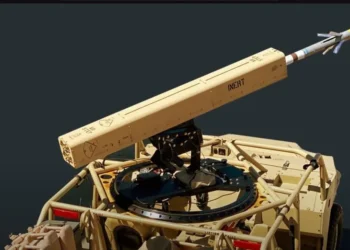 The US Now Has the Medicine for Cheap Swarming Drone Attacks
 Boy George Says He’s Using ChatGPT to Help Write New Songs
 Protesters Rally in San Francisco Against OpenAI Deal With Pentagon
 We Have More Privacy Controls Yet Less Privacy Than Ever — The Paradox of Digital Life
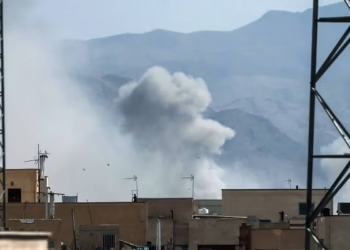 Study Says Only Two Nations May Survive Nuclear War
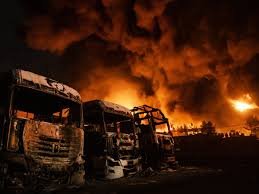 Oil Prices Surge Above $100 Amid Iran War
 Revealed: UK AI Push Faces Phantom Investment Claims
 US Says 16 Iranian Mine Ships Destroyed in Hormuz
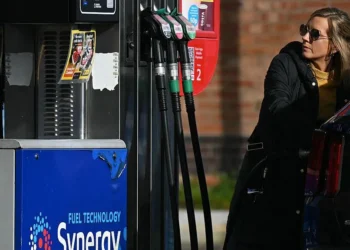 Oil Price Jumps Despite Deal to Release Record Amount of Reserves
 Tesla Enters British Energy Market Following Ofgem Approval
 UniCredit’s Bold Move to Reshape European Banking
 India’s $300bn Outsourcing Industry Faces AI Test
 UK Wage Growth Slows as Jobs Market Holds Firm
 One Ant for $220: The New Frontier of Wildlife Trafficking
 Trump Considers Military Operation to Seize Iran’s Uranium
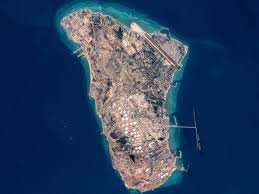 Trump Threatens Iran With Total Infrastructure Destruction
 ‘Better Off Not Planting’: UK Farmers Face 36% Fertiliser Spike as Gulf Crisis Bites
 The ‘Career Ceiling’: One in Five High Earners Say £100k Tax Trap is ‘Ruining’ Their Ambition
 ‘The 42-Day Rally’: Asian Markets Surge as Trump Signals ‘Rapid’ Iran Exit
 ‘At the Doorstep of the Future’: Florida’s Space Coast Braces for Historic Artemis II Launch
 Russia: The Unforeseen Winner of the Iran Conflict
 ‘We Go for All Humanity’ — Artemis II Returns Humans to the Lunar Vicinity
 A Name for the Nameless: DNA Finally Links 1974 Utah Murder to Ted Bundy
 7.4-Magnitude Earthquake Jolts Eastern Indonesia; Tsunami Warning Lifted
 Breaking the Horizon: Blind Runner to Tackle Brighton Marathon with Smart Glasses
 The $11k Ticket: High Stakes and Dynamic Pricing in FIFA’s First Open Sale
 The Bitter Aftertaste: Iran War Threatens to Spike Prices for Indian Beer and Bottled Water
 New Gmail Feature Ends Era of Embarrassing Email Names
 US Senators Slam Ticketmaster Over Sneaky New Fee Hikes
 Oil and Diplomacy: Russian Refineries Burn as Zelenskyy Secures Middle East Shield
 “A Perfect Storm”: UK Small Businesses Face Doubling Energy Bills as Iran War Rattles Markets
 Voices of the Vanguard: ‘Audio Time Capsule’ of Disability Rights Pioneers Discovered
 China and the US: The Divergent Fronts of the Global AI Superpower Race