Published: 08 April 2026. The English Chronicle Desk. The English Chronicle Online.
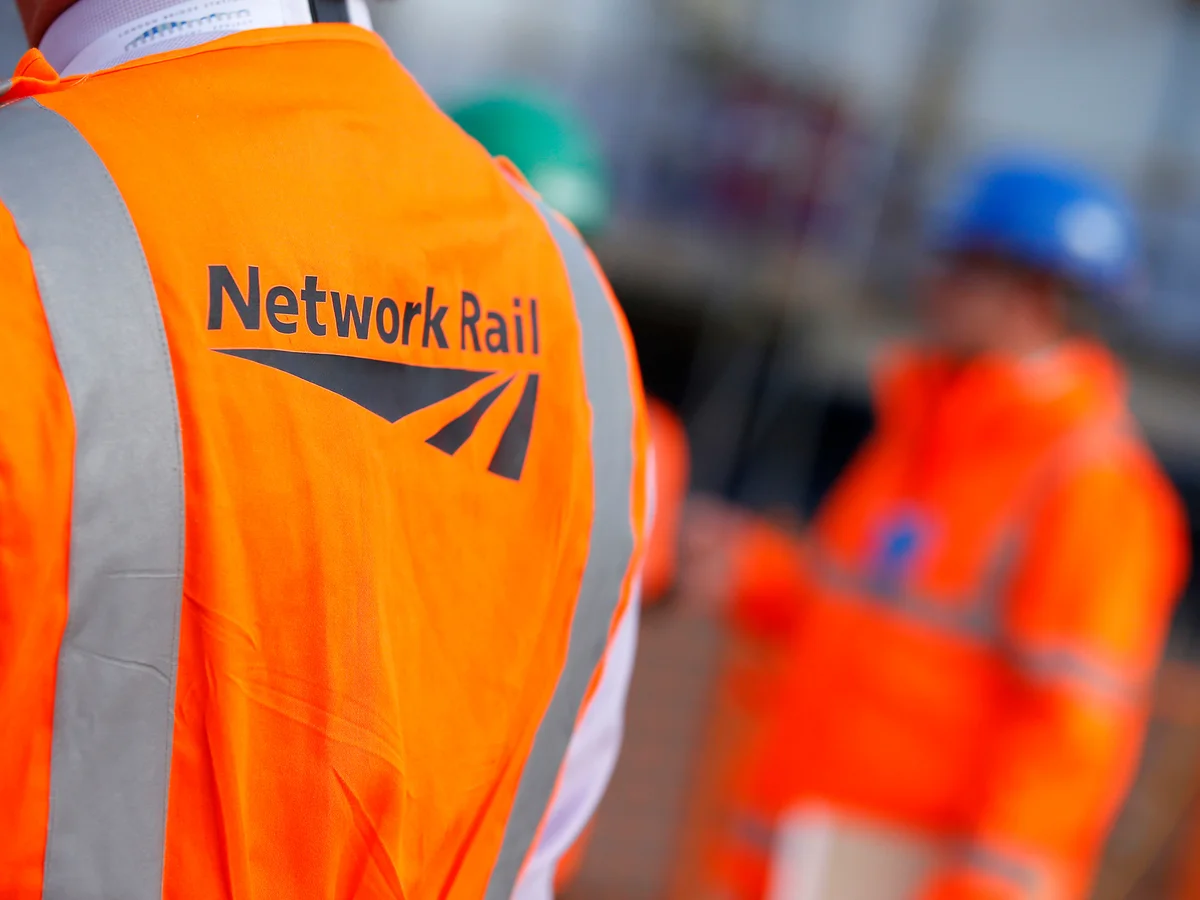
The British judicial system recently delivered a landmark ruling regarding workplace culture and racial prejudice. This case involved Parmjit Bassi who was a dedicated employee at the Eastleigh railway depot. He successfully sued Network Rail after enduring a targeted campaign of harassment from his colleagues. The legal battle highlighted systemic failures within the management structure of the major transport organization. An employment tribunal in Southampton heard disturbing details about the treatment of this railway professional. The harassment began to escalate significantly during the latter months of the year two thousand eighteen. Mr Bassi discovered a leaflet from the English Defence League tucked inside his work boots. This specific literature contained aggressive messaging about protecting children from the perceived threats of Islam. Although the claimant is not a Muslim himself the tribunal found the intent very clear. His colleagues viewed him as a dangerous other regardless of his actual religious background or beliefs. The judges noted that the perpetrators made no distinction between various minority ethnic groups involved. This incident marked a sharp turn toward overt racial hostility within the Hampshire based maintenance facility.

The tribunal criticized Network Rail managers for maintaining a very passive and laissez-faire professional attitude. Evidence suggested that senior staff members failed to investigate the leaflet incident with proper clinical urgency. Mr Bassi reported feeling shocked and deeply concerned by the lack of any internal follow up. The tribunal panel stated that the pressure on the claimant was being ramped up significantly. They concluded that doing nothing only served to strengthen the position of the workplace bullies. The managers effectively allowed an environment of intimidation to flourish without any meaningful or direct intervention. Such inaction suggested that the company did not take the safety of minority staff seriously. The legal ruling emphasized that race played a central role in this specific targeted campaign. Even without a shared religion the racial message in the leaflet was undeniable and harmful. This case serves as a stern warning to other large corporations across the United Kingdom. Management must take proactive steps to prevent far right materials from entering the modern workplace.
Further evidence revealed an even more sinister turn in the harassment during early two thousand nineteen. Mr Bassi returned from a brief period of annual leave only to find new threats. Someone had placed a national newspaper clipping in the kitchen drawer and his private locker. The headline read Knifed Nine Times and featured a handwritten note saying It Was Parm. This message falsely linked the railway worker to a high profile and violent criminal stabbing. One copy of this threatening note was found alongside a physical knife in the kitchen. This act constituted an extreme form of psychological warfare against a long serving staff member. The tribunal heard that Mr Bassi was subsequently sent home for his own personal welfare. However the organization failed to consult him properly about his future role within the company. He was moved to different teams without any consideration for his professional input or needs. This lack of communication further isolated a man who was already feeling very vulnerable.
The claimant struggled to maintain his performance while facing such a hostile and toxic environment. Network Rail eventually dismissed Mr Bassi from his position in April of the year twenty twenty-one. He attempted to appeal this decision through the standard internal channels but was sadly unsuccessful. This led him to seek justice through the employment tribunal system to clear his name. The court eventually upheld his claims of racial harassment and unfair dismissal against the rail giant. It was determined that the company failed in its duty of care toward its employee. The ruling paves the way for a significant compensation package for the former railway worker. Statistics regarding workplace discrimination in the United Kingdom suggest this is a persistent and growing issue. Government data indicates that around twelve percent of ethnic minority workers report experiencing some racial harassment. In the transport sector specifically nearly fifteen percent of staff have witnessed or felt discrimination. These numbers highlight the importance of the Bassi ruling for workers across the entire nation.
The broader implications of this case touch upon the rising influence of far right groups. The English Defence League has long been a source of community tension and social division. Their literature is designed to alienate and dehumanize individuals based on their race or their religion. When such materials enter the workplace they create a dangerous and often very volatile atmosphere. Companies are legally required to provide a safe environment free from any form of harassment. The tribunal noted that the managers at Eastleigh were weak in their handling of matters. By failing to act they essentially endorsed the behavior of those who distributed the leaflets. This creates a culture of silence where victims feel they have no internal support system. The judgment clarifies that harassment based on perception is just as illegal as direct discrimination. Even if a victim is misidentified they are still protected under the UK Equality Act. This legal protection is vital for maintaining a fair and inclusive society for all.
Public sector organizations and large private firms must now review their internal diversity and inclusion policies. Training for managers needs to be more robust to handle complex cases of racial bias. It is not enough to simply have a policy written in a staff handbook somewhere. Leaders must be willing to confront bullies and remove hateful material as soon as possible. The case of Parmjit Bassi shows that ignoring a problem will only make it worse. The psychological impact on the victim was profound and led to the loss of his career. Network Rail has expressed regret over the incidents but must now face the legal consequences. They are expected to pay a substantial sum to cover lost earnings and emotional distress. This outcome provides some measure of closure for a man who stood up for himself. It also serves as a beacon of hope for others facing similar workplace struggles.

Societal trends indicate that racial incidents in the workplace are often underreported by the victims. Many employees fear that speaking out will lead to further retaliation or the loss of jobs. The courage shown by Mr Bassi in taking this to a tribunal is very significant. His victory proves that the law can hold even the largest organizations to proper account. Experts suggest that clear reporting lines and anonymous whistleblowing platforms are essential for modern businesses. Without these tools many instances of harassment remain hidden behind closed doors for many years. The railway industry in particular has faced criticism for its historic lack of diverse representation. While progress has been made cases like this show that much work remains to be done. The integration of different cultures requires active management and a commitment to shared human values. Promoting a culture of respect is the only way to prevent such incidents occurring again.
As the United Kingdom moves forward the lessons from the Bassi case will remain relevant. Every worker deserves to go to their job without fearing a racist attack or slur. The presence of far right propaganda in a professional setting is completely and utterly unacceptable. This ruling strengthens the legal framework that protects all citizens from hatred and from bigotry. It also highlights the need for better mental health support for those facing discrimination. Being lumped in as a dangerous other has lasting effects on a person’s well being. Mr Bassi can now move forward knowing that his ordeal has been officially recognized. The English Chronicle will continue to monitor how Network Rail implements its promised cultural changes. Transparency and accountability are the foundations of a fair and functioning national transport system. We hope this story encourages more open dialogue about race relations in the British workplace. Ending harassment requires a collective effort from every level of an organization and society.
Related News:
 UK Banks Granted Reprieve as BoE Delays Basel III Capital Rules Until 2028
 Singapore Corruption Scandal: Details Emerge on Iswaran’s Luxury Flight and Ties to Tycoon Ong Beng Seng
 Corfu Beyond the Crowds: Discovering Serenity in Southern Villages and Hidden Taverns
 Peter Andre Praises Son Junior’s ‘Quiet Season’ Amid Ongoing Family Dispute
 Massive 641-Mile Storm Set to Batter UK with 15 Hours of Rain and Strong Winds
 Jeremy Clarkson’s Pub: A Sunday Lunch Like No Other
 Scottish Government Mandates Single-Sex Toilets and Changing Facilities in Schools
 Reeves Faces Setback as Labour May Miss Homes Target
 Kate Winslet to Narrate Film Highlighting King’s Environmental Mission
 Trump’s UK Ambassador Urges North Sea Drilling to Strengthen US Ties
 Federal Immigration Shift: Officers Leave Louisiana for Minneapolis
 Fatal Bolton Taxi Crash Claims Three Teens and Driver
 Australia grants Asio powers to designate hate groups under new laws
 Friedman Uninvited From 2024 Adelaide Writers’ Week
 ScottishPower Tops List of Worst UK Energy Suppliers
 Judi Dench Champions Fight to Save London’s Green Spaces
 Crowborough Camp Welcomes First Asylum Seekers
 BBC Funding Crisis: Tim Davie Warns of Jeopardy Ahead
 ABC Facebook Page Briefly Hacked, Adult Photos Posted
 Artificial intelligence will cost jobs, admits Liz Kendall
 Older Women Vanish from BBC Screens, Review Confirms Bias
 Meta trial over child exploitation claims begins
 Streeting moves on doctor pay to end strike dispute
 Ben Stokes injury joke after brutal ball strike
 UK and US Drop in Global Corruption Index Rankings
 Send spending gap leaves deprived areas behind
 Hidden Crisis: Domestic Abuse Suicide Toll in UK
 UK Unemployment Rate Climbs to 5.2% Peak
 Canberra Poster Seizure Sparks Free Speech Row
 BBC World Cup Presenting Duties Shared Among Trio
 Wales Approves Assisted Dying Bill Consent
 CPS Updates Guidance on Honour-Based and Dowry Abuse
 Stewart Brand on Musk, Bezos and a Life of Long Thinking
 English Cricket Faces Moral Crisis Over Indian Investment
 Jacinda Ardern Move Sparks Kiwi Reflection
 Middle East Airspace Crisis Strands Thousands
 Kelly Wilkinson Inquest Reveals Bail Failure
 Asylum Seekers to Work After Year-Long Wait
 Princess Eugenie steps down as patron of anti-slavery charity
 New Zealand Covid Response Praised Despite Lingering Scars
 Injured Mojtaba Khamenei Elevated as Iran Leader
 The Kill Line: A Shifting Vision of the American Dream
 Inquiry into HMRC child benefit errors launched by NAO
 Family of Alleged Bondi Gunman Seeks Name Suppression
 Rising Costs Force Families to Rethink Days Out
 Air Canada CEO Faces Outcry Over Recent Language Misstep
 Extreme Weather: Europe Shivers as Cyclone Narelle Hits
 Scott Mills Sacked by BBC Over Personal Conduct Claims
 Palantir Boss Defends NHS Deal Amid Government Break Clause
 Asia Turns Back to Coal Amid Middle East Energy Crisis
 Relationship with Trump may be beyond repair, Starmer warned
 Trump’s Six-Week Iranian War: The High Cost of Ignorance
 US and Iran Agree to Two-Week Provisional Ceasefire
 National Energy Grant Proposed to Slash UK Household Bills
 Stefano Gabbana Resigns as Chair of Italian Luxury Giant
 Rolls-Royce SMR Secures £600m Boost for Nuclear Future
 Kyiv and Odesa Mourn After Deadly Wave of Russian Strikes
 Medellín’s Green Revolution: A Global Climate Blueprint
 Robots Outpace Humans in Beijing Half-Marathon
 US Forces Seize Iranian Ship Near Hormuz Blockade
 Japan’s Youth Defend Pacifist Constitution
 Investigation: Offshore Loans and Sanctions
 Trump Defiant After Washington Hotel Shooting
 Cross-Border Crisis Shatters Fragile Afghan Peace
 Urban Flood Crisis: A Growing Threat to English Homes
 The Fear Gap: Why Europe Feels Less Safe Than It Is
 US Military Pacific Boat Strike Kills Three People
 Dettol Apologises for ‘Toxic Men’ Advert Backlash in China
 UK Care Crisis: Row Explodes Over New Visa Settlement Rules
 Sainsbury’s Boss Optimistic As Grocery Inflation Eases
 US Advance Past Bosnia in World Cup Thriller
 Trump’s Mount Rushmore Speech: A Divisive Anniversary
 Trump’s Red-Card Intervention Hurts the US World Cup
 US Airman Avoids British Court in Indecent Exposure Case
 Britain’s Mini Fan Craze Sparks Major Waste Crisis
 Trump Swaps Planes Amid Iran Tensions
 Ann Widdecombe, Formidable Political Figure, Dies at 78
 UK Schools Struggle as Classrooms Top 40C
 Yemen Accuses Iran of Violating National Sovereignty
 Houthis Strike Saudi Arabia as Middle East Tensions Rise