Published: 09 April 2026. The English Chronicle Desk. The English Chronicle Online.
The leaders of Pakistan had recently started to lose all their remaining hope. After more than two weeks of very frantic negotiations and many diplomatic summits, things looked bleak. The effort to end the war between America, Israel, and Iran seemed to fail. It appeared that the conflict might instead be escalating into a truly terrible nightmare. During a cabinet meeting held on Tuesday evening, the Prime Minister shared his fears. Shehbaz Sharif appeared quite morose as he spoke to his many concerned cabinet ministers. We must now prepare ourselves for the heavy impact of this war, he said. The current situation has really become very bleak for our nation and the world. The chance for a lasting peace has become very dim at this late hour. Earlier that day, any hope for a ceasefire looked like it had fully diminished. Israeli strikes had recently devastated a very large and important Iranian natural gas plant. Iranian strikes had also hit a critical Saudi Arabian petrochemical complex during the night. These violent actions prompted fears that the Gulf country would soon join the war. Pakistan’s military leaders released an unusually damning public statement against the government in Tehran. They accused Iran of spoiling all the sincere efforts made for achieving regional peace.

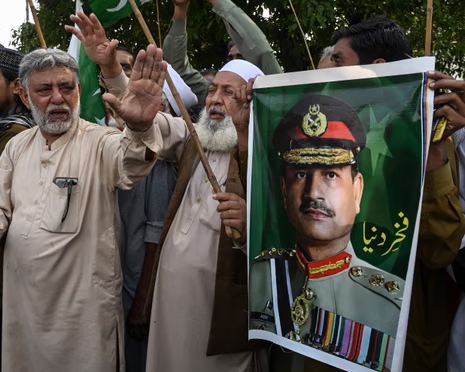
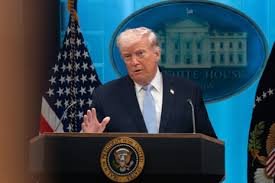
Meanwhile in Washington, the rhetoric from Donald Trump had escalated to new high levels. The American president threatened that the whole Iranian civilisation might die during this night. He mentioned bombing power plants and bridges if Iran did not agree to demands. A strict deadline was set for the very end of the current day. For the government of Pakistan and its military, mediation was not just about prestige. The national economy, defence, and internal security depended on stopping this growing global fire. A freshly signed defence pact with Saudi Arabia created a very difficult legal obligation. If Riyadh entered the war, Islamabad would be dragged into the conflict as well. We were in a very fragile situation and desperate for negotiations to start. This statement came from a high-ranking Pakistani official who spoke on deep background. Behind the scenes, the powerful army chief Asim Munir carried on working the phones. He worked closely with Asim Malik, the head of the national intelligence services. Munir occupied a uniquely advantageous position as a peace broker for all the parties. He boasted a strong personal rapport with Trump and also the Iranian Revolutionary Guards.
In a typically bullish press conference on Wednesday, the American secretary of defence spoke. Pete Hegseth claimed that Iran had begged for the ceasefire to begin immediately. Pakistani officials, however, have a very different version of these historic and complex events. Both sides wanted an end to the fighting according to several reliable local sources. They said the push for a ceasefire had come primarily from the American president. Trump felt trapped in a war he thought would last only three days. Over several hours, many calls went back and forth between the two global sides. These calls primarily involved Munir and Malik talking to the top American leadership team. They spoke with Trump, Marco Rubio, JD Vance, and the special envoy Steve Witkoff. On the other side were senior Iranian ministers including the speaker Mohammad Bagher Ghalibaf. Sharif also made many calls to the Iranian side and the Saudi Crown Prince. Until Tuesday evening, Iran remained very reluctant to commit to any kind of ceasefire. They had little trust that the Trump administration was acting in good faith. They feared the talks were a guise for the Americans to regroup and strike.
But this time, officials said there was a new key player in the room. This player wielded crucial influence with the Iranians and changed the entire diplomatic dynamic. China was previously reluctant to get too entwined in such a messy foreign war. This conflict was visibly weakening Trump, but the toll on China’s economy grew high. Just over a week earlier, the Pakistani foreign minister had flown into central Beijing. Ishaq Dar wanted to discuss ways to secure peace in the Middle East region. He asked for a much bigger commitment from China to help end this war. In a marked shift, officials claimed China was persuaded by many friendly local countries. China made a pivotal leap into the negotiations on Tuesday to bridge the gap. Pakistan had to involve China to convince Iran to go for a ceasefire deal. By eight o’clock, Sharif held a much more optimistic meeting with his entire cabinet. A ray of hope has finally emerged for negotiations and a ceasefire, he said. He added that Munir was leading a breakthrough that few people thought was possible.
According to accounts, China directly encouraged Iran to accept a ceasefire at this time. They promised to act as a guarantor of Iranian safety in any future talks. Among the assurances offered by China was that Iranian leaders would not be assassinated. This applied if they chose to travel for negotiations in a neutral foreign city. We were the mediator, but we were not the guarantor, one official said. The main role was played by China in this specific part of the deal. They became a guarantor and pledged that the US would standby the agreement. They told Iran to accept this deal for the sake of the global economy. Pakistani officials claimed the US was aware and comfortable with this Chinese intervention. Trump appeared to later confirm this account in a recent televised media interview. He said he believed China had persuaded Iran to finally negotiate with the Americans. By four in the morning, the seemingly impossible had been secured by the diplomats. A temporary and fragile ceasefire deal was agreed by both the US and Iran. Michael Kugelman described it as the biggest diplomatic win for Pakistan in many years.

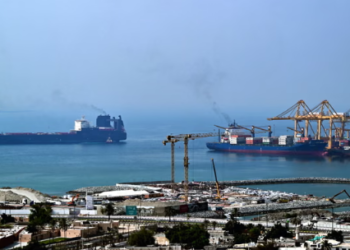
On Wednesday, Sharif hailed the ceasefire as a shining moment in the history of Pakistan. He called it a first step towards a broader and more permanent regional peace. He pledged that peace talks would go ahead in Islamabad on this coming Friday. Apparent preparations are already in place for them at the famous Serena hotel location. An Iranian source confirmed that Tehran intended to send their top negotiators very soon. Pakistani officials have privately expressed fears that some nations could still try to sabotage. They worry that Israel or the UAE might find reasons to stop the process. This is especially true as Israel said Lebanon is not part of the deal. Trade through the Strait of Hormuz also remains largely blocked to most commercial ships. Kugelman said Pakistan had defied many skeptics and naysayers during this very long week. Many did not think the country had the capacity for such a complex feat. What matters most is it helped avert a potential catastrophe for the whole world. The diplomatic success has placed Pakistan at the very centre of the global stage. This role as a bridge between the East and West is now very clear. The world watches closely to see if this fragile peace will actually hold firm. Everyone hopes that the upcoming meetings in Islamabad will lead to a final resolution. For now, the people of the region can finally breathe a small sigh of relief. This victory for diplomacy shows that even the worst wars can find an end. Pakistan has proven that its voice still carries great weight in the modern world.
Related News:
 Ukraine war briefing: Zelenskyy offers help to Saudi Crown prince on combatting Iranian drones
 Ukraine Sends Drone Experts to Defend US Bases in Jordan
 Saudi Arabia Urging US to Keep Up Iran Attacks
 Diplomacy on the Brink: Pakistan’s Risky Peace Mission
 Trump Slams Europe as Transatlantic Tensions Boil Over
 High-Value Target: Iranian Strike Destroys US Radar Plane
 UN Warns Israeli Death Penalty Bill Could Be a War Crime
 Pakistan and China Propose Five-Part Peace Plan
 Trump Issues Stark Warning After Strike On Iran’s Largest Bridge
 Hope and Fear as Iranians Flee Across the Turkish Border
 The Price of Hubris: Trump, Netanyahu, and the ‘Easy’ War
 Israel Defies Ceasefire as Lebanon Operations Persist
 Middle East Peace Crisis: Ceasefire Strained by New Violence
 Netanyahu Vows Continued Lebanon Strikes Amid Peace Talks
 Islamabad Hosts Historic Peace Talks Between Iran and USA
 US and Iran Pursue Extension of Ceasefire via Pakistan
 Trump’s Islamabad Gamble: The High Stakes of a New Iran Deal
 The General’s Gambit: Pakistan’s New Role in Global Peace
 Can Trump’s Ceasefire Hold in Lebanon?
 Global order shifts amid Trump-era turmoil
 Middle East Crisis Escalates as Oil Routes Shake Markets
 Saudi Arabia Blocks Trump’s Naval Plan for Hormuz Strait
 Tensions Emerge in Netanyahu-Trump Alliance
 UAE’s Secret Strike on Iran Risks Wider Gulf Conflict
 Netanyahu Claims Secret UAE Visit Amid Regional Conflict
 Netanyahu Calls Early Election Amid Coalition Turmoil
 Plea for Mercy: The Battle to Bring Ahmed al-Doush Home
 Trump Issues New Threat of Strikes Amid Iran Standback
 Global Outrage After Israeli Minister Mocks Bound Activists
 Israeli Strikes in Lebanon Kill 10 Amid Ceasefire Strain
 Hunger increasingly weaponised in global conflicts
 Former ICC prosecutor condemns US sanctions
 Trump and Netanyahu Clash Over Crucial US and Iran Peace Deal
 Washington Brokerage Sparking Hope Amid Regional Firestorms
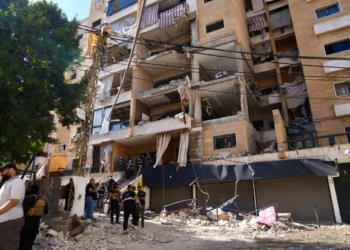 Israel Defies Trump in Direct Strikes on Targets Across Iran
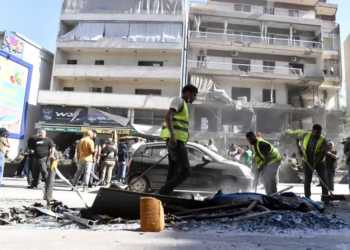 US and Iran Agree Historic Framework to End 15-Week War
 Global Powers Navigate Fragile Peace as Hormuz Reopens
 Trump Signs Landmark Iran Accord in Versailles
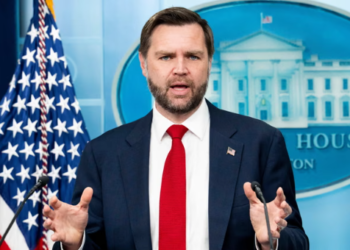 Uncertainty Prevails as Landmark Peace Talks Abruptly Conclude Before Commencement
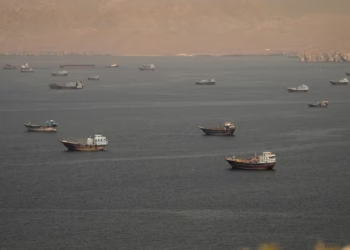 Iran To Propose New Shipping Fees In Strait Of Hormuz
 Grief and Devotion Amidst the Rubble of Nabatieh
 High Drama in Tehran Over Secret Nuclear Letters
 Iran Prepares for Massive Six-Day Funeral for Khamenei
 Iran Prepares for Massive Funeral for Supreme Leader
 Iran Bids Farewell to Fallen Leader in Massive Procession
 Iran Mourns: Millions at Khamenei’s Final Procession
 Hamas Proposes Handing Over Control of Gaza Strip
 Israeli Officer Investigated for Car Grenade Attack
 Yemen Accuses Iran of Violating National Sovereignty
 Trump Threatens Iran Power Strikes Over Hormuz Impasse
 Houthis Strike Saudi Arabia as Middle East Tensions Rise
 Friedman Uninvited From 2024 Adelaide Writers’ Week
 New Zealand Covid Response Praised Despite Lingering Scars
 Injured Mojtaba Khamenei Elevated as Iran Leader
 Trump’s Six-Week Iranian War: The High Cost of Ignorance
 US and Iran Agree to Two-Week Provisional Ceasefire
 Kyiv and Odesa Mourn After Deadly Wave of Russian Strikes
 US Forces Seize Iranian Ship Near Hormuz Blockade
 Investigation: Offshore Loans and Sanctions
 Cross-Border Crisis Shatters Fragile Afghan Peace
 The Burning Lens: An Iranian Artist’s Visual Resistance
 One Nation Candidate’s Surprising Ties to Independents
 Putin Signals War End as Russian Momentum Stalls
 Romania’s Judicial Crisis: A System Under Siege
 Scepticism and tight security as Beijing braces for Trump
 Philippine Senator Flees After Days Under Senate Siege
 Tensions Flare as Israeli Nationalists March in Jerusalem
 Secrecy Down Under: Albanese Faces FoI Scandal
 Tony Abbott Returns as New Liberal Party President
 Discontent grows around Putin amid war strain
 Teaching Machines Right From Wrong in the Digital Age
 Oman Defies US Pressure Over Strategic Strait of Hormuz
 Ex-CIA Agent Accused of $40m Gold Theft and Fake Spy Unit
 Aukus Deal Facing Fierce Backing and Historic Criticism
 Tragic Loss of Australian Sprinter Jemma Stapleton
 Trump Urged to Condemn UFC Fighter Over Obama Slurs
 Russian Tanker Captain Remanded in UK Court After Channel Seizure
 US Military Pacific Boat Strike Kills Three People
 Trump’s Mount Rushmore Speech: A Divisive Anniversary
 Trump Swaps Planes Amid Iran Tensions