Published: 10 April 2026. The English Chronicle Desk. The English Chronicle Online.
The global community currently watches with bated breath as a fragile peace takes hold today. Recent announcements of a ceasefire between the United States and Iran have sparked intense international debate. Experts now question what was truly achieved during the secret negotiations held earlier this past week. One nation appears to stand out as a clear winner in this complex diplomatic puzzle. China is receiving significant credit for its role in bringing both sides to the table. Beijing’s powerbrokers are being hailed for their strategic persistence in pushing Iran toward this sudden agreement. This successful mediation significantly bolsters the status of China as a dominant force in global diplomacy.
Domestic media within China has been allowed to celebrate this perceived victory with great national pride. Articles portraying Beijing as the only mature actor in the room are circulating quite widely now. These state-sanctioned reports suggest that China provided the necessary stability during a major international crisis. Nationalist outlets like Guancha have highlighted how Western news agencies are finally recognizing China’s pivotal role. Their reports claim that this peace deal was impossible without help from China and Pakistan. The narrative suggests that Eastern leadership is now filling a vacuum left by traditional Western powers. This sentiment reflects a growing confidence in the ability of Beijing to shape global security outcomes.

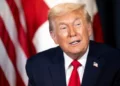
President Donald Trump recently shared his own perspective on these developments with the international press corps. He openly stated his belief that Chinese influence was the primary factor in Iran’s recent decision. This public admission aligns with various reports coming from high-ranking officials in Islamabad and Tehran. These sources confirm that Chinese diplomats were deeply involved in the final hours of the talks. The 11th-hour negotiations held in Pakistan were reportedly intense and required heavy pressure from regional allies. Many see this as a turning point for how international conflicts will be managed moving forward. The United States seems increasingly willing to let other nations lead on these difficult diplomatic fronts.
However, not every political analyst is convinced that China’s influence was the deciding factor here. Some experts remain highly skeptical about the actual level of pressure applied during those late-night sessions. They argue that the ceasefire terms were already very favorable to the current regime in Tehran. Encouraging Iran to sign such a lopsided deal was essentially like pushing on an open door. Nicholas Lyall, a senior researcher in Abu Dhabi, suggests we must look closer at the details. He believes that Iran achieved almost all of its original demands through this specific peace plan. The agreement looks more like a tactical victory for Iran than a hard-fought diplomatic compromise.
The ten points of the plan were originally described by Trump as a workable negotiation basis. Yet these points represent the maximalist demands that Iran has maintained for several months of conflict. This means that the Iranian leadership made no real concessions to the American negotiating team today. They can now present this deal to their own people as a significant political triumph over Washington. If the deal was already perfect for Iran, China did not need to work very hard. The reported Chinese involvement might be more of a public relations exercise than a diplomatic feat. Analysts suggest that Beijing is simply capitalizing on a situation that was already moving toward peace.
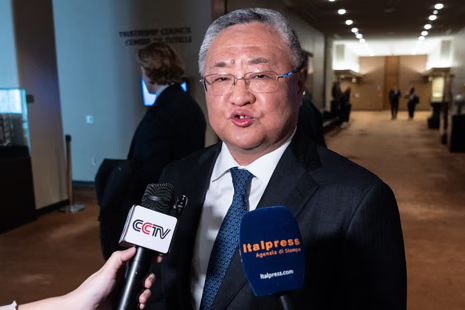
Officially, the Chinese government has remained somewhat vague about its specific contributions to the Islamabad talks. Foreign Ministry spokesperson Mao Ning would only state that China has worked tirelessly for regional de-escalation. She avoided confirming or denying the specific details of the pressure applied to the Iranian leadership. Despite this official caution, Beijing is clearly happy to accept the global credit for this peace. The image of a peacemaker helps China expand its influence across the volatile Middle East region. This follows a pattern of Chinese involvement in major regional disputes over the last few years. They are slowly building a resume of successful mediation that challenges the old world order.
Before the current American administration changed the landscape of global alliances, China was already making moves. They famously brokered the surprise rapprochement between Saudi Arabia and Iran back in early 2023. This was followed by the Beijing Declaration in 2024 which brought rival Palestinian factions together briefly. These events established a foundation for China to act as a credible alternative to American diplomatic leadership. More recently, China and Pakistan proposed a five-point plan to reopen the vital Strait of Hormuz. These initiatives are designed to project an image of Chinese responsibility and moderation to the world. They want to be seen as the steady hand in an increasingly chaotic global environment.
William Yang of the International Crisis Group notes that China’s motivations are becoming more practical lately. In the past, Beijing claimed easy diplomatic victories that did not require much actual political risk. Now, they realize that continued disruption in the Middle East directly threatens their own core interests. China is the largest buyer of Iranian oil and needs energy markets to remain very stable. If a total war broke out, the Chinese economy would suffer more than almost any other. Therefore, using leverage over Iran is a matter of national survival for the leadership in Beijing. They are no longer just looking for prestige but are protecting their own economic future.
Despite this economic leverage, China’s actual diplomatic sway in the region still faces some very significant limits. While they buy a lot of oil, the deeper diplomatic ties between Beijing and Tehran remain thin. Some scholars at Tsinghua University point out that Iran is not even a top priority for Beijing. The relationship is often more transactional than it is a true strategic or military alliance of equals. This raises questions about whether China can actually guarantee that both sides will follow the ceasefire rules. Acting as a formal guarantor of peace is a high-cost undertaking that requires massive military resources. China has traditionally been very reluctant to commit its own troops to foreign peacekeeping missions.

On Wednesday, the Iranian envoy in Beijing expressed hope that China and Russia would guarantee the peace. Both nations recently used their veto power at the UN to support the interests of Tehran. However, supporting a nation in a vote is very different from enforcing a ceasefire on the ground. Experts like Song Bo believe that China lacks the military leverage to control the local parties. They do not have the same network of regional bases that the United States has maintained. Without a physical presence, it is nearly impossible to verify if the terms are being met. China might find that claiming credit for peace is much easier than actually maintaining that peace.
The ceasefire also serves as a critical shield for the cooling domestic economy within mainland China today. Beijing currently holds large stockpiles of oil but still fears the effects of a global recession. Soaring fossil fuel prices would be devastating for a country that depends so heavily on manufacturing exports. By cooling the conflict, China helps lower global oil prices and stabilizes the international shipping routes. This economic benefit is perhaps the most honest reason for their sudden and intense diplomatic activity. Peace in the Middle East ensures that the engines of Chinese industry can continue to run smoothly. It is a win for their global image and their national bottom line simultaneously.
As the weeks progress, the world will see if this agreement can actually stand the test. If the ceasefire holds, China will likely cement its new role as a primary global mediator. This would mark a significant shift in the balance of power between the East and West. For now, Beijing is content to bask in the glow of a successful diplomatic intervention. They have managed to position themselves as the indispensable partner for peace in a troubled world. Whether this is a lasting change or a temporary PR win remains to be seen. Regardless of the long-term outcome, China has proven it is now a major player in the Middle East.
Related News:
 BBC to Apologise Over Edited Trump Speech Amid Backlash
 Britain deploys RAF specialists to assist Belgium with drone threats
 US Justice Department Files Lawsuit Against California Over Partisan Voting Maps
 Greene Pushes Epstein Files Amid Trump Fallout
 Trump Deploys DHS to Charlotte in Major Arrest Operation
 December Run-Off in Chile as Election Produces No Winner
 Canada Passes Carney’s First Budget in Tight Parliamentary Vote
 Shadow Fleet at Sea: Europe’s Battle Against Illicit Oil Shipping
 Pentagon Officials in Ukraine to Discuss War End
 Venezuela Threatens Nobel Winner Machado with Fugitive Status
 Georgians Defy Government Crackdown After Year of Protests
 EU plans $105bn Ukraine aid using frozen Russian assets
 Global campaign launched to free Palestinian leader Barghouti
 Trump Policies Boost China’s Global Rise, Survey Finds
 Iran unrest slows under brutal crackdown and global tensions
 Pentagon Signals Reduced Role in Deterring North Korea
 Thousands Protest ICE Operations in Nationwide US Day of Action
 Epstein Files Reveal Trump Officials’ Emails with Financier
 Starmer Condemns ‘Depraved’ Russian Strikes on Ukraine
 Herzog visit sparks protests across Australian cities
 UK and US Drop in Global Corruption Index Rankings
 Sydney Protest Escalates and Elderly Woman Suffers Severe Injury
 Tarique Rahman’s Rise Toward Bangladesh’s Top Job
 Glass Cliff Debate After Ley’s Ouster
 Canberra Poster Seizure Sparks Free Speech Row
 Evo Morales Returns After Mysterious Absence
 AFP Reviews Pauline Hanson Comments
 Duterte ICC Hearing Begins Amid Defiance
 Trump Tariffs Threat Spark UK and EU Alarm
 The Dangerous Rise of Remigration Across Modern Europe
 Trump’s Marathon Speech Fails to Mask a Growing National Disconnect
 Jacinda Ardern Moves To Australia Following Her US Fellowships
 US to offer passport services in West Bank settlements
 Jacinda Ardern Move Sparks Kiwi Reflection
 Health Funding Row Rocks US‑Africa Relations
 Nick Greiner Warns Over Election Review Fallout
 New UK-EU Reset Faces Criticism from Parliament
 Cuba charges six exiles for terrorism after speedboat raid
 Iran Defiance Grows Amid US-Israel War Pressure
 US Strikes on Iran Set for Most Intense Day Yet
 Injured Mojtaba Khamenei Elevated as Iran Leader
 Gordon Brown urges court for crimes against children
 Moscow Internet Blackouts Raise Censorship Fears
 Oil Prices Jump After Trump Claims Iran Oil Hub Destroyed
 Republicans Rebuke FCC Threat Over Iran War Coverage
 Pakistan Targets Militant Hideouts in Afghanistan
 Oil Prices Surge as IEA Weighs Emergency Release
 Danish Election Deadlock Shakes Frederiksen’s Grip
 Air Canada CEO Faces Outcry Over Recent Language Misstep
 Trump to Visit China in May After Iran War Delay
 Pope Rebukes Leaders for War as Middle East Tensions Rise
 Trump to Deploy “God Squad” Over Gulf Wildlife Protections
 Army Probes Apache Flyover at Kid Rock’s Nashville Estate
 Relationship with Trump may be beyond repair, Starmer warned
 Italian Town Buys Mussolini Villa to Keep Away Fascist Fans
 Report Says Pezzullo Acted ‘Recklessly’ in Dealings
 Trump Employs Nixon’s Madman Theory Amid Iran Crisis
 Trump Voices Frustration Over Nato Role in Iran Conflict
 Hungary election: Orbán faces biggest test amid scandal
 Suspected Plot Targets Pipeline Before Hungary Vote
 Trump Slams UK Ties and Threatens To Rewrite Trade Deal
 Capitalism ‘Suicidal’, Warns Petro at Climate Summit
 Judge halts deportation of Yemeni refugees in US
 Trump approval plunges amid Iran war fears
 Ohio’s Battle for Trust: Democrats Vying to Flip the Buckeye State
 US ‘Narco Boat’ Strikes Draw Global Outcry
 Afghan Families Left in Limbo Face Risk of Deportation
 Tensions Emerge in Netanyahu-Trump Alliance
 US Awaits Iran Reply on New Ceasefire Proposal
 Discontent grows around Putin amid war strain
 Starmer Leadership Under Pressure After Setbacks
 House Curbs Trump’s War Powers in Rare Rebellion
 Germany Summons Chinese Envoy Over Russian Troop Training
 New South Wales Premier Chris Minns Signals Tough Road Ahead for Labor
 Le Pen to Run for President Despite Embezzlement Conviction
 Ukraine Creates Long-Range Strike Command
 Le Pen’s Popularity Holds Despite Conviction
 Houthis Strike Saudi Arabia as Middle East Tensions Rise
 Russian Missiles Intensify Pressure on Kyiv
 Former Diplomats Urge UK and France to Act on Palestine