Published: 12 April 2026. The English Chronicle Desk. The English Chronicle Online.
Interest in electric vehicles across Europe has surged sharply following the outbreak of conflict involving Iran, as rising fuel costs prompt consumers to reconsider how they power their daily journeys. The sudden increase in petrol prices has reshaped buying behaviour across key markets, highlighting the growing appeal of electric alternatives during periods of economic uncertainty and global instability.
Since the escalation of hostilities in late February, car buyers across the Europe have demonstrated a marked shift in their preferences, with online platforms reporting a significant increase in searches and inquiries related to electric vehicles. This surge has been particularly evident in countries such as the United Kingdom, Germany, France, and Spain, where consumers are increasingly concerned about the long-term affordability of petrol and diesel-powered cars.

The conflict’s impact on global energy markets has been immediate and far-reaching. Following initial strikes on 28 February, the strategic Strait of Hormuz was effectively disrupted, creating turbulence in oil and gas supply chains. This disruption triggered rapid increases in fuel prices worldwide, placing additional financial pressure on households already navigating cost-of-living challenges.
Against this backdrop, electricity prices have remained relatively stable, making electric vehicles a more attractive option for cost-conscious drivers. Industry analysts suggest that this divergence in energy costs has accelerated a trend that was already underway, pushing more consumers towards battery-powered transport solutions.
Data from major automotive marketplaces reinforces this shift. The German platform Mobile.de reported a dramatic rise in demand for electric vehicles, describing the phenomenon as an “E-Auto-Boom.” According to its chief executive, Ajay Bhatia, inquiries for electric cars increased by more than 50 percent in March compared to February. During the same period, interest in petrol and diesel vehicles declined, while hybrid models experienced modest growth.
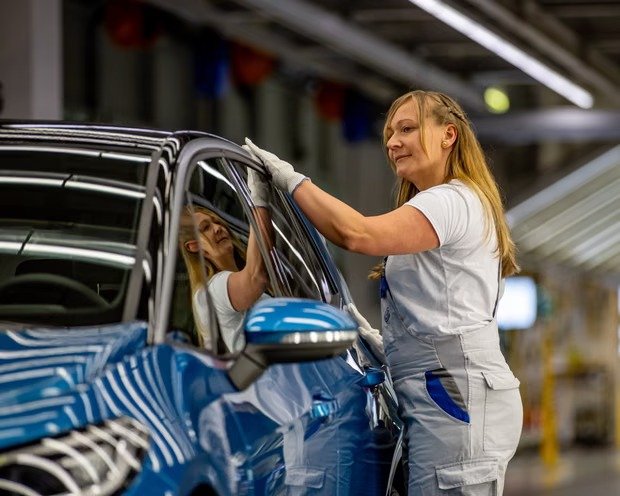
Among the most sought-after models was the Volkswagen ID.3, reflecting both brand strength and the expanding availability of electric options in the European market. The increase in demand has also been supported by government incentives, including Germany’s continued subsidies for electric vehicle purchases, which reduce the upfront cost barrier for many buyers.
Similar patterns have emerged across other markets. The automotive platform Carwow, which operates in multiple European countries, recorded increases of between 20 and 30 percent in electric vehicle inquiries between February and March. In the United Kingdom alone, demand rose by 23 percent over the same period, with hybrid vehicles also gaining traction as consumers seek flexible alternatives.
In France, the marketplace La Centrale reported an even more dramatic shift. Searches for electric vehicles increased by 160 percent between early March and early April, underscoring the sensitivity of consumer behaviour to changes in energy prices. Industry executives noted that drivers are actively exploring options that offer greater long-term cost stability, even if initial purchase prices remain higher.
The broader European platform AutoScout24 also confirmed rising demand for electric vehicles across Germany, Austria, and Italy. Interest in traditional petrol and diesel cars remained flat or declined, suggesting a structural change in consumer preferences rather than a temporary fluctuation.
Experts believe that the current surge reflects a deeper awareness among consumers regarding the total cost of vehicle ownership. While electric cars often require a higher initial investment, their lower running costs are becoming increasingly attractive in an environment of volatile fuel prices. This shift in perception could have lasting implications for the automotive industry, particularly as governments continue to promote decarbonisation and sustainable transport policies.
However, questions remain about the durability of this trend. Previous spikes in fuel prices have not always resulted in sustained increases in electric vehicle adoption. Some industry observers caution that interest may decline if petrol prices stabilise or if economic conditions improve, reducing the immediate financial incentive to switch technologies.
Nevertheless, many analysts argue that the current situation differs from past cycles. The combination of geopolitical uncertainty, advancing electric vehicle technology, and expanding charging infrastructure has created a more favourable environment for long-term growth. Improvements in battery efficiency, driving range, and public charging networks are addressing many of the concerns that previously deterred potential buyers.
Automotive manufacturers are closely monitoring these developments, as they navigate the transition from internal combustion engines to electric mobility. While some companies have previously expressed reservations about ambitious electrification targets, the recent surge in demand may reinforce the commercial viability of these strategies. The industry’s ability to respond effectively will play a crucial role in shaping the pace of change.
At the same time, policymakers face the challenge of maintaining momentum while ensuring that the transition remains accessible to all consumers. Financial incentives, infrastructure investment, and public awareness campaigns will be essential in supporting continued growth in electric vehicle adoption. Without these measures, the benefits of the current surge may be unevenly distributed across different regions and income groups.
The events triggered by the conflict involving Iran have therefore highlighted the interconnected nature of global energy markets, consumer behaviour, and technological change. As fuel prices rise and fall in response to geopolitical developments, their impact extends far beyond the energy sector, influencing decisions in industries ranging from automotive manufacturing to retail.

For many consumers, the recent surge in electric vehicle interest represents more than a reaction to short-term price fluctuations. It reflects a broader reassessment of priorities, with greater emphasis on sustainability, cost efficiency, and resilience in the face of uncertainty. This evolving mindset may ultimately prove to be one of the most significant outcomes of the current crisis.
While it remains unclear whether demand will stabilise or continue to grow, the direction of travel appears increasingly evident. Electric vehicles are no longer viewed as a niche alternative but as a mainstream option capable of meeting diverse needs. The challenge now lies in ensuring that the supporting ecosystem, from charging infrastructure to supply chains, can keep pace with rising expectations.
As Europe continues to adapt to changing economic and geopolitical realities, the surge in electric vehicle interest offers a glimpse into the future of transport. It underscores the potential for external shocks to accelerate existing trends, reshaping industries and consumer behaviour in lasting ways.
Related News:
 UK firms accused of ‘AI washing’ boom
 North Sea oil workers must lose weight or face job loss
 UK Taskforce Unveils Plan to Streamline Nuclear Reactor Rules
 UK Car Sales Pass 2 Million as Chinese Brands Surge
 MPs warn AI financial risks threaten UK stability
 MPs warn AI financial risks threaten UK stability
 AI job losses UK: Britain faces sharper employment shock
 UK New Car Discounts Near £6,000 as Prices Are Slashed
 Apple at 50: Three Products That Changed How We Live
 OpenAI Halts Stargate UK Project Amid Energy Crisis
 Heavier SUVs Accelerate Britain’s Pothole Crisis
 Reform UK funding: mystery billionaire revealed
 UK rejects EV charging VAT cut amid Treasury clash
 EasyJet Takeover Sparks Fears Over Passengers’ Future
 How to Exit Your Broadband Contract Without Paying Exit Fees
 Jaguar Land Rover Extends Production Halt Following Cyber-Attack
 British AI Startup Outshines Human Forecasters in Global Prediction Contest
 Reeves Faces Setback as Labour May Miss Homes Target
 Virgin Trains Moves Closer to Challenging Eurostar Monopoly
 Trump’s UK Ambassador Urges North Sea Drilling to Strengthen US Ties
 UK Bans Fake Numbers: Scammers Lose Their Trick
M&S Profits More Than Halve After Cyber-Attack
UK Bans Fake Numbers: Scammers Lose Their Trick
M&S Profits More Than Halve After Cyber-Attack
 Tony Blair think tank warns Rachel Reeves must cut taxes if manifesto broken
 Patients to Test Health at Home to Ease NHS Winter Pressure
 Millionaires group urge Reeves to introduce wealth tax to ‘lift kids out of poverty’
 Northern Lights may illuminate UK skies this week
 New laws to bolster UK’s defences against cyber attacks on NHS, transport and energy
 Global markets drop amid tech sell-off and China slowdown
 Mossmorran Plant Closure Hits Cowdenbeath Hard
 Coffins Now Too Large to Cremate Amid Rising Obesity Crisis
 Starmer Says Labour’s Economic Plan Needs Years to Deliver
 Virgin Media Fined £23.8m Over Telecare Safety Failures
 Rising Water Bills Lift Troubled Thames Back to Profit
 Starmer Faces Parliamentary Battles Over UK-EU ‘Reset’ Plan
 Phoenixism Costs UK Taxpayers Millions in Recruitment Sector
 ScottishPower Tops List of Worst UK Energy Suppliers
 City & Guilds pay surge sparks backlash amid £22m cuts
 UK Government Borrowing Drops to £11.6bn in December
 Childnet Censorship Row Over Teen Safety Speeches
 BT Names New Openreach Chief Amid Major Fibre Expansion
 UK Unemployment Rate Climbs to 5.2% Peak
 UK shelves £110m border project amid trade strain
 Facial Recognition Error Leads to Wrongful Arrest in Milton Keynes
 Reeves Must Back Defence Plan or Face Dismissal, Says Unite Chief
 Switching Energy Deal Can Save £200 as Price Cap Falls
 Rachel Reeves Faces Middle East Conflict Test
 Grocery Inflation Rises Amid War Fears
 Peak Greggs fears as profits tumble sharply
 BrewDog sold Highland estate for knockdown price after abandoning reforestation plans
 Cancer Death Rate in Britain Falls by Nearly a Third
 Scientists Unveil Heavier Proton at CERN LHC
 UK Energy Reform Could Cut Bills by £200
 Rising Costs Force Families to Rethink Days Out
 Artemis II Returns After Historic Moon Flyby
 Major Housebuilder Cuts Land Buying Amid Global Unrest
 Disney+ Wins Champions League Rights in Key Markets
 Heathrow Chair Seeks Peace to Save Third Runway
 US Awaits Iran Reply on New Ceasefire Proposal
 UK Firms Freeze Spending as Iran Conflict Bites
 Summer Shock: British Energy Bills Set for Grim July Hike
 Reeves to Fast-Track Clean Energy Amid Iran Crisis
 M&S Boss Slates Food Price Caps as ‘Preposterous’
 Victoria Labor Launches Apprenticeship Expansion Plan
 Tube Strike Brings Capital to a Standstill Over Shift Disputes
 British Paralympian Set to Make History in Earth Orbit
 BP Stands Firm on Amanda Blanc Amid Boardroom Storm
 UK House Prices Drop For Third Month Due To War Fears
 Top Chefs Back Andy Burnham to Save UK Hospitality Sector
 Stolen Mobiles Could Soon Become Useless Bricks
 UK Steel Crisis: Jingye Demands Payout After Takeover
 SpaceX Prepares for Historic Valuation Launch
 Flutter to Cancel London Stock Exchange Share Listing
 AI Scams Push UK Investment Fraud Past £220m
 UK Ministers Lobby Trump Over Under-16s Social Media Ban
 Thames Water Nationalisation Pushes Closer After Rescue Objected
 Rethinking the Blueprint for Youth Employment in Britain
 Sainsbury’s Boss Optimistic As Grocery Inflation Eases
 UK Households Suffer Squeeze As Disposable Incomes Drop
 Record £28m Fine for Virgin Media Over Cancellation Woes
 BBC Faces Real Jeopardy as Licence Fee Income Declines