Published: 05 December 2025. The English Chronicle Desk. The English Chronicle Online
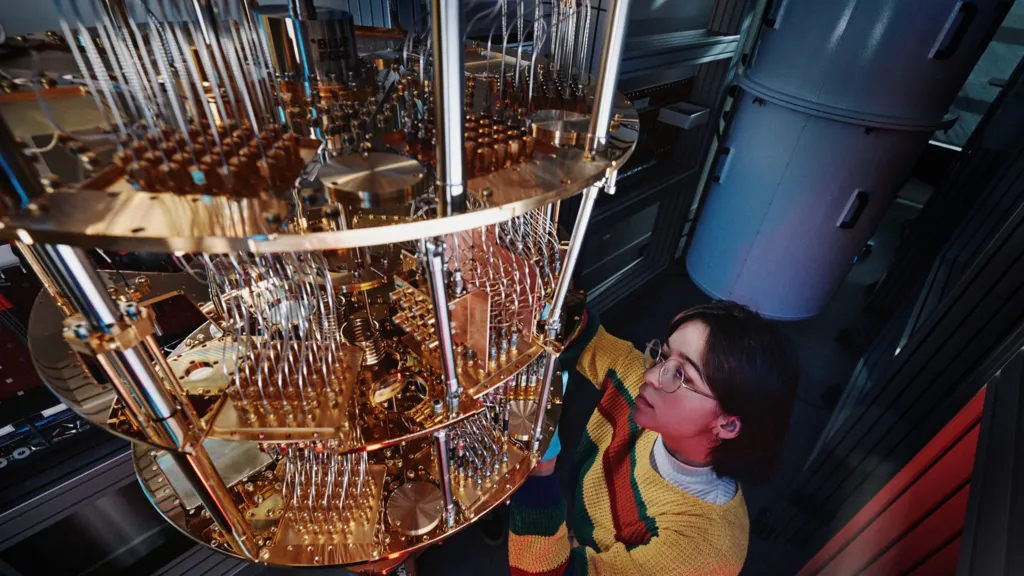
In the glass-walled laboratories of Delft, Munich, and Paris, a quiet revolution is unfolding that could redefine the global hierarchy of technological power. For decades, Europe has watched from the sidelines as Silicon Valley dominated the internet era and East Asia secured a stranglehold on semiconductor manufacturing. However, as the world stands on the precipice of the quantum age, the continent is no longer playing catch-up. Quantum computing, a field that utilizes the counterintuitive laws of subatomic physics to perform calculations at speeds unimaginable by today’s supercomputers, has emerged as the frontier where Europe may finally claim the gold medal.

The shift is driven by a unique combination of decades-long academic excellence and a newfound appetite for sovereign industrial strategy. Unlike the traditional software boom, which relied heavily on venture capital and consumer marketing, the quantum race is a marathon of deep science. European institutions have long been the bedrock of quantum theory, producing the foundational research that now powers the hardware being built by startups and tech giants alike. From the development of topological qubits to breakthroughs in photonics, European researchers are not just contributing to the field; they are setting the pace for the global community.
Brussels has recognized this window of opportunity, pouring billions of euros into the Quantum Technologies Flagship program. This initiative is designed to bridge the notorious “valley of death” between university research and commercial viability. By fostering a collaborative ecosystem that spans across borders, Europe is attempting to avoid the fragmentation that historically allowed its best ideas to be bought out by American firms. The goal is “digital sovereignty,” a concept that has become a mantra for EU policymakers who are determined to ensure that the infrastructure of the future—from unbreakable cryptography to drug discovery simulations—is rooted in European soil.
The competition is undeniably fierce. The United States continues to leverage the massive R&D budgets of behemoths like IBM, Google, and Microsoft, while China is investing at an unprecedented scale to secure its national communications networks. Yet, Europe’s advantage lies in its diversity of approach. While some regions focus on trapped-ion technology, others are perfecting superconducting loops or neutral atoms. This multi-pronged strategy acts as a hedge against the immense technical hurdles still facing the industry. If one path to a stable, error-corrected quantum computer hits a dead end, Europe has several other horses in the race.
Private investment is also beginning to mirror the public sector’s enthusiasm. European quantum startups are now attracting record-breaking funding rounds, with companies specializing in quantum software and specialized cooling systems becoming global leaders in their niches. The industrial application of these technologies is where the economic victory will be won. European automotive giants are already experimenting with quantum algorithms to optimize battery chemistry, while the continent’s massive chemical and pharmaceutical sectors view quantum simulation as the key to a new era of sustainable materials and personalized medicine.

As we look toward the 2030s, the question is no longer whether quantum computing will change the world, but whose standards and ethics will govern it. Europe’s emphasis on open science and rigorous data protection provides a distinct alternative to the “move fast and break things” ethos of the past. If the continent can maintain its current momentum and successfully scale its laboratory successes into industrial-grade machines, the quantum race may be remembered as the moment Europe reclaimed its status as the world’s primary engine of innovation. The stakes are nothing less than the next century of economic and security leadership.
Related News:
 Urgent AI Threat Research Needed, Says Google Boss
 Met Police Using AI Tools Supplied by Palantir to Flag Officer Misconduct
 Anthropic Boss Rejects Pentagon Demand to Drop AI Safeguards
 Jack Dorsey’s Block Cuts Thousands of Jobs as It Embraces AI
 How AI Can Read Our Scrambled Inner Thoughts
 Boy George Says He’s Using ChatGPT to Help Write New Songs
 Ukraine’s Anti-Drone Bullet Could Shield Gulf Skies
 India’s $300bn Outsourcing Industry Faces AI Test
 NHS Enlists AI in Major Push to Slash Hospital Waiting Lists
 Councils Pressed to Use Universal Parking App to Cut ‘Unfair’ Fines
 China’s Tech Giants Race to Hong Kong as Global “Staging Post”
 One Ant for $220: The New Frontier of Wildlife Trafficking
 China’s AI ‘Lobster’ Craze Signals Bigger Ambitions
 China and the US: The Divergent Fronts of the Global AI Superpower Race
 Beyond the Far Side: Artemis II Restores Contact After 40-Minute Silence
 Beyond the Flyby: What Artemis II Tells Us About the Next Giant Leap
 The Silicon Emerald: How Irish Engineers are Cashing In on the AI Boom
 Artemis II Returns After Historic Moon Flyby
 Spectacular ‘Blood Moon’ Illuminates Skies Across the Globe
 British Pilot Joins Crew Training for Year-Long Mars Simulation Mission
 Big Pharma Investment Freeze Puts UK Life Sciences Sector Under Strain
 Jaguar Land Rover Extends Production Halt Following Cyber-Attack
 Persistent Offenders Owe Over £700m in Ulez Fines as TfL Cracks Down on Evasion
 Google at 27: The Untold Story of Ruth Kedar, the Woman Behind the Iconic Logo
 Reform UK candidate fined £19,000 after using AI-generated cases to challenge election
 UK Campaigners Launch Bill to Grant Legal Rights to Nature
 Virgin Trains Moves Closer to Challenging Eurostar Monopoly
 UK Bans Fake Numbers: Scammers Lose Their Trick
 Vibe coding’ named Collins dictionary’s word of the year
 Patients to Test Health at Home to Ease NHS Winter Pressure
 Britain deploys RAF specialists to assist Belgium with drone threats
 Stop using ChatGPT to write speeches, AI minister tells MPs
 Northern Lights may illuminate UK skies this week
 New AI tool could cut wasted efforts in organ transplants
 Sundar Pichai Cautions on AI Hype and Market Risks
 Google Chief Urges Caution: Don’t Trust AI Blindly
 Beachy Head Woman Identified as Local Eastbourne Resident
 US Clears Nvidia AI Chip Sales to China in Policy Shift
 Astronomers Prepare for First-Ever Movie of a Black Hole
 Pornhub blocks new UK users over age checks dispute
 Amazon mistakenly signals new global layoffs to employees
 AI breast screening cuts later cancer diagnoses by 12%, study finds
 UK New Car Discounts Near £6,000 as Prices Are Slashed
 Most Statin Side-Effects Are Not Caused by Drugs, Study Confirms
 BT Names New Openreach Chief Amid Major Fibre Expansion
 Tech Trends Set to Transform Life in 2026
 How the Sound of Sport Is Being Reimagined for Deaf Fans
 Indian University Kicked Out of AI Summit for Claiming Chinese Robot Dog as Its Own Invention
 How Do You Modernise Mango Farming? India’s Growers Urged to Innovate as Climate Change Hits
 Musk Cuts Starlink Access for Russian Forces – Giving Ukraine an Edge at the Front
 AI Coding Firm’s ‘Pride’ at Business Award Win
 ‘A Disgrace’ — Patient Blasts Neurology Report
 Stewart Brand on Musk, Bezos and a Life of Long Thinking
 Facial Recognition Error Leads to Wrongful Arrest in Milton Keynes
 UK’s First Geothermal Plant Powers 10,000 Homes
 Social Media Trial: Woman Says Addiction Began at Six
 Burger King Rolls Out AI Headsets to Track Employee ‘Friendliness’
 Petrol Prices Soar as Retailers Accused of Gouging Amid Global Tension
 Iran War Puts Trump at Political Risk Amid Rising Prices
 Social Media Giant Trial Reaches Final Jury Decision
 The Molten Mystery of L98-59d: A New Class of Liquid Planet
 UK Forces Ready to Seize Russian Shadow Fleet Vessels
 The High Cost of Survival: How the 2026 Fiscal Outlook is Redefining British Life
 Fuel Famine: How African Nations are Rationing Power and ‘Diluting’ Petrol to Survive
 ‘Eye in the Sky’ Blinded: Photos Reveal Destroyed US Radar Jet at Saudi Base
 Trump Considers Military Operation to Seize Iran’s Uranium
 John Bengtson: The ‘Silent Film Sleuth’ Who Found History in the Background
 ‘Zoom Dysmorphia’ Explosion: BDD Patients Quadruple in Post-Pandemic UK
 ‘The Insulation Trap’: Knifeman Discovered Hiding Under Loft Padding After Six-Hour Standoff
 Trump Signals US Exit From Iran as Tehran Eyes Peace
 The $11k Ticket: High Stakes and Dynamic Pricing in FIFA’s First Open Sale
 Benefits and Pensions Rise as Two-Child Cap Ends
 Voices of the Vanguard: ‘Audio Time Capsule’ of Disability Rights Pioneers Discovered
 Electric Shock: Australians Buy Record Number of New EVs as Fuel Crisis Bites
 War, Windfalls, and the Carbon Trap: The Iran Conflict’s Brutal Energy Math
 The Great Chokehold: Why the Strait of Hormuz is the Epicenter of the 2026 Crisis
 Tech Giants Condemn EU Over Lapse in Child Abuse Laws
 Moldova River Crisis Exposes War’s Hidden Cost
 GSK cancer drug shows early promise in trials
 The Frozen Frontier: Why Frostbite is the Least of Concerns for Canada’s Arctic Forces