
Published: 14 April 2026. The English Chronicle Desk. The English Chronicle Online
In a significant move to overhaul the nation’s vocational landscape, the government has announced that further education colleges across the country will share a substantial £175 million investment fund. The capital injection is specifically earmarked to align educational output with the rapidly evolving demands of the 2030s labor market. By prioritizing high-tech sectors such as green energy, advanced manufacturing, and artificial intelligence, the initiative aims to close the persistent “skills gap” that has long hampered regional economic growth and left many school-leavers ill-equipped for the modern industrial environment.

The funding, distributed through the Local Skills Improvement Fund (LSIF), represents one of the largest single investments in the college sector in recent years. Education officials have clarified that the money is not intended for general maintenance but must be used for “transformative projects.” This includes the creation of state-of-the-art “innovation hubs,” the purchase of industry-grade robotics for engineering departments, and the development of specialized laboratories dedicated to sustainable construction techniques. The goal is to ensure that a student studying in a regional college has access to the same caliber of equipment and expertise as those in major metropolitan tech hubs.
A key pillar of the strategy is the mandatory partnership between colleges and local employers. To unlock their portion of the £175 million, educational institutions must demonstrate that their curriculum changes are directly informed by the needs of businesses within their specific catchment area. In the northeast, this may manifest as a surge in offshore wind turbine maintenance courses, while colleges in the Midlands might focus on the transition to electric vehicle production. This localized approach is designed to prevent “brain drain,” encouraging young people to stay and work in their home regions by providing clear pathways to high-paying, future-proof careers.
The announcement comes at a critical time for the UK economy, which is currently grappling with the dual pressures of an aging workforce and the disruptive influence of automation. Industry leaders have largely welcomed the move, noting that for too long, the prestige of academic degrees has overshadowed the vital importance of high-level technical skills. By elevating the status of further education, the government hopes to create a “parity of esteem” between vocational and academic routes. However, some union representatives have cautioned that while capital investment is welcome, it must be accompanied by a long-term strategy to address the recruitment and retention of the specialist lecturers required to teach these new, advanced subjects.

As the first wave of funding begins to reach campuses this autumn, the impact on the local economy is expected to be felt within the next two to three years. For students, the promise of the £175 million fund is a curriculum that finally reflects the reality of the 21st-century workplace. As the traditional boundaries between “blue-collar” and “white-collar” jobs continue to dissolve in the face of technological advancement, these colleges will serve as the engine rooms of the new economy. The success of this initiative will be measured not just in graduation rates, but in the resilience and adaptability of a workforce prepared to lead the global transition to a greener, more digital future.
Related News:
 A-level Results in England Expected to Return to Pre-Pandemic Norms with Shifting Subject Preferences
 Parents spending £5,000 on special school assessments in England
 New V-Level qualification to transform post-16 education
 Bloomsbury chief: AI will aid authors in beating writer’s block
 ACCA Ends Remote Exams Over AI Cheating Surge
 City & Guilds pay surge sparks backlash amid £22m cuts
 Defence Sector Students Get £80m Government Funding
 Free Tuition Under Threat Without Revenue Boost, Report Warns
 US Trade Deficit Hits Fresh High Despite Trump’s Tariffs
 Trump Announces Global Tariffs to Rise to 15%
 UK Job Vacancies Fall to Lowest Level Since Pandemic
 Tories Would Scrap ‘Debt Trap’ of High‑Interest Student Loans, Says Kemi Badenoch
 Ukraine war briefing: Russia exporting more oil now than before war despite sanctions – report
 MPs Backed by Phillipson as She Defends Student Loan Change; Average Repayments to Rise by £8 a Month
 Canada’s Finance Minister Says US Unlikely to Lift Tariffs
 China Sets Lowest Economic Growth Target Since 1991
 US Trade Court Orders Tariff Refunds in Setback for Trump Administration
 Stock Markets and Oil Prices Still Volatile Over Fears Iran War May Drag On
 Could Trump Threaten London’s £50bn Insurance Giant?
 Irish economy grew strongly in 2025
 Pagazzi Lighting Collapse Sees 70 Jobs Lost Across Scotland
 Fuel Price Rise Makes Profit ‘Tricky’ for Taxis
 Wealthy Britons Flee Gulf War but Avoid UK Taxes
 UK Wage Growth Slows as Jobs Market Holds Firm
 UK Doubles Steel Tariffs to 50% to Protect Domestic Plants
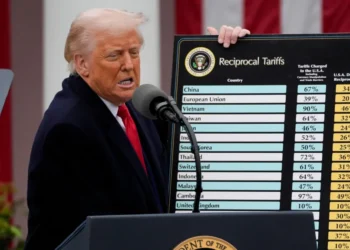 One Year of the “Trump Tariffs”: A Global Economic Shift
 The Bitter Aftertaste: Iran War Threatens to Spike Prices for Indian Beer and Bottled Water
 The Pre-School Lottery: Families Left in ‘Holding Pattern’ as Local Places Vanish
 Student Loan Interest May Rise Despite 6% Cap
 The Vance Verdict: How the Vice President Navigated the Islamabad “Pressure Cooker”
 The Blockade Gambit: Trump’s High-Stakes Threat Leaves Middle East Predicaments Unchanged
 From Fields to Foundations: The Farmer Who Swapped His Tractor for a Dumper Truck
 Post Office Scandal Compensation Tops £1 Billion as Victims Finally See Justice
 Princess of Wales Launches Animated Video Series to Support Early Childhood Development
 Education Leaders Call for End to Compulsory GCSE Resits in English and Maths
 Thousands of New School Nursery Places to Be Rolled Out Across England
 Big Pharma Investment Freeze Puts UK Life Sciences Sector Under Strain
 White Low-Income Pupils in England Show Lowest Levels of School Engagement, Study Finds
 UK House Price Growth Slows as Buyers Exercise Caution Ahead of Autumn Budget
 Reeves Faces Setback as Labour May Miss Homes Target
 Trump’s UK Ambassador Urges North Sea Drilling to Strengthen US Ties
 Millionaires group urge Reeves to introduce wealth tax to ‘lift kids out of poverty’
 Phillipson Accused of Appeasing Unions by Diluting EBacc
 Starmer Says Labour’s Economic Plan Needs Years to Deliver
 Tory Free Schools Waste £325m on Failed Projects
 Historic £100-Weekly Pension Boost Brings Relief for UK Mineworkers
 Cambridge College Faces Backlash Over Private School Recruitment
 UK Ministers Drop Foreign Student Targets for Global Education Push
 US Dollar Hits Four-Year Low Amid Market Turmoil
 UK New Car Discounts Near £6,000 as Prices Are Slashed
 Pound Sinks and Borrowing Costs Rise as Starmer Fights for Job
 Major UK Clothing Firm Collapses into Administration — 109 Jobs at Risk
 BT Names New Openreach Chief Amid Major Fibre Expansion
 Send spending gap leaves deprived areas behind
 Is Dining Out Dying Out?
 Could Manchester Lead the UK’s Economic Revival?
 Lloyds Boss Accepts Concern Over Use of Staff Data in Pay Talks
 With Scottish Freebies Under Threat, University Tuition Is on the ‘Hit List’
 AI Coding Firm’s ‘Pride’ at Business Award Win
 UK Job Vacancies Hit Five-Year Pandemic Low
 UK Youth Unemployment Surges Amid Tax Changes
 Iran War Puts Trump at Political Risk Amid Rising Prices
 ‘Heating Oil Suppliers Are Holding Us to Ransom’ as Prices and Cancellations Surge
 New Survey Reveals Troubling Rise in Campus Antisemitism
 Sri Lanka Sets Weekly Shutdown to Save Fuel
 Charity Watchdog Takes Control of Learning Disability Care Home
 UK Forces Ready to Seize Russian Shadow Fleet Vessels
 Keir Starmer Vows Strong Action Against Online Tech Giants
 The 8 Million Dilemma: Why Britain’s Disability Safety Net is Facing a ‘2026 Reckoning’
 Russia: The Unforeseen Winner of the Iran Conflict
 National Treasure: Raja Ravi Varma Masterpiece Smashes Indian Art Record with $17.9m Sale
 New UK Farm Inheritance Tax Rule Will Cause ‘Significant Challenges’, Say Accountants
 Oil and Diplomacy: Russian Refineries Burn as Zelenskyy Secures Middle East Shield
 Asian Powers Secure Energy Lifelines as Trump’s Hormuz Deadline Looms
 Electric Shock: Australians Buy Record Number of New EVs as Fuel Crisis Bites
 The Great Chokehold: Why the Strait of Hormuz is the Epicenter of the 2026 Crisis
 Green Light for Britain’s Electric Future in Somerset
 School Plate Revolution: England Bans Fried Menu Classics
 The Waiting Ward: ‘Month of Worry’ as Doctor Strikes Trigger Seismic Surgery Delays
 Diplomatic Deadlock: Lebanon Enters High-Stakes Border Talks with ‘No Cards to Play’