Published: 15 April 2026. The English Chronicle Desk. The English Chronicle Online.
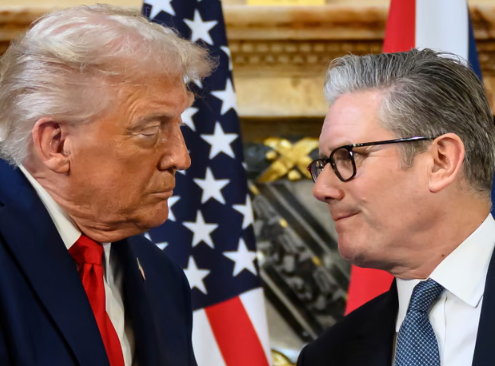
The landscape of international diplomacy shifted significantly today as Donald Trump issued a blunt warning. The American president suggested that the landmark trade agreement with Britain is now under serious threat. This deal was signed only last year to reduce many heavy tariffs on major exports. Trump now insists that the current economic arrangement could be changed at any given moment. He claimed the original terms were much more generous than he truly needed to offer then. These comments follow a series of public disagreements regarding the ongoing military conflict in Iran. The president appears increasingly frustrated with the lack of support from his traditional British allies lately. He described the historic special relationship as being in a truly sad and disappointing state now. This rhetoric has sparked immediate concern across the hallowed halls of Westminster and the City.
Ministers in the United Kingdom had previously hailed the trade pact as a vital economic success. They argued that the deal proved the enduring strength of the bond between both great nations. However, the mood in London has soured as the war in Iran impacts global markets today. British officials are privately furious about the severe economic fallout caused by the recent American strikes. There is a growing fear that this conflict could trigger a deep and painful global recession. Economists warn that such a downturn would hurt the United Kingdom more than other G7 nations. Prime Minister Keir Starmer has faced immense pressure to maintain domestic stability during this volatile time. He recently expressed his exhaustion with American actions that have driven up local energy bills significantly. The chancellor, Rachel Reeves, has also shared her deep frustration regarding the lack of clear goals.

The tension reached a new peak during a phone interview the president gave to Sky News. Speaking from his personal mobile, Trump accused Britain of failing to help when it mattered most. He claimed the United Kingdom was not there for the United States during the recent escalation. This sense of betrayal seems to be the driving force behind his recent trade-related threats today. He reiterated that the trade deal remains a flexible document that he can easily alter now. Such uncertainty poses a significant risk to British industries like car manufacturing and steel production. These sectors have relied on the reduced tariffs to remain competitive within the large American market. If the president follows through, the economic consequences for British workers could be quite severe indeed. Many analysts believe this is a deliberate tactic to force London back into a supportive role.
Keir Starmer has reacted to this instability by seeking much closer ties with the European Union. He argues that the economic benefits of a stronger European partnership are now too big to ignore. The prime minister believes that the United States has proven to be an unreliable strategic partner lately. This pivot marks a significant shift in British foreign policy since the last general election occurred. Starmer is prioritizing security and regional cooperation to buffer the nation against unpredictable shocks from Washington. This strategy suggests a cooling of the special relationship in favor of more stable continental bonds. European leaders have reportedly welcomed this shift as they also navigate the fallout of the war. Meanwhile, the British public remains deeply divided on the best path forward for the national economy. Some argue for loyalty to America while others demand a more independent and European-focused future.
Despite the harsh rhetoric, Trump hinted that a ceasefire in Tehran might be achievable very soon. He suggested that a deal could be reached before King Charles visits the United States shortly. The president claimed that the Iranian forces are feeling the pressure of recent American military actions. This potential for peace offers a small glimmer of hope for the global energy markets today. However, Trump did not miss the chance to criticize other British domestic policies during his call. He specifically targeted the decision to close North Sea oil fields under the current Labour government. The president claimed this move has led to the highest energy prices in the entire world. He also attacked the immigration policies of the Starmer administration with his usual blunt and direct style. In his view, these internal decisions are destroying the long-term prospects of the United Kingdom.
Rachel Reeves is currently in Washington for the spring meetings of the International Monetary Fund today. She is scheduled to meet with the American treasury secretary, Scott Bessent, to discuss these issues. Bessent has previously stated that some economic pain is a small price for global security. He believes that stopping Tehran from obtaining nuclear weapons justifies the current market volatility and risks. This position stands in stark contrast to the views held by the British Treasury right now. Reeves has openly criticized the folly of military action without a comprehensive plan for economic stability. She is expected to advocate for a more balanced approach that protects families from rising costs. The meeting will likely be a tense encounter between two very different visions for global finance. The IMF has already lowered the growth forecast for the United Kingdom due to this conflict.

The global financial community is watching these developments with a high degree of concern and caution. The IMF warned that a worldwide recession is a very real possibility if the war continues. However, the Bank of England governor, Andrew Bailey, offered a slightly more optimistic outlook for Britain. He noted that the domestic banking system is far more resilient than it was years ago. Bailey believes that the structural reforms made after the financial crisis will protect the nation today. While the economic data looks challenging, the fundamental strength of British banks remains a vital shield. This resilience will be tested if Trump decides to tear up the existing trade agreement soon. Business leaders are calling for calm and a diplomatic resolution to the current transatlantic trade dispute. They fear that a trade war combined with an energy crisis would be truly devastating.
The special relationship is clearly enduring its most difficult period in recent political history and memory. Both nations seem to be moving in different directions regarding Middle Eastern policy and global trade. Trump continues to use his platform to challenge the sovereignty of British domestic policy and choices. His comments regarding immigration and energy are seen by many as an unnecessary interference in affairs. Supporters of the president argue that he is simply being honest about the risks of socialism. Critics, however, view his words as an attempt to undermine a democratically elected British government today. The coming weeks will be crucial for the future of the US-UK trade partnership and security. As King Charles prepares for his state visit, the diplomatic stakes have never been higher. Both sides must decide if the historic bond is worth saving through compromise and dialogue.
The English Chronicle will continue to provide updates on this developing story as more information arrives. For now, the focus remains on the meeting between Reeves and Bessent in the American capital. Their discussion could determine the economic fate of millions of people across the Atlantic and beyond. The world waits to see if the president will act on his threats against trade. Or perhaps a ceasefire in Iran will provide the cooling-off period that everyone so desperately needs. Until then, the tension between Starmer and Trump remains a defining feature of modern global politics. The strength of the United Kingdom will be measured by its ability to navigate this storm. With the European Union waiting, London has more options than it did in previous political eras. The outcome of this struggle will shape the decade for both the British and Americans.
Related News:
 Canada Passes Carney’s First Budget in Tight Parliamentary Vote
 India’s Labour Law Overhaul Sparks Fierce Debate
 Carney’s Alberta Pipeline Deal Sparks Immediate Pushback
 Mark Carney Walks Diplomatic Tightrope on China Visit
 Trump to Deploy “God Squad” Over Gulf Wildlife Protections
 Athens Mayor Moves to Tackle Overtourism Crisis
 Southeast Asia Turns to Russia Amid Energy Crisis
 US Calls Australia Media Law “Foreign Extortion”
 Capitalism ‘Suicidal’, Warns Petro at Climate Summit
 Oil Prices Surge Above $120 Amid Iran Blockade Fears
 Trump approval plunges amid Iran war fears
 Trump Threatens UN Budget Cuts as US Pushes ‘Trade Over Aid’ Agenda
 Norway Doubles Down on Oil and Gas for Europe Energy Security
 US Awaits Iran Reply on New Ceasefire Proposal
 Beijing Becomes Centerstage for Global Diplomatic Ballet
 Hormuz Talks Near Critical Stage
 UK Pushes for New EU Goods Trade Deal
 Reeves Fights to Keep Treasury Role Amid Labour Turmoil
 Europe Weighs Hormuz Navigation Fee Plan
 Ukraine Creates Long-Range Strike Command
 Trump’s UK Ambassador Urges North Sea Drilling to Strengthen US Ties
BBC to Apologise Over Edited Trump Speech Amid Backlash
Trump’s UK Ambassador Urges North Sea Drilling to Strengthen US Ties
BBC to Apologise Over Edited Trump Speech Amid Backlash
 Britain deploys RAF specialists to assist Belgium with drone threats
 Millionaires group urge Reeves to introduce wealth tax to ‘lift kids out of poverty’
 Greene Pushes Epstein Files Amid Trump Fallout
 Trump Deploys DHS to Charlotte in Major Arrest Operation
 December Run-Off in Chile as Election Produces No Winner
 Shadow Fleet at Sea: Europe’s Battle Against Illicit Oil Shipping
 Pentagon Officials in Ukraine to Discuss War End
 Venezuela Threatens Nobel Winner Machado with Fugitive Status
 Georgians Defy Government Crackdown After Year of Protests
 Starmer Says Labour’s Economic Plan Needs Years to Deliver
 EU plans $105bn Ukraine aid using frozen Russian assets
 Trump Policies Boost China’s Global Rise, Survey Finds
 Trump Fed bid heads to Supreme Court
 Pentagon Signals Reduced Role in Deterring North Korea
 ‘Black Tax’: Burden, Pride and Survival for African Workers
 Thousands Protest ICE Operations in Nationwide US Day of Action
 EU Signals Open Mind on UK Customs Union Talks
 UK and US Drop in Global Corruption Index Rankings
 UK shelves £110m border project amid trade strain
 Canberra Poster Seizure Sparks Free Speech Row
 Evo Morales Returns After Mysterious Absence
 AFP Reviews Pauline Hanson Comments
 Trump Tariffs Threat Spark UK and EU Alarm
 The Dangerous Rise of Remigration Across Modern Europe
 Jacinda Ardern Moves To Australia Following Her US Fellowships
 US to offer passport services in West Bank settlements
 Jacinda Ardern Move Sparks Kiwi Reflection
 Nick Greiner Warns Over Election Review Fallout
 Iran Defiance Grows Amid US-Israel War Pressure
 Injured Mojtaba Khamenei Elevated as Iran Leader
 Gordon Brown urges court for crimes against children
 Oil Prices Jump After Trump Claims Iran Oil Hub Destroyed
 Pakistan Targets Militant Hideouts in Afghanistan
 Oil Slides, Stocks Jump on Trump Peace Signals
 Danish Election Deadlock Shakes Frederiksen’s Grip
 Air Canada CEO Faces Outcry Over Recent Language Misstep
 Pope Rebukes Leaders for War as Middle East Tensions Rise
 Army Probes Apache Flyover at Kid Rock’s Nashville Estate
 Relationship with Trump may be beyond repair, Starmer warned
 Italian Town Buys Mussolini Villa to Keep Away Fascist Fans
 Report Says Pezzullo Acted ‘Recklessly’ in Dealings
 Suspected Plot Targets Pipeline Before Hungary Vote
 $13bn World Cup Set to Break All Revenue Records
 Ohio’s Battle for Trust: Democrats Vying to Flip the Buckeye State
 Tough Fiscal Realities Await Next Scottish Government
 US ‘Narco Boat’ Strikes Draw Global Outcry
 Afghan Families Left in Limbo Face Risk of Deportation
 High Street Crisis: Fears Grow Over Post Office Closures
 Oil Markets Face ‘Red Zone’ Threat Amid Iran Crisis
 Albanese Defends Tax Reforms Amid Emotional Speech
 Discontent grows around Putin amid war strain
 Starmer Leadership Under Pressure After Setbacks
 House Curbs Trump’s War Powers in Rare Rebellion
 UK Economy Suffers a Sharp Downturn as Iran Conflict Bites
 New South Wales Premier Chris Minns Signals Tough Road Ahead for Labor
 Le Pen to Run for President Despite Embezzlement Conviction
 Houthis Strike Saudi Arabia as Middle East Tensions Rise
 Former Diplomats Urge UK and France to Act on Palestine