Published: 19th July ‘2025. The English Chronicle Desk
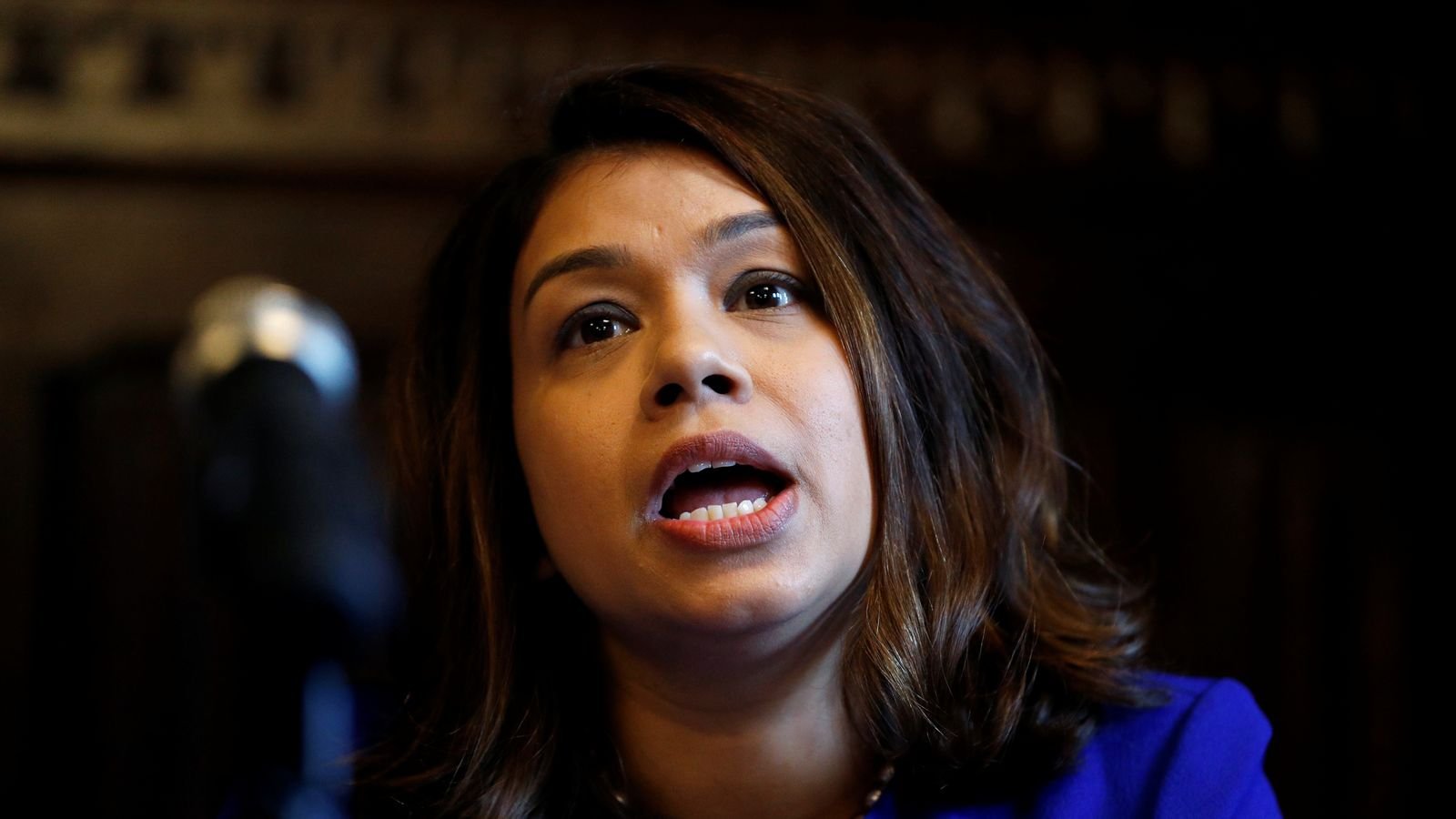
In an exclusive interview, Tulip Siddiq, the British Member of Parliament for Hampstead and Highgate and former Treasury minister, has spoken out about the ongoing corruption trial in Bangladesh in which she has been implicated. The niece of former Bangladeshi Prime Minister Sheikh Hasina, Siddiq described the allegations against her as “completely absurd” and said she feels like “collateral damage” amid a political feud unfolding in her ancestral homeland.

Siddiq, a loyal supporter of Labour leader Keir Starmer, revealed that she only recently learned of her formal indictment in Bangladesh through a journalist contacting her lawyer. The charges accuse her of using her familial influence to secure land in Purbachal, a suburb of Dhaka, for her mother, brother, and sister. However, she maintains that the accusations lack any foundation and remains perplexed about the details of the case.
The trial, which also involves more than 20 other defendants, is set to begin on August 11. Siddiq remains uncertain whether she will participate in person or via videolink, stating that she has yet to receive an official summons or clear information about the specific charges. “I feel a bit like I’m trapped in this Kafkaesque nightmare,” she told The English Chronicle Online, expressing frustration over the opaque legal process.
Bangladeshi authorities have indicated they may proceed with a trial in absentia if Siddiq does not appear. The question of extradition hangs in the balance, as the UK and Bangladesh currently do not have an extradition treaty, a point Siddiq confirmed she personally verified.
The political context surrounding the case is turbulent. After Sheikh Hasina’s government fell following widespread protests and civil unrest, a new administration under economist Muhammad Yunus took power in Dhaka. This political shift has brought intensified scrutiny and accusations against figures connected to the former regime, including Siddiq and her family. The former Prime Minister and Siddiq’s mother, Sheikh Rehana, fled Bangladesh amid the turmoil, echoing a dark family history marked by the assassination of Siddiq’s grandfather, the nation’s first president, during the 1975 coup.
Siddiq’s life in the UK continues largely as normal, living with her husband and two children. She stresses that she is not defending her aunt’s political legacy, acknowledging ongoing investigations into Hasina’s time in office. However, she insists she has been unfairly targeted by “dirty politics,” citing defamatory reports linking her to massive financial scandals and allegations of improper gifts, such as a London flat purportedly linked to political associates — claims she refutes.
Clarifying confusion about the flat, Siddiq explained that her parents had bought it decades ago, though she had mistakenly provided conflicting information to the media, which she attributes to the fading memory of her elderly parents. She also highlighted concerns for her personal security, including a move from a property owned by a Bangladeshi-heritage landlord after threats surfaced.
In response to the allegations, Siddiq voluntarily referred herself to the UK’s independent adviser on ministerial standards, Sir Laurie Magnus. After thorough scrutiny, Magnus cleared her of breaching the ministerial code, though he noted that she could have been more alert to reputational risks given her family connections.
Despite her resignation from ministerial office to prevent distraction from government work, Starmer’s support remains steadfast, with assurances that she may return to a government role in the future. Yet, the accusations and political tensions persist, with Siddiq’s legal team still seeking clear information and access to evidence.
Meanwhile, reports suggest ongoing human rights concerns in Bangladesh, including violence and attacks on journalists and minority groups linked to the country’s political upheaval. Siddiq’s attempts to engage with the current government for dialogue have been rebuffed, with the administration emphasizing the need to avoid prejudicing judicial proceedings.

Financial probes have also extended internationally, with UK authorities freezing assets tied to allies of the former regime, including properties where Siddiq’s family members reside. Siddiq denies any involvement with these assets.
Summing up her predicament, Siddiq reflected, “The truth is that I’m collateral damage, because of this feud between Muhammad Yunus and my aunt. These are wider forces that I’m battling against… There’s no doubt people have done wrong things in Bangladesh, and they should be punished for it. It’s just I’m not one of them.”
Her case underscores the complex intertwining of family, politics, and international law, as Siddiq navigates a personal and political storm far from her parliamentary duties in the UK.
Related News:
 UK Must Act with Courage and Clarity on Israel-Palestine Conflict, Says Foreign Affairs Committee Report
 Starmer and Trump to Meet in Scotland Amid Growing Gaza Ceasefire Pressure
 Minister Dismisses Legal Concerns Over UK’s Pledge to Recognise Palestinian State
 MPs Call on UK Government to Delay Biometric Visa Checks for Gaza Students Amid Humanitarian Crisis
 Radioactive Leak at UK’s Nuclear Warhead Base Sparks Outcry Over Safety and Secrecy
 Mutual Inconvenience: Why Alaska Was Chosen for the Trump-Putin Summit on Ukraine
 “I Don’t Expect to Live a Normal Life”: How a Leeds Teenager Became the Target of a Chinese Bounty
 Ministers Accused of Defamation Over Palestine Action Ban and Mass Arrests
 UK Defence Secretary Says Allied Troops ‘Ready to Act from Day One’ if Ukraine Ceasefire Agreed
 Is the UK Ready to Put Boots on the Ground in Ukraine? Assessing Military Capacity and Challenges
 Protests Expected as Israeli Arms Firms Join Global Defence Trade Fair in London
 UK Home Office to Launch French Beach Signage to Warn Asylum Seekers of Risks
 Charlie Kirk Killing Used to Mobilise UK’s Largest Far-Right Rally in Decades
 UK Immigration Figures: Separating Facts from Perceptions
 Far-Right Rally in London Draws Record Crowds Amid Clashes with Police
 Thousands Gather in London to Protest Donald Trump’s Second UK State Visit
 UK and Ireland Set to Unveil New Proposals to Address Northern Ireland’s Troubles Legacy
 Trump Urges UK to “Call Out the Military” to Secure Borders Amid State Visit
 Tulip Siddiq Raises Concerns Over Alleged ‘Fake’ Documents in Bangladesh Corruption Trial
 UK Recognises State of Palestine in Push to Preserve Hope for Peace
 UK’s Recognition of Palestine: Symbolic Step or Real Change?
Trump’s UN Speech Criticises London and UK Policies, Draws Far-Right Attention
UK’s Recognition of Palestine: Symbolic Step or Real Change?
Trump’s UN Speech Criticises London and UK Policies, Draws Far-Right Attention
 UK Fighter Jet Purchase Could Breach Nuclear Treaty, Warns CND
 A Third of EU Citizens in UK Report Discrimination by Public Bodies Post-Brexit
 Jailed Georgian Opposition Leaders Warn UK of Iranian Links to Ruling Party
 Russia repeatedly targets UK military satellites, warns Space Command chief
 Pro-Palestine March to Proceed in London Despite Calls to Cancel After Manchester Attack
 UK Universities Warn Students Ahead of 7 October Pro-Palestine Protests
Starmer Considers Stricter Measures on Pro-Palestinian Protest Chants
UK Universities Warn Students Ahead of 7 October Pro-Palestine Protests
Starmer Considers Stricter Measures on Pro-Palestinian Protest Chants
 Public Trust in SNP Hits Historic Low Amid NHS Concerns
 Tony Blair Met Jeffrey Epstein at Downing Street in 2002
 China’s Mega Embassy in London Faces Further Delay
 Johnson Suggests Mandelson Linked to China Spy Controversy
 Minister Blames Deputy for Collapse of China Spy Case
 Shabana Mahmood Warns Border Failings Are Eroding Trust in States
 Witness statements reveal the CPS China spy row collapse in the UK
 Large scale Chinese spying in UK sparks political storm
 Nigel Farage Calls Vladimir Putin ‘A Very Bad Dude’
 Rachel Reeves signals welfare reform ahead of key budget
 Prince Andrew met alleged Chinese spies during Pitch@Palace China trips
 Kosovo agrees to host Britain’s refused asylum seekers
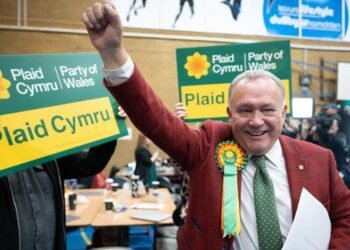 Plaid Cymru Triumphs in Caerphilly, Ending Labour Century-Long Hold
 Rachel Reeves to lead UK trade push in Saudi Arabia amid rights debate
 British Woman in Iran ‘Losing Hope’ Amid Ongoing Detention
 Johnson Approved China’s London ‘Super-Embassy’ in 2018
 BBC Journalist Held and Interrogated in Vietnam
 Zohran Mamdani becomes New York City’s first Muslim mayor
Zohran Mamdani names all-female transition team for NYC mayoralty
Zohran Mamdani becomes New York City’s first Muslim mayor
Zohran Mamdani names all-female transition team for NYC mayoralty
 Second world war veterans honoured as King leads Remembrance Sunday
 BBC director-general and news chief resign amid bias row
 New review urges UK to repatriate Shamima Begum, others from Syria
 Rama Rebukes Mahmood for Targeting Albanian Families
 Russian Vessel Used Lasers on RAF Pilots, UK Claims
 Ireland Boosts Ukraine Aid as Zelensky Visits Dublin
 UK Government Expands ‘Deport Now, Appeal Later’ Policy to 23 Countries
 Where Is Prince William and Kate Middleton’s New House? Inside the Historic Lodge Set to Become Their ‘Forever Home’
 Larger Families Could Gain Thousands if Labour Ends Two-Child Benefit Cap
 Palestine Action Ban Protesters Plan Tactic to Overwhelm Police at Next London Demonstration
 Conservative Influencer Charlie Kirk Fatally Shot During University Debate
UK Rejoining EU ‘Unlikely in My Lifetime,’ Says Starmer’s Europe Reset Negotiator
Conservative Influencer Charlie Kirk Fatally Shot During University Debate
UK Rejoining EU ‘Unlikely in My Lifetime,’ Says Starmer’s Europe Reset Negotiator
 ‘Unite the Kingdom’ Rally Sparks Fears of Far-Right Normalisation Among Minority Britons
 Zarah Sultana Seeks Legal Action After Bitter Clash with Jeremy Corbyn Over Party Membership Funds
 Top Andy Burnham Ally Launches Fierce Critique of Starmer Ahead of Labour Conference
 Mahmood Pledges Reform of Modern Slavery Laws After Court Blocks Deportation Appeal
 Ed Miliband Urges Labour to Confront Billionaire-Backed Opposition to Net Zero Goals
 Digital ID Plans Ignite Debate Over £600m Treasury Tax Boost and Privacy Concerns
 Yvette Cooper Backs Digital ID Plan for UK Teens
 Ministry of Justice fails to file £11bn in spending receipts
 Reform UK candidate fined £19,000 after using AI-generated cases to challenge election
 William Steps Up Over Prince Andrew Palace Response
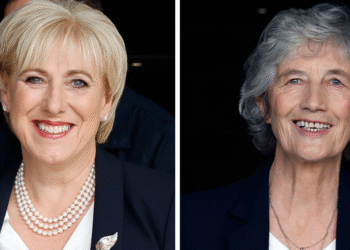 Ireland Votes as Two Women Compete for Presidency
 Experts Warn Russia’s Burevestnik Missile Could Destabilise Arms Control
 Green Party Surges Past Labour in Latest UK Poll
 Zarah Sultana Launches Party to Change Politics
 Just Stop Oil Protesters Convicted Amid Climate Defence Row
 Starmer Faces Growing Dissent as Labour MPs Weigh Leadership Challenge
 Peers Flood Assisted Dying Bill with 942 Amendments
 Trump Deploys DHS to Charlotte in Major Arrest Operation
 Pentagon Officials in Ukraine to Discuss War End
 Most Tories Expect to Support a Farage-Led Government