Published: 18 April 2026. The English Chronicle Desk. The English Chronicle Online.
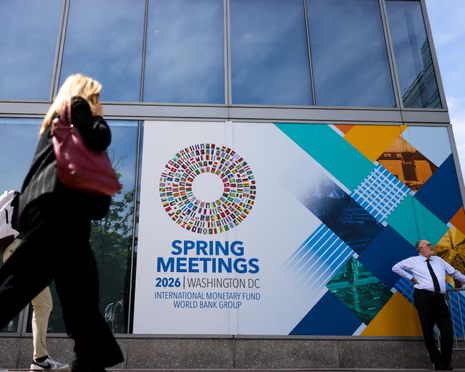
The world faces its most severe energy shock since the seventies. Global recession risks loom large over every major economy right now. Households everywhere are currently stomaching a massive, renewed cost-of-living surge. These rising prices are hitting the most vulnerable families quite hard indeed. In a sweltering Washington this week, the atmosphere felt profoundly chilling. Financial leaders believed that global living standards were finally looking up. Then the sudden onset of the Iran war changed everything. Some countries are now clearly in a state of deep panic. This assessment came from the fund’s own managing director, Kristalina Georgieva. She addressed finance ministers and central bank heads this week in Washington. The IMF and World Bank are holding their crucial annual spring meetings. Georgieva stressed that the conflict should end quickly for everyone’s benefit. Such elite gatherings are not typically used to fight intense geopolitical battles. One senior figure remarked that people do not shout at these events. Yet, an April heatwave swept through the US capital this week. No one could ignore the mounting damage caused by the ongoing war. Attendees gathered for breakfast at a meeting of G20 representatives Thursday.

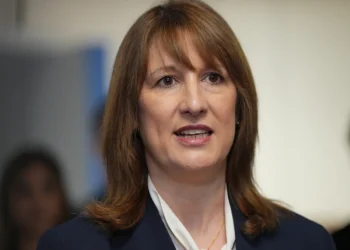
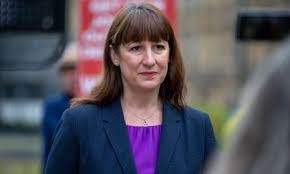
This group included treasury secretary Scott Bessent and chair Jerome Powell. Observers said the room felt sombre during an open exchange of views. It was a twilight zone meeting, noted economist Mohamed El-Erian today. He is a former deputy director now advising the Allianz insurance group. He believes there are several dark shadows hanging over the current event. One primary concern involves the future of the global economy as whole. A second issue is that some countries face truly devastating impacts. These nations are ones that very few people are talking about lately. The third concern involves the fact that the US initiated this war. The United States will be hit but much less than other nations. Before that Thursday breakfast, Rachel Reeves began her day running. She joined counterparts from Spain, Australia, and New Zealand for exercise. They ran down the iconic National Mall in the morning sun today. She posted a selfie with a message about working together well. A day earlier, the chancellor had spoken at a CNBC conference. She told the audience that friends are allowed to disagree openly. She criticised the American war as a mistake and a folly. She argued that this decision has not made the world safer. She spoke at a venue quite close to the White House. This occurred before a private meeting with treasury secretary Scott Bessent. She said this fair message was needed by British families today. UK businesses are currently feeling pain from higher energy prices daily. Those close to the chancellor insist the meeting remained quite cordial. Britain and the US share interests in AI and financial services. The chancellor also noted that the UK dislikes the Iranian regime. However, the IMF warned on Tuesday of a global recession. Britain would be the biggest G7 casualty of this conflict. It was clear the chancellor arrived ready to pick a fight. One global financier noted how vocal she has been this week. We know about disagreements between Bessent and European officials earlier. But those arguments mostly took place behind very closed doors. A party was held at the British ambassador’s home yesterday. Hundreds of diplomats and financiers attended this significant evening event. The Bank of England governor and various executives were present there. This transatlantic tension was a major topic of conversation all night. King Charles will visit the United States in several weeks. The guests also discussed the former ambassador’s controversial new appointment. This revelation threatened to further rock the current UK government. Before the war, the agenda focused on global cooperation instead. Discussions included the adoption of AI and eradicating extreme poverty. Each of those tasks has now become significantly more complicated. Many attendees focused on forging closer ties without American leadership. David Miliband noted how everyone hedges against various American decisions. He currently runs the International Rescue Committee in the city. You cannot do without them because they are very large. They represent one quarter of the entire global economic output. However, in many international forums, they have recently pulled out. Everyone must now think about how to structure global cooperation. The old western order is clearly not coming back soon. Everyone must figure out how to position themselves for that. There was irony in the fact they were meeting here. These institutions were founded to promote global cooperation after war. The whole idea was to avoid the conditions of the past. Yet this year’s meeting was taking place amid these problems. The economists also knew the real power lay elsewhere today. The White House sits behind security cordons across the town. El-Erian noted that it is not clear they can act. Still, the booming economy driven by AI remains quite strong. Anthropic’s powerful Mythos model was the topic of much conversation. Most countries cannot afford to completely break off US ties. People want to find ways to insulate themselves from chaos. But they also admire the private sector in the US. They want to go long the private sector and short. But it is almost impossible to do that right now.
Related News:
 Reeves Faces Setback as Labour May Miss Homes Target
 Virgin Trains Moves Closer to Challenging Eurostar Monopoly
 Trump’s UK Ambassador Urges North Sea Drilling to Strengthen US Ties
 Ryanair Chief UK Economy ‘Doomed’ Under Labour
 M&S Profits More Than Halve After Cyber-Attack
 Earl of Yarmouth Faces £1.3m Legal Bill Over Family Estate
 Millionaires group urge Reeves to introduce wealth tax to ‘lift kids out of poverty’
 From Lego to Pokémon: How Adults Are Driving UK Toy Market Growth
 New laws to bolster UK’s defences against cyber attacks on NHS, transport and energy
 Canada Passes Carney’s First Budget in Tight Parliamentary Vote
 Starmer Says Labour’s Economic Plan Needs Years to Deliver
 Virgin Media Fined £23.8m Over Telecare Safety Failures
 Starmer Faces Parliamentary Battles Over UK-EU ‘Reset’ Plan
 Reeves Pub Business Rates U-Turn Calms Labour Revolt
 ScottishPower Tops List of Worst UK Energy Suppliers
 Markets Slide As Gold Rally Signals Risk From Trump Greenland Tariff Plan
 UK Eyes Global Investment with Visa Fee Refunds
 City & Guilds pay surge sparks backlash amid £22m cuts
 UK Inflation Hits 3.4% in December, Ending Five-Month Decline
 Trump Fed bid heads to Supreme Court
 ‘Black Tax’: Burden, Pride and Survival for African Workers
 AI job losses UK: Britain faces sharper employment shock
 India-EU Free Trade Deal Marks Historic Economic Shift
 EU Signals Open Mind on UK Customs Union Talks
 Telstra AI jobs cuts as automation drive expands
 BT Names New Openreach Chief Amid Major Fibre Expansion
 UK Banks Plot Payment Backup Amid Trump Fears
 UK Unemployment Rate Climbs to 5.2% Peak
 UK shelves £110m border project amid trade strain
 Aston Martin Cuts 20% Jobs Amid £363m Loss
 Switching Energy Deal Can Save £200 as Price Cap Falls
 Rachel Reeves Faces Middle East Conflict Test
 Grocery Inflation Rises Amid War Fears
 BrewDog sold Highland estate for knockdown price after abandoning reforestation plans
 UK Energy Reform Could Cut Bills by £200
 Rising Costs Force Families to Rethink Days Out
 Oil Slides, Stocks Jump on Trump Peace Signals
 UK inflation held at 3% before global energy price hit
 Ticketmaster Fees Rise Despite Recent US Junk Fee Crackdown
 M&S Demands Urgent Action on Rising Violent Retail Crime
 New Era for Sick Pay as Millions Gain Critical Rights
 Oil Prices Surge as Trump Issues New Deadline to Iran
 US and Iran Agree to Two-Week Provisional Ceasefire
 Stefano Gabbana Resigns as Chair of Italian Luxury Giant
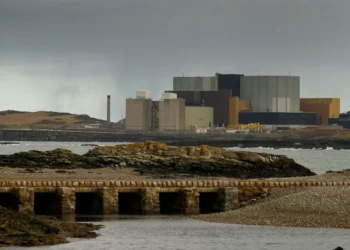 Rolls-Royce SMR Secures £600m Boost for Nuclear Future
 Aegon Sells Historic UK Arm to Standard Life for £2bn
 Primark Set for Independence from ABF Food Giant
 Australia’s Economic Anxiety: Is a Recession Looming?
 Lords Demand Larger Fiscal Buffers for UK
 Capitalism ‘Suicidal’, Warns Petro at Climate Summit
 $13bn World Cup Set to Break All Revenue Records
 Trump approval plunges amid Iran war fears
 Heathrow Chair Seeks Peace to Save Third Runway
 Tough Fiscal Realities Await Next Scottish Government
 US Awaits Iran Reply on New Ceasefire Proposal
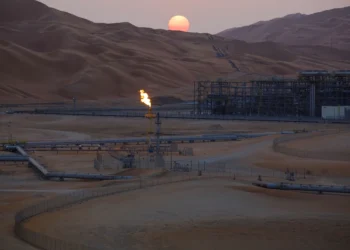 Aramco Surges as East-West Pipeline Counters Gulf Tensions
 Big Tobacco Under Fire Over Controversial New Ad Campaign
 High Street Crisis: Fears Grow Over Post Office Closures
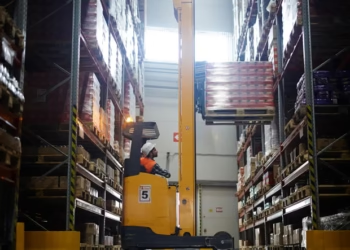 UK Firms Freeze Spending as Iran Conflict Bites
 Summer Shock: British Energy Bills Set for Grim July Hike
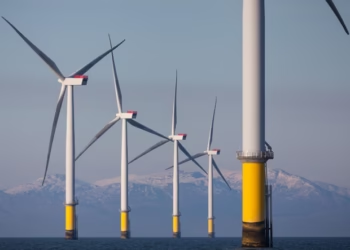 Reeves to Fast-Track Clean Energy Amid Iran Crisis
 Oil Markets Face ‘Red Zone’ Threat Amid Iran Crisis
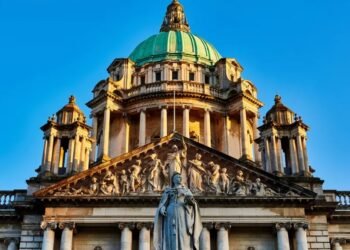 Belfast Approves Pilot Extension of Sunday Trading Hours
 Albanese Defends Tax Reforms Amid Emotional Speech
 Tube Strike Brings Capital to a Standstill Over Shift Disputes
 BP Stands Firm on Amanda Blanc Amid Boardroom Storm
 UK House Prices Drop For Third Month Due To War Fears
 Top Chefs Back Andy Burnham to Save UK Hospitality Sector
 GSK Secures Landmark $10.6bn Deal for Nuvalent
 UK Economy Suffers a Sharp Downturn as Iran Conflict Bites
 AI Scams Push UK Investment Fraud Past £220m
 Rethinking the Blueprint for Youth Employment in Britain
 Sainsbury’s Boss Optimistic As Grocery Inflation Eases
 UK Households Suffer Squeeze As Disposable Incomes Drop
 Creditors Eye Thames Water Even Under Nationalisation
 Record £28m Fine for Virgin Media Over Cancellation Woes
 Jet2 Sees Summer Surge Despite Global Tensions
 Ukraine Creates Long-Range Strike Command
 BBC Faces Real Jeopardy as Licence Fee Income Declines
 Thames Water Future Remains Uncertain Amid Funding Crunch