Published: 21 April 2026. The English Chronicle Desk. The English Chronicle Online
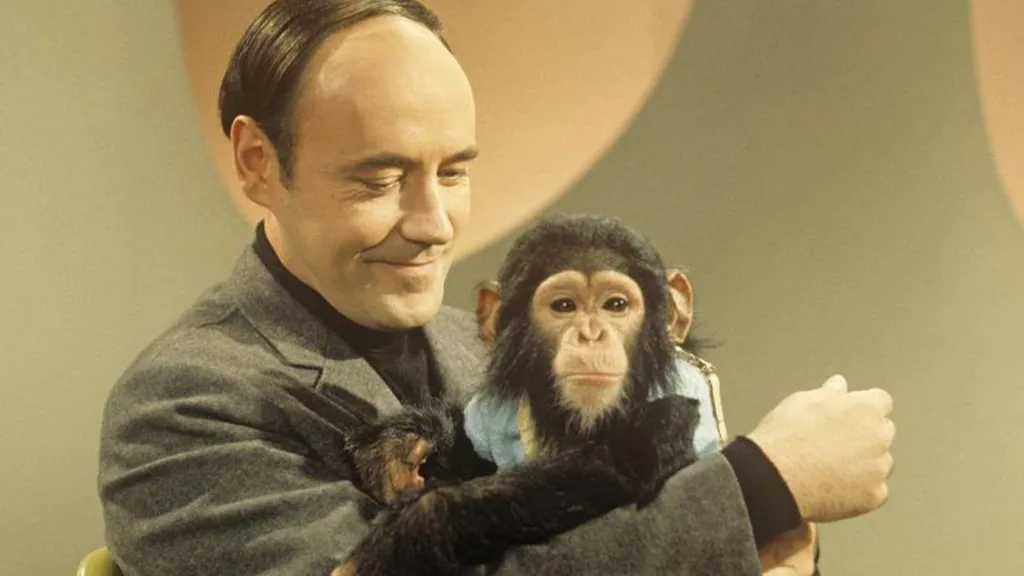
The world of natural history is mourning the loss of one of its most provocative and influential figures. Desmond Morris, the zoologist, ethologist, and surrealist painter who famously stripped humanity of its pretenses in his 1967 bestseller The Naked Ape, died peacefully on Sunday, April 19, 2026, at the age of 98. His son, Jason Morris, confirmed the news from their family home in Naas, Ireland, paying tribute to a “lifetime of exploration, curiosity, and creativity” that continued right until his final days.

Morris was a rare breed of intellectual who bridged the gap between high science and popular culture. Whether he was presenting the beloved BBC program Zoo Time in the 1950s or analyzing the “tribal” rituals of football fans, Morris viewed the human species through the same objective, curious lens he used for the chimpanzees at London Zoo. His death marks the end of an era for the “Greatest Generation” of British broadcasters, following shortly after the centenary of his contemporary, the late Queen Elizabeth II.
Morris’s career was defined by his ability to see the animal instincts lurking beneath the veneer of modern civilization.
| Key Milestone | Date | Achievement / Impact |
| DPhil at Oxford | 1951 | Researched stickleback behavior under Nobel laureate Niko Tinbergen. |
| ‘Zoo Time’ Debut | 1956 | Hosted 500 episodes, bringing animal behavior to millions of homes. |
| Curator of Mammals | 1959 | Appointed at London Zoo, where he famously studied “Congo” the painting chimp. |
| The Naked Ape | 1967 | Published his defining work; sold over 20 million copies worldwide. |
| The Human Zoo | 1969 | Analyzed urban life as a “captive” environment for the human animal. |
When The Naked Ape was published in 1967, it caused a global sensation—and a fair amount of scandal. By describing humans simply as “one of 193 species of monkeys and apes,” Morris challenged religious and social dogmas of the time. He argued that our complex behaviors—from our sexual rituals to our aggressive tendencies—were not “civilized” inventions, but evolutionary leftovers.
Critics often accused him of oversimplification, but Morris remained undeterred. “I don’t see how you can be insulted by being called an animal,” he once remarked. “Animals are wonderful.” His work paved the way for modern sociobiology and evolutionary psychology, influencing a generation of “manwatchers” to look at their own reflections with a bit more humility.
What the public often missed behind his “Manwatcher” persona was Morris’s lifelong passion for surrealist art. He held his first exhibition in 1948 alongside Joan Miró and remained a dedicated painter for eight decades. His artworks, which he called “biomorphs,” featured bizarre, alien-like creatures that seemed to evolve on the canvas—a visual representation of the biological curiosity that drove his scientific writing.
In his later years, following the death of his beloved wife Ramona in 2018, Morris lived a quiet life in Ireland. He remained a sharp commentator on the “troubled” world King Charles recently described, often noting that many of our modern conflicts were simply “tribal territorialism” played out with deadlier tools.

His passing has prompted a “low rumbling” of tributes across the scientific and artistic communities. Sir David Attenborough once noted that Morris had a “unique gift” for making us look at ourselves as if we were a new species discovered in the wild. As the nation prepares for the funeral of a man who spent 98 years watching us, we are left with his most enduring lesson: that no matter how many gadgets we build or cities we inhabit, we are all, at our core, still part of the grand, wild animal kingdom.
Related News:
 Unseen Killers of the Deep Inside the UK Lab Uncovering the Silent Deaths of Sea Creatures
 Why There’s No Quick Fix in Sight for the Problem of Dazzling Headlights
 Mind Launches Inquiry into AI and Mental Health After Guardian Investigation
 Karen Gillan Reveals What She Misses Most About Scotland’s Food and People
 BBC Apologises After Racial Slur Aired at BAFTAs by Guest With Tourette’s
 ‘I Stopped Engaging’ Due to Instagram and YouTube, Woman Tells Landmark Trial
 Water Cremation Introduced in UK First
 Royals Find ‘Fergie Replacement’ They Can Trust
 ‘A Living Nightmare’: Parents of Vaccinated Teenager Speak Out After Rare Meningitis B Battle
 ‘F***, We’re Dead’: The Chilling Final Words from the Air France 447 Cockpit
 Spring Awakening: Temperatures to Hit 17°C as Britain Bathes in Sunshine
 ‘The Art of Winning’: Olivia Dean Sweeps 30th Anniversary MOBO Awards in Manchester
 ‘My Hatred of Dogs is Ruining My Love Life’
 ‘Breath-taking’ Return: Rare Bronze Age Shield Back in Scotland After 235 Years
 John Bengtson: The ‘Silent Film Sleuth’ Who Found History in the Background
 Scott Mills Sacked by BBC Over ‘Personal Conduct’ Allegations
 Digital Siege: Record Surge in Sextortion Attacks Targeting UK Schoolboys
 ‘The Best Decision I Ever Made’: A Mother’s Viral Plea After a Near-Miss with Lung Disease
 Paws for Peace: Frankie the Cockapoo Brings ‘Unfiltered’ Joy to MND Centre
 The Friendship Friction: Would You Call Out Your Friend’s Toxic Behaviour?
 The Silent Lifeline: Why the 2026 Digital Switchover has Millions Saying, ‘I Didn’t Realise How Much I Needed My Landline’
 The Lough’s Lament: Can Fiction Spark a ‘Seismic’ Rescue for Lough Neagh?
 The Great Escape: ‘Challenging’ Search for Missing Capybara Enters New Phase
 The ‘Pain-Free’ Revolution: Hospital Celebrates ‘Seismic’ Hip Surgery Milestone
 Dippy’s Sacred Sojourn: ‘Landmark’ Dinosaur Cast Arrives at Cathedral
 The Green Mile: Country Lane Solar Farm Set to Power 13,000 Homes
 The Sustainable Departure: Crematorium Completes £5m ‘Green’ Transformation
 Digital Shield: Met Police Trial AI to Fast-Track Child Abuse Investigations
 The Wheels of Hope: Charity Delivers ‘Seismic’ Joy Through Specialized Bikes for Children with Cancer
 Powering the Future: Green Light for ‘Seismic’ Nuclear Project Promising 8,000 Jobs
 ‘Disconnected to Reconnect’: England to Enact Statutory Ban on School Mobile Phone Use
 ‘On Freedom’s Wings’: Final Touches for the ‘East Midlands’ Angel of the North’
 ‘A Ticking Time Bomb’: Communities Sound Alarm Over ‘Catastrophic’ Battery Storage Risks
 Terence Stamp, ’60s British Film Legend and Star of Superman, Dies at 87
 Jaguar Land Rover Extends Production Halt Following Cyber-Attack
 Persistent Offenders Owe Over £700m in Ulez Fines as TfL Cracks Down on Evasion
 Paedophile Singer Ian Watkins Dies After Prison Attack
 Strictly Celebs Starstruck as Cynthia Erivo Shines
 Reform UK candidate fined £19,000 after using AI-generated cases to challenge election
 UK Campaigners Launch Bill to Grant Legal Rights to Nature
 Kate Winslet to Narrate Film Highlighting King’s Environmental Mission
 UK Bans Fake Numbers: Scammers Lose Their Trick
 Patients to Test Health at Home to Ease NHS Winter Pressure
 I’m a Celebrity 2025 line-up revealed: Osbourne joins
 Northern Lights may illuminate UK skies this week
 Pornhub blocks new UK users over age checks dispute
 UK New Car Discounts Near £6,000 as Prices Are Slashed
 Labour Utterly Humiliated by Straight-Talking Mum Who Cut Through Keir Starmer’s Insanity
 Renters Furious as Decent Homes Standard Delayed Until 2035
 Motorists Could Face ‘Mandatory’ Driving Ban for Road Offences Under Tougher Laws
 Snow and Rain Warnings as Cold Snap Continues in the UK
 ‘Don’t Make Us Security Guards,’ Says Teacher Stabbed by Pupil
 Meet Robert Aramayo: From Humble Beginnings in Hull to Juilliard and BAFTA Glory After Beating Timothée Chalamet
 UK’s First Geothermal Plant Powers 10,000 Homes
 Calls Grow to Remove Billboard Following Lyra McKee Graffiti
 Tears and Cheers as Controversial Long‑Running Australian Breakfast Radio Show Implodes
 Father Dies by Suicide Weeks After Wedding in Clitheroe
 Sarah Ferguson Loses Another £1.5m Amid Financial Struggles
 Teen Wins Payout After TRNSMT Crush Horror
 Biker Suffers Fractured Spine After Hitting Pothole in Edinburgh
 ‘Heating Oil Suppliers Are Holding Us to Ransom’ as Prices and Cancellations Surge
 Families Tortured by Authorities During Investigations Inquiry Told
 The High Cost of Survival: How the 2026 Fiscal Outlook is Redefining British Life
 US Lawmaker Demands Testimony Over Sarah Ferguson’s ‘Close Epstein Ties’
 The Last of the Lords: Two Hereditary Peers to Retain Ceremonial Roles Amid Historic Ousting
 ‘Eye in the Sky’ Blinded: Photos Reveal Destroyed US Radar Jet at Saudi Base
 Councils Pressed to Use Universal Parking App to Cut ‘Unfair’ Fines
 Four Teens Charged After Assault on Rescue Volunteer and Dog
 Woman Deported from China Over Manx Passport Mix-Up
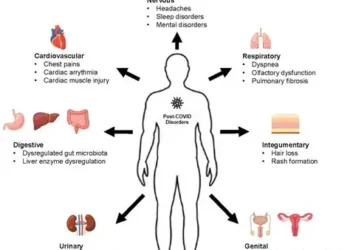 ‘Zoom Dysmorphia’ Explosion: BDD Patients Quadruple in Post-Pandemic UK
 ‘The Final Word’: Kathleen Stock’s Polemic Against Assisted Dying Reshapes the UK Debate
 ‘The Insulation Trap’: Knifeman Discovered Hiding Under Loft Padding After Six-Hour Standoff
 Heartbreak in Bournemouth: The Tragic Death of James Blanch
 Paws on the Wheel: Driver Facing Fine After Dog Photographed on Lap
 The Miracle of Phoenix: ‘Half Dead’ Rescue Dog Defies the Odds in Worcestershire
 The Pre-School Lottery: Families Left in ‘Holding Pattern’ as Local Places Vanish
 Moldova River Crisis Exposes War’s Hidden Cost
 GSK cancer drug shows early promise in trials
 The Waiting Ward: ‘Month of Worry’ as Doctor Strikes Trigger Seismic Surgery Delays
 ‘The Last of the Greatest’: UK’s Oldest WWII Veteran Passes Away Aged 109