
Published: 24 April 2026. The English Chronicle Desk. The English Chronicle Online
In a vote that marks a seismic shift in the Hollywood landscape, shareholders of Warner Bros. Discovery (WBD) have “overwhelmingly” approved a massive $111 billion (£89bn) takeover by Paramount Skydance. The decision, reached during a virtual special meeting on Thursday, April 23, 2026, effectively clears the way for the creation of a “next-generation” media titan that will bring storied franchises like Harry Potter, Top Gun, and Game of Thrones under a single corporate roof.

The deal, valued at $31 per share in cash, represents a triumph for Paramount CEO David Ellison, who beat out a rival bid from Netflix earlier this year. While the shareholder vote is a pivotal milestone, it was not without its points of friction. In a stinging rebuke to current leadership, investors voted down a non-binding advisory proposal for executive compensation packages—specifically a controversial $550 million exit payout for WBD CEO David Zaslav.
The merger will unite two of the “Big Five” Hollywood studios, drastically reducing the number of major players in the industry. If the deal receives final regulatory clearance, the combined entity will possess an unparalleled library of intellectual property.
The Streaming Giant: The merger will see the eventual integration of Max and Paramount+, creating a service that analysts predict could control nearly 30% of the U.S. streaming market.
News and Sports: For the first time, CNN and CBS News could find themselves in the same stable, raising significant questions about editorial independence and media pluralism.
The “Ticking Fee”: To ensure a swift transition, a “ticking fee” kicks in after September 30, 2026, requiring Paramount to pay WBD an additional $0.25 per share each quarter until the deal is finalized.
While the boards of both companies have hailed the merger as a “historic milestone,” the creative community has responded with “unequivocal opposition.” An open letter signed by over 4,200 industry professionals—including directors Denis Villeneuve, J.J. Abrams, and David Fincher—argues that the consolidation will lead to fewer jobs, diminished creative opportunities, and less choice for consumers.
“Shareholder approval marks another important milestone,” a Paramount Skydance spokesperson stated. “We look forward to realizing the creation of a company that better serves both the creative community and consumers.”
However, critics warn of a “monopolistic” shift. California Attorney General Rob Bonta has already indicated that his office is examining the merger, and the U.S. Department of Justice (DOJ) has issued subpoenas to investigate how the deal will affect studio output and theater competition.
The focus now shifts from the boardroom to the courtroom.
Regulatory Scrutiny: Authorities in Washington, London, and Brussels are expected to launch in-depth “Phase 2” investigations into the merger’s impact on competition.
The Q3 Closing Target: Despite the regulatory hurdles, Paramount and WBD executives anticipate the transaction will officially close by the end of September 2026.

Zaslav’s Exit: While shareholders rejected the pay package, the vote was advisory. The WBD board still retains the power to proceed with the nine-figure payouts for Zaslav and other top executives as part of the merger agreement.
As the curtain rises on this new era of media consolidation, the $111 billion question remains: will a “bigger” Hollywood be a “better” Hollywood? For now, the “Prince of Darkness” and the “Maverick” of Skydance are preparing to rewrite the script for the global entertainment industry.
Related News:
 Space Odyssey ‘Bum Note’: UK Band Linked to Artemis II’s ‘Toilet Trouble’
 Anglian Water Fined £63 Million Over Sewage Scandal Amid National Outrage
 How to Exit Your Broadband Contract Without Paying Exit Fees
 Unseen Killers of the Deep Inside the UK Lab Uncovering the Silent Deaths of Sea Creatures
 Permission Granted for Britain’s First Vertical Rocket Launch at Shetland Spaceport
 Government Expands Electric Car Grant Scheme, Offers Discounts on Five More Models
 Ed Davey Urges Government to Block Elon Musk’s Tesla from Supplying UK Home Energy
 UK Could Generate Nearly £2bn Annually by Taxing SUVs, New Study Reveals
 Google Pledges £5bn AI Investment in UK Ahead of Trump State Visit
 Donald Trump’s UK State Visit Kicks Off Amid Major Tech Investments and Business Engagements
 Jaguar Land Rover Extends Production Halt Following Cyber-Attack
 British AI Startup Outshines Human Forecasters in Global Prediction Contest
 Royal Mail Owner Acquires Stake in Collect+ and Launches High Street Rebrand
 Jaguar Land Rover to Resume Production After Cyber-Attack, Launches Supplier Support Scheme
 NHS May Pay 25% More for Medicines Amid US Drug Talks
 Watchdog Rules Red Tractor Ad Misled Public on Environmental Claims
 Eurostar to launch doubledecker trains through Channel Tunnel by 2031
 Oprah enjoys Meghan’s jam on English muffins
 North Sea oil workers must lose weight or face job loss
 UK Taskforce Unveils Plan to Streamline Nuclear Reactor Rules
 UK Car Sales Pass 2 Million as Chinese Brands Surge
 MPs warn AI financial risks threaten UK stability
 MPs warn AI financial risks threaten UK stability
 AI job losses UK: Britain faces sharper employment shock
 UK New Car Discounts Near £6,000 as Prices Are Slashed
 The Chinese AI App Sending Hollywood Into a Panic
 Karen Gillan Reveals What She Misses Most About Scotland’s Food and People
 Why Alan Carr Bought a Castle in Kent
 BBC Apologises After Racial Slur Aired at BAFTAs by Guest With Tourette’s
 Henry Moore sculpture sells for £26m at auction
 London Underground’s public art celebrated
 Quentin Tarantino to Stage ‘Swashbuckling Comedy’ Play in London
 Bank of Scotland App Glitch Lets Customers See Other Users’ Transactions
 British AI Startup Nscale Faces Backlash Over Planned Microsoft Data Centre
 OpenAI Must Find Profit Path Before Stock Market Debut
 Pepsi Drops UK Festival Sponsorship After Backlash
 The Silicon Emerald: How Irish Engineers are Cashing In on the AI Boom
 The Silent Lifeline: Why the 2026 Digital Switchover has Millions Saying, ‘I Didn’t Realise How Much I Needed My Landline’
 The Lough’s Lament: Can Fiction Spark a ‘Seismic’ Rescue for Lough Neagh?
 OpenAI Halts Stargate UK Project Amid Energy Crisis
 The Autonomous Frontier: Northern Ireland Group Secures ‘Seismic’ Grant for Self-Driving Buses
 Heavier SUVs Accelerate Britain’s Pothole Crisis
 Europe EV Demand Surges as Fuel Prices Rise
 The Green Mile: Country Lane Solar Farm Set to Power 13,000 Homes
 The Sustainable Departure: Crematorium Completes £5m ‘Green’ Transformation
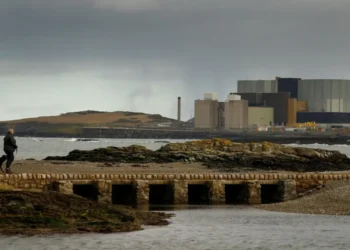 Powering the Future: Green Light for ‘Seismic’ Nuclear Project Promising 8,000 Jobs
 High-Speed Growth: Network Rail Claims Wi-Fi Overhaul Will ‘Transform’ UK Productivity
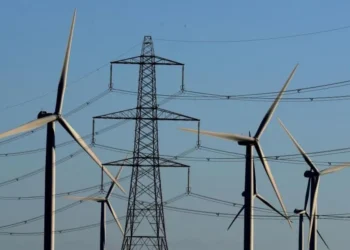 ‘The Great Decoupling’: UK to Shake Up Energy Market to Slash Electricity Bills
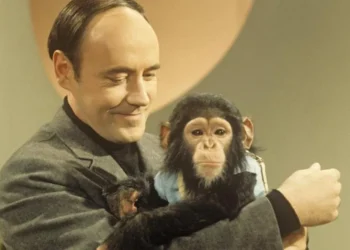 ‘The Manwatcher’s Final Chapter’: Legendary Zoologist Desmond Morris Dies Aged 98
 ‘Maritime Drones and Steel’: £50m Defence Deals Set to Spark Job Boom in Plymouth and South Yorkshire
 Human Capital for AI Infrastructure: Meta Cuts 8,000 Staff to Fuel $135bn Bet
 UK House Price Growth Slows as Buyers Exercise Caution Ahead of Autumn Budget
 Paedophile Singer Ian Watkins Dies After Prison Attack
 Reeves Faces Setback as Labour May Miss Homes Target
 Kate Winslet to Narrate Film Highlighting King’s Environmental Mission
 Trump’s UK Ambassador Urges North Sea Drilling to Strengthen US Ties
 UK Bans Fake Numbers: Scammers Lose Their Trick
 Millionaires group urge Reeves to introduce wealth tax to ‘lift kids out of poverty’
 Starmer Says Labour’s Economic Plan Needs Years to Deliver
 Historic £100-Weekly Pension Boost Brings Relief for UK Mineworkers
 Pornhub blocks new UK users over age checks dispute
 Pound Sinks and Borrowing Costs Rise as Starmer Fights for Job
 Major UK Clothing Firm Collapses into Administration — 109 Jobs at Risk
 Could Manchester Lead the UK’s Economic Revival?
 Lloyds Boss Accepts Concern Over Use of Staff Data in Pay Talks
 AI Coding Firm’s ‘Pride’ at Business Award Win
 UK Job Vacancies Hit Five-Year Pandemic Low
 Meet Robert Aramayo: From Humble Beginnings in Hull to Juilliard and BAFTA Glory After Beating Timothée Chalamet
 UK Youth Unemployment Surges Amid Tax Changes
 Tracey Emin Says My Bed Would Be ‘Tidy, Clean and Boring’ If Made Today
 Charity Watchdog Takes Control of Learning Disability Care Home
 Councils Pressed to Use Universal Parking App to Cut ‘Unfair’ Fines
 The 8 Million Dilemma: Why Britain’s Disability Safety Net is Facing a ‘2026 Reckoning’
 ‘The Insulation Trap’: Knifeman Discovered Hiding Under Loft Padding After Six-Hour Standoff
 New UK Farm Inheritance Tax Rule Will Cause ‘Significant Challenges’, Say Accountants
 Electric Shock: Australians Buy Record Number of New EVs as Fuel Crisis Bites
 The Great Chokehold: Why the Strait of Hormuz is the Epicenter of the 2026 Crisis
 GSK cancer drug shows early promise in trials
 The Waiting Ward: ‘Month of Worry’ as Doctor Strikes Trigger Seismic Surgery Delays
 Roadside Reckoning: Nearly 160,000 Uninsured Vehicles Seized in National Crackdown