
Published: 24 April 2026. The English Chronicle Desk. The English Chronicle Online.
A prominent former civil servant has sparked fresh debate about Britain’s future relationship with the European Union today. Philip Rycroft, who once led the government department tasked with overseeing Brexit, made a startling public intervention regarding our current status. He argued that the nation must now begin a serious conversation about returning to the European bloc as a member. This suggestion comes from a man deeply familiar with the complex mechanics of our departure from European institutions. He believes that the country needs a clear and honest assessment of what serves our national interest best today. Mr. Rycroft acknowledges that the path to rejoining would be incredibly long and potentially quite difficult for us. However, he insists that the intellectual argument for returning to Europe is waiting to be won by bold leaders.
His analysis points to significant economic damage caused by leaving the single market, which has hampered our growth prospects. While debates continue over the precise financial figures, he suggests that no one can credibly claim our exit was successful. The promised sunny uplands of post-Brexit economic prosperity simply have not materialized for the British people in recent years. Furthermore, he noted that the dream of securing a comprehensive free trade deal with the United States is now impossible. These comments appear to reflect a growing frustration among those who once managed the machinery of our historic exit from Europe.

Beyond economics, Mr. Rycroft highlighted the dangerous instability currently facing the broader international order and our own national security interests. He warned that global certainties are crumbling as conflicts on the European mainland and geopolitical shifts threaten our collective safety. With a changing America and a challenging Russia, he believes solidarity with our closest European neighbours is more vital than ever. The former official stated that we must look to these allies to properly secure our shared future and our own defences. It is, he concluded, time to talk about rejoining and perhaps finally knocking on the European Union’s door once again.
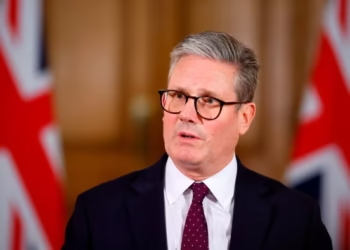
These provocative remarks arrive at a time when internal political pressures are mounting within the current Labour government regarding Europe. Some cabinet ministers reportedly wish for Prime Minister Keir Starmer to pursue a much bolder strategy to align with the continent. Although joining a customs union or the single market currently remains a red line, the political mood is shifting steadily. The Prime Minister himself has previously suggested that the government should consider closer alignment if it serves the nation’s interests. Such a shift would represent a major change from the cautious approach adopted by Whitehall over the last few years.
While high-level political debates rage in London, significant concerns are also surfacing within the European parliament regarding citizens’ rights. Officials recently gathered to discuss the precarious situation facing EU citizens in the UK and British citizens living across the continent. One specific worry involves children born to EU citizens in Britain who may unknowingly lack the necessary settled immigration status. These children could potentially face massive healthcare charges or future employment difficulties because of bureaucratic oversights in the current system. A senior official from the European Commission noted that the current British approach carries very serious consequences for these newborn children.
During this hearing, the Home Office faced stern criticism for its decision to stop funding charities that assist vulnerable individuals. These organisations have been vital in helping people navigate the complex legal landscape created by the end of free movement rules. The charity known as Settled reports that it still receives hundreds of requests for essential advice every single week. Despite this ongoing demand, the government has ceased providing the financial support that once kept these vital services operating effectively. The decision to withdraw this funding has left many people struggling to secure their legal status without any professional guidance or support.

Grassroots coalitions representing British citizens living in Europe also voiced their deep frustrations during the recent parliamentary session in Brussels. They noted that their crucial work is now entirely conducted by volunteers who receive absolutely no financial support from our government. These dedicated individuals have served as primary contacts for the European Commission on matters affecting over one million British expatriates abroad. They called upon the British authorities to provide the necessary funding to support the work required for their own citizens. Currently, many of those managing these complex civil rights issues are working on an unpaid basis to help others survive.
The UK government has defended its decision to end these specific funding tranches after spending thirty-two million pounds since two thousand nineteen. Officials claim that because applications have significantly declined, this is the correct moment to stop providing such direct financial assistance. They argued that alternative forms of support exist, such as the dedicated settlement scheme resolution centre managed by the Home Office. However, critics argue that such centralised services cannot replicate the personalised, grassroots support provided by these now underfunded local community charities.
The tension between bureaucratic convenience and the real-world needs of citizens remains a defining feature of the post-Brexit landscape today. Mr. Rycroft’s call for a new conversation about rejoining reminds us that these issues remain unsettled and deeply impactful for millions. As the geopolitical climate darkens and economic challenges persist, the debate over our European future will likely only grow more intense. Whether the government decides to listen to these calls or maintains its current distance remains the most significant question in British politics. The coming months will likely see these arguments move from the fringes into the very heart of our national political discourse. It is clear that the legacy of our departure will continue to shape our domestic priorities and international standing for many years.
Related News:
 Reeves Faces Setback as Labour May Miss Homes Target
 Virgin Trains Moves Closer to Challenging Eurostar Monopoly
 Trump’s UK Ambassador Urges North Sea Drilling to Strengthen US Ties
 Ryanair Chief UK Economy ‘Doomed’ Under Labour
 M&S Profits More Than Halve After Cyber-Attack
 Earl of Yarmouth Faces £1.3m Legal Bill Over Family Estate
 Millionaires group urge Reeves to introduce wealth tax to ‘lift kids out of poverty’
 From Lego to Pokémon: How Adults Are Driving UK Toy Market Growth
 New laws to bolster UK’s defences against cyber attacks on NHS, transport and energy
 Canada Passes Carney’s First Budget in Tight Parliamentary Vote
 Starmer Says Labour’s Economic Plan Needs Years to Deliver
 Virgin Media Fined £23.8m Over Telecare Safety Failures
 Starmer Faces Parliamentary Battles Over UK-EU ‘Reset’ Plan
 Reeves Pub Business Rates U-Turn Calms Labour Revolt
 ScottishPower Tops List of Worst UK Energy Suppliers
 Markets Slide As Gold Rally Signals Risk From Trump Greenland Tariff Plan
 UK Eyes Global Investment with Visa Fee Refunds
 City & Guilds pay surge sparks backlash amid £22m cuts
 UK Inflation Hits 3.4% in December, Ending Five-Month Decline
 Trump Fed bid heads to Supreme Court
 ‘Black Tax’: Burden, Pride and Survival for African Workers
 AI job losses UK: Britain faces sharper employment shock
 India-EU Free Trade Deal Marks Historic Economic Shift
 EU Signals Open Mind on UK Customs Union Talks
 Telstra AI jobs cuts as automation drive expands
 BT Names New Openreach Chief Amid Major Fibre Expansion
 UK Banks Plot Payment Backup Amid Trump Fears
 UK Unemployment Rate Climbs to 5.2% Peak
 UK shelves £110m border project amid trade strain
 Aston Martin Cuts 20% Jobs Amid £363m Loss
 Switching Energy Deal Can Save £200 as Price Cap Falls
 Rachel Reeves Faces Middle East Conflict Test
 Grocery Inflation Rises Amid War Fears
 BrewDog sold Highland estate for knockdown price after abandoning reforestation plans
 UK Energy Reform Could Cut Bills by £200
 Rising Costs Force Families to Rethink Days Out
 Oil Slides, Stocks Jump on Trump Peace Signals
 UK inflation held at 3% before global energy price hit
 Ticketmaster Fees Rise Despite Recent US Junk Fee Crackdown
 M&S Demands Urgent Action on Rising Violent Retail Crime
 New Era for Sick Pay as Millions Gain Critical Rights
 Oil Prices Surge as Trump Issues New Deadline to Iran
 US and Iran Agree to Two-Week Provisional Ceasefire
 Stefano Gabbana Resigns as Chair of Italian Luxury Giant
 Rolls-Royce SMR Secures £600m Boost for Nuclear Future
 Aegon Sells Historic UK Arm to Standard Life for £2bn
 Central Bank Chiefs Hold Crisis Simulation in Washington
 UK Staycations Rise as Travel Fears Grow
 Australia’s Economic Anxiety: Is a Recession Looming?
 Lords Demand Larger Fiscal Buffers for UK
 $13bn World Cup Set to Break All Revenue Records
 Trump approval plunges amid Iran war fears
 Heathrow Chair Seeks Peace to Save Third Runway
 Tough Fiscal Realities Await Next Scottish Government
 US Awaits Iran Reply on New Ceasefire Proposal
 Aramco Surges as East-West Pipeline Counters Gulf Tensions
 Big Tobacco Under Fire Over Controversial New Ad Campaign
 High Street Crisis: Fears Grow Over Post Office Closures
 UK Firms Freeze Spending as Iran Conflict Bites
 Summer Shock: British Energy Bills Set for Grim July Hike
 Reeves to Fast-Track Clean Energy Amid Iran Crisis
 Oil Markets Face ‘Red Zone’ Threat Amid Iran Crisis
 Belfast Approves Pilot Extension of Sunday Trading Hours
 Albanese Defends Tax Reforms Amid Emotional Speech
 Tube Strike Brings Capital to a Standstill Over Shift Disputes
 BP Stands Firm on Amanda Blanc Amid Boardroom Storm
 UK House Prices Drop For Third Month Due To War Fears
 Top Chefs Back Andy Burnham to Save UK Hospitality Sector
 GSK Secures Landmark $10.6bn Deal for Nuvalent
 UK Economy Suffers a Sharp Downturn as Iran Conflict Bites
 AI Scams Push UK Investment Fraud Past £220m
 Rethinking the Blueprint for Youth Employment in Britain
 Sainsbury’s Boss Optimistic As Grocery Inflation Eases
 UK Households Suffer Squeeze As Disposable Incomes Drop
 Creditors Eye Thames Water Even Under Nationalisation
 Record £28m Fine for Virgin Media Over Cancellation Woes
 Jet2 Sees Summer Surge Despite Global Tensions
 Ukraine Creates Long-Range Strike Command
 BBC Faces Real Jeopardy as Licence Fee Income Declines
 Thames Water Future Remains Uncertain Amid Funding Crunch