Published: 30 April 2026. The English Chronicle Desk. The English Chronicle Online.
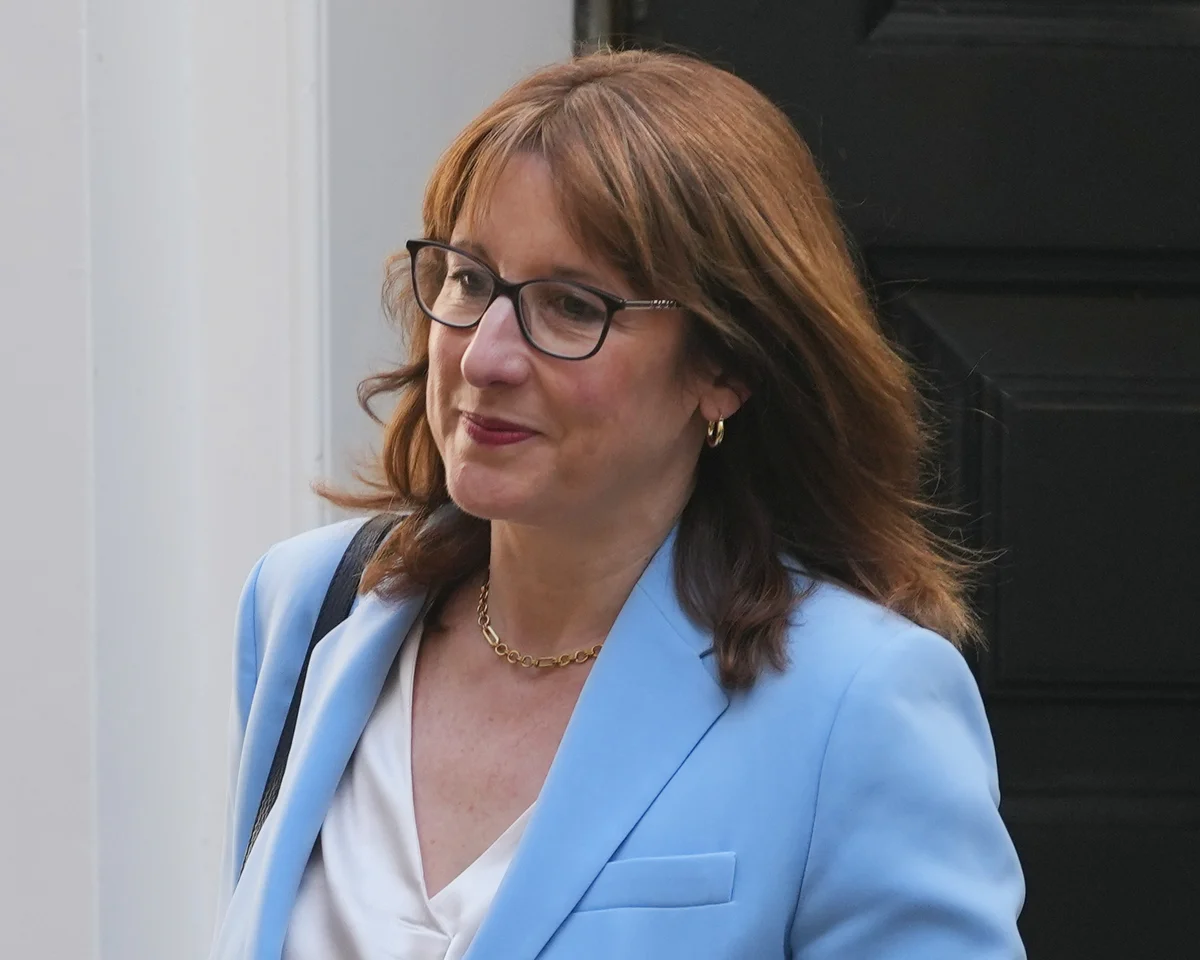
The political landscape in Westminster is currently facing a significant and highly public internal tremor. Senior government ministers have recently expressed strong opposition to a proposed year-long private rent freeze. This controversial idea first emerged from the Treasury under the leadership of Chancellor Rachel Reeves. Within forty-eight hours of the initial report, several high-ranking figures voiced their total disdain. Steve Reed and Matthew Pennycook have led the charge against this specific economic policy proposal. They are currently serving as the Housing Secretary and the Housing Minister within the cabinet. Their vocal rejection of the plan highlights a growing divide at the heart of government. Number Ten has now officially ruled out the prospect of implementing any rent controls. This quick dismissal has fueled intense speculation regarding the future of the current Chancellor herself. Rumors suggest that the Prime Minister may be planning a significant reshuffle very shortly. Many believe these changes will likely follow the upcoming results of the local council elections.
Keir Starmer faced difficult questions about his Chancellor during the latest Prime Minister’s Questions session. He notably declined to provide an absolute guarantee that she would remain in her post. This lack of a firm commitment has added considerable weight to various resignation rumors. However, official spokespeople from Downing Street insist that the Chancellor still retains the full support. Matthew Pennycook was particularly blunt when discussing the feasibility of the proposed temporary rent freeze. He stated that the government is definitely not pursuing this specific path at this time. The minister further described the idea as an entirely unserious and non-credible policy for Britain. He reminded reporters that he has consistently opposed the introduction of any new rent controls. Pennycook noted that his department has thoroughly researched the effects of controls in other nations. The government analyzed various housing models found in Sweden and Germany over the last several years. They also looked at the outcomes of similar policies in the city of San Francisco.

The Scottish experience with rent caps has also provided a cautionary tale for UK officials. Research suggests that while some tenants benefit, others face much higher costs in the end. This trend often occurs in properties that fall outside the scope of the specific regulations. Rent controls can inadvertently lead to a decrease in the overall supply of rental housing. Landlords may choose to sell their properties rather than accept lower than market returns. This dynamic often results in even higher prices for those seeking a new place to live. Steve Reed echoed these sentiments with a similarly scathing critique of the Treasury’s recent suggestion. He stated quite clearly that the government has no intention of freezing rents this year. The immediate and public pushback has led to renewed scrutiny of the Chancellor’s standing. Kemi Badenoch used the opportunity to criticize the government’s overall management of the British economy. The Conservative leader asked if the Prime Minister would finally listen to the business community. She suggested that a reshuffle of the Treasury team was now a matter of urgency.
Keir Starmer responded by offering some praise for the work the Chancellor has already done. Yet his refusal to promise her job security remains a point of intense political interest. Downing Street later clarified that the Prime Minister still has confidence in his senior colleague. They maintained that the previous position regarding her long-term tenure has not changed at all. Allies of Rachel Reeves have been quick to dismiss the reports of her imminent sacking. One supporter described the rumors as a desperate attempt by rivals to seize more power. They characterized the negative briefing as an act of political sabotage before the local polls. Reeves spent her Wednesday morning addressing a large meeting of staff at the Treasury building. She appeared alongside her ministerial team to thank civil servants for their hard work lately. The Chancellor urged her staff to stay focused on the mission of growing the economy. She highlighted several recent successes including the reduction of utility bills for many British households.
Treasury sources indicated that Reeves remains committed to her long-term fiscal strategy for the nation. She has repeatedly warned against taking any impulsive actions in response to the Iran crisis. Her supporters described her mood during the staff meeting as being exceptionally upbeat and very focused. She promised that new details regarding national AI policy would be released to the public. There is also a planned focus on improving the trading relationship with the European Union. Despite this outward confidence, some members of her team appear increasingly worried about their future. Reports of deep divisions within the Prime Minister’s inner circle have caused some genuine alarm. Some officials fear that a reshuffle could occur as early as next week or shortly. City investors are also watching these internal government developments with a very high degree of caution. There is a concern that political instability could negatively impact the value of the pound. Experts warn that a leadership race could cause government bond yields to rise even higher.
A recent research note from investment bank Jefferies emphasized the importance of the local elections. They suggested that these specific polls are something that the financial markets simply cannot ignore. Bond yields have already seen a sharp increase due to the conflict in the Middle East. Investors are increasingly worried about the twin threats of high inflation and rising interest rates. This economic pressure could potentially eliminate the fiscal headroom that the Chancellor has carefully built. Borrowing costs for the government reached their highest closing level since 2008 on Wednesday afternoon. Ten-year gilt yields have now moved well above the significant five percent mark in recent trading. Allies of the Chancellor believe this market volatility makes her position more secure, not less. They argue that changing the head of the Treasury now would cause further economic chaos. Maintaining continuity is seen by some as the only way to reassure the nervous markets. The tension between the Prime Minister and the Chancellor remains a central theme in Westminster.
The public disagreement over rent freezes is a symptom of a much larger policy struggle. Different factions within the party are debating how best to address the ongoing housing crisis. Some believe that intervention is necessary to protect vulnerable tenants from rapidly rising living costs. Others maintain that market forces should be allowed to operate without excessive state interference or caps. This ideological divide is now playing out in a very visible and uncomfortable public arena. The outcome of the local elections will likely determine the next phase of this battle. If the government performs poorly, the calls for a change in direction will grow louder. Rachel Reeves has built her reputation on the idea of stability and responsible fiscal management. Any perception of a rift with the Prime Minister undermines that core message of competence. The next few days will be critical for her future and the government’s path. Voters and investors alike are waiting to see how Keir Starmer resolves this internal conflict. The proposed rent freeze may be dead, but the political fallout is only beginning.

The debate over housing reflects the broader challenges facing the United Kingdom in a global economy. High energy prices and geopolitical instability continue to exert pressure on the domestic policy agenda. The government must balance the need for growth with the necessity of maintaining fiscal discipline. Rachel Reeves has often spoken about the “iron grip” she intends to keep on spending. However, the political reality of local elections often demands more immediate and popular policy gestures. The tension between long-term strategy and short-term political survival is currently at its peak level. Many observers believe that the Chancellor is being made a scapegoat for broader economic woes. Others feel that her approach has been too cautious to stimulate the necessary national growth. This debate will likely intensify as the election results begin to filter through next week. The future of the UK rental market remains uncertain as these political dramas unfold. Tenants and landlords are left wondering what the final policy direction will eventually look like. For now, the government appears to be moving away from radical market interventions altogether.
The Prime Minister must decide if he can afford to lose his most senior minister. Replacing a Chancellor is always a high-risk move for any sitting leader in British politics. It can signal a lack of direction or a loss of control over the party. Conversely, it can provide a fresh start for a government that is feeling stale. Keir Starmer is weighing these options carefully as the local elections draw much closer now. The eyes of the City and the public are firmly fixed on Downing Street. The coming weeks will reveal if the Chancellor can survive this latest political storm. Her allies remain hopeful that her record of stability will ultimately save her senior role. They believe that the Prime Minister understands the risks of causing a market panic today. However, in the world of Westminster, nothing is ever truly certain until it happens. The story of the rent freeze is just one chapter in a larger tale. It is a story about power, policy, and the future of the British economy. The English Chronicle will continue to monitor these developments as they happen each day.
The relationship between the Treasury and Number Ten is the most vital in British governance. When that relationship shows signs of strain, the entire administrative machine can begin to falter. The current friction over rent policy suggests a breakdown in communication at the very top. Whether this is a temporary disagreement or a permanent rift remains to be seen fully. The Chancellor’s supporters are working hard to frame her as the voice of reason. They want the public to see her as a shield against more radical ideas. Meanwhile, her critics suggest she is out of touch with the struggles of ordinary people. This battle for the narrative will define the next stage of the Labour administration. The Prime Minister’s next moves will be the most significant of his premiership to date. He must navigate these internal waters while also managing a complex and volatile external environment. The stakes for the country could not be higher as we approach May day. Every word and every gesture from the government will be analyzed for hidden meaning. The political drama in London is far from over as the weekend approaches fast.
Related News:
 Reeves Faces Setback as Labour May Miss Homes Target
 Kate Winslet to Narrate Film Highlighting King’s Environmental Mission
 Trump’s UK Ambassador Urges North Sea Drilling to Strengthen US Ties
 UK Bans Fake Numbers: Scammers Lose Their Trick
 Millionaires group urge Reeves to introduce wealth tax to ‘lift kids out of poverty’
 Reeves rejects £1bn plea for NHS redundancy payouts
 PM Condemns Leaks, Vows Loyalty to Ministers and Stability
 Inside the Helpline Protecting Missing Children in the UK
 PlayStation PS5 Deals Hit Lowest Prices Ahead of Black Friday
 Five-Year-Old Dies After Rare Tonsil Surgery Complication
 Starmer Says Labour’s Economic Plan Needs Years to Deliver
 Starmer Faces Parliamentary Battles Over UK-EU ‘Reset’ Plan
 Met Police Vetting Failures Let Serial Rapists Remain
 Google Employee Claims Redundancy After Harassment Report
 Fatal Bolton Taxi Crash Claims Three Teens and Driver
 ScottishPower Tops List of Worst UK Energy Suppliers
 Judi Dench Champions Fight to Save London’s Green Spaces
 Crowborough Camp Welcomes First Asylum Seekers
 BBC Funding Crisis: Tim Davie Warns of Jeopardy Ahead
 Storm Chandra floods Somerset, triggers major incident declaration
 Artificial intelligence will cost jobs, admits Liz Kendall
 Older Women Vanish from BBC Screens, Review Confirms Bias
 Mandelson Faces Police Inquiry Over Epstein Leak
 Streeting moves on doctor pay to end strike dispute
 UK reports baby formula toxin poisoning cases across the country
 Morgan McSweeney downfall shocks Labour leadership
 Send spending gap leaves deprived areas behind
 Hidden Crisis: Domestic Abuse Suicide Toll in UK
 UK Unemployment Rate Climbs to 5.2% Peak
 Farage Unveils Reform UK Frontbench Team
 BBC World Cup Presenting Duties Shared Among Trio
 Placenta Accreta Warning as Hunt Urges Action
 Wales Approves Assisted Dying Bill Consent
 CPS Updates Guidance on Honour-Based and Dowry Abuse
 Rolling Hills and Heritage: A Car-Free Break in Leicestershire
 Corbyn Leads Your Party in Coordinated Left-Flank Strategy
 Asylum Seekers to Work After Year-Long Wait
 Starmer Row as Greens Demand Apology
 Major Fire Causes Chaos at Glasgow Central Station
 Gordon Brown urges court for crimes against children
 Inquiry into HMRC child benefit errors launched by NAO
 Farage Faces Backlash Over Crypto Cameo Endorsements
 Rising Costs Force Families to Rethink Days Out
 Sarah Mullally: The Solid Choice for Canterbury
 Scott Mills Sacked by BBC Over Personal Conduct Claims
 Palantir Boss Defends NHS Deal Amid Government Break Clause
 Police Chiefs Under Fire for Failing to Address Racism
 Relationship with Trump may be beyond repair, Starmer warned
 Unions Raise Concerns Over Doctors’ Pay Dispute
 UK Government Poised to Revive Stalled Hillsborough Law
 UK Staycations Rise as Travel Fears Grow
 Home Office Faces Legal Risks Over Asylum Hotel Living
 Official Admits Debate Over Mandelson Vetting Records
 Crisis in NHS Surgery Scheduling Hits Patients Hard
 Blue Badge Abuse: The Rising Tide of Public Hostility
 New AI Tool To Target Obesity Risk And Transform NHS Care
 Greens Face Internal Row Over Antisemitism Claims
 Met Officers Probed Over Al Fayed Abuse Allegations
 Reform UK Faces Crisis as Newly Elected Councillors Resign
 Starmer Strikes Back as 100 MPs Sign Support Pledge
 UK Firms Freeze Spending as Iran Conflict Bites
 Reeves to Fast-Track Clean Energy Amid Iran Crisis
 The Battle for Wembley Sparking Unprecedented Legal Warfare
 Secret Role of UK Security Services in Troubles Amnesty Law
 Tube Strike Brings Capital to a Standstill Over Shift Disputes
 Teaching Machines Right From Wrong in the Digital Age
 The Hidden Crisis Eroding Trust in British Communities
 Stolen Mobiles Could Soon Become Useless Bricks
 Clean Air Initiatives Spark Major Fall in London Hospital Admissions
 Shocking Zoo Incident Sparks Attempted Murder Probe
 The Hybrid School Revolution Defying the Social Media Ban
 UK Care Crisis: Row Explodes Over New Visa Settlement Rules
 Sainsbury’s Boss Optimistic As Grocery Inflation Eases
 NHS Urges Investigation For Irregular Periods
 US Airman Avoids British Court in Indecent Exposure Case
 Farage Warns Sky News Following Financial Inquiry
 Ann Widdecombe, Formidable Political Figure, Dies at 78
 UK Schools Struggle as Classrooms Top 40C
 Westminster Council Threatens Charing Cross Soup Kitchen
 Former Diplomats Urge UK and France to Act on Palestine