Published: 30 April 2026. The English Chronicle Desk. The English Chronicle Online.
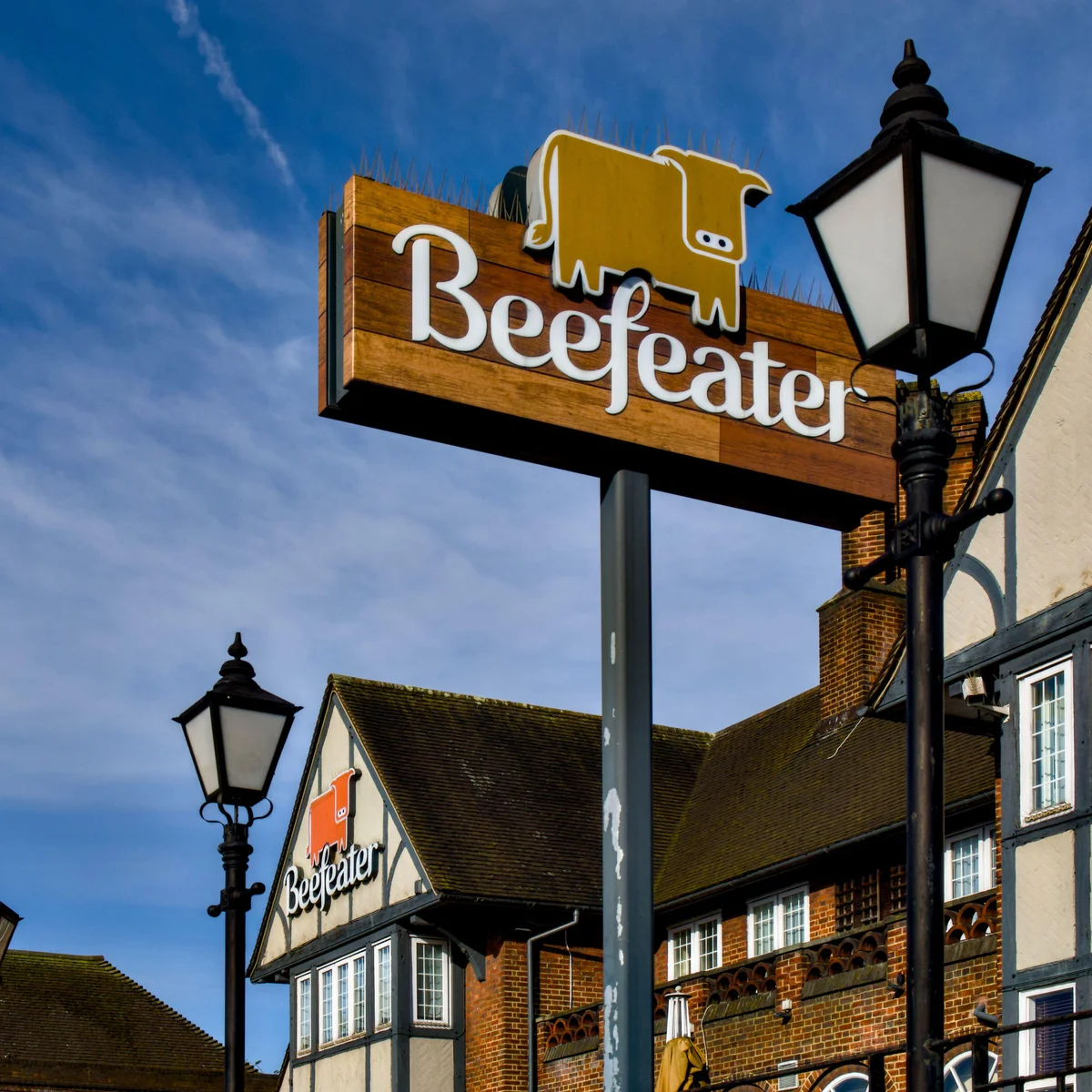
The landscape of the British hospitality sector faces a seismic shift today following a major announcement. Whitbread has confirmed the closure of its remaining Beefeater and Brewers Fayre restaurant locations across the country. This strategic decision marks the end of an era for two very well-known high street brands. Approximately three thousand eight hundred positions are expected to be cut across the United Kingdom and Ireland. These job losses represent about twelve percent of the total workforce currently employed by the group. Most of these sites are situated directly adjacent to the popular Premier Inn hotel chain branches. The company stated that formal consultations with all affected employees would begin on an immediate basis.
Management expressed hope that many workers could eventually be redeployed within the wider corporate structure. Whitbread typically recruits around fifteen thousand new staff members during a standard twelve-month operating period. This high turnover rate might offer a vital lifeline for those facing redundancy in the coming months. The firm intends to find alternative roles for a significant proportion of its current service staff. Despite these efforts, the news has caused considerable distress for many long-serving hospitality industry professionals. The decision follows a rigorous internal review of the business strategy initiated late last November. This review was prompted by a challenging economic environment and rising operational costs for the firm.

The Chancellor’s recent budget measures have placed additional financial strain on many large-scale British employers. Whitbread warned that changes to business rates would cost the company fifty million pounds this year. These tax rises arrived at a time when food prices were already climbing quite sharply. Increasing wage bills have also squeezed the profit margins of major restaurant and hotel operators nationwide. The company has felt significant pressure to adapt its model to maintain its market-leading position. An American activist investor has also been pushing for a major rethink of the corporate strategy. Corvex Management now holds a six percent stake in the firm as its second-largest shareholder. The New York hedge fund argued that the current share price undervalued the company’s assets.
As part of the new plan, Whitbread will transition into a pure hotel-focused business entity. This move mirrors the previous sale of the Costa Coffee chain several years ago now. The iconic Beefeater brand was first established in nineteen seventy-four to serve classic steak dishes. It became a staple of British family dining and a familiar sight on many major roads. Brewers Fayre similarly provided a consistent and affordable dining experience for millions of UK holidaymakers. The disappearance of these brands signifies a total change in how the company views dining. Premier Inn guests often prefer integrated food offers rather than standalone branded restaurant experiences near hotels. Converting these underperforming restaurants into extra hotel rooms will likely increase overall property profitability significantly.
The company plans to sell and lease back one point five billion pounds of freehold. Whitbread is unique in the sector because it owns a large portion of its buildings. By recycling this capital, the firm hopes to fund future growth and expand its footprint. Chief executive Dominic Paul stated that this move would allow them to take market share. Many competitors are currently struggling to grow in a very difficult and stagnant domestic economy. The shift toward a leasehold model reflects a broader trend seen across the global hospitality. Investors generally prefer the flexibility that comes with lighter balance sheets and less direct property. However, the market reacted with caution as shares fell by seven percent in early trading.
The company’s stock has declined by more than twenty percent over the last six months alone. Flat revenues reported for the last financial year have further dampened investor confidence in the short. The transition period will likely be complex as dozens of sites undergo major physical renovations. Guests staying at Premier Inn hotels may see significant construction activity at various locations this year. The company must ensure that the new integrated dining offers meet the high expectations of guests. Maintaining service quality during a period of massive staff restructuring remains a very difficult challenge. Industry analysts suggest that the move is a necessary evolution for a modern travel brand. They believe focusing on core hotel operations will provide more stability in the long term.
Social media has seen a wave of nostalgia for the departing Beefeater and Brewers Fayre. Many customers shared memories of family Sunday roasts and birthday celebrations at their local branches. These pubs often served as community hubs in areas with few other affordable dining options. The loss of these physical spaces may impact local social dynamics in several regional towns. For many, the bright yellow signs of Beefeater were a comforting sight on long car journeys. The shift toward a more clinical and integrated hotel dining experience feels like a loss. Younger travelers, however, often seek the efficiency and modern design that the new rooms provide. This generational divide in consumer preference is driving much of the current corporate decision-making.
The broader UK economy continues to grapple with the aftermath of various global inflationary shocks. High interest rates have made borrowing for large-scale expansion much more expensive for hospitality firms. Whitbread’s decision to pivot shows how even market leaders must remain agile to survive today. The company’s focus on the budget hotel sector has served it well during past downturns. People often trade down from luxury hotels to Premier Inn when their personal budgets are tight. By increasing the number of rooms, Whitbread is betting on continued demand for affordable travel. The success of this strategy will depend on the speed of the planned room conversions. It will also depend on how well they manage the transition for their displaced workers.

The unions representing hospitality workers have expressed deep concern over the scale of the job cuts. They are calling for transparent communication and fair severance packages for all those who are affected. Some local councils are also worried about the impact on employment in their specific geographic regions. Whitbread insists that its long-term growth will eventually lead to the creation of more jobs. However, the immediate future for three thousand eight hundred people remains very uncertain and quite daunting. The English Chronicle will continue to monitor the situation as the consultation process begins this week. For now, the era of the traditional roadside carvery under these brands is ending. The British high street continues to evolve in ways that favor efficiency over traditional heritage.
As we look toward the end of the decade, the hotel industry appears increasingly consolidated. Large players like Whitbread are using their scale to weather the ongoing economic and political storms. The influence of activist investors suggests that corporate boards are under more scrutiny than ever before. Every square meter of property must now generate a specific and high level of return. Converting a kitchen and dining hall into several premium bedrooms makes clear financial sense today. Whether this improves the overall guest experience is a question that only time will answer. For many, the soul of the British roadside inn is being replaced by corporate logic. Yet, the necessity of change is often the only constant in the world of business. The English Chronicle Online will provide further updates on this developing story as they arrive.
Related News:
 Reeves Faces Setback as Labour May Miss Homes Target
 Kate Winslet to Narrate Film Highlighting King’s Environmental Mission
 Trump’s UK Ambassador Urges North Sea Drilling to Strengthen US Ties
 UK Bans Fake Numbers: Scammers Lose Their Trick
 Vibe coding’ named Collins dictionary’s word of the year
BBC to Apologise Over Edited Trump Speech Amid Backlash
Vibe coding’ named Collins dictionary’s word of the year
BBC to Apologise Over Edited Trump Speech Amid Backlash
 Millionaires group urge Reeves to introduce wealth tax to ‘lift kids out of poverty’
 Reeves rejects £1bn plea for NHS redundancy payouts
 PM Condemns Leaks, Vows Loyalty to Ministers and Stability
 Phillipson Accused of Appeasing Unions by Diluting EBacc
 Saka Solidifies Role as Tuchel’s Key England Lieutenant
 Greene Pushes Epstein Files Amid Trump Fallout
 Zelenskyy Signs Fighter Jet Deal Amid Russian Drone Attacks
 Sundar Pichai Cautions on AI Hype and Market Risks
 Shadow Fleet at Sea: Europe’s Battle Against Illicit Oil Shipping
 Snow and Ice Cause Travel Chaos in North Yorkshire
 Director Michael Caton-Jones Reflects on Career and Beginnings
 Inside the Helpline Protecting Missing Children in the UK
 PlayStation PS5 Deals Hit Lowest Prices Ahead of Black Friday
 US Suspends Afghan Immigration After White House Shooting
 Five-Year-Old Dies After Rare Tonsil Surgery Complication
 Starmer Says Labour’s Economic Plan Needs Years to Deliver
 ‘Extinct’ Antelope Returns to Sahara, Bringing Hope
 IndiGo Cancels Hundreds of Flights Amid Pilot Shortages
 Young Britons Face Heaviest Burden from Ageing Population, Lords Warn
 U‑Turn on Farmers’ Inheritance Tax Sparks Political Firestorm
 Aston Villa Remain Arsenal’s Key Obstacle in Title Pursuit
 Irish Beach Tragedy: Irish Drown at Whitehaven Beach in Australia
 Starmer Faces Parliamentary Battles Over UK-EU ‘Reset’ Plan
 Met Police Vetting Failures Let Serial Rapists Remain
 Federal Immigration Shift: Officers Leave Louisiana for Minneapolis
 Fatal Bolton Taxi Crash Claims Three Teens and Driver
 Australia grants Asio powers to designate hate groups under new laws
 Friedman Uninvited From 2024 Adelaide Writers’ Week
 US and Iran Agree to Two-Week Provisional Ceasefire
 Battle of Britain Tower to House Tourists and Bats
 The Challenger: Will Péter Magyar End the Orbán Era?
 UK Government Poised to Revive Stalled Hillsborough Law
 Democrats Move to Impeach Defense Secretary Pete Hegseth
 Security Alert Near Israeli Embassy as Police Investigate
 Ben Roberts-Smith Denies War Crime Allegations in First Statement
 Home Office Faces Legal Risks Over Asylum Hotel Living
 US-Iran Standoff: Will Trump Deploy Ground Troops?
 Crisis in NHS Surgery Scheduling Hits Patients Hard
 Investigation Into Anti-Trump Motives After Gala Shooting
 Dubai Assets Linked to Sudan’s RSF Militia Exposed
 Blue Badge Abuse: The Rising Tide of Public Hostility
 Tragedy Strikes at Parafield Airport
 New AI Tool To Target Obesity Risk And Transform NHS Care
 Greens Face Internal Row Over Antisemitism Claims
 Tough Fiscal Realities Await Next Scottish Government
 The Burning Lens: An Iranian Artist’s Visual Resistance
 Met Officers Probed Over Al Fayed Abuse Allegations
 One Nation Candidate’s Surprising Ties to Independents
 Aramco Surges as East-West Pipeline Counters Gulf Tensions
 Reform UK Faces Crisis as Newly Elected Councillors Resign
 Starmer Strikes Back as 100 MPs Sign Support Pledge
 Scepticism and tight security as Beijing braces for Trump
 Tensions Flare as Israeli Nationalists March in Jerusalem
 UK Firms Freeze Spending as Iran Conflict Bites
 UK Job Market Squeezed as Iran War Drives Jobless Rate to 5%
 Reeves to Fast-Track Clean Energy Amid Iran Crisis
 The Battle for Wembley Sparking Unprecedented Legal Warfare
 Tony Abbott Returns as New Liberal Party President
 Pope Meets Families in Italy Toxic Waste Zone
 Royal Ascot Allegation Sparks Wider Police Inquiry
 Secret Role of UK Security Services in Troubles Amnesty Law
 Tube Strike Brings Capital to a Standstill Over Shift Disputes
 Teaching Machines Right From Wrong in the Digital Age
 Is Ollie Robinson the Chaos English Cricket Needs Today?
 The Hidden Crisis Eroding Trust in British Communities
 Saving the Scalloped Hammerhead: The Pacific Battle
 Stolen Mobiles Could Soon Become Useless Bricks
 Clean Air Initiatives Spark Major Fall in London Hospital Admissions
 Fearless Pioneer of Investigative Journalism Dies Aged 83
 Trump Urged to Condemn UFC Fighter Over Obama Slurs
 The Fear Gap: Why Europe Feels Less Safe Than It Is
 US Military Pacific Boat Strike Kills Three People
 Dettol Apologises for ‘Toxic Men’ Advert Backlash in China
 UK Care Crisis: Row Explodes Over New Visa Settlement Rules