
The revelation follows the Home Office’s recent announcement of a new national police unit specifically designed to protect candidates from the “toxic surge” of harassment. With 55% of candidates in the last election reporting abuse, the threat against Spencer is being viewed not as an isolated incident, but as part of a “coordinated effort” to intimidate women and minority voices out of public life.

Speaking from a secure location, Spencer described the moment the “political disagreement” turned into a criminal threat.
The Threat: An unidentified man reportedly cornered Spencer during a canvassing session, screaming, “I know where you live, and I’ll burn your house down if you don’t stop.”
The Aftermath: The threat has forced Spencer to be accompanied by private security for the remainder of the campaign. “He didn’t just want to debate me; he wanted to delete me,” she said. “The message was clear: my life and my home were the price of my candidacy.”
The “Operation Ford” Response: Police have confirmed they are investigating the incident under Operation Ford, the expanded national security effort to protect candidates in the Scottish Parliament, Welsh Senedd, and local government elections.
The threat against Spencer comes during a week of heightened national security tension:
The Golders Green Emergency: Just yesterday, the government designated the surge in antisemitic violence as a “national security emergency” following a double stabbing and arson attacks on Hatzola ambulances.
The Mandelson Fallout: In Westminster, Kemi Badenoch has accused Prime Minister Keir Starmer of “squandering” his security mandate, citing the failure to vet Peter Mandelson as evidence of a “vacuum of accountability” that encourages domestic thugs.
The Arson Pattern: The threat to “burn down houses” is a recurring theme this week, also appearing in reports of High Street gangs intimidating council trading standards officers.
The Jo Cox Civility Commission released a “Renewed Call to Action” this morning, warning that the “normalization” of violence against politicians is reaching a breaking point.
“We are seeing the ‘accountability rot’ of the internet spill onto the doorstep,” said a spokesperson for the Commission. “When a candidate is told their house will be burned, we aren’t just losing a politician; we are losing the fundamental right to a free and fair election. It is political terror, plain and simple.”
The Representation of the People Bill 2024-26, currently moving through Parliament, seeks to address this by:
Increasing Sentences: Allowing courts to treat the intimidation of candidates as an “aggravating factor” in sentencing.
Home Address Protection: Removing the requirement for election agents to make their home addresses public—a rule many blame for the ease with which harassers target candidates.
Despite the threat, Spencer has refused to stand down. Her defiance has become a rallying point for fellow candidates who are increasingly using “security details” as a standard part of their campaign kits.
The King’s Shadow: As King Charles concludes his visit to Washington—celebrating 250 years of a republic founded on the rejection of intimidation—the struggle on British doorsteps serves as a reminder that democracy is “never a settled state.”

The May 7 Verdict: For many voters, the “security of the candidate” has become as much an election issue as the cost of living or the $118-a-barrel oil price.
As the Plymouth bomb disposal team clears the “ghosts” of the 1940s, Hannah Spencer and her colleagues are fighting the modern ghosts of extremism. “If I quit now, they win,” Spencer told her supporters. “And if they win, the high street doesn’t just lose a candidate; it loses its soul.”
Related News:
 Tasers Introduced in UK Prisons to Combat Rising Violence and Protect Staff
 Police Advised to Disclose Ethnicity of Suspects in High-Profile Cases
 Charlie Kirk Killing Used to Mobilise UK’s Largest Far-Right Rally in Decades
 Jailed Georgian Opposition Leaders Warn UK of Iranian Links to Ruling Party
 UK Police to Gain New Powers to Manage Repeated Protests, Home Office Announces
 Boris Johnson Breached Rules on Post-Office Business Contacts
 China Spy Case Hearing Reveals Key Gaps in Prosecution
 It’s time to come clean on the China spy case
 French Taxi Driver Cleared in David Lammy Theft Case After Fare Dispute
 Met Police Culture Makes Racial Harm ‘Inevitable’
 Remaining rebel Labour MPs have whip restored
 Victims’ commissioner Baroness Newlove dies aged 63
 Emails Show Epstein Funded Mandelson’s Husband After Jail
 Police Probe Mandelson Over Alleged Epstein Leak
 Last‑ditch Call to Save Police Front Counters in London
 How Much Could Andrew’s Arrest Hurt the Royal Family?
 Andrew Released Under Investigation After Arrest
 Labour MP’s Partner Arrested on Suspicion of Spying for China
 Police Scotland Pays £8m Compensation to Staff
 ‘An Evil Man is Dead’: Australian Fugitive Dezi Freeman Shot Dead After 216 Days
 Case Closed: No Criminal Wrongdoing by Officer in Simpson Murder Investigation
 Justice in Motion: Police Driver Charged Over Fatal Collision
 Mass Arrests at London Palestine Protest Spark Debate
 The London “Safe Houses”: BBC Reveals Epstein Housed Victims in Secret UK Flats
 The “Invisible” Tape: Leaked Video Contradicts Police Denial in Brutal Arrest Case
 Targeted Attack in Bury Sparks Murder Investigation as Community Awaits Justice
 Man Remanded After Children Fall Ill at Leicestershire Summer Camp in Shocking Child Cruelty Case
 Mass Arrests in London as Protest Defies Ban on Palestine Action
 Merseyside Police Helicopter Crew Cleared After Low-Altitude Pursuit of Suspect
 Urgent Action Needed on Windrush Compensation as Survivors Speak of “Waiting to Die”
 Tanni Grey-Thompson Faces Abuse Over Opposition to Assisted Dying Bill
 UK Launches Major Crackdown on Networks Profiting from Online Child Sexual Abuse
 Zarah Sultana Seeks Legal Action After Bitter Clash with Jeremy Corbyn Over Party Membership Funds
 Mahmood Pledges Reform of Modern Slavery Laws After Court Blocks Deportation Appeal
 No Evidence Found to Substantiate Alleged Rape in Oxfordshire Churchyard, Police Confirm
 Digital ID Plans Ignite Debate Over £600m Treasury Tax Boost and Privacy Concerns
 Just Stop Oil Protesters Convicted Amid Climate Defence Row
 Major Rent Reform Ends No-Fault Evictions in England
 Peers Flood Assisted Dying Bill with 942 Amendments
 Serial Rapist and Former Cop Found Guilty Again
 Most Tories Expect to Support a Farage-Led Government
 Plans to Limit Jury Trials Face Retreat After Mounting Opposition
 Woman Jailed for Life After Killing E-Bike Rider in Tragic Mistaken Identity Case
 Betfair Faces Pressure Over Funds Lost to Gambling Fraud
 Police response times face strict new national limits
 Appeal to B&B Owners Over Cash Point Ram-Raid
 Disability and LGBT Hate Crimes Set to Become Aggravated Offences
 Nine Arrested in France Over Death of Far‑Right Student
 Civil Service Pay: Union Urges Ministers to End ‘Barking Mad’ Limits
 Fly-Tippers to Be Hunted by ‘Drone Squad’ in Crackdown from the Sky
 Court Error Frees Rape Suspect Who Flees UK
 Rape Accused Had Fight With Man in Alley, Court Told
 Grave of Murdered Toddler James Bulger Vandalised
 Suspects in Lisa Dorrian Case Released on Bail
 Driver Jailed Over Fatal Water Treatment Tank Crash
 Man on Trial for Rape That Led to Andrew Malkinson’s Wrongful Jailing
 Armed police incident closes major road
 Pedestrian critically hurt after being hit by car
 Scots Man Convicted in Dirty Money Case After DNA Found on Cash
 Liverpool Shooting Horror as Girl, 17, Shot in Legs in ‘Targeted Attack’
 Mandelson’s Phone Messages Requested in Files Release
 Families Tortured by Authorities During Investigations Inquiry Told
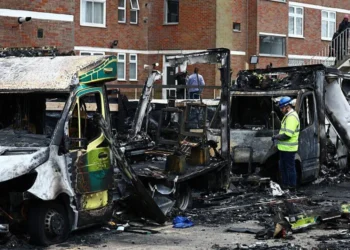 Two Men Bailed Following Arson Attack on Jewish Charity Ambulances
 Watchdog Probes Police Handling of Andrew Tate Abuse Claims
 US Lawmaker Demands Testimony Over Sarah Ferguson’s ‘Close Epstein Ties’
 The Last of the Lords: Two Hereditary Peers to Retain Ceremonial Roles Amid Historic Ousting
 ‘Eye in the Sky’ Blinded: Photos Reveal Destroyed US Radar Jet at Saudi Base
 ‘Full and Immediate Access’: Netanyahu Reverses Palm Sunday Ban on Latin Patriarch
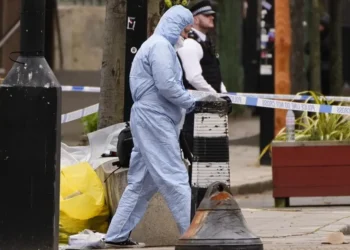 Police Hunt Bike-Riding Gunman After Man Shot Dead Near Euston
 “A Shadow in the Night”: Survivor Speaks Out After Abduction by Fake Taxi Driver
 Heartbreak in Bournemouth: The Tragic Death of James Blanch
 Rebranded or Reclaimed? Seized Tate Assets to Fund Domestic Abuse Support
 Misconduct Inquiry Launched Over Fatal Schoolgirl Crash Response
 Counter-Terror Probe Launched After Break-In at Hampshire Firm
 MoD Has Lost Track of Veteran Recall List, Says Adviser
 A Crime of Pure Hatred’: Court Hears Harrowing Details of Racially Aggravated Rape in Bristol
 ‘A Sacred Space Shattered’: Two Found Guilty in London Church Drive-By Murder Trial
 Crackdown Backfires on UK Climate Protesters
 “Significant” Fire at Pink Punters: 51-Year-Old Man Arrested Following LGBT+ Club Blaze
 A “Breaking Point” for Britain: Terror Adviser Warns Antisemitism is Now a National Security Emergency