Published: 08 May 2026. The English Chronicle Desk. The English Chronicle Online.
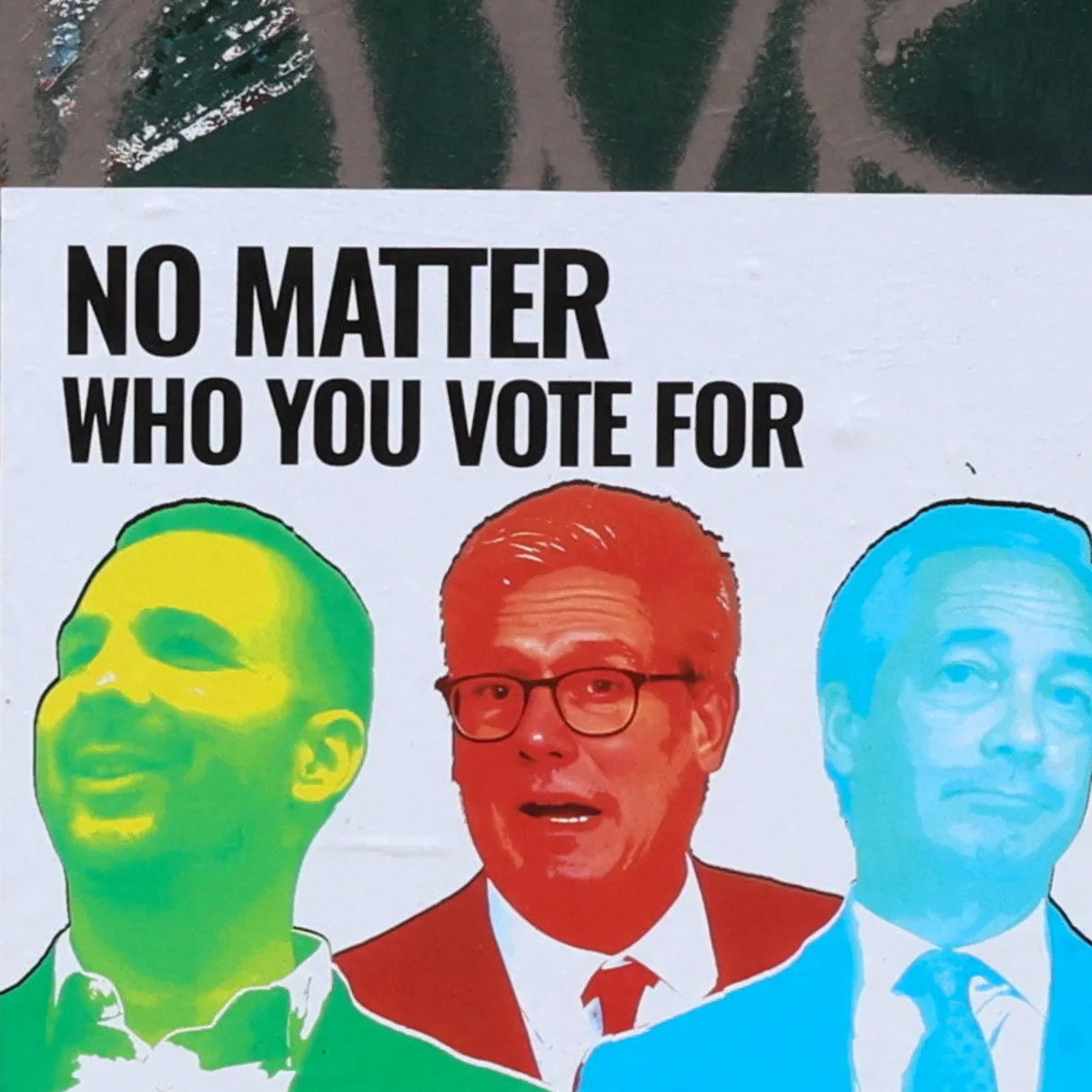
The digital landscape of British politics often feels like a predictable sea of navy suits and scripted slogans. Every election cycle brings a fresh wave of polished leaflets through our doors featuring very similar smiles. We think we know exactly what a Conservative councillor or a Green Party activist looks like at a glance. However, a new viral sensation is proving that our visual assumptions are frequently wide of the mark. This engaging online game has captured the attention of Westminster insiders and the general public alike this week. It challenges the deep-seated prejudices we hold about how political beliefs manifest in a person’s physical appearance. The results suggest that the British electorate is far more visually diverse than the stereotypes suggest.
The game is titled Guess the Party and it was created by developer Sam Hamill-Stewart. He designed a simple yet addictive interface that presents users with photos of local election candidates. Players must then decide which political party the individual represents based purely on their profile picture. It sounds like a straightforward task for anyone who follows the news or local community issues. We often assume that certain fashion choices or grooming habits signal specific sets of political values. A thick grey moustache might suggest a Reform UK candidate to many casual digital observers today. Conversely, a pair of thick-rimmed spectacles and a functional rucksack often scream Labour party supporter. These visual shortcuts are deeply embedded in the collective psyche of the modern British voting public.

As the polls closed on Thursday night, the sheer scale of the game’s popularity became clear. Over three point nine million guesses were recorded by more than one hundred thousand unique players. This massive dataset provides a fascinating look into how we perceive our local political representatives online. The statistics gathered from the game reveal that our instincts are often quite poorly calibrated indeed. Many players found themselves surprised by the actual affiliations of the candidates they were judging. It turns out that a red tie does not always signify a Labour party member. Sometimes a splash of scarlet is merely a fashion choice or a clever red herring. Hamill-Stewart even removed photos with party logos to ensure the test remained purely about personal aesthetics.
The data shows that some parties are much easier to identify than others in this quiz. Green Party candidates emerged as the most recognisable group for the majority of the active players. They were correctly identified by over thirty-seven percent of the people who took the viral challenge. Reform UK candidates followed closely behind with a thirty-five percent accuracy rate among the game’s users. These figures suggest that these specific parties might have a more distinct visual brand identity. Perhaps their candidates lean into certain looks that the public has come to expect from them. This could be a conscious choice or a natural reflection of their specific core demographics. Regardless, they seem to stand out more clearly in the crowded field of local politics.
On the other end of the scale, the Liberal Democrats proved to be the most elusive. Only fifteen percent of players managed to correctly identify candidates from the centrist Liberal Democrat party. This suggests that their representatives do not fit into a neat or easily recognisable visual box. They seem to blend into the general population more effectively than their more ideological political rivals. This lack of a clear visual stereotype might be seen as both a blessing and a curse. It suggests a broad appeal but also a lack of a distinct and immediate brand. It is a fascinating insight into how the British public views the third largest political force. The difficulty in pinning them down highlights the nuances of contemporary political identity across the UK.
Some individual candidates became overnight sensations due to their incredibly high rates of correct identification by players. Jacky Carr is a freelance theatre producer who stood for election in the town of Broxbourne. An incredible ninety-one percent of players correctly guessed that she was representing the vibrant Green Party. Her appearance clearly resonated with what the public expects from an environmentalist and progressive political activist. Similarly, Alan John Outlaw saw over eighty percent of players correctly identify him as a Reform candidate. He was standing in Keighley East and seemed to personify the visual expectations of his party. These cases show that stereotypes do occasionally align perfectly with the reality of political life today. They provide the anchors of familiarity that players rely on when navigating the difficult digital quiz.
However, the most interesting parts of the experiment were the candidates who completely defied traditional expectations. Martin Radbon was a Green Party candidate who confused almost every single person who played the game. Less than two percent of players correctly identified him as a member of the Green Party. Most people assumed he was standing for Reform UK based on his traditional and rugged appearance. This highlights how appearances can be incredibly deceiving when it comes to personal and political values. It serves as a reminder that we should not judge a book by its cover. A person’s hairstyle or clothing does not dictate their views on the economy or environment. Martin’s case was a standout example of how our visual biases can lead us astray.
Another candidate who shattered stereotypes was Laura Caroline Harrison, who stood for the Conservative Party this year. She sported vibrant purple hair which led many players to assume she was a Green candidate. Only two point five percent of users correctly identified her as a member of the Tories. This clash between her bold personal style and her traditional party choice fascinated many social media users. It challenges the idea that Conservative politicians must always look conventional or even somewhat old-fashioned. Laura represents a new wave of candidates who bring their own unique flair to local government. Her presence in the party suggests a broadening of what it means to be a Tory. It is a refreshing change from the grey suits we often see in Westminster.
The theme of colourful hair leading to mistaken identity was a recurring trend throughout the entire game. Four out of the top five candidates most wrongly identified as Greens had dyed hair. These individuals actually represented the Conservatives, the Labour Party, or even the Liberal Democrats in reality. It seems that many people still associate unconventional hair colours exclusively with left-wing or environmentalist politics. This visual shortcut is clearly outdated as people of all political stripes embrace more expressive personal styles. The game has highlighted a significant gap between public perception and the reality of local candidates. It suggests that our mental models of political identity are due for a serious update. We are living in an era where personal expression is becoming more diverse.

The success of Guess the Party reflects a broader trend of gamifying the political process for engagement. It turns the often dry world of local elections into a fun and educational social activity. By making people look closely at candidate photos, it encourages a more personal connection with politics. It also forces us to confront our own internalised biases and prejudices about our fellow citizens. We are forced to ask why we think a certain person looks like a Liberal Democrat. These questions are important for a healthy and functioning democracy that values individual character over tropes. The game provides a mirror to our own assumptions and asks us to think again. It is a rare example of a viral trend with a genuine social purpose.
Ultimately, the lesson from this viral sensation is that British politics is becoming much more colourful. The rigid visual boundaries of the past are slowly starting to dissolve in the modern era. We see candidates who refuse to be defined by the traditional expectations of their chosen parties. This diversity is a positive sign for the health of our local and national institutions. It shows that people from all walks of life feel they can find a home. Whether they have pink hair or wear a sharp suit, their ideas remain the priority. As we move forward, perhaps we will learn to look past the photo on the leaflet. The true measure of a candidate lies in their policies and their commitment to service.
Related News:
 Reeves Faces Setback as Labour May Miss Homes Target
 Kate Winslet to Narrate Film Highlighting King’s Environmental Mission
 Trump’s UK Ambassador Urges North Sea Drilling to Strengthen US Ties
 UK Bans Fake Numbers: Scammers Lose Their Trick
 M&S Profits More Than Halve After Cyber-Attack
 Patients to Test Health at Home to Ease NHS Winter Pressure
 Millionaires group urge Reeves to introduce wealth tax to ‘lift kids out of poverty’
 Reeves rejects £1bn plea for NHS redundancy payouts
 Northern Lights may illuminate UK skies this week
 PM Condemns Leaks, Vows Loyalty to Ministers and Stability
 Major Rent Reform Ends No-Fault Evictions in England
 Stroke Patient Mistaken for Drunk, Care Delayed
 Inside the Helpline Protecting Missing Children in the UK
 Boots Showstopper Beauty Bundle Outshines Many Advent Calendars This Holiday Season
 PlayStation PS5 Deals Hit Lowest Prices Ahead of Black Friday
 Five-Year-Old Dies After Rare Tonsil Surgery Complication
 Starmer Says Labour’s Economic Plan Needs Years to Deliver
 UK unemployment rises to four-year high of 5.1% before budget
 Wiltshire Police Use Lasso to Catch Rampaging Village Goat
 Coasting Drinks: The Trend Redefining Alcohol Enjoyment This New Year
 Rising Hate Crimes Threaten Safety on UK Public Transport
 Starmer Faces Parliamentary Battles Over UK-EU ‘Reset’ Plan
 Met Police Vetting Failures Let Serial Rapists Remain
 Fatal Bolton Taxi Crash Claims Three Teens and Driver
 ScottishPower Tops List of Worst UK Energy Suppliers
 Judi Dench Champions Fight to Save London’s Green Spaces
 Crowborough Camp Welcomes First Asylum Seekers
 BBC Funding Crisis: Tim Davie Warns of Jeopardy Ahead
 Artificial intelligence will cost jobs, admits Liz Kendall
 Older Women Vanish from BBC Screens, Review Confirms Bias
 Streeting moves on doctor pay to end strike dispute
 Send spending gap leaves deprived areas behind
 Hidden Crisis: Domestic Abuse Suicide Toll in UK
 UK Unemployment Rate Climbs to 5.2% Peak
 BBC World Cup Presenting Duties Shared Among Trio
 Wales Approves Assisted Dying Bill Consent
 CPS Updates Guidance on Honour-Based and Dowry Abuse
 Asylum Seekers to Work After Year-Long Wait
 Inquiry into HMRC child benefit errors launched by NAO
 Rising Costs Force Families to Rethink Days Out
 Scott Mills Sacked by BBC Over Personal Conduct Claims
 Palantir Boss Defends NHS Deal Amid Government Break Clause
 Relationship with Trump may be beyond repair, Starmer warned
 UK Government Poised to Revive Stalled Hillsborough Law
 UK Staycations Rise as Travel Fears Grow
 Home Office Faces Legal Risks Over Asylum Hotel Living
 Official Admits Debate Over Mandelson Vetting Records
 Crisis in NHS Surgery Scheduling Hits Patients Hard
 Welsh Labour Faces Potential Historic Election Defeat
 Blue Badge Abuse: The Rising Tide of Public Hostility
 UK Faces Future Where Deaths Outnumber Births Yearly
 Scott Parker Leaves Burnley After Premier League Drop
 Silent Tracks: Rail Line Without Passengers
 RFU Backs Borthwick Despite England’s Poor Six Nations
 Major test for Labour as polls open in Great Britain
 Labour Members Doubt Starmer Future as Burnham Leads Poll
 Reform UK Faces Crisis as Newly Elected Councillors Resign
 Starmer Strikes Back as 100 MPs Sign Support Pledge
 UK Firms Freeze Spending as Iran Conflict Bites
 Rugby Legend Scott Hastings Dies Aged 61
 Reeves to Fast-Track Clean Energy Amid Iran Crisis
 The Battle for Wembley Sparking Unprecedented Legal Warfare
 Record Spending Highlights Growing Crisis In National Health Service
 Secret Role of UK Security Services in Troubles Amnesty Law
 Tube Strike Brings Capital to a Standstill Over Shift Disputes
 BP Stands Firm on Amanda Blanc Amid Boardroom Storm
 Teaching Machines Right From Wrong in the Digital Age
 UK House Prices Drop For Third Month Due To War Fears
 The Hidden Crisis Eroding Trust in British Communities
 Deepfake Abuse on X Sparks Safety Concerns for Dissidents
 Stolen Mobiles Could Soon Become Useless Bricks
 Clean Air Initiatives Spark Major Fall in London Hospital Admissions
 United Kingdom Politics Worse Now Than Before Brexit, Warns MP
 Russian Tanker Captain Remanded in UK Court After Channel Seizure
 Shocking Zoo Incident Sparks Attempted Murder Probe
 UK Care Crisis: Row Explodes Over New Visa Settlement Rules
 Sainsbury’s Boss Optimistic As Grocery Inflation Eases
 US Airman Avoids British Court in Indecent Exposure Case
 Ann Widdecombe, Formidable Political Figure, Dies at 78
 UK Schools Struggle as Classrooms Top 40C