Published: 02 June 2026. The English Chronicle Desk. The English Chronicle Online.
The delicate balance of government communication faced a fresh challenge within Westminster corridors this week. Senior ministers found themselves managing the fallout from a series of highly revealing private messages. Cabinet Office minister Nick Thomas-Symonds moved quickly to reassure the British public about fiscal policy. He insisted that the Labour party is not planning tax rises to fund welfare benefits. The controversy emerged following the high-profile release of confidential correspondence involving prominent political figures.
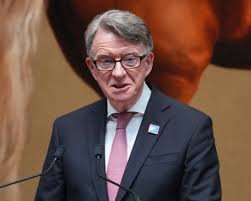
The political storm ignited when private WhatsApp messages were made public on Monday afternoon. These candid exchanges involved Work and Pensions Secretary Pat McFadden and Lord Peter Mandelson. The released documents immediately caught the attention of major international and UK news outlets. In one notable message, McFadden expressed frustration regarding his daily meetings with parliamentary colleagues. He complained about the constant focus on who could be taxed for welfare spending. The Work and Pensions Secretary suggested that fellow MPs were asking entirely wrong questions.
This unexpected disclosure has sparked intense debate about the internal culture of the party. It has raised significant questions regarding long-term spending priorities under the current administration. The timing of the leak is particularly sensitive given ongoing national economic discussions. Political analysts have dissected the messages to understand potential divisions over national taxation strategies. However, Thomas-Symonds was eager to minimise the long-term impact of these leaked conversations. He stressed that the comments did not represent general parliamentary party sentiment today.
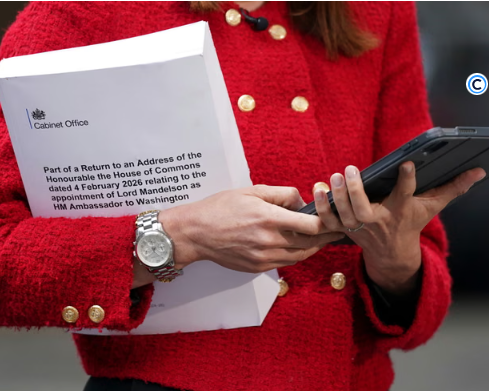
The minister addressed the situation during an interview on BBC Radio 4’s Today programme. He openly acknowledged that the publication of these private messages was deeply embarrassing. However, he defended the transparency of the administration during this difficult public moment. The information was released to comply fully with a parliamentary humble address motion. This specific mechanism forced the government to disclose all relevant data regarding recent appointments. Thomas-Symonds argued that this disclosure proves the state’s absolute commitment to accountability laws.
The broader context of these leaked messages relates directly to Lord Mandelson’s recent career. The peer was briefly appointed to serve as the UK ambassador to Washington. This crucial diplomatic posting was cut short following revelations about his past personal associations. The released cache of documents included numerous texts with government ministers and senior officials. These interactions have now been laid bare for public and journalistic scrutiny across Britain. The resulting media storm has forced the current cabinet onto the back foot defensively.
During his broadcast appearance, Thomas-Symonds offered a robust defence of his parliamentary colleagues. He stated clearly that his personal experience differed from the narrative in the texts. The minister denied that backbench Labour MPs were consistently demanding higher welfare spending levels. He reframed the internal debate by focusing heavily on economic opportunity and employment. According to the Cabinet Office minister, the government remains focused on job creation schemes. He insisted that helping citizens find sustainable employment remains the primary welfare objective.
To support his argument, Thomas-Symonds highlighted recent policy initiatives aimed at younger citizens. He specifically referenced a comprehensive report authored by former health secretary Alan Milburn. This detailed study provided fresh recommendations for tackling stubborn levels of youth unemployment nationwide. The minister suggested that this work reflects the true spirit of the parliamentary party. He claimed that MPs stand entirely united behind the goal of reducing welfare dependency. The focus, he argued, is always on expanding opportunity rather than increasing welfare.
The escalating national welfare bill remains a topic of significant concern for economic commentators. Thomas-Symonds defended certain areas of increased government spending despite the current fiscal pressures. He pointed specifically to the rising costs associated with the state pension system. The government remains firmly committed to maintaining the popular pension triple lock policy. The minister expressed explicit pride in protecting the financial security of older British citizens. He argued that supporting pensioners is a core moral duty for the administration.
The conversation then shifted towards the controversial circumstances surrounding Mandelson’s sudden diplomatic dismissal. Thomas-Symonds admitted he was not surprised by the initial congratulatory messages sent. Many officials had welcomed the appointment before damaging historical details emerged last autumn. The minister claimed total ignorance regarding Mandelson’s past links to a convicted criminal. He stated he only learned the facts after a US Department of Justice release. The American files exposed the true depth of Mandelson’s link to Jeffrey Epstein.
The revelation of those dark connections led directly to Mandelson’s removal from office. Thomas-Symonds described his personal shock when the American legal documents were published last September. He noted that the details were deeply unsettling for everyone within the government. The fallout from that discovery continues to ripple through British political life today. The newly released WhatsApp messages have simply revived public interest in the entire affair. The situation has created a complex web of diplomatic and domestic political challenges.
The minister faced additional scrutiny regarding the completeness of the recent data release. He confirmed that his own personal text messages were absent from the archive. This omission was caused by the unfortunate theft of his mobile phone recently. Thomas-Symonds explained that he lost a significant amount of data during that incident. The lost information included sentimental personal photographs alongside various official political messages. He stated that the phone was his private device rather than an official line.
Despite the physical loss of the device, the minister attempted to ensure compliance. He provided a detailed verbal description of his past exchanges to the Cabinet Office. These descriptions aimed to satisfy the strict requirements of the parliamentary transparency motion. The missing messages apparently contained routine congratulations regarding various high-level political appointments. They also featured discussions about Mandelson’s campaign for the Oxford University chancellorship. Thomas-Symonds concluded by reiterating his long-standing personal support for open government principles.
The unfolding situation highlights the permanent tension between private political discussions and public policy. The government is working hard to project an image of absolute fiscal responsibility. Meanwhile, internal communications sometimes suggest a more complicated debate behind closed parliamentary doors. Voters are watching closely to see how these taxation arguments develop over time. The administration must balance the demands of its MPs with broader economic realities. Managing public expectations on welfare spending will require careful communication in coming months.
International observers are also monitoring these developments within the British diplomatic corps closely. The relationship between London and Washington remains a cornerstone of UK foreign policy. Any controversy surrounding the ambassadorial role inevitably attracts attention from global political analysts. The swift removal of Mandelson was intended to protect that vital transatlantic partnership. However, the subsequent leakage of internal messages has prolonged the domestic political headache. The government hopes that Thomas-Symonds’ recent explanations will finally settle public anxiety.
The coming weeks will test the resilience of the government’s unified public messaging. Ministers will likely face continued questions about taxation plans and future welfare reforms. The shadow of the Mandelson affair still lingers over certain sections of Whitehall. Observers will watch whether these leaks affect upcoming budgetary decisions by the Chancellor. For now, the official line remains focused firmly on employment growth and opportunity. The cabinet seems determined to move past the embarrassment of these private disclosures.
Related News:
 Reeves Faces Setback as Labour May Miss Homes Target
 Kate Winslet to Narrate Film Highlighting King’s Environmental Mission
 Trump’s UK Ambassador Urges North Sea Drilling to Strengthen US Ties
 UK Bans Fake Numbers: Scammers Lose Their Trick
 Millionaires group urge Reeves to introduce wealth tax to ‘lift kids out of poverty’
 Reeves rejects £1bn plea for NHS redundancy payouts
 PM Condemns Leaks, Vows Loyalty to Ministers and Stability
 Stroke Patient Mistaken for Drunk, Care Delayed
 Inside the Helpline Protecting Missing Children in the UK
 Boots Showstopper Beauty Bundle Outshines Many Advent Calendars This Holiday Season
 PlayStation PS5 Deals Hit Lowest Prices Ahead of Black Friday
 Five-Year-Old Dies After Rare Tonsil Surgery Complication
 Starmer Says Labour’s Economic Plan Needs Years to Deliver
 UK unemployment rises to four-year high of 5.1% before budget
 Wiltshire Police Use Lasso to Catch Rampaging Village Goat
 Coasting Drinks: The Trend Redefining Alcohol Enjoyment This New Year
 Rising Hate Crimes Threaten Safety on UK Public Transport
 Starmer Faces Parliamentary Battles Over UK-EU ‘Reset’ Plan
 Met Police Vetting Failures Let Serial Rapists Remain
 Google Employee Claims Redundancy After Harassment Report
 Fatal Bolton Taxi Crash Claims Three Teens and Driver
 ScottishPower Tops List of Worst UK Energy Suppliers
 Judi Dench Champions Fight to Save London’s Green Spaces
 Crowborough Camp Welcomes First Asylum Seekers
 BBC Funding Crisis: Tim Davie Warns of Jeopardy Ahead
 Storm Chandra floods Somerset, triggers major incident declaration
 Artificial intelligence will cost jobs, admits Liz Kendall
 Older Women Vanish from BBC Screens, Review Confirms Bias
 Mandelson Faces Police Inquiry Over Epstein Leak
 Streeting moves on doctor pay to end strike dispute
 UK reports baby formula toxin poisoning cases across the country
 Morgan McSweeney downfall shocks Labour leadership
 Send spending gap leaves deprived areas behind
 Hidden Crisis: Domestic Abuse Suicide Toll in UK
 UK Unemployment Rate Climbs to 5.2% Peak
 Farage Unveils Reform UK Frontbench Team
 BBC World Cup Presenting Duties Shared Among Trio
 Wales Approves Assisted Dying Bill Consent
 CPS Updates Guidance on Honour-Based and Dowry Abuse
 Asylum Seekers to Work After Year-Long Wait
 Inquiry into HMRC child benefit errors launched by NAO
 Rising Costs Force Families to Rethink Days Out
 Scott Mills Sacked by BBC Over Personal Conduct Claims
 Palantir Boss Defends NHS Deal Amid Government Break Clause
 Relationship with Trump may be beyond repair, Starmer warned
 UK Government Poised to Revive Stalled Hillsborough Law
 Home Office Faces Legal Risks Over Asylum Hotel Living
 Crisis in NHS Surgery Scheduling Hits Patients Hard
 Blue Badge Abuse: The Rising Tide of Public Hostility
 Scott Parker Leaves Burnley After Premier League Drop
 Silent Tracks: Rail Line Without Passengers
 RFU Backs Borthwick Despite England’s Poor Six Nations
 Major test for Labour as polls open in Great Britain
 Keir Starmer Struggles to Secure His Grip on Downing Street
 Fear and Betrayal: The Chilling Case of Kouri Richins
 Farage Faces Standards Probe Over Cash Property Purchase
 Closing the Gap: UK Pensions Commission Demands Action
 Sun and Jams: Britain Braces for a Sizzling Bank Holiday
 Russian Electronic Attack Targets UK Defence Chief Jet
 UK Shoppers Face Prolonged Price Rises At Tills
 Tube Strike Brings Capital to a Standstill Over Shift Disputes
 BP Stands Firm on Amanda Blanc Amid Boardroom Storm
 Teaching Machines Right From Wrong in the Digital Age
 UK House Prices Drop For Third Month Due To War Fears
 The Hidden Crisis Eroding Trust in British Communities
 Deepfake Abuse on X Sparks Safety Concerns for Dissidents
 Stolen Mobiles Could Soon Become Useless Bricks
 Clean Air Initiatives Spark Major Fall in London Hospital Admissions
 United Kingdom Politics Worse Now Than Before Brexit, Warns MP
 Russian Tanker Captain Remanded in UK Court After Channel Seizure
 Shocking Zoo Incident Sparks Attempted Murder Probe
 The Hybrid School Revolution Defying the Social Media Ban
 UK Care Crisis: Row Explodes Over New Visa Settlement Rules
 Sainsbury’s Boss Optimistic As Grocery Inflation Eases
 NHS Urges Investigation For Irregular Periods
 US Airman Avoids British Court in Indecent Exposure Case
 Farage Warns Sky News Following Financial Inquiry
 Ann Widdecombe, Formidable Political Figure, Dies at 78
 UK Schools Struggle as Classrooms Top 40C
 Westminster Council Threatens Charing Cross Soup Kitchen