Published: 03 July 2026. The English Chronicle Desk. The English Chronicle Online.
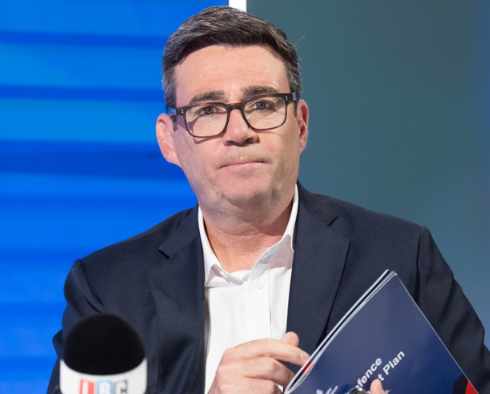
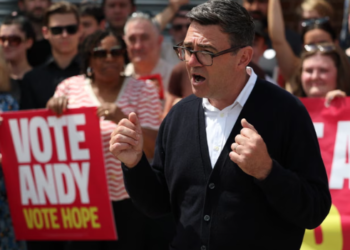
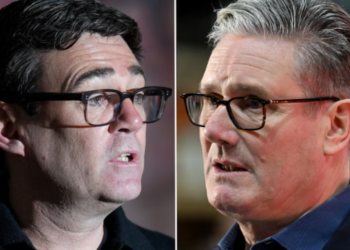
Andy Burnham has officially promised to ease persistent cost of living pressures if he becomes prime minister. The Makerfield MP made these significant pledges during his first major interview since returning to parliament. He spoke with broadcaster Andrew Marr on LBC regarding his vision for the nation’s immediate economic future. Burnham suggested that his administration would prioritize relief for struggling households and burdened high street businesses alike. Many observers expect him to secure the top leadership position later this month as political momentum builds. He clearly outlined a series of targeted interventions designed to provide much needed breathing space for the public. These proposed measures could feature prominently within an urgent package focused on tackling ongoing financial hardships nationwide. Allies indicate that his team is considering even more radical steps to support people across the country. One such bold proposal includes a potential freeze on private sector rents to stabilize the housing market.
Burnham emphasized that his primary goal is to lower the mounting expenses associated with essential daily services. He explicitly mentioned reducing business rates for local pubs to support the struggling high street economy. The funding for this would involve shifting tax burdens toward massive warehouses and major out-of-town developments. By rebalancing these rates, he hopes to foster a more vibrant and equitable commercial environment for local communities. He expressed strong concerns that Britain is currently paying far too much for basic essential services. Energy costs remain a significant pain point for both ordinary families and small business owners today. Consequently, he intends to introduce a plan for greater public control over vital water and energy providers. This strategic shift aims to bring down utility bills while simultaneously lowering fares for commuters and travelers. Providing direct financial relief is central to his wider political agenda for a potential future government.
The former Greater Manchester mayor remains convinced that the nation requires more room for economic maneuverability. He argued that current financial constraints are preventing families from managing their essential costs effectively each month. His proposed interventions align with recent public sentiment regarding the need for more direct political action today. Independent studies suggest that such populist economic policies would be extremely popular with the general voting public. Research from Persuasion UK indicates that adopting this platform could significantly increase the number of parliamentary seats. The data shows a sharp contrast compared to the party’s current trajectory under the existing leadership framework. Therefore, Burnham appears keen to lean into these demands for more robust state involvement in the economy. His allies have been particularly vocal about the need for immediate action on several key fronts.
One prominent suggestion involves taking green levies off energy bills to provide instant relief for domestic households. These costs would ideally be funded through general taxation rather than through individual consumer energy bills directly. Additionally, there are calls to reduce the national cap on bus fares to encourage wider public transport usage. Making bus travel entirely free for young people aged sixteen to eighteen remains a key policy goal. However, implementing these expansive promises naturally presents several complex challenges for any incoming administration to overcome carefully. The most pressing hurdle involves identifying sustainable funding sources for such wide-reaching and costly public commitments. Wes Streeting, a likely cabinet member, has proposed raising capital gains tax to support these important initiatives. Nevertheless, experienced Treasury officials have warned that this move might not actually generate the necessary extra revenue.
Economists and industry experts have also raised valid concerns regarding the complexities of bringing utilities under public control. They argue that this structural transition will not necessarily translate into lower bills for the average consumer. The water industry specifically requires massive levels of investment to address long-standing infrastructure failures and environmental quality standards. Redirecting these enormous financial burdens onto the public purse could create significant long-term fiscal strain for taxpayers. Despite these warnings, Burnham maintains a firm commitment to fiscal responsibility throughout his proposed political agenda. He has promised not to break the government’s existing borrowing rules while funding his ambitious policy goals. He highlighted his previous experience in the Treasury and the Department of Health as evidence of discipline. His background in senior government roles gives him confidence in managing the national finances with necessary prudence.
Beyond economic policy, Burnham also revealed a desire to shift the cultural focus away from central London. He intends to spend a considerable amount of his working time in Manchester during his premiership. This plan includes establishing a dedicated northern branch of the prime minister’s office, known as No 10 North. He confirmed that his preferred location for this operational hub is a digital campus near Manchester station. He believes it is crucial to demonstrate a new drive toward taking power out of the capital. This symbolic move represents his broader philosophy of decentralizing government authority to better serve the northern regions. Supporters believe this approach could foster greater regional growth and improve connectivity between different parts of the country. Critics, however, might question the practical logistics and additional costs involved in running such a split operation.
The political stakes are exceptionally high as the country awaits the final outcome of the leadership race. Burnham’s focus on the cost of living reflects the most urgent concerns facing voters across the United Kingdom. Whether he can successfully balance these ambitious promises with fiscal reality remains the defining question of his campaign. He is clearly aiming to capture the public imagination by directly addressing the financial anxieties of modern life. His vision for a more interventionist state marks a distinct departure from recent policies regarding public utilities. The debate over whether private ownership or public control better serves the consumer will likely intensify further. Voters will be watching closely to see how these proposals translate into tangible results for their own wallets. The coming weeks will undoubtedly provide further clarity on how his potential administration plans to handle these challenges. Burnham clearly believes that bold action is the only path toward restoring economic confidence for the British people. His focus on creating breathing space for families and businesses could be the cornerstone of his future legacy. As he prepares for the responsibilities of leadership, he remains focused on these core pillars of reform. He is betting that a more active and present government can genuinely improve the lives of citizens everywhere.
Related News:
 Tories Push to Dilute Labour’s Workers’ Rights Bill
 Trump’s UK Ambassador Urges North Sea Drilling to Strengthen US Ties
 Rachel Reeves Set to Break Labour Pledge and Raise Income Tax
 Thinktanks Urge Rachel Reeves to Reform UK Tax System
 Company linked to Michelle Mone owes £39m in tax
MPs Press Rachel Reeves to Hike Gambling Taxes
Company linked to Michelle Mone owes £39m in tax
MPs Press Rachel Reeves to Hike Gambling Taxes
 Cuts to home insulation funding threaten UK climate goals
 Millionaires group urge Reeves to introduce wealth tax to ‘lift kids out of poverty’
 PM Highlights UK Business at G20 in South Africa
 English Mayors Set to Introduce Tourist Taxes
 Starmer Says Labour’s Economic Plan Needs Years to Deliver
BBC bosses ‘right to stick by their guns’ against Trump, says minister
Starmer Says Labour’s Economic Plan Needs Years to Deliver
BBC bosses ‘right to stick by their guns’ against Trump, says minister
 China Dependence Threatens UK Energy Supply Chains and Jobs
 MPs warn AI financial risks threaten UK stability
 MPs warn AI financial risks threaten UK stability
 UK Government Borrowing Drops to £11.6bn in December
 Labour Must Revive High Streets to Avoid Election Collapse
 Barclays drops Global Counsel after Mandelson link scrutiny
 Unsustainable gaps in franchise policing, MPs warn
 UK shelves £110m border project amid trade strain
 UK Sees Record £30.4bn Budget Surplus, Boosting Reeves’ Position
 Ministers Urged to Ban Crypto Political Donations
 Reeves Must Back Defence Plan or Face Dismissal, Says Unite Chief
 OBR Reform Row Deepens Before Spring Forecast
 UK Doubles Steel Tariffs to 50% to Protect Domestic Plants
 Starmer Adviser Urges New Profit Cap on Energy Firms
 Fuel Duty Relief Plea Amid Middle East Oil Crisis
 OpenAI Halts Stargate UK Project Amid Energy Crisis
 Reform UK funding: mystery billionaire revealed
 BBC News Faces Deep Cuts in 2,000 Job Plan
 Silent Tracks: Rail Line Without Passengers
 Labour Faces Internal Pressure for Bold Economic Shift
 Labour Factions Propose Bold Tax Cuts Amid Leadership Storm
 Thames Water Rescue Package Hit by Downing Street Chaos
 UK Pushes for New EU Goods Trade Deal
 Reeves Fights to Keep Treasury Role Amid Labour Turmoil
 UK Urged to Build EU Rejoin Consensus, Says Miliband
 UK Supply Chains Face Major Risks From Global Instability
 Hospitality Traders to Exploit Summer VAT Cut Loophole
 Andy Burnham Enlists Economic Heavyweights for Leadership Bid
 Great Britain Faces £90bn Electricity Grid Rewire Bill
 Burnham unveils £65m drought aid for farmers
 Kemi Badenoch Unveils ‘Golden Rule’ to Halve Spending Cuts for Deficit Reduction at Tory Conference
 Reeves Faces Setback as Labour May Miss Homes Target
M&S Profits More Than Halve After Cyber-Attack
Reeves Faces Setback as Labour May Miss Homes Target
M&S Profits More Than Halve After Cyber-Attack
 Reeves rejects £1bn plea for NHS redundancy payouts
 PM Condemns Leaks, Vows Loyalty to Ministers and Stability
 Major Rent Reform Ends No-Fault Evictions in England
 Starmer Faces Parliamentary Battles Over UK-EU ‘Reset’ Plan
 ScottishPower Tops List of Worst UK Energy Suppliers
 Trump Fed bid heads to Supreme Court
 Artificial intelligence will cost jobs, admits Liz Kendall
 Mandelson Faces Police Inquiry Over Epstein Leak
 Morgan McSweeney downfall shocks Labour leadership
 UK Unemployment Rate Climbs to 5.2% Peak
 Farage Unveils Reform UK Frontbench Team
 Wales Approves Assisted Dying Bill Consent
 Corbyn Leads Your Party in Coordinated Left-Flank Strategy
 Asylum Seekers to Work After Year-Long Wait
 Starmer Row as Greens Demand Apology
 Gordon Brown urges court for crimes against children
 Inquiry into HMRC child benefit errors launched by NAO
 Farage Faces Backlash Over Crypto Cameo Endorsements
 Rising Costs Force Families to Rethink Days Out
 Relationship with Trump may be beyond repair, Starmer warned
 Unions Raise Concerns Over Doctors’ Pay Dispute
 UK Government Poised to Revive Stalled Hillsborough Law
 UK Staycations Rise as Travel Fears Grow
 Welsh Labour Faces Potential Historic Election Defeat
 Major test for Labour as polls open in Great Britain
 Keir Starmer Struggles to Secure His Grip on Downing Street
 Farage Faces Standards Probe Over Cash Property Purchase
 Tube Strike Brings Capital to a Standstill Over Shift Disputes
 Makerfield Voters Demand Real Change as Election Looms
 Labour MP Revives Blocked Assisted Dying Bill in Commons
 Starmer Set to Announce Exit Plan as Burnham Eyes No 10
 EU Slashes Steel Quotas But Grants UK Favourable Rates
 Trump Faces Backlash Over $2bn Earnings Since Return
 Farage Warns Sky News Following Financial Inquiry
 Ann Widdecombe, Formidable Political Figure, Dies at 78