Published: 04 July 2026. The English Chronicle Desk. The English Chronicle Online
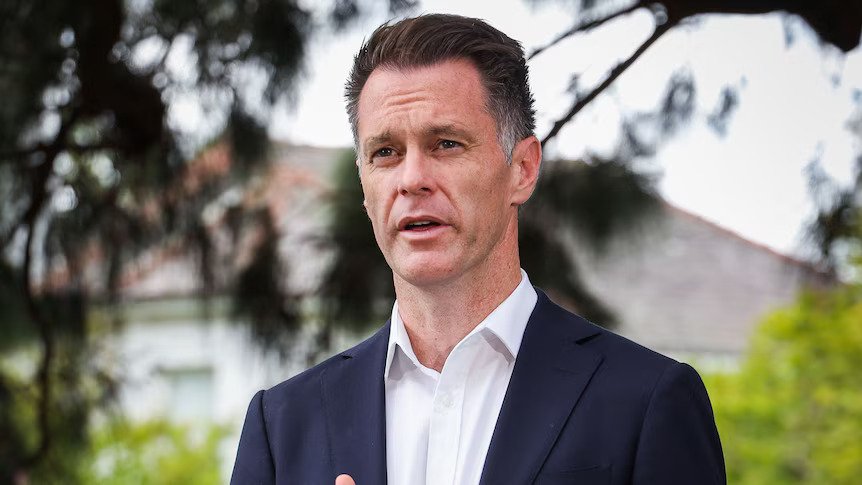
In a candid address to the New South Wales Labor Party conference on Saturday, Premier Chris Minns delivered a stark assessment of the political landscape, warning party faithful that Labor must “climb Everest” to maintain its grip on power ahead of next year’s state election. Speaking at Sydney’s Town Hall, Minns highlighted the growing electoral challenge posed by Pauline Hanson’s One Nation party, which has emerged as a significant disruptor in a volatile political climate. While the Premier was greeted with a standing ovation, his speech underscored a recognition that the upcoming campaign will be an unprecedented test of the government’s resilience against a crowded and aggressive opposition.

The Premier’s remarks followed a series of internal and external pressures facing the Labor government. While the conference saw celebratory moments—including a major $12 billion commitment to bring train manufacturing back to the Hunter region—the event was not without friction. Protesters, including members of Labor Friends of Palestine, staged demonstrations outside the conference, and the proceedings were briefly interrupted by activists unfurling a Palestinian flag from the balcony. Minns acknowledged these disruptions directly, emphasizing that his government remains focused on its primary objectives: growing the economy, supporting working families, and expanding the state’s industrial capacity through projects like the proposed Teralba and Broadmeadow manufacturing facilities.
Behind the scenes, the party has navigated significant internal tensions. Ahead of the conference, Labor leadership successfully brokered an 11th-hour resolution for the party’s upper house ticket, avoiding a potentially damaging floor vote. The ticket, led by Treasurer Daniel Mookhey and Deputy Premier Penny Sharpe, features a delicate balance of factional interests. However, the shadow of One Nation looms large. With recent polling indicating a tightening race and a primary vote that leaves little room for complacency, Minns urged delegates to reject the “darkness” offered by populist alternatives and to remain unified. The Premier’s rhetoric, which criticized “divisive” leaders pushing for a monocultural version of Australia, signaled a clear campaign strategy aimed at contrasting Labor’s inclusive approach with the policies of its right-wing rivals.

The conference also laid bare ongoing friction regarding civil liberties. Despite a coordinated push from the party’s left faction and over 56 branch motions calling for the repeal of controversial anti-protest laws, the government’s stance remains firm on maintaining public order. While these issues were sidelined in the official agenda, the depth of feeling among the rank-and-file suggests that debates over the right to protest, gambling reform, and the Aukus nuclear pact will continue to exert pressure on the Minns administration. As the party pivots toward the March election, the challenge for Minns will be to balance these internal ideological demands while steering a “climb” that he admits requires nothing short of Herculean effort.
Related News:
 British Woman in Iran ‘Losing Hope’ Amid Ongoing Detention
 BBC Journalist Held and Interrogated in Vietnam
 Zohran Mamdani becomes New York City’s first Muslim mayor
Zohran Mamdani names all-female transition team for NYC mayoralty
Zohran Mamdani becomes New York City’s first Muslim mayor
Zohran Mamdani names all-female transition team for NYC mayoralty
 Second world war veterans honoured as King leads Remembrance Sunday
 BBC director-general and news chief resign amid bias row
 Rama Rebukes Mahmood for Targeting Albanian Families
 Russian Vessel Used Lasers on RAF Pilots, UK Claims
 Ireland Boosts Ukraine Aid as Zelensky Visits Dublin
 US Africa aid remarks spark anger after leaked State email
 Starmer China visit raises human rights pressure on Beijing
 UK and EU Signal Fresh Push for Defence Cooperation Talks
 Cory Bernardi joins One Nation for SA election
 Starmer Condemns ‘Depraved’ Russian Strikes on Ukraine
 Trump Warns Over Chagos Islands Deal
 Trump and Chagos Deal Rift Over Iran Strikes
 Andrew Mountbatten-Windsor Arrest After FBI Radar
 Farage Chagos Islands Row Sparks Fury
 Trump Tariffs Threat Spark UK and EU Alarm
 UK Allows US Base Use Amid Iran Tensions
 Trump Rebukes Starmer Over Iran Strikes Row
 UK Prepares Aircraft Carrier for Middle East Crisis
 Gordon Brown urges court for crimes against children
 Yvette Cooper: UK Must Follow Principles, Not US Pressure
 UK Minister Denies Iran Missile Threat to Britain
 Army Probes Apache Flyover at Kid Rock’s Nashville Estate
 Relationship with Trump may be beyond repair, Starmer warned
 Charles Faces Trump Test in High-Stakes US Visit
 UK Stands Firm on Falklands Amid US Rift
 Ceasefire Standoff Deepens in Ukraine War
 Koh-i-noor Diamond Row Reignites Colonial Debate
 Starmer Faces Revolt After Crushing Election Losses
 UK Pushes for New EU Goods Trade Deal
 Reeves Fights to Keep Treasury Role Amid Labour Turmoil
 Farage and Reform UK Reshape British Politics
 Starmer Leadership Under Pressure After Setbacks
 Deadly Russian Air Raids Strike Across Ukraine
 UK Government Cancels Higher Education Programme for Women and Girls
 Labour MPs Urge Burnham to Revive UK Aid Target
 UK Must Act with Courage and Clarity on Israel-Palestine Conflict, Says Foreign Affairs Committee Report
 Radioactive Leak at UK’s Nuclear Warhead Base Sparks Outcry Over Safety and Secrecy
 Is the UK Ready to Put Boots on the Ground in Ukraine? Assessing Military Capacity and Challenges
 Trump’s UK Ambassador Urges North Sea Drilling to Strengthen US Ties
BBC to Apologise Over Edited Trump Speech Amid Backlash
Trump’s UK Ambassador Urges North Sea Drilling to Strengthen US Ties
BBC to Apologise Over Edited Trump Speech Amid Backlash
 Millionaires group urge Reeves to introduce wealth tax to ‘lift kids out of poverty’
 Reeves rejects £1bn plea for NHS redundancy payouts
 PM Condemns Leaks, Vows Loyalty to Ministers and Stability
 Greene Pushes Epstein Files Amid Trump Fallout
 Shadow Fleet at Sea: Europe’s Battle Against Illicit Oil Shipping
 Starmer Says Labour’s Economic Plan Needs Years to Deliver
 Pentagon Signals Reduced Role in Deterring North Korea
 Artificial intelligence will cost jobs, admits Liz Kendall
 Mandelson Faces Police Inquiry Over Epstein Leak
 Morgan McSweeney downfall shocks Labour leadership
 UK and US Drop in Global Corruption Index Rankings
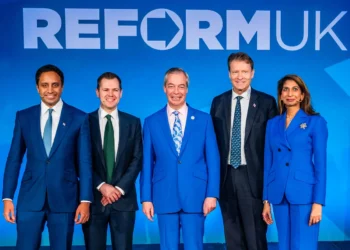 Farage Unveils Reform UK Frontbench Team
 Canberra Poster Seizure Sparks Free Speech Row
 Evo Morales Returns After Mysterious Absence
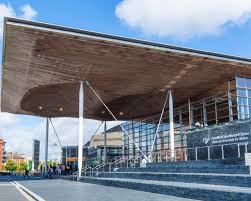 Wales Approves Assisted Dying Bill Consent
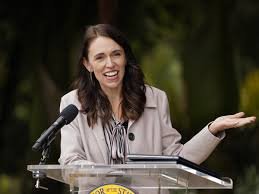 Jacinda Ardern Moves To Australia Following Her US Fellowships
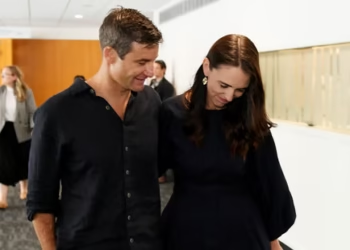 Jacinda Ardern Move Sparks Kiwi Reflection
 Corbyn Leads Your Party in Coordinated Left-Flank Strategy
 Nick Greiner Warns Over Election Review Fallout
 Asylum Seekers to Work After Year-Long Wait
 Injured Mojtaba Khamenei Elevated as Iran Leader
 Inquiry into HMRC child benefit errors launched by NAO
 Air Canada CEO Faces Outcry Over Recent Language Misstep
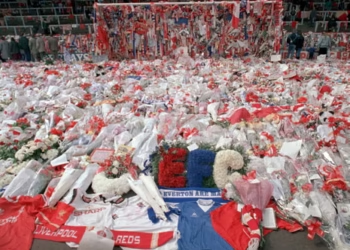 UK Government Poised to Revive Stalled Hillsborough Law
 Silent Tracks: Rail Line Without Passengers
 RFU Backs Borthwick Despite England’s Poor Six Nations
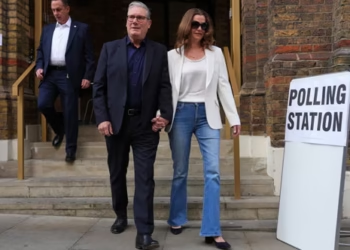 Major test for Labour as polls open in Great Britain
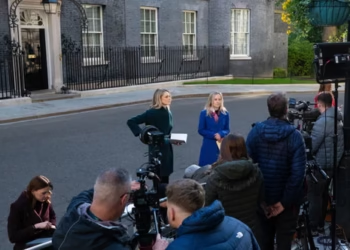 Keir Starmer Struggles to Secure His Grip on Downing Street
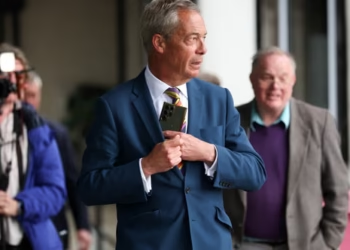 Farage Faces Standards Probe Over Cash Property Purchase
 Makerfield Voters Demand Real Change as Election Looms
 Britain’s Crowning Butterfly Takes the Nation by Storm
 Labour MP Revives Blocked Assisted Dying Bill in Commons
 Starmer Set to Announce Exit Plan as Burnham Eyes No 10
 Farage Warns Sky News Following Financial Inquiry
 Ann Widdecombe, Formidable Political Figure, Dies at 78
 Houthis Strike Saudi Arabia as Middle East Tensions Rise