Published: 15 August 2026.The English Chronicle Desk. The English Chronicle Online.
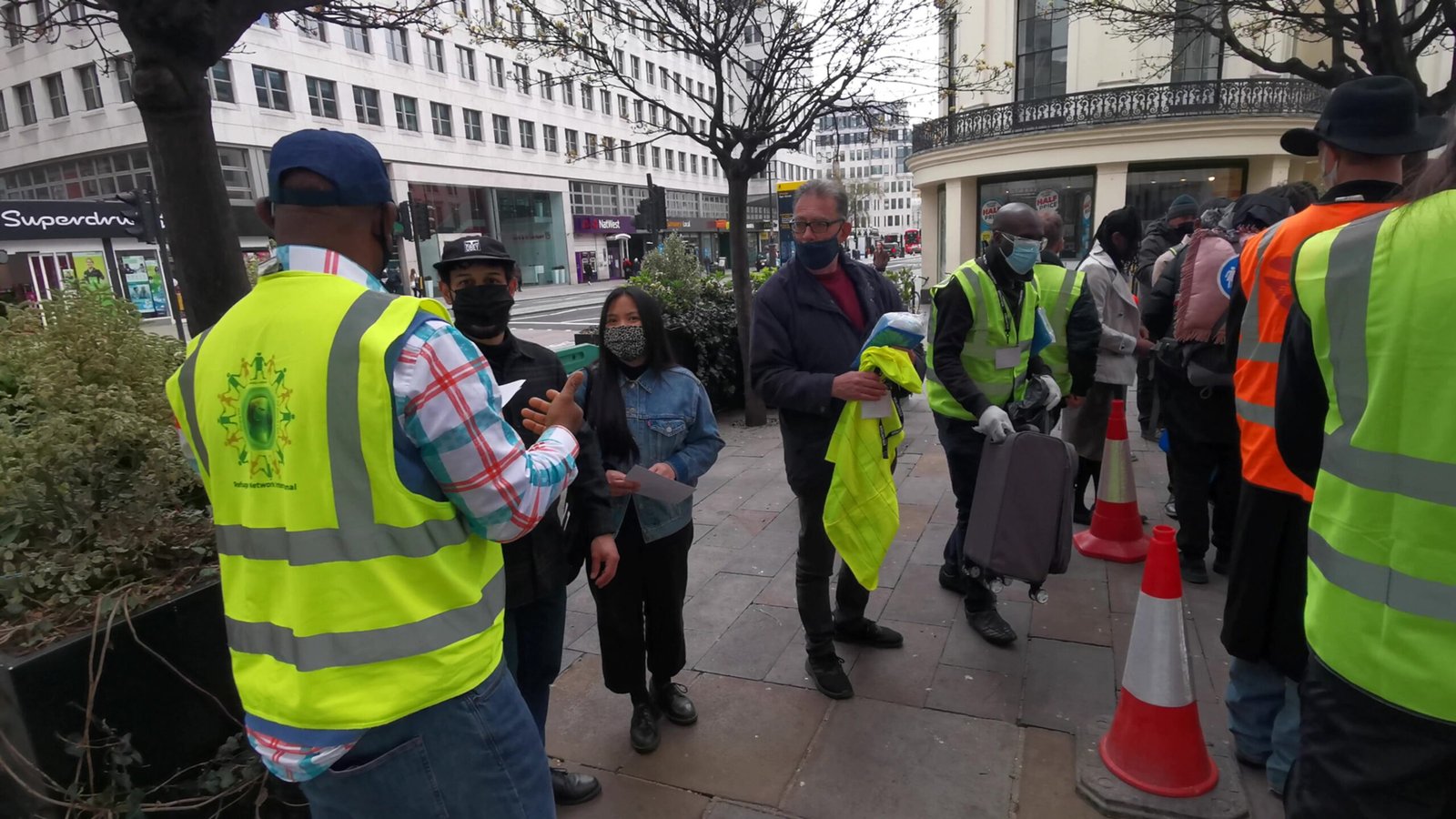
Westminster City Council has threatened to prevent a volunteer-run soup kitchen from operating in Charing Cross, saying the site is currently unsafe for vulnerable people using the service and for members of the general public. The dispute has placed renewed attention on how homeless people are supported in one of central London’s busiest areas, with the charity running the weekly outreach warning that repeated demands from the council could eventually force it to close.
Friends of Essex & London Homeless, known as FOELH, has operated its Charing Cross outreach for years, providing hot meals and practical assistance to people experiencing homelessness. Volunteers also distribute new clothing and sleeping bags to rough sleepers and operate a food bank as part of their wider support work.
Steven Stuart, who founded FOELH with his wife, Cheryl, about a decade ago, said the charity was facing increasingly difficult conditions because of complaints and enforcement action by Westminster City Council. He said the organisation was being placed under growing pressure despite being run entirely by volunteers and providing services to people who often have few other sources of immediate support.
The charity says council officials have raised concerns about litter, noise, crowds and the way the weekly operation is organised. FOELH volunteers, however, argue that they clean the area after distributing food and leave the location in good condition.

Phil Jones, a volunteer with the organisation, said the charity had received notice indicating that the council intended to stop the weekly soup kitchen from operating in Charing Cross. He rejected the council’s concerns about litter, saying volunteers clear away waste and leave the surrounding area clean.
For FOELH, the dispute is not simply about where food can be distributed. The charity says the weekly gathering has become an important point of contact for people living on the streets, allowing volunteers to offer food alongside clothing, sleeping equipment and other forms of practical assistance.
Stuart said the organisation had encountered a growing number of requirements and obstacles surrounding its weekly outreach. According to him, these measures were making it increasingly difficult to provide the consistent support that vulnerable people had come to depend on.
Among the concerns raised by the charity was a potential £500 parking charge involving the vehicle used to transport and distribute food. The council also required the charity to obtain a waste disposal licence, which Stuart described as a costly requirement for a small volunteer organisation.
Although the charity questioned whether the requirement was proportionate, Stuart said FOELH had obtained the necessary certificate in order to remain compliant with the council’s expectations.
The charity also claims that council officials have attended the site on several occasions accompanied by police and security personnel. Stuart said the size and manner of some of these visits had felt intimidating and disproportionate considering that volunteers were providing food and basic assistance to homeless people.
FOELH has proposed a system under which charities could receive permits for specific days and locations. Stuart believes such an arrangement would give organisations clearer guidance about what they are permitted to do and prevent them from being unexpectedly confronted with new requirements.
The council, however, maintains that its concerns are primarily about safety and the management of the area rather than opposition to charitable assistance itself.
A Westminster City Council spokesperson said soup kitchens could provide an important service but argued that they needed to be carefully managed. The council said operators had a responsibility to treat vulnerable people with dignity while also ensuring that surrounding public spaces were properly managed.
According to the council, several soup kitchens are currently operating in the same area at the same time. Officials say this results in large numbers of vulnerable people gathering within a confined space, creating conditions that they believe can increase risks for those using the services.
The council also claimed that the concentration of people could attract drug dealers seeking to exploit vulnerable individuals. It said residents had complained about antisocial behaviour, littering and crime in Charing Cross during periods when soup kitchens were operating.
The authority therefore maintains that the current arrangement is not safe for either people receiving assistance or members of the wider public.
The disagreement comes as Westminster City Council faces wider political and social debates about the management of central London, homelessness and public spaces. The Conservative-controlled authority has been involved in a broader crackdown on homelessness sites, drawing criticism from charities and campaigners who argue that enforcement measures can make life more difficult for people already living in highly precarious conditions.
Caroline Sargent, the council’s deputy leader, has previously expressed frustration about rough sleeping sites appearing in Westminster. She said local residents and businesses were tired of seeing rough sleeping sites develop in the area and described the situation as unacceptable in the centre of the capital.
The comments reflect the council’s position that Westminster’s public spaces need to be managed in a way that considers residents, businesses, visitors and vulnerable people simultaneously. However, charities working directly with homeless people argue that restrictions on outreach services can leave some of the capital’s most vulnerable residents without reliable access to food and essential supplies.
Charing Cross is one of London’s busiest central areas, attracting commuters, tourists, residents and businesses throughout the day. Its location also means that homelessness and rough sleeping are highly visible, making the management of public spaces a politically sensitive issue.
For organisations such as FOELH, the weekly soup kitchen represents more than a place where meals are handed out. Volunteers often develop relationships with people who regularly attend, allowing them to provide practical assistance and direct people towards additional support when possible.
The charity’s concerns about the council’s approach therefore centre on whether strict regulation of food distribution can unintentionally reduce access to basic assistance. Stuart has argued that charities need clear and predictable rules so that volunteers can continue their work without repeatedly facing unexpected enforcement action.

The council, meanwhile, insists that charitable work must take place within a properly managed environment. Officials say the presence of large crowds, reports of antisocial behaviour and concerns about criminal activity mean that the existing arrangement needs to change.
The dispute highlights a difficult balance facing local authorities across London. Councils have responsibilities for public spaces, environmental standards and community safety, while charities often provide essential services to people who are unable to access conventional support systems.
The immediate future of the Charing Cross soup kitchen remains uncertain. FOELH wants clearer arrangements that would allow its volunteers to continue their weekly outreach, while Westminster City Council says the current setup cannot continue because of safety and public-order concerns.
For the people who rely on the service, the outcome could have a direct impact on access to hot food, clothing and other basic necessities. For the council, the challenge is to demonstrate that its concerns about safety and public space can be addressed without unnecessarily removing support for people experiencing homelessness.
As negotiations and enforcement measures continue, the dispute is likely to remain part of the wider debate over homelessness in central London and the role of charities in supporting people sleeping rough. At its heart is a question that extends beyond one soup kitchen: how a major city should balance the needs of vulnerable people with demands for safe, orderly and accessible public spaces.
Related News:
 Undercover officer deceived women with ‘grotesque and cruel’ lies, spycops inquiry told
 Barrister Criticises Trial After Suicide Case Verdict
 BBC Warned About Missing Clothes of Murder Victim
 Cambridge Professor Jason Arday Found Dead at Home
 Prevent Failings Exposed After Southport Attack
 Walsall Rapist Jailed After Hate-Filled Online Trail
 Two Children Die in Wolverhampton House Fire Tragedy
 Police Suspect Help in Missing Alice Springs Girl Case
 Victim says non-custodial rape sentence ‘rock in my face’
 Murder Probe Continues After Arrest Release
 It’s time to come clean on the China spy case
 Five More Prisoners Freed by Mistake in Essex Week
 Nearly 48,000 Zombie Knives Removed from UK Streets in a Year
 Afghan man charged with murder after west London knife attack
 Man Charged Over Cambridgeshire Train Stabbing
 Pregnant UK Teen to Be Freed from Georgian Jail
 French Taxi Driver Cleared in David Lammy Theft Case After Fare Dispute
 Just Stop Oil Protesters Convicted Amid Climate Defence Row
 Lammy ‘misinformed’ over Wandsworth prisoner releases
 Met Police Culture Makes Racial Harm ‘Inevitable’
 British Grandmother to Return Home After Death Sentence in Bali
 Remaining rebel Labour MPs have whip restored
 Bar Council urges legal aid for all domestic abuse family cases
 Judges to Decide Fate of Chief Constable Guilty of Contempt
 ‘Fake Admiral’ Sparks Outrage at Remembrance Event
 Paralegal Fired After Exposé on Illegal Worker Scam
 Dan Wootton Rejects Catfishing Allegation in Court
 Serial Rapist and Former Cop Found Guilty Again
 Gardener Guilty of Brutal Attack on Teacher Partner
 Man Arrested Over Manchester Synagogue Terror Attack
 Twelve Prisoners Released in Error, Two Still Missing
 Woman Jailed for Life After Killing E-Bike Rider in Tragic Mistaken Identity Case
 Mass Arrests at London Palestine Protest Spark Debate
 Ben Roberts-Smith Denies War Crime Allegations in First Statement
 Iran Threats Target Journalists in UK
 Synagogue Arson Attempt Sparks Security Fears
 City & Guilds Sale Sparks Fees and Pay Uproar
 NHS Safety Fears as Nurses Cover Doctor Gaps
 FBI Links Brown University Shooting to Long-Term Grievances
 Cartel crackdown raises fears of fresh violence
 UK may ban protests amid rising antisemitism fears
 Greens Face Internal Row Over Antisemitism Claims
 Florida Surgeon ‘Devastated’ Over Fatal Surgery Error
 City & Guilds Faces Governance Crisis Over Sale
 Immigration Judges Fear Pressure in Trump Era
 Ex-Soldier Jailed in £2m Glasgow Drugs Bust
 Cornwall Van Dwellers Face Eviction in Housing Crisis
 New Footage Revives Peter Falconio Mystery
 Teen Charged After Layla Jeffery Found Dead
 Targeted Attack in Bury Sparks Murder Investigation as Community Awaits Justice
 Man Remanded After Children Fall Ill at Leicestershire Summer Camp in Shocking Child Cruelty Case
 Merseyside Police Helicopter Crew Cleared After Low-Altitude Pursuit of Suspect
 UK Launches Major Crackdown on Networks Profiting from Online Child Sexual Abuse
 No Evidence Found to Substantiate Alleged Rape in Oxfordshire Churchyard, Police Confirm
 Peterborough Mosques Tighten Security After Attack
 UK Bans Fake Numbers: Scammers Lose Their Trick
 King Charles to Lead Nation in Remembrance Sunday Service
 Major Rent Reform Ends No-Fault Evictions in England
 Criminal Gangs Pose as Truckers to Hijack UK Supply Chains
 Mother Watches in Horror as Teen Daughter Dies on Tracks
 Man Denies Stealing Bronze Age Gold from Museum
 Inside the Helpline Protecting Missing Children in the UK
 Most Tories Expect to Support a Farage-Led Government
 Runaway Driver Caught by DNA Evidence
 Virgin Media Fined £23.8m Over Telecare Safety Failures
 Met Police Vetting Failures Let Serial Rapists Remain
 Google Employee Claims Redundancy After Harassment Report
 School vetting failure exposed by London abuse case
 Proposed Law Leaves Gap for Children of Convicted Paedophiles
 Rising Costs Force Families to Rethink Days Out
 Men Bailed After Arson Attack on Jewish Ambulance Service
 Fugitive Dezi Freeman Killed in Rural Victoria Shootout
 Police Chiefs Under Fire for Failing to Address Racism
 M&S Demands Urgent Action on Rising Violent Retail Crime
 Met Officers Probed Over Al Fayed Abuse Allegations
 Farage and Reform UK Reshape British Politics
 Shocking Zoo Incident Sparks Attempted Murder Probe
 Guarding Justice: The Henry Nowak Case and Police Accountability
 British Teens in EU Face Soaring UK University Fees
 UK Schools Struggle as Classrooms Top 40C