Published: 15 August 2026.The English Chronicle Desk. The English Chronicle Online.
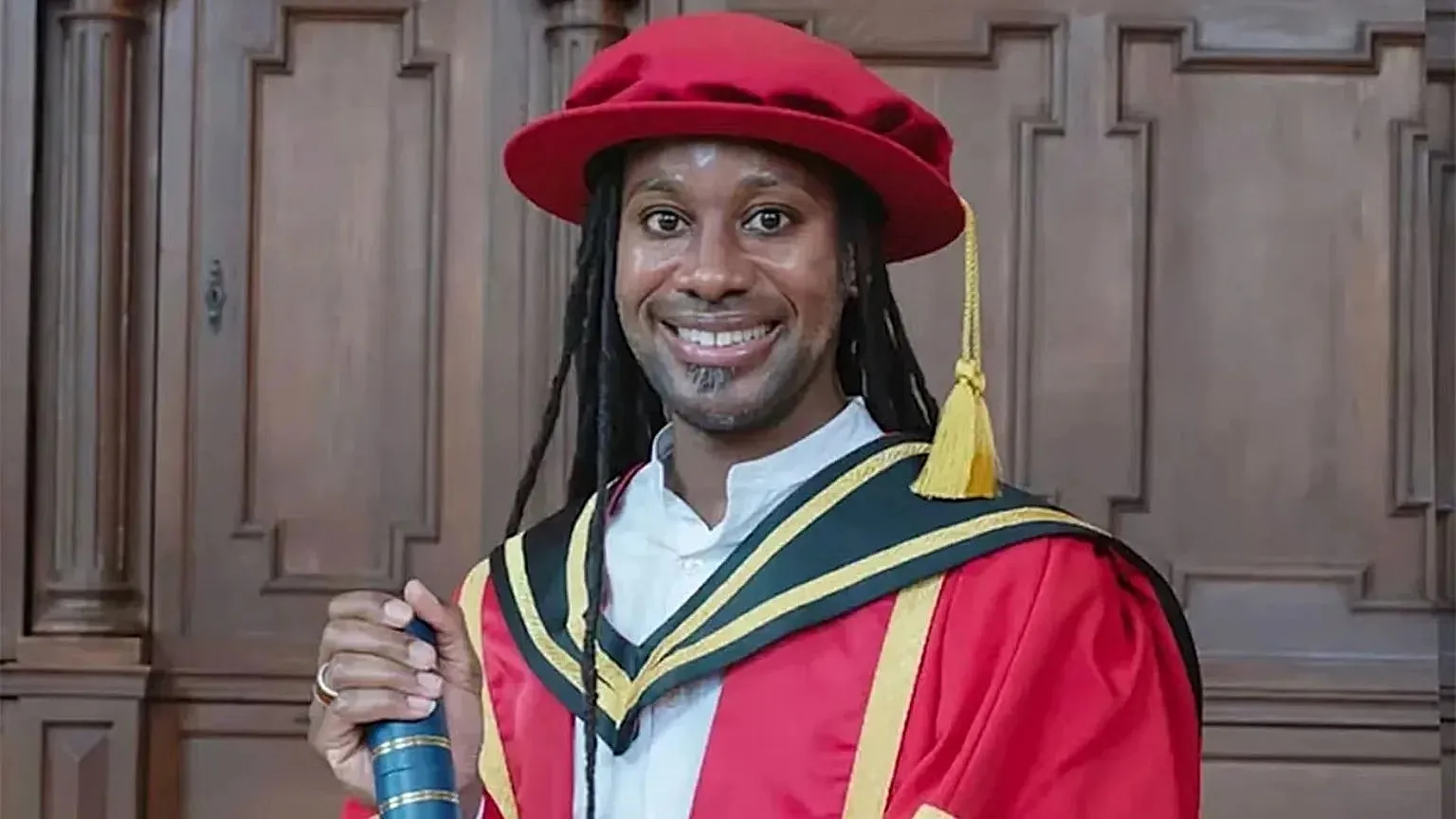
Jason Arday, the academic who resigned from the University of Cambridge last week amid allegations of plagiarism and questions about aspects of his professional history, has been found dead at his home in south London. He was 41.
The Metropolitan police said officers were called to the address by the London Ambulance Service shortly after 3pm on Friday. A 41-year-old man was pronounced dead at the scene after being found unresponsive.
Police said Arday’s death was being treated as unexpected but was not believed to be suspicious. His next of kin have been informed and are being supported by officers. The case is being investigated by the Met’s central south command unit, which will prepare a file for the coroner.
The circumstances surrounding Arday’s death have not been disclosed. Police have indicated that they do not currently believe anyone else was involved.
Arday’s family expressed profound shock and said he had endured what they described as a sustained campaign of abuse and harassment for more than three years following his appointment at Cambridge.
In a statement, his family said Arday had been subjected to a campaign of misinformation intended to undermine him. They described him as a gentle man who always tried to see the best in other people and said they had lost an “amazing father, partner, brother, uncle and son”.

The family asked the media to respect their privacy and said they would not comment further at this stage. They also appealed for an end to what they described as a prolonged campaign of harassment directed at Arday and his family.
The news prompted expressions of grief from across Britain’s academic and political communities. London mayor Sadiq Khan said he was devastated for Arday’s family and friends and described the public scrutiny directed at him as an unacceptable campaign of abuse.
Khan said Arday had been subjected to what he called a damaging public shaming and argued that his death should prompt wider reflection about the way public figures and academics can be treated when allegations and controversies become the focus of intense public attention.
Arday became professor of sociology of education at Cambridge in 2023, becoming the university’s youngest-ever Black professor. His appointment represented a remarkable rise through British academia and attracted significant attention because of the extraordinary personal story he had previously shared about his childhood and education.
He had said that he remained non-verbal until the age of 11 and required extensive speech and language therapy. He also said that he was unable to read and write until he was 18.
That account became an important part of his public profile and contributed to his selection as one of the torchbearers for the Olympic flame during the 2012 London Games.
After leaving school, Arday continued his education and eventually completed a doctorate in education at Liverpool John Moores University in 2015. His academic career subsequently included positions at several British universities, including Durham University and the University of Glasgow, before he reached a professorial position at Cambridge.
The controversy surrounding Arday intensified this year after allegations emerged that he had plagiarised another academic’s work in his doctoral thesis. Arday denied the accusations.
Liverpool John Moores University investigated the allegations earlier this year and upheld its decision to award him the PhD, meaning the institution did not find sufficient grounds to overturn the qualification.
However, scrutiny subsequently expanded beyond the doctoral thesis. Questions were raised about aspects of Arday’s professional achievements and biographical claims, including accounts concerning fundraising for charities, long-distance running and his childhood development.
Some of those claims were challenged publicly, including questions about whether he had been non-verbal as a child. The growing controversy placed increasing pressure on Cambridge and other institutions with which he had been associated.
Cambridge initially defended Arday, with supporters arguing that he was the target of an unfair campaign. As additional questions emerged, however, the university began reviewing the situation more closely.
On 5 August, Cambridge announced that it would conduct an internal inquiry after receiving what it described as new information about Arday’s academic qualifications and honorary appointments. The university also referred to several ongoing complaints concerning alleged academic misconduct.
Jesus College, where Arday was a member, said it would conduct its own inquiry.
Cambridge initially said Arday would remain in his position while the issues were examined and that he would continue to receive support. Arday nevertheless announced his resignation with immediate effect.
In his resignation statement, he said accepting the professorship at Cambridge had been the greatest professional privilege of his life. He said he had been forced to step down because relentless accusations, speculation and public commentary had taken a profound toll on him and on people close to him.
His resignation came only days before his death.
Cambridge vice-chancellor Professor Deborah Prentice said the university was desperately saddened by the news and extended heartfelt sympathy to Arday’s family and friends.
Durham University, where Arday worked from 2019 to 2021, also expressed shock and sadness. The university remembered him as a kind and warm colleague who actively sought to create opportunities for doctoral students.
The controversy surrounding Arday had become a deeply divisive issue within Cambridge. Some academics supported him and criticised what they regarded as an excessive public campaign against him, while others argued that the university had made serious mistakes in appointing him to such a prestigious position without sufficient scrutiny.
Senior academics had called for an independent investigation into the matter. Cambridge initially resisted those demands, but Prentice later changed position amid growing concern within the university.
Earlier this week, she acknowledged the anger and anxiety surrounding the case and agreed that an investigation was necessary.
Prentice also warned against allowing the controversy to damage perceptions of other academics from minority backgrounds. She described the case as an aberration and argued that it should not be used to cast doubt on the abilities or achievements of Cambridge’s staff of colour.
Arday’s death comes at a particularly sensitive moment for Cambridge, which had been preparing to investigate his academic credentials and allegations of misconduct. The University of Glasgow had also announced that it would examine aspects of his academic record.
The investigations now face the additional complexity created by his death. Any future findings would need to take account of the circumstances surrounding the allegations, the previous inquiries and the fact that Arday will no longer be able to respond personally to claims against him.
His memoir, Great and Unfortunate Things, was published in the United States this week by an imprint of Simon & Schuster. The book was scheduled for publication in Britain later this month.
The timing of the memoir’s release has added another dimension to the news of his death, as the book was expected to provide a personal account of Arday’s life and extraordinary journey through education and academia.
For colleagues and supporters, Arday’s career represented a story of remarkable social and educational mobility. His rise from a childhood marked by significant communication and literacy difficulties to a senior professorship at one of the world’s most prestigious universities had made him a prominent figure in discussions about diversity and access to higher education.
For his critics, the allegations surrounding his academic work and professional history raised serious questions about institutional oversight and the standards expected of senior academics.
The competing narratives had created a highly charged atmosphere around Arday during the final weeks of his life. His family has now asked that the public focus on the human loss rather than continue the campaign of scrutiny they believe contributed to his suffering.

The Metropolitan police have stressed that Arday’s death is not currently considered suspicious. A coroner will ultimately examine the circumstances surrounding his death and determine the formal cause.
The academic community now faces the difficult task of grieving while questions about his professional record remain unresolved. Universities involved in the controversy must determine how to handle ongoing investigations, while colleagues and friends are left to remember a scholar whose career had been both extraordinary and intensely contested.
Arday’s death has also reignited broader discussion about the pressures faced by public figures and academics in an age of instant online scrutiny. Allegations can spread rapidly across social media and public debate long before formal investigations have reached conclusions, creating consequences that can be difficult to reverse.
Whatever the eventual findings of the institutional inquiries, the loss of a 41-year-old academic has left his family, friends and former colleagues facing a profound tragedy. His family’s plea for privacy now stands alongside calls for careful and responsible consideration of the allegations that surrounded the final period of his career.
As the coroner’s investigation proceeds, the circumstances of Arday’s death remain a matter for the relevant authorities. Cambridge, Durham and Glasgow have all expressed condolences, while the wider academic community continues to reflect on the life and career of a professor whose rise to one of Britain’s most prestigious universities had once been celebrated as an extraordinary achievement.
Related News:
 Undercover officer deceived women with ‘grotesque and cruel’ lies, spycops inquiry told
 Barrister Criticises Trial After Suicide Case Verdict
 Westminster Council Threatens Charing Cross Soup Kitchen
 BBC Warned About Missing Clothes of Murder Victim
 Prevent Failings Exposed After Southport Attack
 City & Guilds Sale Sparks Fees and Pay Uproar
 NHS Safety Fears as Nurses Cover Doctor Gaps
 Walsall Rapist Jailed After Hate-Filled Online Trail
 Two Children Die in Wolverhampton House Fire Tragedy
 Police Suspect Help in Missing Alice Springs Girl Case
 FBI Links Brown University Shooting to Long-Term Grievances
 City & Guilds Faces Governance Crisis Over Sale
 Victim says non-custodial rape sentence ‘rock in my face’
 Murder Probe Continues After Arrest Release
 It’s time to come clean on the China spy case
 Five More Prisoners Freed by Mistake in Essex Week
 Nearly 48,000 Zombie Knives Removed from UK Streets in a Year
 Afghan man charged with murder after west London knife attack
 Man Charged Over Cambridgeshire Train Stabbing
 Pregnant UK Teen to Be Freed from Georgian Jail
 French Taxi Driver Cleared in David Lammy Theft Case After Fare Dispute
 Just Stop Oil Protesters Convicted Amid Climate Defence Row
 Lammy ‘misinformed’ over Wandsworth prisoner releases
 Met Police Culture Makes Racial Harm ‘Inevitable’
 British Grandmother to Return Home After Death Sentence in Bali
 Remaining rebel Labour MPs have whip restored
 Bar Council urges legal aid for all domestic abuse family cases
 Government urges schools to ban phones to curb classroom disruption
 Judges to Decide Fate of Chief Constable Guilty of Contempt
 ‘Fake Admiral’ Sparks Outrage at Remembrance Event
 Paralegal Fired After Exposé on Illegal Worker Scam
 Dan Wootton Rejects Catfishing Allegation in Court
 Serial Rapist and Former Cop Found Guilty Again
 Gardener Guilty of Brutal Attack on Teacher Partner
 Man Arrested Over Manchester Synagogue Terror Attack
 Twelve Prisoners Released in Error, Two Still Missing
 Woman Jailed for Life After Killing E-Bike Rider in Tragic Mistaken Identity Case
 Kingsbury stabbing probe led by counter-terror police
 Mass Arrests at London Palestine Protest Spark Debate
 Ben Roberts-Smith Denies War Crime Allegations in First Statement
 Iran Threats Target Journalists in UK
 Synagogue Arson Attempt Sparks Security Fears
 Teacher Alleges Misogyny at Elite School
 Cartel crackdown raises fears of fresh violence
 UK may ban protests amid rising antisemitism fears
 Greens Face Internal Row Over Antisemitism Claims
 Florida Surgeon ‘Devastated’ Over Fatal Surgery Error
 Immigration Judges Fear Pressure in Trump Era
 Tractor Breakdown Tests Lincolnshire Farmers
 Ex-Soldier Jailed in £2m Glasgow Drugs Bust
 Father’s diaries reveal doubts over Hawking
 Public Confidence in University Degrees Plummets in the UK
 Cornwall Van Dwellers Face Eviction in Housing Crisis
 British Teens in EU Face Soaring UK University Fees
 New Footage Revives Peter Falconio Mystery
 Teen Charged After Layla Jeffery Found Dead
 UK Schools Struggle as Classrooms Top 40C
 Pradhan Resigns Amid Protests
 Targeted Attack in Bury Sparks Murder Investigation as Community Awaits Justice
 Merseyside Police Helicopter Crew Cleared After Low-Altitude Pursuit of Suspect
 No Evidence Found to Substantiate Alleged Rape in Oxfordshire Churchyard, Police Confirm
 UK Bans Fake Numbers: Scammers Lose Their Trick
 Major Rent Reform Ends No-Fault Evictions in England
 Criminal Gangs Pose as Truckers to Hijack UK Supply Chains
 Man Denies Stealing Bronze Age Gold from Museum
 Inside the Helpline Protecting Missing Children in the UK
 Runaway Driver Caught by DNA Evidence
 Met Police Vetting Failures Let Serial Rapists Remain
 Google Employee Claims Redundancy After Harassment Report
 City & Guilds pay surge sparks backlash amid £22m cuts
 School vetting failure exposed by London abuse case
 Send spending gap leaves deprived areas behind
 New Era for UK Special Needs Support
 Proposed Law Leaves Gap for Children of Convicted Paedophiles
 Rising Costs Force Families to Rethink Days Out
 Fugitive Dezi Freeman Killed in Rural Victoria Shootout
 Police Chiefs Under Fire for Failing to Address Racism
 Farage and Reform UK Reshape British Politics
 Tech Trends and the Battle Against Exam Hall Cheating
 Guarding Justice: The Henry Nowak Case and Police Accountability