Published: 24 October 2025. The English Chronicle Desk. The English Chronicle Online.
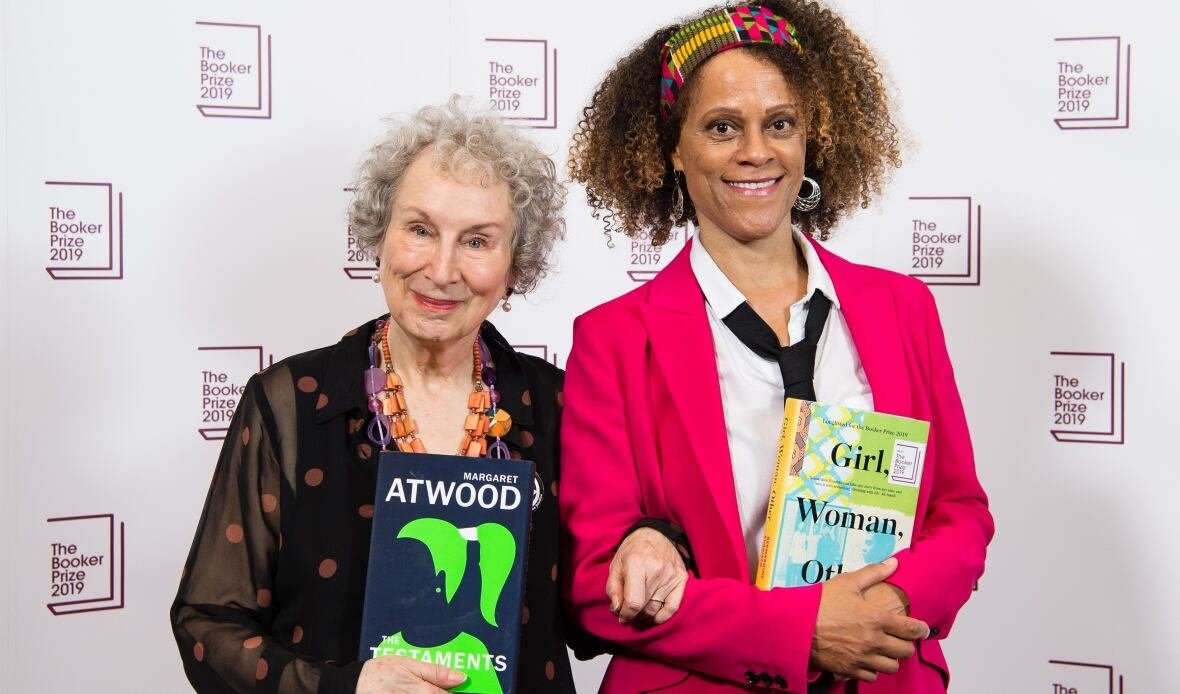
The Booker Prize Foundation has announced an ambitious new initiative: the launch of its first-ever prize for children’s fiction. Set to debut in 2026, the award will mark a significant expansion of the foundation’s mission to promote literary excellence, targeting young readers between the ages of eight and twelve. In what organizers have described as their “most ambitious endeavour” in two decades, the new prize will see the winning author receive £50,000, with the winner selected by a unique panel of both child and adult judges.
The Children’s Booker Prize aims to celebrate the best contemporary fiction written specifically for children and will be awarded annually from 2027 onward. The foundation has also pledged to distribute 30,000 copies of the shortlisted and winning books, aiming to nurture a new generation of readers by exposing them to high-quality literature from authors around the world. This initiative reflects a growing concern about reading habits among children, as current surveys indicate that only about 30 percent of children read for pleasure.

Dame Jacqueline Wilson, the celebrated author of The Story of Tracy Beaker, lauded the announcement as a “marvellous idea” and a timely boost for children’s literature. Wilson noted that, despite the wealth of engaging and innovative books available, many fail to reach young audiences. “A Children’s Booker Prize, like the adult Booker Prizes, will become a talking point, directing children, parents, carers, and teachers to the best contemporary children’s fiction,” she explained.
The award will be open to authors worldwide, including those whose works are originally written in English and those translated into English, provided the books are published in the UK or Ireland within the specified eligibility period. This international scope ensures that the prize will not only spotlight emerging voices but also celebrate diverse stories from across the globe.
Gaby Wood, chief executive of the Booker Prize Foundation, emphasized the transformative potential of the initiative. “The Children’s Booker Prize is the most ambitious endeavour we’ve embarked on in 20 years, and we hope its impact will resonate for decades,” she said. “It is designed to champion future classics for children, inspire more young people to read, and cultivate lifelong readers. The prize is not merely an award; it is a movement, a cause that children, parents, carers, teachers, and everyone involved in storytelling can rally behind.”
Wood highlighted the broader mission of the foundation, which is dedicated to inspiring readers through exposure to the world’s finest fiction. She stressed that nurturing children’s engagement with literature can help them imagine new worlds and, by extension, contribute to building a better future. “Welcoming young readers into our global community is tremendously exciting. We hope they encounter stories and characters that will accompany them throughout their lives,” she added.
The foundation has confirmed that Frank Cottrell-Boyce, the UK’s current Children’s Laureate, will serve as the inaugural chair of judges for the 2027 award. Cottrell-Boyce expressed his excitement at the prospect of involving children directly in the judging process. “Stories belong to everyone, and every child deserves the joy of diving into a great book. The Children’s Booker Prize will make it easier for children to discover the books that speak to them. By inviting them to the judging table and gifting copies of the nominated books, the prize will bring thousands more children into the wonderful world of reading,” he said. His enthusiasm for the role was palpable: “I am absolutely buzzing to chair the judging panel. It’s going to be – as they say – absolute scenes in there. Let the yelling commence.”
Submissions for the inaugural prize will open in spring 2026, covering books published between 1 November 2025 and 31 October 2026. The foundation will announce eight shortlisted titles in late November 2026, with the winner revealed at a high-profile event in February 2027. Shortlisted authors will each receive £2,500, while the winner will be awarded £50,000. In cases where a winning book has been translated into English, the author and translator will share the prize equally, following the precedent set by the International Booker Prize. A similar rule will apply to graphic novels, with the prize shared between author and illustrator. For highly illustrated works, the prize money will be split between author and illustrator according to an arrangement agreed upon with the publisher.
The Children’s Booker Prize represents not only an expansion of the Booker Foundation’s awards portfolio but also a strategic effort to invigorate the landscape of children’s literature. By empowering young readers to participate in the judging process, the prize emphasizes the value of children’s perspectives and the importance of fostering early engagement with literature. Experts suggest that involving children in such a prominent literary award could inspire a new wave of young literary enthusiasts and encourage more children to read for enjoyment rather than obligation.

The award has already garnered widespread support among authors and educators alike, who view it as a vital step toward bridging the gap between children and high-quality literature. Wilson and Cottrell-Boyce both highlighted the social dimension of the initiative, noting that increasing access to engaging books and highlighting exemplary contemporary fiction could have lasting cultural and educational impacts. In doing so, the Children’s Booker Prize seeks to create a sustainable pipeline for young readers who may one day become lifelong advocates of literature and storytelling.
As anticipation builds for the first round of submissions in 2026, the literary world is poised to witness the emergence of a prize that blends tradition with innovation. By combining the prestige of the Booker name with the fresh perspectives of child judges, the initiative promises to spotlight works that are both artistically excellent and deeply resonant with young audiences. This dual focus on literary quality and reader engagement sets the Children’s Booker Prize apart as a forward-thinking approach to celebrating literature, nurturing talent, and inspiring a love of reading for generations to come.
Related News:
 Top Christmas Books Reads: Classics to Cozy Romcoms
 Audio Books deals and promo codes to explore in November 2025
 Stephen Fry backs SafeCall to protect missing children
 Top Diaries and Planners to Upgrade Your Organisation in 2026
 Michele Dougherty Makes History as the UK’s First Female Astronomer Royal
 Princess of Wales Launches Animated Video Series to Support Early Childhood Development
 University Education Faces New Challenges as Students Question Its Value
 More than a Quarter of A-Level Students Poised to Achieve Top Grades Across UK
 Mystery Wallaby Spotted on Norfolk-Suffolk Border Sparks Police Appeal
 Manchester Airport Faces Delays After EasyJet Planes’ Wings ‘Clip’ on Runway
 UK Weather: Heat Alerts Extended as Temperatures Set to Reach 30°C This Weekend
 Access to Iconic Cornish Beach Cut Off by National Trust Amid Safety Concerns
 Aston Villa Under Pressure as Newcastle Take on Hosts in Premier League Opener
 Where Is Prince William and Kate Middleton’s New House? Inside the Historic Lodge Set to Become Their ‘Forever Home’
 From ‘Skibidi’ to ‘Mouse Jiggler’: Cambridge Dictionary Expands with Modern Slang and Social Terms
 Tragic Loss: 11-Year-Old Girl Dies in Water Accident at Cornwall Beauty Spot
 Why Where You Live Can Affect Your School Grades – And the Gap Between Areas Is Only Widening
 Education Leaders Call for End to Compulsory GCSE Resits in English and Maths
 Thousands of New School Nursery Places to Be Rolled Out Across England
 University of Edinburgh Lecturers Launch Five-Day Strike Amid £140m Budget Cuts
 UK Graduates in Healthcare Report Highest Satisfaction with Degree Choices
 Growing Crisis in UK Schools: One in Three Parents Seek Special Needs Assessments
 UK Launches Initiative to Teach Democracy to Toddlers in Memory of Sir David Amess
 UK Confronts Rising Crisis of Child-on-Child Sexual Abuse as Patterns Shift
 Historic Letters Unearthed on eBay Reveal UK Families’ Profits from Slavery
 Dawson’s Creek” Cast Reunites for Special Broadway Benefit to Support James Van Der Beek
 It Changed My View’: Campaign Encourages Pupils in Deprived Areas to Consider University
 White Low-Income Pupils in England Show Lowest Levels of School Engagement, Study Finds
 Aston Villa Fight Back to End Winless Run with Convincing Victory over Fulham
 Storm Amy Ravages UK: Fatalities, Widespread Travel Chaos, and Power Outages
 Arsenal Edge Past West Ham Amid Injury Concerns
 UK Home Office approves extra visas for UCL international students amid deferred admission concerns
 Teacher Permanently Banned After Slapping Pupil Over Classroom Incident
 Women Challenge Meta Over Targeted Ads After Miscarriage
 Former Premier League Referee David Coote Pleads Guilty to Child Image Offence
 Parents spending £5,000 on special school assessments in England
 New V-Level qualification to transform post-16 education
 Giuffre’s bombshell memoir names Prince Andrew 88 times in shocking revelations
 The debate over England’s compulsory reading test for 13-year-olds
 One in 12 Secondary Pupils Sent to Isolation Weekly
 Gibbs-White Inspires Forest to Thrilling Win Over Porto
 Manchester United triumph as Mbeumo brace seals thrilling win
 Fabio Wardley stuns Joseph Parker to earn Usyk title shot
 Lotto result jackpot draw halted due to technical glitch
 Prince Andrew May Leave Royal Lodge for Frogmore Cottage
 Man Trapped in Quicksand Rescued in Dramatic Coastal Rescue
 Hospice Cuts Raise Alarm Across England Amid Funding Crisis
 Is a two-week half-term a good deal? Some parents in England aren’t so sure
 Zarah Sultana Launches Party to Change Politics
 Ex-Army Sergeant Jailed for Assault on Soldier Who Later Died
 Dyche Criticises Corner Decision as Forest Draw with United
 Children to Learn Local History in Major Curriculum Overhaul
 Greta Thunberg Backs Student Facing UK Visa Revocation
 London’s Childlessness Crisis: Schools Closing as Families Shrink
 Government urges schools to ban phones to curb classroom disruption
 Mary Earps’s Manchester United Return Faces Mixed Reception
 Sam Kerr Stars in Chelsea Return with Champions League Double
 This kid is something else: Alex Scott’s rise to England call-up
 Son Reveals UK Couple in Iran Resort to Hunger Strike for Help
 Nigeria’s $25m Museum Faces Political Storm Amid Benin Bronzes Debate
 Algeria Pardons French-Algerian Novelist Sansal After Year in Jail
 Pressure Mounts on Starmer to Sack Chief of Staff Over Briefing Row
 England’s Special Needs Support Faces Breaking Point
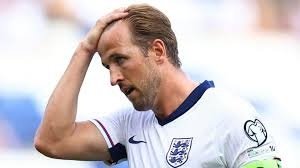 Former Lion Heskey Warns of Shortage of England Strikers
 UK Asylum Reforms: Temporary Refugee Status and Faster Deportations
 Mother Watches in Horror as Teen Daughter Dies on Tracks
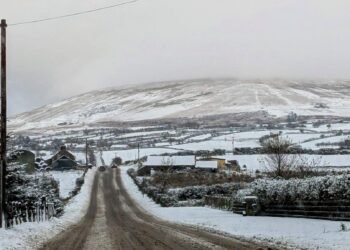 Commuters warned as yellow snow and ice alert hits Northern Ireland
 UK Vulnerable to Attack, Defence Committee Finds
 Rama Rebukes Mahmood for Targeting Albanian Families
 Serial Rapist and Former Cop Found Guilty Again
 Ex-Harvard President Pauses Teaching Over Epstein Emails
 Scottish Families Take Legal Action Over School CO Leak
 Men Aren’t Vanishing From Fiction, But Misconceptions Persist
 Millions Face Higher Taxes Under Reeves New Budget
 Peers Get Extra Time to Debate Assisted Dying Bill
 Planned Palestinian Flag Raising at Belfast City Hall Faces Delay Amid Legal Concerns
 Machynlleth High Street Left Without Christmas Lights
 Government righting decades-old injustice for miners
 Search underway for British man overboard off Tenerife
 Oxford Names ‘Rage Bait’ Word of the Year