Published: 28 October 2025. The English Chronicle Desk. The English Chronicle Online.
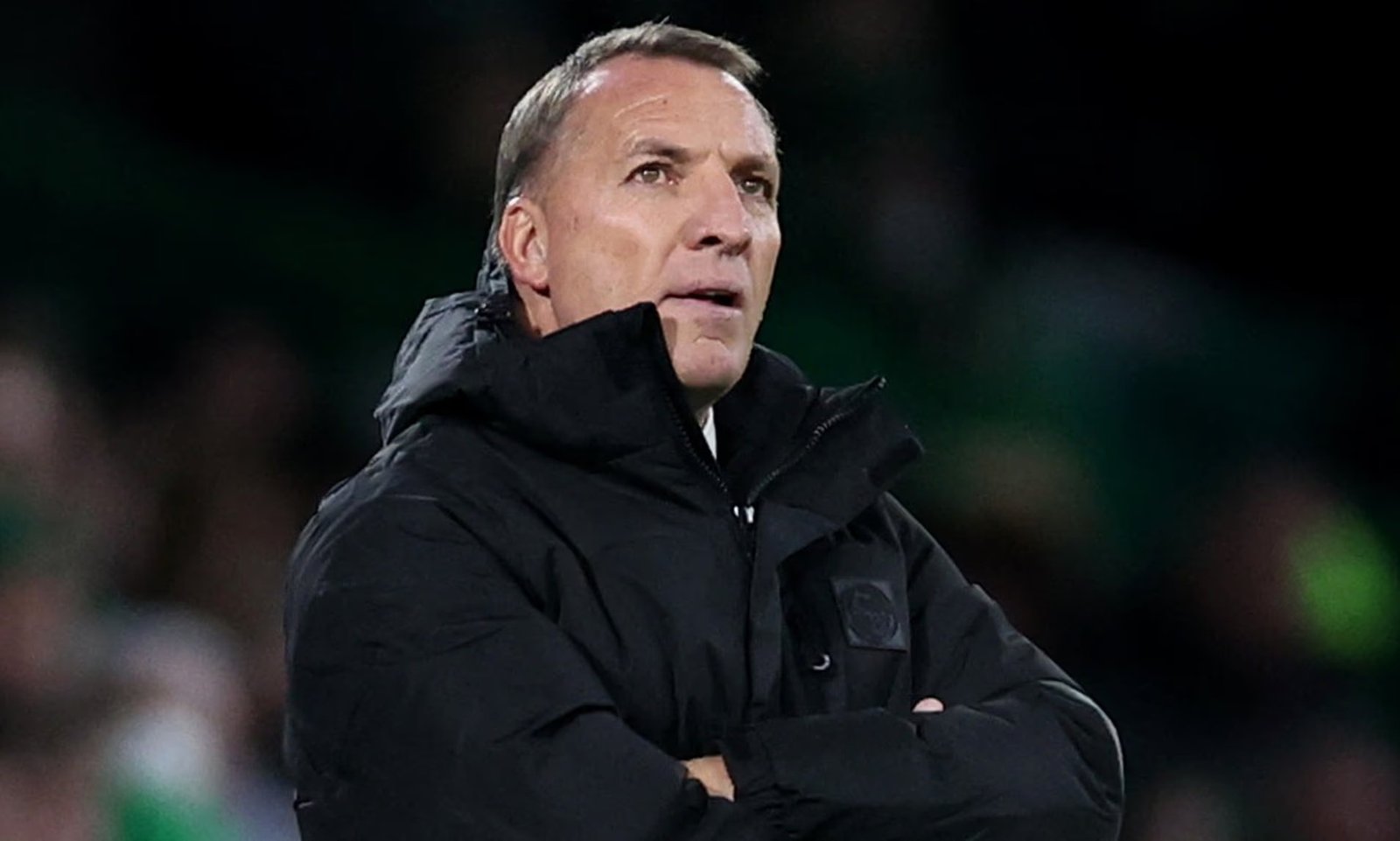
Celtic Football Club has entered a period of profound upheaval after announcing that Brendan Rodgers has stepped down as manager, with former boss Martin O’Neill returning as interim manager. The news, which was revealed in a late-evening club statement, comes amid growing dissatisfaction with Celtic’s performance this season, leaving the reigning Scottish Premiership champions trailing early leaders Hearts by eight points. The announcement has sent shockwaves through the Scottish football community and left supporters stunned.
The initial statement, released at 21:44 GMT, thanked Rodgers for his contributions during his two separate tenures and confirmed that the process to appoint a replacement was already underway. In an unexpected twist, the statement revealed that O’Neill, 73, would return to Celtic Park as interim manager. He will be assisted by Shaun Maloney, a former Celtic player and ex-Wigan Athletic manager, who brings both managerial and playing experience to the coaching team.

The drama did not end there. Only fifteen minutes later, the club published a second statement signed by owner Dermot Desmond, challenging Rodgers’ claims regarding contract extensions and transfer dealings. Desmond strongly refuted Rodgers’ suggestion that he was not formally offered a contract extension and emphasised that all player signings and sales had occurred with Rodgers’ full knowledge and approval. In his letter, Desmond criticised Rodgers for creating a “toxic atmosphere” around the club, describing his recent words and actions as “divisive, misleading, and self-serving.”
Rodgers, 52, returned to Celtic in 2023, following a previous spell from 2016 to 2019 during which he secured two league titles. His second tenure began with optimism, as he aimed to build on his past successes. However, the current season has seen Celtic struggle both domestically and in Europe, leaving fans frustrated and prompting vocal protests against the club’s board. In addition to disappointing results on the pitch, Rodgers’ public comments about transfer activity — including references to inadequate recruitment — had caused further tension.
Desmond addressed these claims directly in his letter, asserting that Rodgers had been fully involved in all footballing decisions. “Every player signed and every player sold during his tenure was done so with Brendan’s full knowledge, approval, and endorsement. Any insinuation otherwise is absolutely false,” the statement read. Desmond further criticised Rodgers’ actions as prioritising personal interest over the club’s welfare, creating internal divisions and contributing to an increasingly hostile environment for the board and executive team.
O’Neill’s return to Celtic marks a significant moment in the club’s history. He previously managed the club from 2000 to 2005, a period in which he won three Scottish Premier League titles, three Scottish Cups, and a League Cup. Perhaps most memorably, he guided the club to the UEFA Cup final, cementing his status as one of Celtic’s most successful managers in modern times. Since leaving management in 2019 after his dismissal from Nottingham Forest, O’Neill has not taken on a permanent managerial role, though he remained active as a pundit and commentator, most recently analysing the Scottish Premiership title race.
In a pre-announcement interview with TalkSport, O’Neill highlighted Hearts’ impressive form and suggested that Celtic’s squad lacked the physical strength and cohesion seen in previous years. “Celtic can actually lose games now, whereas before, they looked invincible in matches,” he noted. He praised Hearts for their determination and consistency, emphasising that the club’s early-season dominance has made them serious title contenders. This candid assessment, made just hours before the managerial change was confirmed, added an unexpected layer of intrigue to the unfolding situation at Celtic Park.
Shaun Maloney’s appointment as assistant manager adds further experience and knowledge to the coaching setup. Maloney enjoyed a distinguished playing career at Celtic and also served on Belgium’s national coaching staff after retiring. His previous managerial roles, including brief spells with Hibernian and Wigan Athletic, provide him with insight into both player development and match-day management. Together, O’Neill and Maloney are expected to stabilise Celtic’s season and attempt to close the gap on Hearts in the Scottish Premiership.
The timing of Rodgers’ departure has intensified scrutiny on both the club and its board. Celtic began the season with high expectations, aiming to defend their title and mount a credible European campaign. However, inconsistent performances, combined with mounting off-field tensions, have made the first months of the season particularly challenging. Supporters will be looking to O’Neill to restore morale, guide the squad back to winning ways, and repair the fractured relationship between fans and management.
Celtic’s European campaign, which fell short of expectations, further compounded frustrations around the club. Rodgers’ management style and public criticisms of player recruitment drew sharp reactions from both fans and Desmond himself. In his letter, the owner explicitly stated that Rodgers had repeatedly misrepresented the club’s position, undermining both the team and the executive structure. Desmond’s comments underscore the growing divide between the club’s leadership and its former manager, highlighting the complexities of football management at the highest level.

As O’Neill and Maloney assume control, they face a dual challenge: improving Celtic’s league form while navigating the psychological and emotional impact of a managerial transition. With Hearts holding an eight-point lead and Rangers far behind, the path to the title is fraught with obstacles. Nonetheless, the return of a proven and respected figure like O’Neill offers a renewed sense of hope for players, supporters, and stakeholders alike.
In the broader context of Scottish football, this managerial change is one of the most dramatic in recent years. It illustrates the intense pressures that top-flight managers face, particularly at clubs with passionate fan bases and high expectations. Celtic’s response — combining experience, familiarity, and strategic appointments — reflects a deliberate attempt to stabilise the club while maintaining competitiveness at the top of the table.
Supporters will be keenly observing O’Neill’s methods and decision-making in the coming weeks, as well as Maloney’s contributions behind the scenes. The club’s ability to navigate this period effectively will likely determine the trajectory of its season and shape perceptions of the board’s leadership. The coming months promise to be a defining chapter in Celtic’s long and storied history, with every decision under intense scrutiny from fans, media, and rivals alike.
Related News:
 Predicted Leicester Line-ups Reflect Cifuentes’ Tactical Plans Ahead of New Season
 Lionesses Return in Glory with an Open-Top Parade, Spark National Pride and Rewrite the Future of Women’s Football
 Central London Gears Up for Lionesses’ Victory Parade as Thousands Prepare to Celebrate Historic Women’s Euros Win
 London Set to Honour Euro 2025 Champions as Lionesses Take Victory Parade Through the Capital
 Rangers Boss Russell Martin Launches Blistering Critique After Disappointing Draw with Motherwell
 Ngumoha Shines Bright as Liverpool’s Future Looks Fiercely Promising
 Minute’s Silence for Diogo Jota Abruptly Ended After Wembley Tribute Disrupted
 Premier League Supercomputer Predicts Tough Season for Man Utd Amid Three-Team Title Battle
 Diogo Jota’s Empty Seat at Liverpool: A Symbol of Grief, Inspiration, and Duty
 Aston Villa Under Pressure as Newcastle Take on Hosts in Premier League Opener
 Isaac Price Shines as West Brom Clinch 3-2 Victory at Wrexham’s Championship Return
 Tottenham Make Three Changes as Spurs Prepare to Host Burnley in Premier League Opener
 FIFA Eyes Biennial Club World Cup from 2029, Plans Possible Expansion
 European Football: Atlético Madrid Stumble at Espanyol as Vitinha Secures PSG Win
 Leeds Mark Premier League Return with Gritty Win Over Everton
 Arsenal Move to Secure Eberechi Eze, Outpacing Tottenham
 Mateta’s Strike Gives Crystal Palace First-Leg Edge in Conference Playoff
 British Paralympians Accused of Disrespect After Turning Backs During Israeli Anthem
 Ruby Tui Emerges as the BBC Rugby Pundit Fans Never Knew They Needed
 Grimsby Stun Manchester United in Dramatic Penalty Shootout
 Club Brugge Crush Ten-Man Rangers to Deepen Russell Martin’s Crisis
 Guardiola Admits City ‘Forgot to Play’ After Shock Defeat to Brighton
 Morgan MacRae: From 17 Minutes Dead to Returning to Rugby in Six Weeks
 Serbia Humiliated 0-5 by England in World Cup Qualifier
 Fábio Carvalho’s Last-Minute Heroics Deny Chelsea Victory at Brentford
 Tottenham Cruise to 3-0 Victory Over 10-Man West Ham in London Derby
 Terence Crawford Shocks Canelo Álvarez to Claim Undisputed Super-Middleweight Crown
 Guardiola Faces Criticism for Defensive Approach in Manchester City’s Clash with Arsenal
 England Must Stay True to Their Style Ahead of Women’s Rugby World Cup Final: Lessons from 1991
Liverpool Vs outhampton Set for Carabao Cup Clash at Anfield
England Must Stay True to Their Style Ahead of Women’s Rugby World Cup Final: Lessons from 1991
Liverpool Vs outhampton Set for Carabao Cup Clash at Anfield
 Chelsea Survive Lincoln City Scare to Advance in Carabao Cup
 Aston Villa Edge Bologna as Europa League Campaign Kicks Off
 Arsenal VS Newcastle Hearts with Dramatic Late Turnaround at St James’ Park
 Aston Villa Fight Back to End Winless Run with Convincing Victory over Fulham
 Everton Held by West Ham as Bowen Cancels Out Keane’s Header in Nuno’s First Game
 Tragic Death Strikes Half-Marathon in Stoke-on-Trent: Runner Dies Shortly After Crossing Finish Line
 Monaco Hold Man City to Dramatic 2-2 Draw as Eric Dier Converts Late Penalty
 Postecoglou Stands Firm Amid Mounting Forest Fan Frustration
 Arsenal Edge Past West Ham Amid Injury Concerns
 Questions Remain as Rugby Legend Lewis Moody Faces Motor Neurone Disease Diagnosis
 Kane’s Double Seals England’s World Cup Qualification
 Ronaldo’s Record Not Enough as Hungary Hold Portugal
 Fulham vs Arsenal Trossard Strike Sends Gunners Three Points Clear
 Ange Postecoglou’s Naivety Premier League Misadventure Ends
 Son of ex-England footballer dies in tractor crash
Arsenal vs Atlético Madrid,Gyökeres Double Secures 4-0 Champions League Victory
Son of ex-England footballer dies in tractor crash
Arsenal vs Atlético Madrid,Gyökeres Double Secures 4-0 Champions League Victory
 Gibbs-White Inspires Forest to Thrilling Win Over Porto
 Go Ahead Eagles Shock Aston Villa as Buendía Misses Late Penalty
 Brentford 3-2 Liverpool: Reds suffer fourth straight PL defeat
 Manchester United triumph as Mbeumo brace seals thrilling win
 Fabio Wardley stuns Joseph Parker to earn Usyk title shot
 Brentford Dominate Grimsby in Carabao Cup, Collins Seals 5-0 Triumph
 Lecomte Shines as Fulham Edge Wycombe in Nervy Carabao Cup Win
 Sarr Double Sinks Young Liverpool in Carabao Cup
 Nwaneri and Saka Secure Arsenal Win Over Brighton
 Woltemade Hot Streak Fires Newcastle Past Spurs
 Salah & Gravenberch Lead Liverpool to Win Against Villa
 Dyche Criticises Corner Decision as Forest Draw with United
Caicedo Shines as Chelsea Edge Spurs in Chaotic Derby
Dyche Criticises Corner Decision as Forest Draw with United
Caicedo Shines as Chelsea Edge Spurs in Chaotic Derby
 Granit Xhaka Rescue Earns Everton Draw at Sunderland
 Liverpool Edge Real Madrid 1-0 in Champions League Thriller
 Burn and Joelinton Head Newcastle to Victory Over Bilbao
 Foden shines as Man City dismantle Dortmund in dominant display
 Garnacho Spares Chelsea From Shock Champions League Loss in Baku
 Tension and Turmoil at Aston Villa v Maccabi Match
 Bellingham has ‘the edge’ among England No 10s
Man City Masterclass on Guardiola’s Milestone Day Exposes Liverpool Woes
Bellingham has ‘the edge’ among England No 10s
Man City Masterclass on Guardiola’s Milestone Day Exposes Liverpool Woes
 Lando Norris Dominates Brazil GP to Strengthen F1 Title Bid
 England cannot afford to be in awe of the All Blacks, warns Jamie George
 VAR Must Rein Its Neck In to Save Football’s Spirit
 Trescothick Hints Pope Will Keep Number Three Spot
 Ronaldo Confirms Final World Cup and Plans Retirement
 Mary Earps’s Manchester United Return Faces Mixed Reception
 Sam Kerr Stars in Chelsea Return with Champions League Double
 This kid is something else: Alex Scott’s rise to England call-up
 Former Lion Heskey Warns of Shortage of England Strikers
 Moyes Defends Gueye After Dramatic Everton Bust-Up
 Jac Morgan to Miss Six Nations Start After Surgery
 Alexander Isak ends drought as Liverpool stop rot with win at West Ham
 Mbappe rescues Real Madrid with a penalty at Girona