Published: 14 November 2025. The English Chronicle Desk. The English Chronicle Online
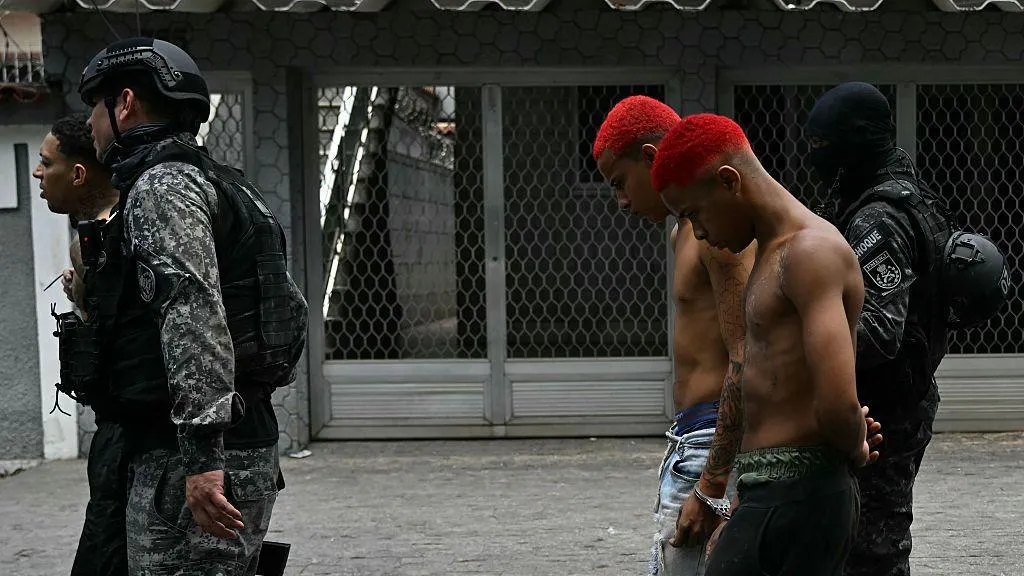
In the wake of Brazil’s deadliest police operation, questions are emerging over whether the raid in Rio de Janeiro on 28 October truly achieved its stated objective of striking at the leadership of one of the country’s most notorious criminal gangs. The operation, which claimed 121 lives—including four police officers—was hailed by state authorities as a decisive blow against the Comando Vermelho (Red Command) gang. Yet residents, analysts, and human rights groups are increasingly sceptical about the long-term effectiveness of the police action, suggesting it may have caused more harm than progress.
The raid, involving a record deployment of 2,500 security personnel across the densely populated Alemão and Penha neighbourhoods, represented the largest operation in Rio’s history. Governor Claudio Castro celebrated the seizure of more than 100 firearms, portraying the intervention as a “success” in a social media post. The authorities framed the mission as part of a broader effort to restore public security and dismantle the criminal organisation that has long controlled vast swathes of the city.
Yet the human toll of the operation has drawn sharp criticism from civil society. Rights groups have denounced the police tactics as excessively violent, highlighting the unusually high death count and pointing to evidence of indiscriminate use of force. Residents of the affected areas have reported chaos during the raid, with families fleeing their homes and local infrastructure severely disrupted. Many fear that the show of force did little to challenge the gang’s real power structures, instead inflicting trauma on communities already living under duress.
Victor dos Santos, Rio’s public safety secretary, defended the operation by stating that its purpose was to enforce a series of arrest warrants issued by prosecutors. Yet investigative reporting by BBC Brasil raises serious doubts about this claim. Cross-referencing the names of those killed with the 68 individuals listed on the prosecutors’ wanted list, reporters found no direct matches, suggesting that the raid largely failed to capture the targeted leaders of Comando Vermelho.

Local media reports have further highlighted that while multiple suspects were detained during the operation, Edgar Alves de Andrade, better known as Doca, the gang’s alleged top figure, was not among those apprehended. Carlos Schmidt-Padilla, a professor of public policy at the University of California, Berkeley, observed, “Early reports stated that the goal of the operation was to capture high-ranking leaders of the Comando Vermelho (CV). By that metric, it is fair to say the operation failed.”
Community leaders have echoed this assessment. Residents of Alemão, a favela that has long been under CV control, described the operation as terrifying but ultimately futile. Many noted that while street-level gang members were arrested or killed, the organisation’s central command structure remained largely intact, continuing to orchestrate criminal activity from safe locations outside the immediate reach of police.
“There was a lot of smoke, a lot of shooting, but the main bosses are still here,” said a local community organiser, speaking on condition of anonymity. “The operation scared people, but it didn’t change who controls the streets. The people who live here still pay, still obey, still fear the gang.”
Experts have warned that such operations risk perpetuating cycles of violence. Heavy-handed police raids can alienate communities, undermining trust in law enforcement and inadvertently strengthening gang influence. Residents forced to flee or witness the killings often develop resentment toward the state, which gangs can exploit to reinforce their grip. “When state interventions cause widespread fear without dismantling the gang hierarchy, the power dynamics in the favelas remain unchanged,” Schmidt-Padilla explained.
The government’s framing of the operation as a “success” has also drawn scrutiny internationally. The high death toll, particularly the deaths of civilians in addition to police and suspected criminals, raises questions about proportionality and adherence to human rights standards. Human rights organisations argue that the raid illustrates a broader pattern in Rio, where lethal policing methods are deployed with insufficient regard for legal safeguards or the safety of non-combatants.
The aftermath of the operation has revealed broader structural weaknesses in Rio’s security apparatus. Analysts note that the city’s police forces, though heavily armed and well-equipped, face significant limitations in intelligence gathering, urban warfare tactics, and community engagement. Without reliable intelligence on gang hierarchies and the locations of leadership figures, even large-scale deployments risk producing limited strategic impact.
Moreover, the raid has highlighted the challenge of confronting criminal organisations embedded in densely populated urban environments. The Comando Vermelho, which has historically maintained both violent and social influence in favelas, operates through a decentralized network of local leaders and street-level operatives. Neutralising its command structure requires precise intelligence, community cooperation, and sustained enforcement efforts—none of which can be fully achieved through a single, massive operation.
Adding to the complexity, experts note that the criminal landscape in Rio is dynamic. Rival gangs, drug trafficking networks, and informal alliances constantly shift, meaning that even a successful strike against one faction can quickly be compensated for by others. The continued freedom of key figures such as Doca suggests that the Comando Vermelho retains its strategic flexibility and can continue to operate effectively despite the dramatic show of force.

Residents’ testimonies indicate that life in the favelas remains tense but unchanged at its core. While the streets were briefly empty during the operation, gangs quickly reasserted control in the days following the raid. Local shopkeepers, youth workers, and residents report that daily routines—curfews, extortion payments, and enforcement of gang rules—persist largely unaltered.
Some community leaders argue that the operation may have even had unintended consequences, including the consolidation of power among certain sub-factions within the gang. “When the police remove street-level rivals or intimidate minor players, it can inadvertently strengthen the influence of the gang’s inner circle,” said a security analyst familiar with Rio’s criminal dynamics.
Political ramifications are also emerging. Governor Claudio Castro has faced criticism not only for the scale of violence but for the apparent lack of measurable outcomes in terms of dismantling gang leadership. Opposition politicians have called for parliamentary inquiries and independent investigations into both the planning and execution of the raid, questioning whether the state’s approach prioritises optics over efficacy.
International human rights observers have urged Brazil to adopt more community-oriented and intelligence-driven policing strategies. They advocate for interventions that combine legal enforcement with social support, including education, employment programs, and youth engagement initiatives. Such approaches, they argue, are more likely to undermine gang influence sustainably, rather than relying solely on lethal force.
In response to criticism, state officials have insisted that the raid was a necessary response to the threat posed by armed criminal organisations and that law enforcement agencies are committed to protecting citizens. Yet for residents and analysts alike, the key question remains: how can authorities effectively challenge entrenched gangs without repeating the mistakes of the past?
“The lesson is clear,” Schmidt-Padilla said. “Large-scale raids that focus on numbers rather than intelligence, and that fail to target the real leadership, are unlikely to produce meaningful change. You need sustained engagement, precise targeting, and, crucially, community support.”
As Brazil contends with the aftermath of its deadliest police operation, the human cost—both immediate and long-term—is starkly visible. Families mourning the loss of loved ones, communities traumatized by violence, and a police force grappling with criticism face the difficult reality that a single raid cannot solve a deeply embedded problem. For the Comando Vermelho, the ability to endure such operations without losing its core leadership underscores its resilience and the formidable challenge facing authorities.
The episode has sparked a renewed debate over policing strategies in Rio, balancing the need for law enforcement against concerns over human rights and the effectiveness of traditional raid tactics. It highlights the complex interplay between state power, criminal networks, and community resilience, and serves as a sobering reminder that achieving lasting security in Rio requires more than a show of force—it demands strategic, sustained, and nuanced engagement at all levels of society.
Related News:
 Badenoch Warns Farage’s Grooming Gangs Plan Could Backfire
 Five More Prisoners Freed by Mistake in Essex Week
 Nearly 48,000 Zombie Knives Removed from UK Streets in a Year
 Afghan man charged with murder after west London knife attack
 Man Charged Over Cambridgeshire Train Stabbing
 Pregnant UK Teen to Be Freed from Georgian Jail
 Police Probe Four Knife Incidents Linked to Cambridgeshire Train Attack
 French Taxi Driver Cleared in David Lammy Theft Case After Fare Dispute
 Just Stop Oil Protesters Convicted Amid Climate Defence Row
 Lammy ‘misinformed’ over Wandsworth prisoner releases
 Prison sentencing reforms expected to raise crime by up to 6%, police warn
 Met Police Culture Makes Racial Harm ‘Inevitable’
 British Grandmother to Return Home After Death Sentence in Bali
 Bar Council urges legal aid for all domestic abuse family cases
 Judges to Decide Fate of Chief Constable Guilty of Contempt
 South Korea’s Jeju Island Faces Rising Tide of Illicit Drugs
 Oklahoma Governor Grants Last-Minute Clemency to Death Row Inmate
 ‘Fake Admiral’ Sparks Outrage at Remembrance Event
 Delhi Car Bomb Arrest: Suspect Linked to Deadly Attack
 Paralegal Fired After Exposé on Illegal Worker Scam
 Dan Wootton Rejects Catfishing Allegation in Court
 Charlotte Raids: 130 Arrested in Major Immigration Sweep
 South African Detained After Neo-Nazi Rally in Australia
 Convicted Killer Challenges Vegemite Ban Behind Bars
 Newport Man Left Injured After Electric Bike Collision
 Teens ‘Ran Amok’ at Ex-MP’s Covid Testing Firm
 Serial Rapist and Former Cop Found Guilty Again
 Man Charged Over Attempted Murder of Senior Officer
 Two Officers Injured After Van Deliberately Rams Patrol Car
 Man Denies Stealing Bronze Age Gold from Museum
 Trump Slams Democrats With ‘Seditious’ Death Claim
 Gardener Guilty of Brutal Attack on Teacher Partner
 Runaway Driver Caught by DNA Evidence
 Man Arrested Over Manchester Synagogue Terror Attack
 Twelve Prisoners Released in Error, Two Still Missing
 Man Swallows $19K Fabergé Egg Pendant in Theft
 Tasers Introduced in UK Prisons to Combat Rising Violence and Protect Staff
 Northern Ireland Family of Three Shot Dead in Maguiresbridge Home Incident
 Targeted Attack in Bury Sparks Murder Investigation as Community Awaits Justice
 Man Remanded After Children Fall Ill at Leicestershire Summer Camp in Shocking Child Cruelty Case
 AI Revolutionises Grooming Gang Investigations as Police Target Cold Cases Across England and Wales
 Merseyside Police Helicopter Crew Cleared After Low-Altitude Pursuit of Suspect
 UK Launches Major Crackdown on Networks Profiting from Online Child Sexual Abuse
 No Evidence Found to Substantiate Alleged Rape in Oxfordshire Churchyard, Police Confirm
 Peterborough Mosques Tighten Security After Attack
 FBI Director Kash Patel Defends Girlfriend Amid Government Jet Claims
 UK Bans Fake Numbers: Scammers Lose Their Trick
 Newcastle United Lifts Ban on Fan Over Gender-Critical Views
 Jailed UK climate protesters face extremist-style restrictions
 King Charles to Lead Nation in Remembrance Sunday Service
 How to get help when a child goes missing – call 999 urgently
 ‘Reckless’ cuts to victims’ services will cost more than they save
 Government urges schools to ban phones to curb classroom disruption
 Seven Conditions That Automatically Qualify You for a Free Bus Pass
 Pop Stars Call on UK Government to Cap Resale Prices for Fans
 Major Rent Reform Ends No-Fault Evictions in England
 Peers Flood Assisted Dying Bill with 942 Amendments
 US Justice Department Files Lawsuit Against California Over Partisan Voting Maps
 Israel Confirms Returned Hostage as Meny Godard
 Trump Deploys DHS to Charlotte in Major Arrest Operation
 New Evidence Emerges in Haditha Family Killings
 UK Asylum Overhaul Sparks Debate Over Human Rights and Deportations
 UK Asylum Reforms: Temporary Refugee Status and Faster Deportations
 UK Candidate Moved to Safe House After Election Threats
 Mahmood Defends Tough Overhaul of UK Asylum System
 Mother Watches in Horror as Teen Daughter Dies on Tracks
 Eminem Takes Legal Aim at Australian ‘Swim Shady’ Brand
 The Lasting Legacy of Seven: Crime, Morality, and Urban Decay
 Federal Court Blocks Texas Republican Maps Over Racial Bias
 Ex-Olympian Snowboarder Now Drug Kingpin Charged with Murder
 Venezuela Threatens Nobel Winner Machado with Fugitive Status
 Trump Envoy to Discuss Ukraine Peace at Kremlin
 Peers Get Extra Time to Debate Assisted Dying Bill
 Two National Guard Soldiers Critically Injured Near White House
 Residents Face £3.6m Bill for Unsafe Kirkby Flats
 Southern Lebanon reels as Israeli strikes shatter communities
 Video shows Israeli troops kill Palestinians after surrender
 Virgin Media Fined £23.8m Over Telecare Safety Failures
 Chinese & Japanese Boats Clash Near Disputed Islands
 Indonesia to Repatriate Two Dutch Drug Convicts