Published: 22 December 2025. The English Chronicle Desk. The English Chronicle Online.
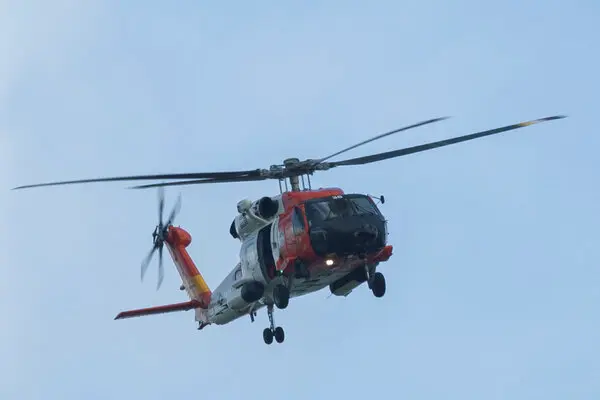
The United States Coast Guard has initiated another pursuit of an oil tanker sailing near Venezuela, escalating Washington’s ongoing pressure campaign targeting the South American nation’s oil industry. Officials described the action as an “active pursuit” in the Caribbean Sea, following the seizure of another vessel off Venezuela’s coast a day earlier. This marks the third US operation involving Venezuelan oil tankers within the past week, reflecting intensifying geopolitical tensions in the region.
Unnamed US officials told both the Associated Press and Agence France-Presse that the vessel currently under pursuit is a “sanctioned dark fleet ship” allegedly engaged in Venezuela’s illicit sanctions evasion activities. According to reports, the ship was flying a false flag and was subject to a judicial seizure order. News outlets identified the vessel as the Bella 1, an oil tanker sanctioned since 2024 due to purported connections to Iran and Hezbollah.

Late Saturday, US forces approached the vessel, but it refused boarding and continued to sail, with authorities describing the situation as still ongoing. Data from TankerTrackers, a specialist monitoring site, indicated the Bella 1 was heading toward Venezuela but was not carrying any cargo at the time.
The operation aligns with US President Donald Trump’s recent declaration of a blockade targeting all sanctioned oil tankers entering or leaving Venezuela. Trump’s administration has strengthened military presence in the region and executed more than two dozen strikes on vessels in the Caribbean Sea and Pacific Ocean near Venezuela. These military actions have reportedly resulted in at least 100 deaths.
Kevin Hassett, director of the White House National Economic Council, addressed concerns over the impact of the seizures on domestic oil prices during an appearance on CBS News’s Face the Nation. Hassett emphasised that the first two tankers apprehended were operating illegally, supplying oil to countries under sanctions, and that Americans should not worry about price increases. Nevertheless, oil traders warned that the heightened geopolitical tensions could push oil prices higher when Asian markets reopen, despite expectations of a potential end to the war in Ukraine providing some stabilisation.
The second merchant vessel carrying oil was apprehended off Venezuela’s coast on Saturday in international waters, reinforcing the ongoing American blockade. This follows the initial seizure of a tanker on 10 December, both of which were en route to Asia.
Republican Senator James Lankford of Oklahoma commented on CNN’s State of the Union regarding potential US intervention, expressing support for a US-backed regime change in Venezuela. Lankford stated that Maduro “is not the recognized leader of Venezuela,” referencing the 2024 presidential election defeat to former diplomat Edmundo González.
Tensions continue to mount as Trump and his advisers have not ruled out open conflict with Venezuela, while Maduro has urged the Venezuelan navy to escort oil tankers, directly challenging the US fleet, the largest deployed in the region in decades. Following the initial tanker seizure, the Venezuelan government condemned the action as “blatant theft” and “international piracy.”
In an interview with NBC News, Trump confirmed that military engagement with Maduro’s regime remains a possibility, emphasising that the US continues to keep all options on the table. Analysts warn that the situation poses ongoing risks for regional stability and global oil markets, as Washington intensifies its measures against Caracas.
The unfolding events underscore the heightened geopolitical stakes in the Caribbean, with the US focusing on enforcing sanctions and Maduro resisting external pressure. While domestic officials seek to reassure citizens about energy prices, international observers remain alert to potential escalations that could reverberate far beyond Venezuela’s coast. The pursuit of the Bella 1 represents a continuation of the US’s assertive approach, illustrating a broader strategy of leveraging military presence and economic sanctions to influence Maduro’s government.
As tensions persist, the interplay between US sanctions enforcement and Venezuelan defiance highlights complex international law questions regarding maritime jurisdiction, sovereignty, and sanctions compliance. Experts note that repeated seizures and confrontations could provoke broader confrontations if diplomatic solutions are not pursued. At the same time, the impact on global energy security remains a concern, with analysts monitoring shipping routes, oil supply flows, and market reactions to any disruptions caused by these maritime operations.

Despite Washington’s assurance that energy markets will remain stable, regional instability could encourage speculative trading, creating uncertainty for oil-importing nations and international companies dependent on Venezuelan oil. Moreover, the political narrative in both countries continues to influence public perception, shaping domestic support for government policies and strategic decisions.
This incident also sheds light on the controversial use of sanctions and blockades as tools of foreign policy, demonstrating how economic pressure is intertwined with military operations. While the US aims to curtail Maduro’s resources, the Venezuelan administration’s vocal condemnation and defensive measures reflect enduring resistance to external interference. The situation is evolving rapidly, and the international community is closely monitoring developments to assess potential consequences for maritime law, diplomacy, and regional security.
The ongoing pursuit of the Bella 1 underscores the persistent complexity of enforcing sanctions in contested waters, highlighting both legal and strategic challenges for US authorities. Observers emphasise that successful enforcement requires coordination among intelligence agencies, naval forces, and international partners, alongside careful navigation of international norms. The high-profile nature of these operations ensures sustained media attention, amplifying scrutiny on the decisions of both the US and Venezuelan governments.
As the week progresses, further actions may unfold in the Caribbean, shaping the broader narrative around US foreign policy in Latin America. Analysts suggest that while the immediate goal is to restrict Venezuela’s sanctioned oil exports, the long-term implications for diplomatic relations, regional stability, and energy markets remain uncertain. Policymakers will need to balance enforcement with negotiation to prevent escalation, recognising that miscalculations could trigger unintended consequences with far-reaching effects.
Related News:
 Kinnock’s Rebuke Echoes Loudly as Corbyn Allies Launch Left-Wing Breakaway: “A Gift to Farage”
 UK and Norway Forge Stronger Ties Through Joint Sanctions and Enhanced Defence Cooperation
 Trump Administration Dismisses 17 Immigration Judges, Sparking Debate Over Judicial Independence
 England’s Euro Odyssey: A Tale of Grit, Glory and the Lionesses’ Miraculous March to the Final
 UK Must Act with Courage and Clarity on Israel-Palestine Conflict, Says Foreign Affairs Committee Report
 Northern Ireland Family of Three Shot Dead in Maguiresbridge Home Incident
 Seventeen Dead as Russia Targets Ukrainian Prison in Devastating Airstrike
 Tears in Tarragona: British Siblings Drown in Spanish Sea as Holiday Turns to Horror
 Tottenham Takes On Newcastle
 Gen Z Embraces the Big, Bold ‘Fake’ Indian Wedding Party Trend
 Trump Threatens 100% Tariff on Nations Importing Russian Oil Amid India Standoff Over Ukraine War
 Radioactive Leak at UK’s Nuclear Warhead Base Sparks Outcry Over Safety and Secrecy
 Mutual Inconvenience: Why Alaska Was Chosen for the Trump-Putin Summit on Ukraine
 China’s crackdown on civil servant perks sparks economic concerns
 Terence Stamp, ’60s British Film Legend and Star of Superman, Dies at 87
 Where Is Prince William and Kate Middleton’s New House? Inside the Historic Lodge Set to Become Their ‘Forever Home’
 Hong Kong Summons UK and Australian Envoys Following Asylum Grants to Democracy Activists
 Is the UK Ready to Put Boots on the Ground in Ukraine? Assessing Military Capacity and Challenges
 Costa Blanca Holiday Horror as Food Poisoning Outbreak Hits Four-Star Hotel
 Shein UK Faces Allegations of Shifting Majority of Profits to Singapore to Reduce UK Tax
 Conservative Influencer Charlie Kirk Fatally Shot During University Debate
 Thousands Gather in London to Protest Donald Trump’s Second UK State Visit
 Channel Crossings Surge: Over 1,000 People Arrive in the UK in Small Boats in a Single Day
 Widow of Charlie Kirk Forgives Killer at Emotional Memorial Service
 Las Vegas Faces Decline as Rising Costs Drive Tourists Away
 Public Executions in Gaza City Captured on Video Amid Ongoing Conflict
 Macron Phones Trump Over Traffic Jam in New York
 Comey Indictment Deepens Fears of Political Retribution Under Trump
 Google at 27: The Untold Story of Ruth Kedar, the Woman Behind the Iconic Logo
 Yvette Cooper Signals Global Momentum Towards Gaza Peace Deal Amid Humanitarian Crisis
 A Third of EU Citizens in UK Report Discrimination by Public Bodies Post-Brexit
 “It Was Very Tough, But I Love Life”: Former Israeli Hostage Rebuilds Life After Family Killed by Hamas
 Chaos at Ibrox as Martin’s Rangers Era Comes to an End
 Arsenal Showcase Depth and Flexibility as Arteta Eyes Title Challenge
 Nobel Prize Honours Pioneers Behind Materials That Could Heal the Planet
 Public Trust in SNP Hits Historic Low Amid NHS Concerns
 Johnson Suggests Mandelson Linked to China Spy Controversy
 Trump Claims Modi Has Agreed to Halt Russian Oil Imports Amid Heightened US Pressure
 Zelensky to Urge Missile Aid as Trump and Putin Plan Summit
 Rachel Reeves signals welfare reform ahead of key budget
 Ireland Votes as Two Women Compete for Presidency
 Russia’s Latest Push to Win US Favors Shows Deep Desperation
 WW2 Pilot’s Long-Lost Crash Site Unearthed in Essex
 Experts Warn Russia’s Burevestnik Missile Could Destabilise Arms Control
 Tragedy on Lizard Island: Cruise Passenger Dies
 Just Stop Oil Protesters Convicted Amid Climate Defence Row
 I’m a Celebrity 2025 line-up revealed: Osbourne joins
 BBC to Apologise Over Edited Trump Speech Amid Backlash
 Britain deploys RAF specialists to assist Belgium with drone threats
 Palace May Restore Hyphen to Andrew Mountbatten-Windsor’s Name
 US Senate Passes Funding Bill to End Historic Shutdown
 Trump Urges Herzog to Grant Netanyahu Full Pardon
 Japan Deploys Police to Curb Deadly Bear Attacks
 US Justice Department Files Lawsuit Against California Over Partisan Voting Maps
 Indian authorities demolish Kashmir home linked to Red Fort blast
 Pokémon to open world’s first theme park in Japan next year
 Greene Pushes Epstein Files Amid Trump Fallout
 Trump Deploys DHS to Charlotte in Major Arrest Operation
 December Run-Off in Chile as Election Produces No Winner
 Zelenskyy Signs Fighter Jet Deal Amid Russian Drone Attacks
 Orban Says Ukraine Has ‘No Chance’ as EU Support Continues
 Canada Passes Carney’s First Budget in Tight Parliamentary Vote
 Shadow Fleet at Sea: Europe’s Battle Against Illicit Oil Shipping
 Tiny Curacao Makes History as Smallest Nation to Reach World Cup
 Haiti Qualifies for World Cup Despite Coach Never Visiting Country
 Deadly Russian Strikes Hit Western Ukraine, 20 Killed in Ternopil
 Pentagon Officials in Ukraine to Discuss War End
 Ukraine Peace Plan: Zelensky Ready for Dialogue
 India’s COP30 Delay Raises Global Climate Concerns
 Venezuela Threatens Nobel Winner Machado with Fugitive Status
 Royal Navy Shadows Russian Warships Entering the Channel
 Trump EPA Moves to Roll Back Soot Pollution Limits
 US Suspends Afghan Immigration After White House Shooting
 Two National Guard Soldiers Critically Injured Near White House
 Georgians Defy Government Crackdown After Year of Protests
 Southern Lebanon reels as Israeli strikes shatter communities
 Tokyo court rules Japan’s same-sex marriage ban constitutional
 ‘Extinct’ Antelope Returns to Sahara, Bringing Hope
 EU plans $105bn Ukraine aid using frozen Russian assets
 ‘The frontline is everywhere’: new MI6 head warns on Russian threat