Published: 08 January 2026. The English Chronicle Desk. The English Chronicle Online.
Venezuela oil has become the centre of international attention as interim president Delcy Rodríguez expressed willingness to open her nation’s energy market to the United States. Rodríguez stressed on Wednesday that Venezuela’s oil industry remains sovereign but acknowledged opportunities for mutually beneficial partnerships, despite Washington’s attempts to exert control over the country’s resources. In the first hundred words, the focus keyword Venezuela oil appears naturally, highlighting the critical role of energy negotiations between Caracas and Washington. Rodríguez’s comments come amid strong US signals that future Venezuelan oil sales would be strictly managed under American oversight.
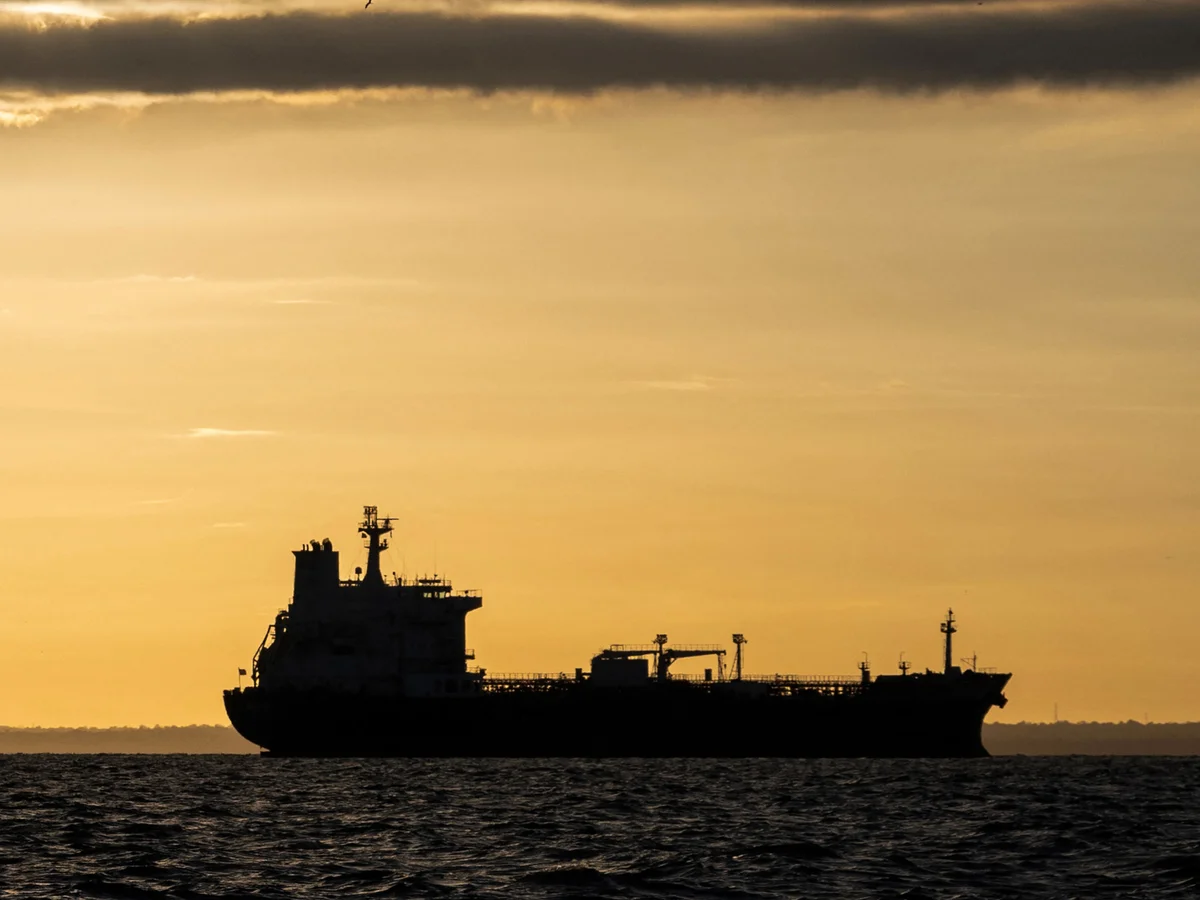
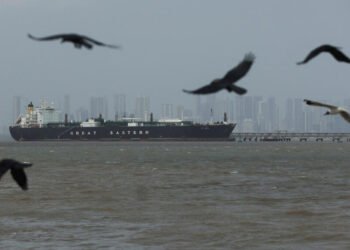
The US recently seized two Venezuelan tankers, asserting it will control all future crude production and global distribution. Energy Secretary Chris Wright confirmed Washington’s plans to market Venezuelan oil globally, including existing reserves and future production. Vance, a former US vice-president candidate, reiterated on Fox News that Venezuelan oil can only be sold under conditions serving American national interests. Rodríguez countered that Venezuela is open to energy cooperation while insisting such deals must respect the country’s sovereignty.

Trump announced a $2 billion access deal for Venezuelan crude, signalling that Caracas is responding to demands for US company participation or risk further military pressure. Amid continuing sanctions, the US Energy Department specified that only oil transported through approved channels consistent with US law would be allowed. Analysts warned this level of oversight could extend Washington’s influence over global oil prices, as the American administration claims control over the world’s largest proven reserves.
Rodríguez acknowledged that previous US interventions had left a lasting “stain” on bilateral relations but maintained that trading oil is “not unusual or irregular.” She insisted that Venezuela is open to negotiations where all parties benefit and highlighted the country’s need for economic recovery. Meanwhile, Trump tweeted that any Venezuelan profits from the oil deal would be spent exclusively on American-made products, underscoring the administration’s strategy to intertwine commercial benefits with political leverage.
Major US oil companies are reportedly seeking legal and financial guarantees before investing in Venezuela. Executives emphasised the need for strong protections before committing significant capital to revive a damaged oil industry, according to the Financial Times. Reports suggest that Washington has communicated urgent timelines to oil executives, requiring rapid re-entry into Venezuela to capitalise on production opportunities. The strategy reflects broader ambitions to stabilise energy markets while strengthening US geopolitical influence.
Rodríguez’s willingness to negotiate contrasts with the stringent conditions imposed by Washington, reflecting a tense yet pragmatic energy dialogue. Analysts suggest that Venezuela oil negotiations could reshape regional energy dynamics if Caracas navigates carefully between sovereignty and external pressure. The Venezuelan leader also stressed that any energy deal must prioritize national interests, indicating a cautious approach to foreign involvement in domestic oil infrastructure.

In addition to economic considerations, political tensions remain high. The Trump administration continues to assert a dominant role in Venezuelan governance post-Maduro capture, raising concerns about long-term sovereignty. Rodríguez’s administration faces the challenge of balancing foreign investment with domestic control, highlighting the complexity of Venezuela oil negotiations in the current geopolitical climate. The coming weeks will likely determine the extent of US influence and the future trajectory of Venezuela’s energy sector.
The evolving scenario demonstrates how Venezuela oil has become a symbol of national resilience amid external pressures. International observers note that the success or failure of the oil deal could impact global energy prices and regional stability. Rodríguez’s insistence on fair trade and US insistence on control set the stage for continued negotiations, with potential implications for the wider Latin American energy market. Venezuelan officials are expected to maintain dialogue while asserting their rights over the country’s vast energy resources.
Venezuela oil remains a focal point for diplomacy and commerce, as both nations navigate a complex interplay of economic, political, and strategic interests. Rodríguez and US officials appear committed to advancing discussions, although challenges related to control, profit distribution, and national sovereignty persist. With ongoing negotiations and pressure from major oil companies, the future of Venezuela oil trade could define the region’s economic landscape for years.
Related News:
 EU Weakens as Trump Targets Venezuela and Greenland
 US Citizens Warned to Venezuela Flee Amid Paramilitary Threats
 Gulf states warn Trump Iran strikes risk wider Middle East war
 Machado Trump medal gesture reshapes Venezuela power struggle
 Greenland defence seen as shared Nato duty amid troop arrivals
 Gulf states warn Trump Iran strikes risk wider Middle East war
 Trump Receives Machado’s Nobel Medal in White House Meeting
 Iran unrest slows under brutal crackdown and global tensions
 Syria President Declares Victory as Ceasefire Reached with SDF
 US Considers Asylum for British Jews Amid Rising Antisemitism
 Russia Strikes Kyiv and Kharkiv as Peace Talks Enter Day Two
 Thousands Protest ICE Operations in Nationwide US Day of Action
 Epstein Files Reveal Trump Officials’ Emails with Financier
 Thousands Protest ICE in New York Against Trump Deportation Campaign
 Sydney Protest Pepper Spray Clash During Herzog Visit
 Cuba Kills Exiles in Speedboat Attack from US Waters
 Yvette Cooper: UK Must Follow Principles, Not US Pressure
 Saudi Arabia Urging US to Keep Up Iran Attacks
 Washington Enlists Musk to Battle Global Hostility Online
 Teen Girl Charged After Alleged Melbourne Hate Crime Spree
 Macron Urges Stability as Trump Jolts Nato and Iran
 Trump Address Sparks Global Backlash Over Iran War Tactics
 Macron Rebukes Trump Following Mockery of His Marriage
 Trump Sets Tuesday Deadline for Iran to Reopen Vital Strait
 Tragic End to Outback Search as Floods Claim a Life
 Ben Roberts-Smith Arrested Over Alleged War Crimes
 Trump and Tehran Find Common Ground in Landmark Ceasefire
 Netanyahu Vows Continued Lebanon Strikes Amid Peace Talks
 Trump Predicts Rapid Return to Peace Talks in Pakistan
 Reeves Slams Trump Over Iran War Lack Of Exit Plan
 US and Iran Pursue Extension of Ceasefire via Pakistan
 Pope Leo Calls for Global Unity Following Trump Criticism
 Mexico, Spain and Brazil call for Cuba dialogue amid crisis
 Ukraine Urges UK to Seize Russian Oil Tankers
 US Calls Australia Media Law “Foreign Extortion”
 Tragic End to Search for Missing Girl in Alice Springs
 Questions Remain Over The Tragic Bondi Massacre
 Activists allege abuse after Gaza flotilla seizure
 Ukraine strikes Tuapse as oil disaster worsens
 Global order shifts amid Trump-era turmoil
 Australia pushes Pacific security pact amid China tension
 Indiana Republicans Defy Trump in Key Vote Test
 Middle East Crisis Escalates as Oil Routes Shake Markets
 FIFA Confirms Global Ban for Benfica Star Prestianni
 New South Wales Wetland Rescue Legislation Passes
 Tensions Emerge in Netanyahu-Trump Alliance
 Putin Declares Russia Victory at Scaled Victory Day Parade
 US and Mexico Face Heatwave as Floods Batter South Africa
 The Long Way Home: Australia’s High-Stakes Virus Mission
 Trump Warns Iran Ceasefire Is Now on Life Support
 Putin Signals War End as Russian Momentum Stalls
 Scepticism and tight security as Beijing braces for Trump
 UN Faces Crucial Vote on Landmark ICJ Climate Ruling
 US-Mexico Crisis: Cartel Allegations Push Ties to Brink
 Netanyahu Calls Early Election Amid Coalition Turmoil
 Philippine Senator Flees After Days Under Senate Siege
 Solomon Islands Elects China Critic Matthew Wale as Leader
 Tragedy in the Maldives: Inside the Deep Sea Rescue
 US Ebola Case Sparks Urgent Global Screening Measures
 Xi Hosts Putin in Beijing Days After Landmark Trump Summit
 Fragile Truce Shattered as Violence Escapes Diplomatic Control
 The Hunt for Bato: Inside the Hunt for the Fugitive Senator
 Israeli Strikes in Lebanon Kill 10 Amid Ceasefire Strain
 Zelenskyy warns over Oreshnik threat as Kyiv hit
 Hunger increasingly weaponised in global conflicts
 Discontent grows around Putin amid war strain
 Former ICC prosecutor condemns US sanctions
 Bondi Tragedy Survivors Face Online Abuse After Inquiries
 Japan Suffers Plastic Shortage Due to Middle East Crisis
 Venezuela Opposition Steers Uncharted Path Forward
 Aukus Deal Facing Fierce Backing and Historic Criticism
 Thai Princess Bajrakitiyabha Passes Away at 47
 Sentenced to 30 Years: Former Leader’s Secret Drone Plot
 Kyiv Heritage Blazes After Night of Brutal Russian Strikes
 Iran To Propose New Shipping Fees In Strait Of Hormuz
 Trump’s Iran Legacy Hangs on Tehran Deal
 High Drama in Tehran Over Secret Nuclear Letters
 Houthis Strike Saudi Arabia as Middle East Tensions Rise
 Taliban global ties grow as rights fears mount
 Seoul proposes historic peace talks to replace Korean War armistice