Published: 10 January 2026. The English Chronicle Desk. The English Chronicle Online.
The University of Glasgow found itself at the centre of renewed public attention this week after its rector was formally exonerated by a medical tribunal. The ruling confirmed that the Glasgow rector cleared of misconduct had no case to answer over allegations of antisemitism and support for terrorism. The decision followed an intense three-day hearing in Manchester, where regulators examined the professional conduct of Dr Ghassan Abu-Sittah, a practising plastic surgeon and outspoken Palestinian activist. The outcome has sparked strong reactions across academic, political, and medical circles, highlighting wider tensions around free speech, professional regulation, and the Israel-Palestine debate.
Dr Abu-Sittah appeared before the Medical Practitioners Tribunal Service through a video link, defending himself against claims brought by the General Medical Council. The GMC argued that a newspaper article and several social media posts demonstrated views incompatible with medical professionalism. However, the tribunal concluded unanimously that the allegations failed to meet the threshold for misconduct. As a result, the Glasgow rector cleared verdict reaffirmed his right to continue practising medicine without restriction.

At the heart of the case was an opinion article written by Abu-Sittah for a Lebanese newspaper. In that piece, he discussed the killing of Ahmad Nasr Jarrar, a Palestinian militant believed to be associated with Hamas. The article used language referring to “martyrdom” and described revolutionary violence as a consequence of political oppression. Critics argued that such phrasing amounted to endorsing terrorism. The tribunal disagreed, stating that the article should be read in full rather than through isolated quotations.
Ian Comfort, who chaired the panel, stressed that context was essential. He explained that the tribunal examined the wider political commentary within the article, which strongly criticised Palestinian leadership and regional power structures. According to Comfort, nothing within the text promoted antisemitic views or encouraged violence against civilians. This assessment formed a key part of the reasoning behind the Glasgow rector cleared decision.
The panel also reviewed two posts shared on the social media platform X. One repost congratulated Hamas and the Popular Front for the Liberation of Palestine on their founding anniversaries. Hamas’s political wing has been proscribed in the United Kingdom since 2021, making any endorsement a serious legal concern. Despite this, the tribunal found no evidence that the repost constituted material or moral support for terrorism. Members noted uncertainty over when the content was originally shared and concluded that an ordinary reader would interpret it as a historical reference rather than a call to action.
A second post referred to figures described as “martyrs” linked to the Popular Front, including individuals involved in armed operations during the 1970s. Abu-Sittah told the tribunal that such language reflected solidarity with a historical struggle, not endorsement of violence. The panel accepted that argument, concluding that a reasonable Arabic-speaking reader would not view the post as encouraging terrorism. These findings reinforced the position that the Glasgow rector cleared outcome was grounded in careful interpretation rather than political pressure.
Throughout the hearing, Abu-Sittah maintained that he had been unfairly targeted due to his background and political views. Born in Kuwait to Palestinian parents, he has spent much of his medical career treating victims of war in conflict zones, including Gaza and Lebanon. He told the tribunal that complaints against him reflected racial profiling, portraying Palestinians as inherently violent. He accused UK Lawyers for Israel, the group that alerted the GMC, of pursuing what he described as a campaign designed to silence pro-Palestinian voices.
Following the verdict, Abu-Sittah expressed relief and frustration in equal measure. He said the proceedings had forced him to leave patients in Beirut who urgently needed surgical care. He rejected claims that he had ever supported violence against civilians, emphasising that his professional life had been dedicated to saving lives. For him, the Glasgow rector cleared ruling represented not only personal vindication but also a public rejection of attempts to weaponise regulatory systems.
The GMC’s legal representative, Ros Emsley-Smith, argued during the hearing that Abu-Sittah crossed the line between political expression and professional misconduct. She maintained that doctors hold a position of trust and must avoid statements that could undermine public confidence. While acknowledging the importance of free speech, she said the regulator believed his comments risked damaging the reputation of the medical profession. The tribunal ultimately rejected that view, finding no breach of professional standards.

Reaction from UK Lawyers for Israel was sharply critical. A spokesperson described the decision as alarming, arguing that Jewish patients might feel unsafe being treated by a doctor who commemorated individuals linked to violent acts. The group claimed the tribunal underestimated the impact such language could have on vulnerable communities. Their response underscores the deep divisions that persist around how speech relating to Middle Eastern politics should be judged in professional contexts.
Within the University of Glasgow, the case has been followed closely but cautiously. The rector is elected by students and serves as a representative voice rather than an executive leader. Abu-Sittah is not employed by the university and does not speak on its behalf. Nevertheless, his high-profile role has drawn attention to how universities navigate political activism among their elected figures. The Glasgow rector cleared ruling may reassure students who supported him, while critics continue to voice concern.
Legal experts suggest the case could have broader implications for professional regulation. The tribunal’s emphasis on context and ordinary readership sets a notable precedent for how social media content is assessed. In an era where online statements are increasingly scrutinised, the Glasgow rector cleared decision highlights the challenges regulators face when balancing free expression with public protection.
Medical professionals have also weighed in, with some expressing concern that regulatory processes are being used to pursue ideological disputes. Others argue that robust oversight remains essential to maintain trust. The tribunal’s judgment suggests that allegations must be supported by clear evidence of harm or intent, rather than assumptions based on political alignment.
As debates continue, Dr Abu-Sittah returns to his clinical and academic commitments under a renewed spotlight. Supporters view the ruling as a victory for free speech and due process. Critics fear it signals tolerance of language they find distressing. What remains clear is that the Glasgow rector cleared outcome will resonate beyond this single case, shaping future discussions about activism, identity, and professional responsibility in Britain.
Related News:
 Six-Figure Tutors Teach Toddlers to ‘Be British’
 How Bringing Forests Into Preschools Boosts Children’s Health
 Is a two-week half-term a good deal? Some parents in England aren’t so sure
 Bridget Phillipson Vows to Confront Unions Over Reading Tests
 Children to Learn Local History in Major Curriculum Overhaul
 Top Christmas Books Reads: Classics to Cozy Romcoms
 England Curriculum Review Recommends Major Changes
 Mortgages and AI Set to Feature in English Schools
 Greta Thunberg Backs Student Facing UK Visa Revocation
 Audio Books deals and promo codes to explore in November 2025
 London’s Childlessness Crisis: Schools Closing as Families Shrink
 No link found between paracetamol in pregnancy and autism
 Government urges schools to ban phones to curb classroom disruption
 Stephen Fry backs SafeCall to protect missing children
 England’s Special Needs Support Faces Breaking Point
 Higgs Donates Nobel Medal to His Beloved University
 UK Schools Face Staff Exodus Amid Wellbeing Crash
 Schools urged to trial four-day week to ease pressure on teachers in England and Wales
 Oxford Names ‘Rage Bait’ Word of the Year
 Cambridge College Faces Backlash Over Private School Recruitment
 Princess of Wales Launches Animated Video Series to Support Early Childhood Development
Education Leaders Call for End to Compulsory GCSE Resits in English and Maths
Princess of Wales Launches Animated Video Series to Support Early Childhood Development
Education Leaders Call for End to Compulsory GCSE Resits in English and Maths
 Thousands of New School Nursery Places to Be Rolled Out Across England
 Growing Crisis in UK Schools: One in Three Parents Seek Special Needs Assessments
 White Low-Income Pupils in England Show Lowest Levels of School Engagement, Study Finds
 Teacher Permanently Banned After Slapping Pupil Over Classroom Incident
 New V-Level qualification to transform post-16 education
 Peterborough Mosques Tighten Security After Attack
 Reeves Faces Setback as Labour May Miss Homes Target
 Hospice Cuts Raise Alarm Across England Amid Funding Crisis
 Kate Winslet to Narrate Film Highlighting King’s Environmental Mission
 Green Party Surges Past Labour in Latest UK Poll
 Trump’s UK Ambassador Urges North Sea Drilling to Strengthen US Ties
 Granit Xhaka Rescue Earns Everton Draw at Sunderland
 French Taxi Driver Cleared in David Lammy Theft Case After Fare Dispute
 UK Bans Fake Numbers: Scammers Lose Their Trick
 Prince William Plants Trees with Brazil’s Nature Heroes
 M&S Profits More Than Halve After Cyber-Attack
 Just Stop Oil Protesters Convicted Amid Climate Defence Row
 Kent village told to remove flags before Christmas lights go up
 Labour immigration crackdown could cost UK £4.4bn
 Patients to Test Health at Home to Ease NHS Winter Pressure
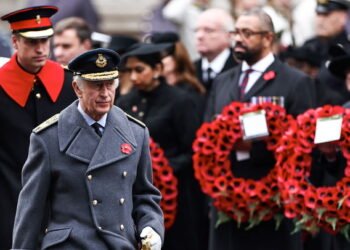 King Charles to Lead Nation in Remembrance Sunday Service
 How to get help when a child goes missing – call 999 urgently
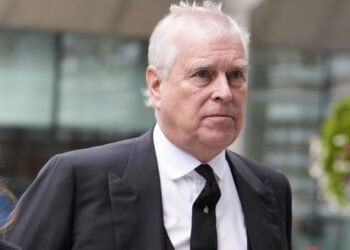 Palace May Restore Hyphen to Andrew Mountbatten-Windsor’s Name
 Millionaires group urge Reeves to introduce wealth tax to ‘lift kids out of poverty’
 Starmer Faces Growing Dissent as Labour MPs Weigh Leadership Challenge
 Shouting Works Best to Deter Gulls, UK Study Finds
 Reeves rejects £1bn plea for NHS redundancy payouts
 Northern Lights may illuminate UK skies this week
 PM Condemns Leaks, Vows Loyalty to Ministers and Stability
 Son Reveals UK Couple in Iran Resort to Hunger Strike for Help
 Phillipson Accused of Appeasing Unions by Diluting EBacc
 Major Rent Reform Ends No-Fault Evictions in England
 Peers Flood Assisted Dying Bill with 942 Amendments
 Former Lion Heskey Warns of Shortage of England Strikers
 Criminal Gangs Pose as Truckers to Hijack UK Supply Chains
 Stroke Patient Mistaken for Drunk, Care Delayed
 Mother Watches in Horror as Teen Daughter Dies on Tracks
 Van Dwellers Face Eviction After Park Misuse Sparks Outcry
 ‘Traumatic Wait’: Northern Ireland Women Face Breast Cancer Delays
 Serial Rapist and Former Cop Found Guilty Again
 Scottish Families Take Legal Action Over School CO Leak
 Royal Navy Shadows Russian Warships Entering the Channel
 Inside the Helpline Protecting Missing Children in the UK
 Most Tories Expect to Support a Farage-Led Government
 Boots Showstopper Beauty Bundle Outshines Many Advent Calendars This Holiday Season
 Bill Murray Terrified Wes Anderson but Became His Closest Collaborator
 Labour’s ‘blinkered’ drive to build risks pushing wildlife to point of no return, nature experts warn
 PlayStation PS5 Deals Hit Lowest Prices Ahead of Black Friday
 Karen Carney Stuns on Blackpool Week, Deserves Strictly Final
 Five-Year-Old Dies After Rare Tonsil Surgery Complication
 Fibromyalgia Patients Struggle as NHS Fails to Provide Care
 Starmer Says Labour’s Economic Plan Needs Years to Deliver
 Virgin Media Fined £23.8m Over Telecare Safety Failures
 More Patients Now Contacting GPs Online, Data Shows
 Christmas Code-Crackers: GCHQ Unveils Annual Festive Puzzle Card
 UK unemployment rises to four-year high of 5.1% before budget
 Wiltshire Police Use Lasso to Catch Rampaging Village Goat
 Children to Receive Home Vaccines as England Acts