Published: 12 January 2026. The English Chronicle Desk. The English Chronicle Online.
UK business confidence dropped sharply at the end of 2025 as hiring slowed significantly across multiple sectors. The focus keyword UK business confidence appears early in this report, reflecting surveys that reveal companies are increasingly cautious due to rising operational costs and economic uncertainty. Accountancy and recruitment studies indicate that firms paused hiring, reducing both full-time and temporary appointments in December. The weakening jobs market contradicts government claims that citizens would soon feel financial relief after energy and interest cost reductions.
According to KPMG and the Recruitment and Employment Confederation (REC), businesses remain cautious despite official reassurances. Jon Holt, KPMG’s chief executive, emphasised that firms are strategically using temporary staff while avoiding long-term hires. He stated that cost pressures and global uncertainties have kept many companies in a holding pattern, delaying expansion and recruitment. Holt suggested that this restraint is likely to continue through early 2026, especially as businesses assess the potential impact of new policies.
At the same time, the BDO business trends report confirmed that UK business confidence weakened dramatically, with the firm’s optimism index falling to its lowest level in nearly five years. Scott Knight, BDO’s head of growth, explained that rising business costs combined with declining turnover expectations are forcing companies to reassess investments. He argued that clear government guidance on interest rates and economic policy is crucial to restore confidence and stimulate growth across key sectors.

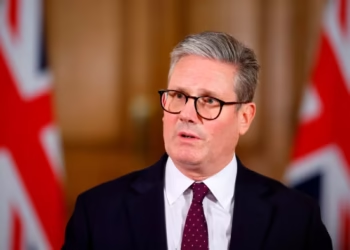
Despite these warnings, Prime Minister Keir Starmer opened 2026 with public briefings promising that citizens would soon notice improvements in the national economy. He highlighted government achievements such as the energy bill reductions, interest rate cuts, and the conclusion of the two-child benefit cap. Nevertheless, these announcements contrast sharply with surveys revealing that UK business confidence remains fragile and hiring decisions are being delayed.
The REC’s December employment survey showed that both permanent and temporary placements had fallen, particularly in sectors sensitive to rising costs such as manufacturing, retail, and hospitality. Analysts noted that even firms anticipating recovery are still wary, indicating that employment trends may remain subdued well into the new year. The cautious hiring patterns are symptomatic of broader uncertainty across the UK economy, reflecting rising operational expenses and unpredictable global market influences.
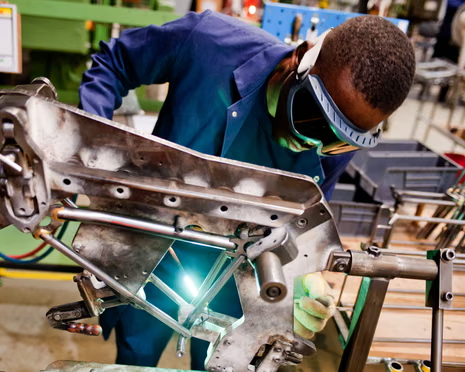
Manufacturers received a mixed outlook from recent surveys, including data from Make UK and PwC, indicating that government industrial strategies introduced last year might provide growth opportunities. A majority of manufacturers surveyed believe their businesses can benefit from these policies. However, they also warned that escalating business costs, especially in employment and energy, risk reaching a tipping point that could push investment plans abroad.
Stephen Phipson, Make UK’s chief executive, emphasised that manufacturing can thrive only in a favourable business environment. He warned that despite the industrial strategy, growth remains weak, and competitive pressures are increasing. “The warning lights are now flashing red on the UK as a competitive place to manufacture and invest,” he added, urging the government to act decisively to support growth and investment.
The KPMG/REC findings further illustrated that businesses are taking a measured approach to expansion. Many organisations reported holding off on major projects while evaluating how policy changes and interest rate adjustments might impact their long-term prospects. Holt explained that companies increasingly rely on flexible staffing arrangements to adapt to fluctuating demand without committing to permanent hires.
BDO’s latest report reinforced these concerns, highlighting that the optimism index had dropped to levels not seen since 2020. Knight stressed that clear guidance from the government is essential for stabilising confidence. Without decisive interventions, businesses may reduce investment or delay growth initiatives, potentially affecting the wider UK economy. Rising energy and employment costs remain the most cited challenges for businesses across regions.
While government officials emphasise policy achievements, surveys suggest the benefits are uneven. Some sectors, particularly manufacturing and technology, anticipate moderate gains from industrial strategies and targeted support programs. Yet other areas, including retail and hospitality, face significant cost pressures that dampen hiring intentions and reduce confidence in the broader business landscape.
Analysts argue that for UK business confidence to rebound, firms need both predictability and supportive financial measures. Companies are seeking clarity on interest rate expectations and sector-specific relief programs. Holt suggested that temporary staffing solutions can only bridge short-term gaps and do not replace the need for long-term stability.
The contrast between government optimism and actual survey results highlights the complexity of the UK economic recovery. Starmer’s assurances of improved living costs and energy relief may influence household spending, but they have limited immediate impact on corporate investment decisions. Firms are primarily motivated by operational stability and clear regulatory direction, which remain in short supply according to recent surveys.
Make UK and PwC highlighted that while industrial strategies provide opportunities, rising labour and energy costs threaten to discourage capital expenditure. Phipson warned that failure to address these pressures could drive investment overseas, potentially weakening the UK’s competitive position. The message from industry leaders is clear: government action must match rhetoric to restore business confidence and drive sustainable growth.

The REC survey noted that sectors with strong international exposure were particularly sensitive to cost pressures. Firms with export potential remain cautious, balancing competitive pricing with operational sustainability. Rising global inflation and fluctuating supply chains compound domestic challenges, leaving companies wary of rapid hiring or expansion.
BDO’s Knight reiterated that business confidence depends on predictable policies, stable costs, and access to growth incentives. Without these factors, firms may continue hiring conservatively, limiting economic recovery in the short term. He highlighted that even firms optimistic about future prospects must contend with immediate financial pressures that constrain workforce expansion and capital projects.
In summary, multiple surveys at the end of 2025 consistently indicate that UK business confidence is fragile, and hiring has slowed amid cost pressures. While government measures may improve household finances, the broader business landscape continues to grapple with uncertainty. Companies remain cautious, relying on temporary staff and delaying major investments, signalling that economic optimism has yet to fully translate into tangible recovery.
UK business confidence will likely remain a central concern for policymakers throughout 2026, as industry leaders emphasise the need for clear guidance and supportive measures. Without decisive action to reduce costs and foster a predictable business environment, the cautious approach observed at the end of 2025 is expected to continue. Analysts agree that bridging the gap between government optimism and actual corporate sentiment is critical for sustainable growth.
The evolving economic environment underscores that while policy interventions are important, business confidence ultimately depends on stable costs, transparent governance, and a competitive environment. Firms across sectors are adjusting to rising pressures while cautiously evaluating the next steps, making the early months of 2026 crucial for establishing momentum.
Related News:
 Tories Push to Dilute Labour’s Workers’ Rights Bill
 CMA Flags Concerns Over Greencore-Bakkavor Merger
 Derby Bounce Centre to Close Amid Car Park Dispute
 Reeves Faces Setback as Labour May Miss Homes Target
 Aston Martin cuts £300m investment as Trump tariffs and weak China demand hit profits.
 Virgin Trains Moves Closer to Challenging Eurostar Monopoly
 Wales May Introduce Four-Day Work Week After Elections
 UK Small Business Owner to Challenge L’Oréal in Tribunal
 Trump’s UK Ambassador Urges North Sea Drilling to Strengthen US Ties
 150-Year-Old Arctic Beer to Be Reborn in Scotland
 Ryanair Chief UK Economy ‘Doomed’ Under Labour
 Court Hears Challenge Over Water Bills Funding Sewage Fixes
 London bagel shop tops Deliveroo’s global orders list
 ABF May Split Primark from Food Division Amid Tough Market
 Rachel Reeves Set to Break Labour Pledge and Raise Income Tax
 UPS Cargo Plane Crash in Kentucky Kills Seven
 Thinktanks Urge Rachel Reeves to Reform UK Tax System
 Gopichand Hinduja, UK’s Wealthiest Business Leader, Dies
 M&S Profits More Than Halve After Cyber-Attack
 Company linked to Michelle Mone owes £39m in tax
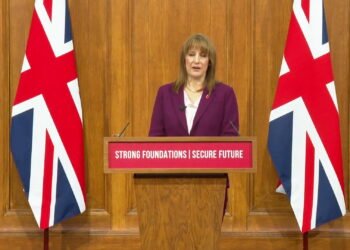 Tony Blair think tank warns Rachel Reeves must cut taxes if manifesto broken
 Oprah enjoys Meghan’s jam on English muffins
MPs Press Rachel Reeves to Hike Gambling Taxes
Oprah enjoys Meghan’s jam on English muffins
MPs Press Rachel Reeves to Hike Gambling Taxes
 Earl of Yarmouth Faces £1.3m Legal Bill Over Family Estate
 NHS Takes Over Nuffield Hospital in ‘Windfall’ for London Care
 North Sea oil workers must lose weight or face job loss
 Cuts to home insulation funding threaten UK climate goals
 US private equity set to acquire UK online retailer Very Group
 Warning as Britons prepare to spend £4 billion this Black Friday
 Troubled drinks giant Diageo names former Tesco boss to lead turnaround push
 Millionaires group urge Reeves to introduce wealth tax to ‘lift kids out of poverty’
 From Lego to Pokémon: How Adults Are Driving UK Toy Market Growth
 Taylor Wimpey Sales Drop Amid Budget Uncertainty
 Borough Market Clash Sparks Influencer Backlash
 UK toy market enjoys bumper year as ‘kidults’ fuel demand
 New laws to bolster UK’s defences against cyber attacks on NHS, transport and energy
 Skims Eyes Global Expansion After Reaching $5 Billion Value
 US Strikes Last Penny After 230 Years of Production
 Switzerland Rolls Out Charm Offensive to Cut Trump’s 39% Tariffs
 Trump Moves to Cut Coffee and Banana Tariffs in Latin America Deals
 Reeves’s Tax U-Turn Triggers Fresh Jitters in UK Markets
 Global markets drop amid tech sell-off and China slowdown
 Canada Passes Carney’s First Budget in Tight Parliamentary Vote
 UK Rejects Funding to Save Mossmorran Plant
 Nvidia Soars as Blockbuster Earnings Silence AI Bubble Fears
 PM Highlights UK Business at G20 in South Africa
 Eurotunnel Investment Halted as UK Rates Soar
 Mossmorran Plant Closure Hits Cowdenbeath Hard
 UK Energy Bills to Rise Slightly in January
 UK Government Borrowing Higher Than Expected
 Netherlands Suspends Nexperia Takeover Amid China Talks
 UK Taskforce Unveils Plan to Streamline Nuclear Reactor Rules
 Steel billionaire Lakshmi Mittal reportedly leaves UK
 Minister Denies Budget Leaks Have Harmed UK Economy
Budget 2025: Reeves Drops Economic Growth Reference
Minister Denies Budget Leaks Have Harmed UK Economy
Budget 2025: Reeves Drops Economic Growth Reference
 English Mayors Set to Introduce Tourist Taxes
 India’s Labour Law Overhaul Sparks Fierce Debate
 Carney’s Alberta Pipeline Deal Sparks Immediate Pushback
 EU reviews Apple Ads and Maps under strict digital rules
 Black Friday Footfall Falls as UK Shoppers Hold Back Amid Economic Concerns
 Starmer Says Labour’s Economic Plan Needs Years to Deliver
 Virgin Media Fined £23.8m Over Telecare Safety Failures
 Rising Water Bills Lift Troubled Thames Back to Profit
 Tesla Warns UK That Weak EV Rules Could Threaten Sales
 Prada buys Versace for $1.38bn, expanding luxury fashion empire
BBC bosses ‘right to stick by their guns’ against Trump, says minister
Prada buys Versace for $1.38bn, expanding luxury fashion empire
BBC bosses ‘right to stick by their guns’ against Trump, says minister
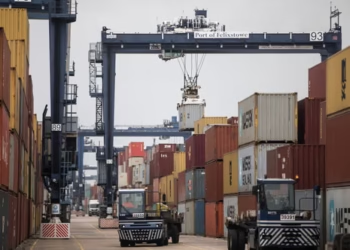 Closer EU Trade Ties ‘Strategic Necessity’ for UK Firms
 Bet365 Boss Nets £280m Despite Profit Drop
 BP agrees £7.4bn Castrol sale to US investment firm
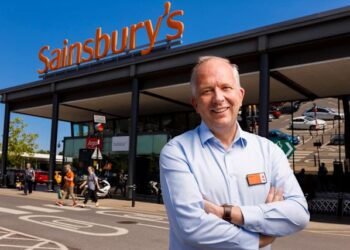 Sainsbury’s CEO leads business honours in New Year list
 FTSE 100 Hits 10,000: UK Market Celebrates Record Year
 UK House Prices Fall Sharply at Year-End, Nationwide Reports
 UK Faces Zombie Firms Collapse, Unemployment Set to Rise
 UK Car Sales Pass 2 Million as Chinese Brands Surge
 Starmer Faces Parliamentary Battles Over UK-EU ‘Reset’ Plan
 Phoenixism Costs UK Taxpayers Millions in Recruitment Sector
 Reeves Pub Business Rates U-Turn Calms Labour Revolt
 Wessex Water chiefs receive £50,000 extra despite government bonus ban
 Austrian Airlines Halts Tehran Flights Amid Political Unrest
 3,000 Jobs at Risk Without UK Helicopter Order