Published: 19 January 2026. The English Chronicle Desk. The English Chronicle Online.
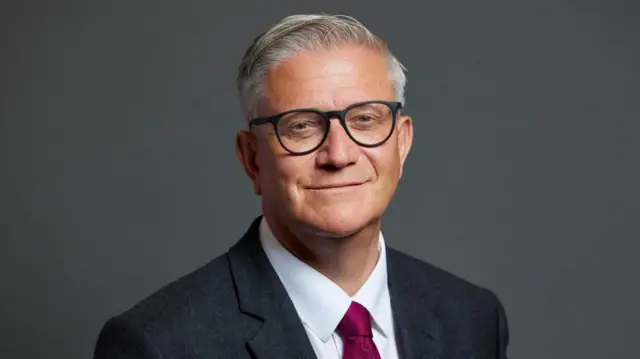
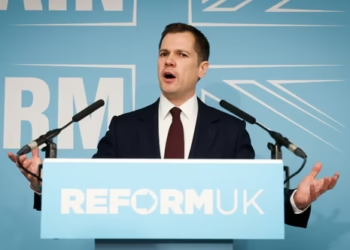
In a dramatic political shift, Romford MP Andrew Rosindell has officially joined Reform UK, signalling another blow to the Conservative Party. The Rosindell defection immediately drew attention, centring on ongoing tensions over the UK’s handling of the Chagos Islands. Rosindell, who has represented Romford since 2001, cited opposition to the handover of the islands to Mauritius as his main reason. This is the second high-profile Conservative departure to Nigel Farage’s party in four days, following Robert Jenrick’s move, and further highlights growing unrest among Tory MPs.

Previously a shadow Foreign Office minister under Kemi Badenoch, Rosindell expressed frustration with Conservative leadership. In a statement on X, he said the party failed to oppose the Chagos deal effectively, describing both Labour and the Conservatives as complicit in surrendering British sovereignty. He stressed that Reform UK is now the only political movement committed to prioritising national interests, a sentiment underpinning his decision to defect.
The 59-year-old has long campaigned for Chagossians forcibly removed from Diego Garcia in 1971 to allow construction of a UK-US military base. Rosindell said that Conservative peers being instructed not to oppose the Chagos bill earlier this month marked the tipping point for him. His Rosindell defection reflects his belief that radical action is needed to reverse past policy mistakes and defend the British public’s interests.
Political analysts note that while Rosindell has a lower profile than Jenrick, his departure intensifies perceptions of instability in the Conservative Party. He becomes the third sitting Tory MP to join Reform UK, following Danny Kruger and Nadhim Zahawi, signalling a broader trend of realignment. Farage welcomed the move, describing Rosindell as a committed patriot whose principles strengthen Reform UK’s parliamentary presence.
The Rosindell defection underlines dissatisfaction among MPs concerned about both domestic and foreign policy decisions. Analysts argue that such defections, though numerically small, carry significant symbolic weight, emphasising the party’s growing appeal among disillusioned Conservatives. Reform UK now has seven MPs, and the May elections to Scottish and Welsh parliaments, as well as councils across England, provide an opportunity to convert discontent into tangible political influence.

Rosindell emphasised that the Conservative Party’s refusal to challenge the Chagos handover reflected a wider reluctance to address past mistakes. By joining Reform UK, he claimed alignment with a party willing to take decisive action for Britain’s interests. Farage praised the MP’s principled stance, noting his long advocacy for Chagossians and commitment to protecting national sovereignty.
Observers suggest that voter perception may shift as defections highlight ethical and policy disagreements within the Tory ranks. The Rosindell defection contributes to Reform UK’s growing legitimacy, illustrating the party’s capacity to attract members prioritising accountability, sovereignty, and principled governance. This narrative may appeal particularly to voters disillusioned by traditional party politics.
Ultimately, Rosindell’s move demonstrates how ethical foreign policy decisions continue to influence domestic politics. By emphasising sovereignty, historical responsibility, and accountability, the MP frames Reform UK as a credible alternative for those dissatisfied with the Conservative Party’s direction. The Rosindell defection thus represents both a personal statement and a signal of Reform UK’s rising parliamentary influence.
Related News:
 British Woman in Iran ‘Losing Hope’ Amid Ongoing Detention
 BBC Journalist Held and Interrogated in Vietnam
 Boris Johnson: Tories Risk Election Loss if They ‘Bash the Green Agenda’
 Green Party Surges Past Labour in Latest UK Poll
 Celebrities and Charities Demand UK Government Act on Child Poverty
 Sultana says new party is aiming to ‘run government’
 Reform Councillor Defects to Tories Over ‘Uncomfortable’ Policies
 Trump’s UK Ambassador Urges North Sea Drilling to Strengthen US Ties
 FBI Director Kash Patel Defends Girlfriend Amid Government Jet Claims
 Phillipson urges careful review of gender recognition guidance
 French Taxi Driver Cleared in David Lammy Theft Case After Fare Dispute
 Rachel Reeves Set to Break Labour Pledge and Raise Income Tax
 Who is Rama Duwaji? What Zohran Mamdani’s wife has said about Gaza and ICE as he’s elected NYC mayor
 Lancashire council plans to close care homes and day centres
 MPs Press Rachel Reeves to Hike Gambling Taxes
 Met Police Culture Makes Racial Harm ‘Inevitable’
 Nicola Sturgeon Urges SNP to Oppose New Oil Fields
 Eleven Arrested After Pro-Palestine Protest at Villa Match
 Labour Falls to Fourth in Poll, Faces Historic Election Loss
Boris Johnson accused of undermining BBC leadership
Labour Falls to Fourth in Poll, Faces Historic Election Loss
Boris Johnson accused of undermining BBC leadership
 Remaining rebel Labour MPs have whip restored
 Cuts to home insulation funding threaten UK climate goals
 Tim Davie resigns as BBC director general amid bias claims
 ‘Reckless’ cuts to victims’ services will cost more than they save
 BBC director-general and news chief resign amid bias row
 Millionaires group urge Reeves to introduce wealth tax to ‘lift kids out of poverty’
 Starmer Faces Growing Dissent as Labour MPs Weigh Leadership Challenge
 BBC Faces Backlash as Reform UK Withdraws from Film
 Tim Davie Defends BBC Amid Bias Scandal Storm
 Reeves rejects £1bn plea for NHS redundancy payouts
 Farage appointee to lead Reform youth accused of anti-British views
 Palace to reinstate hyphen in Andrew’s surname
Donald Trump threatens BBC over edited speech
Palace to reinstate hyphen in Andrew’s surname
Donald Trump threatens BBC over edited speech
 Politics latest: Starmer ‘will fight any leadership coup’ as Streeting denies attempt to oust Labour PM
 PM Condemns Leaks, Vows Loyalty to Ministers and Stability
 Major Rent Reform Ends No-Fault Evictions in England
 Peers Flood Assisted Dying Bill with 942 Amendments
 England’s Special Needs Support Faces Breaking Point
 MoD warned over Excel risks before Afghan data breach
 UK Unveils Fast-Track Deportation and Asylum Overhaul
 UK Asylum Overhaul Sparks Debate Over Human Rights and Deportations
 UK Asylum Reforms: Temporary Refugee Status and Faster Deportations
 UK Candidate Moved to Safe House After Election Threats
 Mahmood Defends Tough Overhaul of UK Asylum System
 Scottish Ministers Express Alarm Over UK Asylum Reforms
 UK Warns China After MI5 Issues Espionage Alert
 Westminster Advances Legacy Bill Amid Criticism
 Minister Defends Tough New Asylum Reform Plan
 UK Net Migration Falls Sharply After ONS Revisions
 UK Vulnerable to Attack, Defence Committee Finds
 Labour Faces Historic Decline in Wales
 Rama Rebukes Mahmood for Targeting Albanian Families
 Russian Vessel Used Lasers on RAF Pilots, UK Claims
 PM Shares Emotional Letter to Son on Men’s Struggles
 MP Offers Seat to Help Burnham Challenge Starmer
 PM Highlights UK Business at G20 in South Africa
 Boris Johnson Oversaw Toxic No 10 Culture, Covid Inquiry Finds
 Kate Forbes: Motherhood Harder Than Politics
 Welsh Government Christmas 2020 Lockdown Criticised
Reeves to Crack Down on Benefit Fraud While Lifting Two-Child Limit
Welsh Government Christmas 2020 Lockdown Criticised
Reeves to Crack Down on Benefit Fraud While Lifting Two-Child Limit
 BBC to Expand Standards Panel and Create Deputy Director Role
 Most Tories Expect to Support a Farage-Led Government
 Labour MP claims devolution bill is ‘blatant discrimination’ against Cornwall
 English Mayors Set to Introduce Tourist Taxes
 Ex-Classmate Accuses Farage of Dishonesty on Racism Claims
 Millions Face Higher Taxes Under Reeves New Budget
 Peers Get Extra Time to Debate Assisted Dying Bill
 Planned Palestinian Flag Raising at Belfast City Hall Faces Delay Amid Legal Concerns
 Government righting decades-old injustice for miners
 Starmer Says Labour’s Economic Plan Needs Years to Deliver
 UK delays ruling on China embassy plan until January
 Culture secretary to review Telegraph takeover by Daily Mail owner
 Andy Burnham Apologises for Past LGBTQ+ Police Discrimination
 UK to Launch Military ‘Gap Year’ Scheme to Boost Recruitment
 Reeves Slams Farage Over Two-Child Benefit Cap Opposition
 Mandelson Refuses Apology Over Epstein Ties
 Plans to Limit Jury Trials Face Retreat After Mounting Opposition
 Jenrick Reform defection deepens Tory civil war
 China Dependence Threatens UK Energy Supply Chains and Jobs
 Right Must Unite After Jenrick Defection, Urges Rees-Mogg