Published: 21 January 2026. The English Chronicle Desk. The English Chronicle Online.
The UK government has confirmed it will proceed with the Chagos handover, despite sharp criticism from Donald Trump. The decision follows months of diplomatic negotiation and renewed international scrutiny. Ministers insist the policy protects long-term security interests while respecting international law obligations. The Chagos handover has re-emerged as a defining test of Britain’s foreign policy priorities.
Downing Street reaffirmed that sovereignty over the Chagos Islands will transfer to Mauritius under a binding treaty. The agreement includes provisions safeguarding the Diego Garcia military base. Officials argue this arrangement ensures stability while securing a strategic alliance with the United States. The government maintains that the Chagos handover strengthens, rather than weakens, Western defence cooperation.
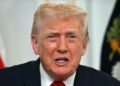
Trump’s comments, delivered through his Truth Social platform, accused Britain of displaying weakness. He described the decision as foolish and dangerous, linking it to his broader rhetoric on Greenland. His remarks caused surprise in London, particularly given earlier American endorsement of the agreement. UK officials privately expressed frustration at the sudden shift in tone.

The Chagos Islands sit in the Indian Ocean and hold immense strategic value. Diego Garcia has supported decades of joint US-UK military operations. These have included counterterrorism, intelligence gathering, and regional security missions. British officials stress that uninterrupted access remains central to the treaty’s design.
When Prime Minister Keir Starmer visited Washington last year, the agreement received clear backing. Then, senior American officials described the deal as pragmatic and forward-looking. Secretary of State Marco Rubio publicly welcomed the treaty as historic. He highlighted its importance for global security and alliance credibility.
Trump’s latest intervention has therefore unsettled Westminster. It has reignited domestic political debate already simmering since the treaty’s signing. Conservative and Reform figures argue the Chagos handover undermines sovereignty. Labour ministers counter that sovereignty was already challenged by international legal rulings.
A United Nations court issued an advisory opinion stating Britain lacked rightful sovereignty. This opinion has shaped diplomatic thinking across Whitehall. Ministers say ignoring it risked prolonged legal uncertainty. The treaty, they argue, offers clarity and legal durability for future operations.
Under the agreement, Mauritius gains sovereignty over the archipelago. Britain then leases Diego Garcia for ninety-nine years. The lease includes strict security guarantees and operational autonomy. Downing Street says adversarial access is explicitly excluded.
Critics fear Mauritius’s relations with China could complicate regional dynamics. Beijing’s growing presence in the Indian Ocean worries Western strategists. Trump has frequently cited Chinese influence as a global threat. He referenced similar concerns when discussing Greenland.
Despite these anxieties, UK officials stress safeguards remain robust. They point to continued US involvement and shared command structures. Intelligence cooperation, they say, remains unaffected. The Chagos handover, in their view, actually modernises existing arrangements.
The opposition response has been fierce and vocal. Conservative leader Kemi Badenoch labelled the decision self-sabotaging. She accused the government of weakening NATO’s collective posture. Her remarks echoed Trump’s language, amplifying transatlantic tension.
Reform UK leader Nigel Farage welcomed Trump’s criticism enthusiastically. He claimed it validated concerns raised by his party. Labour sources dismissed such reactions as opportunistic. They argue critics overlook the agreement’s legal and strategic benefits.
Inside Parliament, resistance remains strongest in the House of Lords. Several peers have demanded greater scrutiny of the treaty’s terms. Some have questioned compensation arrangements and long-term costs. Others worry about precedent in territorial disputes.
The government has responded by emphasising legislative completion. Officials note that Parliament already approved enabling legislation. They argue reversing course would damage credibility. According to ministers, the clock cannot be turned back.
Darren Jones, a senior Treasury figure, reinforced this stance publicly. He described the treaty as essential for securing the base’s future. Jones stressed that defence planning requires certainty over decades. The Chagos handover, he said, provides exactly that.
Welfare Secretary Pat McFadden offered a calmer interpretation of Trump’s remarks. He suggested the comments reflected broader frustration. McFadden argued the focus should remain on dialogue and diplomacy. He downplayed the likelihood of American policy reversal.
International reaction has been measured but attentive. European allies have largely avoided public comment. Diplomats privately describe the situation as manageable. Many note that US institutional support remains unchanged.
Mauritius has welcomed Britain’s reaffirmation. Its government frames the agreement as long-overdue decolonisation. Mauritian leaders emphasise respect for security commitments. They have pledged cooperation on defence and intelligence.

For displaced Chagossian communities, the decision carries emotional weight. Many have long campaigned for recognition and justice. The treaty includes commitments to resettlement support. Campaigners remain cautious but hopeful.
Analysts say the episode highlights shifting global politics. Traditional alliances face new rhetorical pressures. Leaders increasingly communicate through social media. Such dynamics complicate diplomatic consistency.
Nevertheless, UK officials insist fundamentals endure. They emphasise shared interests with Washington. They point to decades of military cooperation. The Chagos handover, they argue, reflects adaptation rather than retreat.
As geopolitical competition intensifies, symbolism matters greatly. Trump’s language resonates with certain audiences. Yet policy outcomes depend on institutions, not posts. Britain’s approach prioritises treaty obligations and alliance stability.
Ultimately, the government believes history will judge the decision pragmatically. It sees the agreement as balancing law, security, and diplomacy. The Chagos handover remains controversial, but firmly set in motion. Britain now faces the task of managing perception while implementing reality.
Related News:
 British Woman in Iran ‘Losing Hope’ Amid Ongoing Detention
 BBC Journalist Held and Interrogated in Vietnam
 Green Party Surges Past Labour in Latest UK Poll
 Celebrities and Charities Demand UK Government Act on Child Poverty
 Trump’s UK Ambassador Urges North Sea Drilling to Strengthen US Ties
 FBI Director Kash Patel Defends Girlfriend Amid Government Jet Claims
 Phillipson urges careful review of gender recognition guidance
 French Taxi Driver Cleared in David Lammy Theft Case After Fare Dispute
 Rachel Reeves Set to Break Labour Pledge and Raise Income Tax
 Who is Rama Duwaji? What Zohran Mamdani’s wife has said about Gaza and ICE as he’s elected NYC mayor
 MPs Press Rachel Reeves to Hike Gambling Taxes
 Met Police Culture Makes Racial Harm ‘Inevitable’
 Eleven Arrested After Pro-Palestine Protest at Villa Match
 Boris Johnson accused of undermining BBC leadership
 Remaining rebel Labour MPs have whip restored
 ‘Reckless’ cuts to victims’ services will cost more than they save
 BBC director-general and news chief resign amid bias row
 Millionaires group urge Reeves to introduce wealth tax to ‘lift kids out of poverty’
 Starmer Faces Growing Dissent as Labour MPs Weigh Leadership Challenge
 BBC Faces Backlash as Reform UK Withdraws from Film
 Reeves rejects £1bn plea for NHS redundancy payouts
 Farage appointee to lead Reform youth accused of anti-British views
 Palace to reinstate hyphen in Andrew’s surname
 Politics latest: Starmer ‘will fight any leadership coup’ as Streeting denies attempt to oust Labour PM
 PM Condemns Leaks, Vows Loyalty to Ministers and Stability
 Major Rent Reform Ends No-Fault Evictions in England
 Peers Flood Assisted Dying Bill with 942 Amendments
 England’s Special Needs Support Faces Breaking Point
 MoD warned over Excel risks before Afghan data breach
 UK Unveils Fast-Track Deportation and Asylum Overhaul
 UK Asylum Overhaul Sparks Debate Over Human Rights and Deportations
 UK Asylum Reforms: Temporary Refugee Status and Faster Deportations
 UK Candidate Moved to Safe House After Election Threats
 Mahmood Defends Tough Overhaul of UK Asylum System
 UK Warns China After MI5 Issues Espionage Alert
 Westminster Advances Legacy Bill Amid Criticism
 Minister Defends Tough New Asylum Reform Plan
 UK Vulnerable to Attack, Defence Committee Finds
 Labour Faces Historic Decline in Wales
 Rama Rebukes Mahmood for Targeting Albanian Families
 Russian Vessel Used Lasers on RAF Pilots, UK Claims
 PM Shares Emotional Letter to Son on Men’s Struggles
 PM Highlights UK Business at G20 in South Africa
 Kate Forbes: Motherhood Harder Than Politics
 Welsh Government Christmas 2020 Lockdown Criticised
Reeves to Crack Down on Benefit Fraud While Lifting Two-Child Limit
Welsh Government Christmas 2020 Lockdown Criticised
Reeves to Crack Down on Benefit Fraud While Lifting Two-Child Limit
 Most Tories Expect to Support a Farage-Led Government
 Labour MP claims devolution bill is ‘blatant discrimination’ against Cornwall
 English Mayors Set to Introduce Tourist Taxes
 Millions Face Higher Taxes Under Reeves New Budget
 Peers Get Extra Time to Debate Assisted Dying Bill
 Planned Palestinian Flag Raising at Belfast City Hall Faces Delay Amid Legal Concerns
 Government righting decades-old injustice for miners
 Starmer Says Labour’s Economic Plan Needs Years to Deliver
 UK delays ruling on China embassy plan until January
 Culture secretary to review Telegraph takeover by Daily Mail owner
 Andy Burnham Apologises for Past LGBTQ+ Police Discrimination
 UK to Launch Military ‘Gap Year’ Scheme to Boost Recruitment
 Shock US Raid: Maduro Pleads Not Guilty in Manhattan Court
 Reeves Slams Farage Over Two-Child Benefit Cap Opposition
 Trump Plans Venezuela Meeting, Warns of Cartel Land Strikes
 Mandelson Refuses Apology Over Epstein Ties
 Plans to Limit Jury Trials Face Retreat After Mounting Opposition
 Mandelson apologises over Epstein ties after public scrutiny
 Rudd successor: Defence chief and former ministers considered
 US Senate rejects resolution limiting Trump military powers
 Machado Trump medal gesture reshapes Venezuela power struggle
 Jenrick Reform defection deepens Tory civil war
 China Dependence Threatens UK Energy Supply Chains and Jobs
 Trump Receives Machado’s Nobel Medal in White House Meeting
 Right Must Unite After Jenrick Defection, Urges Rees-Mogg
 US Considers Asylum for British Jews Amid Rising Antisemitism
 Romford MP Andrew Rosindell defects to Reform UK
 Starmer Challenges US Over Controversial Greenland Deal
 Starmer tariffs stance rejects US trade retaliation
 UK Ministers Drop Foreign Student Targets for Global Education Push
 MPs warn AI financial risks threaten UK stability
 MPs warn AI financial risks threaten UK stability
 Spoof “Make America Go Away” Caps Rally Denmark Over Greenland
 Trump slams UK ‘stupidity’ over Chagos Islands, eyes Greenland takeover