Published: 21 January 2026. The English Chronicle Desk. The English Chronicle Online.
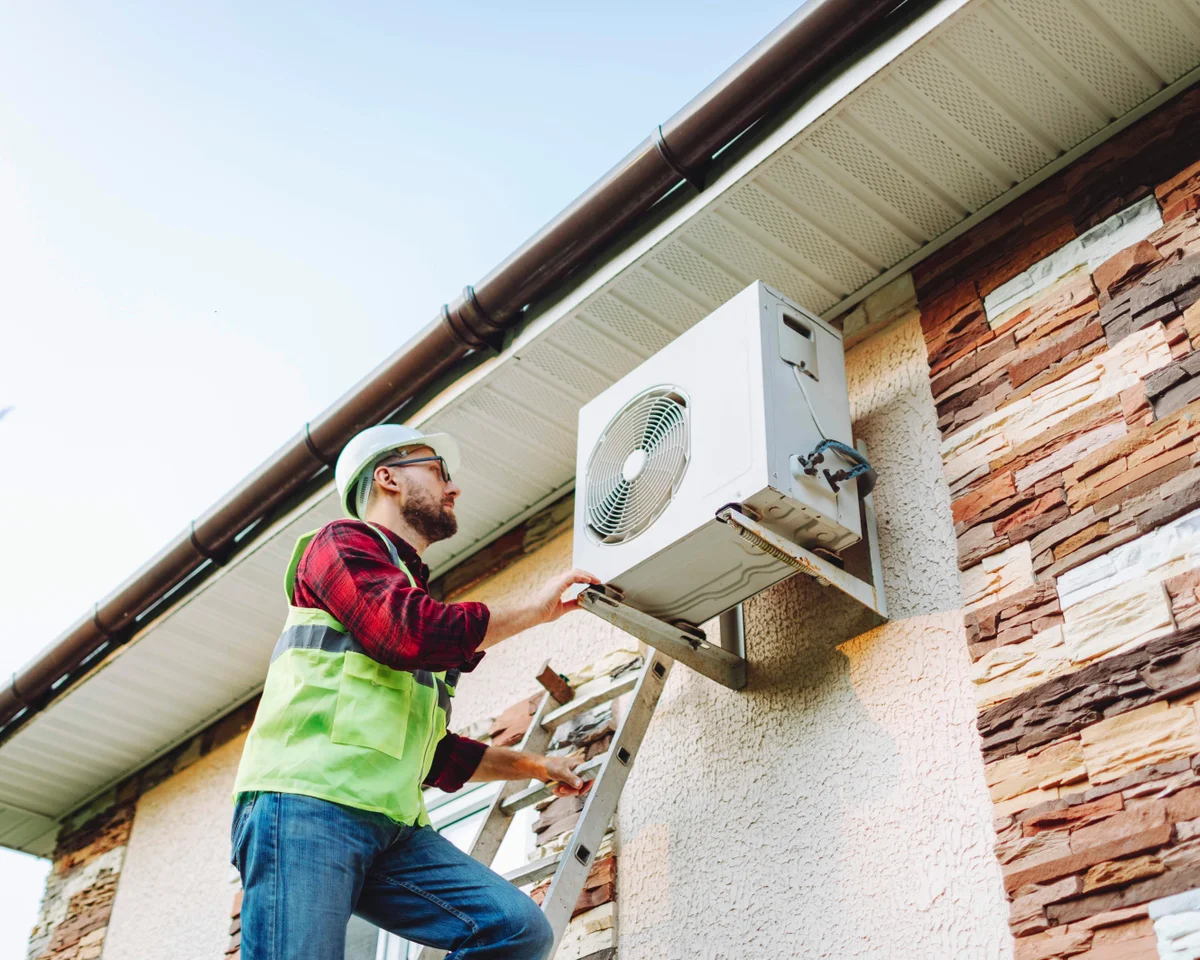
The government has confirmed there will be no immediate ban on gas boilers under its flagship warm homes strategy, easing household concerns while accelerating support for cleaner heating. The decision sits at the heart of the £15 billion programme, which aims to modernise millions of properties and cut energy bills nationwide. Central to the plan is a significant financial commitment to the warm homes plan, a policy framed as both an economic intervention and a climate measure. Ministers argue the approach balances affordability with ambition, offering incentives rather than rigid deadlines for households still reliant on fossil fuels.
The warm homes plan is designed to overhaul around five million homes across the UK, representing the largest public investment ever made in domestic energy efficiency. Officials estimate that participating households could reduce annual energy costs by up to £1,000, a saving that could reshape family budgets during a prolonged cost of living squeeze. Rather than imposing a phaseout date for gas boilers, the government has opted to prioritise insulation, renewable technologies, and financial support for heat pump installations.
Energy Secretary Ed Miliband described the policy as an inclusive transition, insisting clean energy must benefit every household rather than a select few. He pointed to record demand for solar panels and heat pumps, suggesting consumer interest is rising when financial barriers are lowered. According to Miliband, the warm homes plan will lift around one million people out of fuel poverty, while extending loans and grants to millions more. He framed the programme as evidence of a reforming government willing to invest directly in people’s living standards.

At the core of the plan is £2.7 billion allocated to expanding heat pump adoption through an enhanced boiler upgrade scheme. Households replacing gas boilers can access grants of up to £7,500, significantly reducing upfront costs. Additional funding targets insulation improvements, solar panels, battery storage, and low-carbon heat networks. These measures aim to tackle inefficiencies that leave millions of homes cold, damp, and expensive to heat.
Another pillar of the warm homes plan focuses on targeted support for low-income households. Around £5 billion has been set aside for upgrades in poorer communities, ensuring the benefits of cleaner energy are not limited by income. Ministers argue that better-insulated homes not only reduce bills but also improve health outcomes, easing pressure on the NHS. Research has long linked cold housing to respiratory illness, cardiovascular problems, and mental health stress.
Beyond grants, the government plans to introduce low-cost loans worth £2 billion for households able to contribute financially. Innovative financing, including green mortgages offering lower interest rates for energy-efficient homes, will receive £2.7 billion through a dedicated warm homes fund. Support for heat networks, funded at £1.1 billion, will expand shared heating systems powered by large heat pumps or geothermal sources. Devolved administrations in Scotland, Wales, and Northern Ireland will also receive dedicated funding to tailor programmes locally.
Campaigners against fuel poverty have cautiously welcomed the announcement. Simon Francis of the End Fuel Poverty Coalition said the warm homes plan could finally become the catalyst needed to transform the coldest homes in Britain. He stressed that prioritising those in deepest need would save lives, reduce healthcare costs, and permanently lower energy bills. Official figures show fuel poverty in England was expected to reach nearly 2.8 million households by 2025, highlighting the urgency of intervention.
The scale of the challenge remains substantial. Analysis suggests as many as 9.6 million homes across the UK are poorly insulated, leaving residents vulnerable to volatile energy prices. Household energy debt reached a record £4.43 billion by mid-2025, despite wholesale price reductions. For many families, arrears accumulated during the energy crisis continue to weigh heavily on finances, reinforcing the importance of structural solutions rather than temporary subsidies.
Landlords will face stricter obligations under the warm homes plan, with minimum energy efficiency standards enforced in the private rental sector. Ministers argue tenants have a right to warm, safe, and affordable housing, a stance welcomed by housing charities. Previous attempts to strengthen standards were delayed, but the government now insists reform is essential to address entrenched inequality. Improved rental efficiency could benefit millions who lack control over property upgrades.
Industry leaders have also reacted positively, seeing the policy as a long-awaited signal of stability. The UK has lagged behind European neighbours in heat pump deployment, partly due to inconsistent policy and high upfront costs. Greg Jackson, founder of Octopus Energy, said the plan could make clean heating cheaper and more attractive. He argued that combining solar panels, batteries, and heat pumps often delivers dramatic savings, especially when supported by accessible finance.
The construction and trades sector is expected to benefit from increased demand for skilled installers. Checkatrade chief executive Jambu Palaniappan described the warm homes plan as a significant moment for tradespeople nationwide. Training and workforce expansion will be crucial if installation targets are to be met. The government aims for around 450,000 heat pump installations annually by 2030, below earlier expert recommendations but still a substantial increase.
Not everyone is convinced the incentives will be sufficient. Environmental groups warn that avoiding a clear deadline for gas boiler replacement could slow emissions reductions. Mike Childs of Friends of the Earth questioned whether a “carrots not sticks” approach would deliver change at the required pace. He argued grants remain too small for low-income households and called for reforms to electricity pricing to make clean heating more competitive.

Policy analysts suggest the government is prioritising public consent after fierce political debate over proposed boiler bans. Opposition attacks framed earlier proposals as costly and intrusive, creating anxiety among homeowners. By shelving a ban, ministers hope to build confidence while gradually shifting behaviour through financial incentives. Critics counter that delaying firm action could push pressure onto other sectors, such as transport or aviation, to meet climate targets.
Thinktank E3G has emphasised the importance of affordability before regulation. Ed Matthew argued that zero-interest loans, removal of levies on electricity bills, and consistent installation standards must come first. Once heat pumps become the financially rational choice, he said, public support for stronger regulation would follow naturally. Until then, the warm homes plan represents a pragmatic compromise between ambition and realism.
As the policy rolls out, its success will depend on delivery as much as design. Households must navigate grants, loans, and installation processes without excessive bureaucracy. Supply chains need scaling, and skilled workers must be trained quickly. If these challenges are met, the warm homes plan could reshape Britain’s housing stock, cut emissions, and ease financial pressure on millions.
For now, the absence of a gas boiler ban offers reassurance to households wary of sudden change. At the same time, the unprecedented investment signals a clear direction of travel. Whether the warm homes plan can deliver its promise will shape the UK’s energy future for decades.
Related News:
 Water firms may avoid fines under UK water reform plan
 British Woman in Iran ‘Losing Hope’ Amid Ongoing Detention
 BBC Journalist Held and Interrogated in Vietnam
 Green Party Surges Past Labour in Latest UK Poll
 Celebrities and Charities Demand UK Government Act on Child Poverty
 Sultana says new party is aiming to ‘run government’
 Trump’s UK Ambassador Urges North Sea Drilling to Strengthen US Ties
 FBI Director Kash Patel Defends Girlfriend Amid Government Jet Claims
 Phillipson urges careful review of gender recognition guidance
 French Taxi Driver Cleared in David Lammy Theft Case After Fare Dispute
 Rachel Reeves Set to Break Labour Pledge and Raise Income Tax
 Who is Rama Duwaji? What Zohran Mamdani’s wife has said about Gaza and ICE as he’s elected NYC mayor
 MPs Press Rachel Reeves to Hike Gambling Taxes
 Met Police Culture Makes Racial Harm ‘Inevitable’
 Eleven Arrested After Pro-Palestine Protest at Villa Match
 Boris Johnson accused of undermining BBC leadership
 Remaining rebel Labour MPs have whip restored
 Cuts to home insulation funding threaten UK climate goals
 ‘Reckless’ cuts to victims’ services will cost more than they save
 BBC director-general and news chief resign amid bias row
 Millionaires group urge Reeves to introduce wealth tax to ‘lift kids out of poverty’
 Starmer Faces Growing Dissent as Labour MPs Weigh Leadership Challenge
 BBC Faces Backlash as Reform UK Withdraws from Film
 Tim Davie Defends BBC Amid Bias Scandal Storm
 Reeves rejects £1bn plea for NHS redundancy payouts
 Farage appointee to lead Reform youth accused of anti-British views
 Palace to reinstate hyphen in Andrew’s surname
 Politics latest: Starmer ‘will fight any leadership coup’ as Streeting denies attempt to oust Labour PM
 PM Condemns Leaks, Vows Loyalty to Ministers and Stability
 Major Rent Reform Ends No-Fault Evictions in England
 Peers Flood Assisted Dying Bill with 942 Amendments
 England’s Special Needs Support Faces Breaking Point
 MoD warned over Excel risks before Afghan data breach
 UK Unveils Fast-Track Deportation and Asylum Overhaul
 UK Asylum Overhaul Sparks Debate Over Human Rights and Deportations
 UK Asylum Reforms: Temporary Refugee Status and Faster Deportations
 UK Candidate Moved to Safe House After Election Threats
 Mahmood Defends Tough Overhaul of UK Asylum System
 UK Warns China After MI5 Issues Espionage Alert
 Westminster Advances Legacy Bill Amid Criticism
 Minister Defends Tough New Asylum Reform Plan
 UK Vulnerable to Attack, Defence Committee Finds
 Labour Faces Historic Decline in Wales
 Rama Rebukes Mahmood for Targeting Albanian Families
 Russian Vessel Used Lasers on RAF Pilots, UK Claims
 PM Shares Emotional Letter to Son on Men’s Struggles
 MP Offers Seat to Help Burnham Challenge Starmer
 PM Highlights UK Business at G20 in South Africa
 Kate Forbes: Motherhood Harder Than Politics
 Welsh Government Christmas 2020 Lockdown Criticised
Reeves to Crack Down on Benefit Fraud While Lifting Two-Child Limit
Welsh Government Christmas 2020 Lockdown Criticised
Reeves to Crack Down on Benefit Fraud While Lifting Two-Child Limit
 BBC to Expand Standards Panel and Create Deputy Director Role
 Most Tories Expect to Support a Farage-Led Government
 Labour MP claims devolution bill is ‘blatant discrimination’ against Cornwall
 English Mayors Set to Introduce Tourist Taxes
 Millions Face Higher Taxes Under Reeves New Budget
 Peers Get Extra Time to Debate Assisted Dying Bill
 Planned Palestinian Flag Raising at Belfast City Hall Faces Delay Amid Legal Concerns
 Government righting decades-old injustice for miners
 “Enough is Enough”: Local MP Vows to Fight Rainham Quarry Plans
 Starmer Says Labour’s Economic Plan Needs Years to Deliver
 UK delays ruling on China embassy plan until January
 Culture secretary to review Telegraph takeover by Daily Mail owner
 Andy Burnham Apologises for Past LGBTQ+ Police Discrimination
 UK to Launch Military ‘Gap Year’ Scheme to Boost Recruitment
 Norfolk Coastal Graves at Risk as Erosion Deepens Family Anguish
 Winter plant bloom signals climate breakdown in UK
 Reeves Slams Farage Over Two-Child Benefit Cap Opposition
 Mandelson Refuses Apology Over Epstein Ties
 Storm Goretti leaves Cornwall homes without power
 Plans to Limit Jury Trials Face Retreat After Mounting Opposition
 Jenrick Reform defection deepens Tory civil war
 China Dependence Threatens UK Energy Supply Chains and Jobs
 BP’s Influence Sparks Controversy in UK STEM Education
 Right Must Unite After Jenrick Defection, Urges Rees-Mogg
 Romford MP Andrew Rosindell defects to Reform UK
 Kent Residents Continue Facing Water Supply Disruptions
 UK Ministers Drop Foreign Student Targets for Global Education Push
 MPs warn AI financial risks threaten UK stability
 MPs warn AI financial risks threaten UK stability