Published: 21 January 2026. The English Chronicle Desk. The English Chronicle Online.
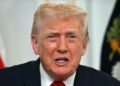
The US supreme court will hear arguments over the Trump Fed bid, testing the president’s authority to remove a sitting Federal Reserve governor. The case involves Donald Trump’s attempt to fire Lisa Cook, citing alleged discrepancies in mortgage applications, which his administration claims demonstrate misconduct. Legal experts warn that the outcome of this Trump Fed bid could redefine the balance of power between the executive branch and independent financial institutions in the United States, highlighting the constitutional limits on presidential influence over the Fed.
Trump first pursued Cook’s removal last August, arguing that she misrepresented several properties to secure favourable mortgage terms. A federal court blocked the action, allowing her to remain on the Fed’s rate-setting board. The supreme court will now consider whether the president may dismiss a sitting Fed governor without explicit cause, a question with historical and economic importance.

Meanwhile, the Department of Justice has launched a separate criminal investigation into Fed chairman Jerome Powell, drawing criticism from legal and financial observers. The inquiry focuses on renovations to Powell’s historic office buildings, which critics argue is politically motivated because Powell resisted implementing Trump’s preferred interest rate cuts. Powell is expected to attend Wednesday’s hearing in person, underscoring the high-profile nature of the Trump Fed bid case.
Cook’s removal attempt marked a historic first, as no president had previously tried to fire a sitting Fed governor. She was appointed in 2022 as the first woman of colour on the board, with her term running until 2038. Her lawyers insist that Fed governors can only be dismissed “for cause,” and that firing her without due process would violate the Fifth Amendment.
The administration alleges that Cook committed mortgage fraud, claiming she misrepresented her primary residence to obtain better loans. Bill Pulte, a Trump ally and head of the Federal Housing Finance Agency, initially raised the accusations. Cook’s attorneys counter that the administration selectively highlighted minor discrepancies, noting that her property declarations were correct in other documents.
Beyond Cook’s case, Trump has publicly criticised Powell, calling him “a stupid person,” and privately pressured advisers to consider firing him. Economists emphasise that interfering with interest rate decisions risks destabilising markets, since the Fed’s dual mandate balances inflation and employment levels.
Last year, the Fed held eight rate-setting meetings, lowering rates at only three. Officials warned that Trump’s policies, including tariffs and mass deportations, were influencing prices and the labour market, increasing economic uncertainty. Legal analysts suggest the supreme court may provide special protections to Fed officials due to its unique quasi-private structure, potentially shielding them from arbitrary presidential dismissal.
Congress created the Fed in 1913, ensuring independence from direct political control. Its Federal Open Market Committee meets eight times yearly to set interest rates, insulating monetary policy from short-term political pressures. Economic studies show that central bank independence is essential for stabilising markets, yet Trump’s relentless public campaign demonstrates his determination to influence policy.
Historically, presidents attempting to control independent agencies have met strong judicial resistance. Last spring, justices hinted at the Fed’s unique protections in unrelated rulings involving labour officials, signalling that governors might enjoy special safeguards. Legal experts warn that the supreme court ruling on the Trump Fed bid will likely shape future presidential interactions with independent institutions.

Cook’s case now symbolises the tension between political pressure and institutional independence. Economists caution that weakening Fed authority could destabilise interest rates, inflation control, and investor confidence. The supreme court’s ruling may establish a precedent for future conflicts between presidents and quasi-independent federal agencies, affecting economic policy beyond the current administration.
The public and global markets are closely watching. Supporters argue elected officials should influence monetary policy, while critics insist preserving a nonpartisan central bank is vital. Supreme court deliberations are expected to examine historical precedent, statutory interpretation, and the separation of powers, with implications for the federal system.
Ultimately, this case highlights the limits of executive power. Whether Trump succeeds or fails, the Trump Fed bid represents a defining moment in American governance, testing constitutional safeguards and the independence of critical financial institutions. The supreme court’s decision will resonate far beyond the immediate dispute, shaping US economic and political dynamics for years to come.
Related News:
 Government Unveils Northern Powerhouse Rail Plans
 Tories Push to Dilute Labour’s Workers’ Rights Bill
 Wales May Introduce Four-Day Work Week After Elections
 Trump’s UK Ambassador Urges North Sea Drilling to Strengthen US Ties
 Rachel Reeves Set to Break Labour Pledge and Raise Income Tax
 Thinktanks Urge Rachel Reeves to Reform UK Tax System
 Company linked to Michelle Mone owes £39m in tax
MPs Press Rachel Reeves to Hike Gambling Taxes
Company linked to Michelle Mone owes £39m in tax
MPs Press Rachel Reeves to Hike Gambling Taxes
 Cuts to home insulation funding threaten UK climate goals
 Millionaires group urge Reeves to introduce wealth tax to ‘lift kids out of poverty’
 Canada Passes Carney’s First Budget in Tight Parliamentary Vote
 PM Highlights UK Business at G20 in South Africa
 English Mayors Set to Introduce Tourist Taxes
 Putin Intensifies Territorial Demands Before US Talks
 US National Guard Member Killed in DC Shooting
 India’s Labour Law Overhaul Sparks Fierce Debate
 Trump to Recheck Green Cards from 19 Nations After DC Attack
 Carney’s Alberta Pipeline Deal Sparks Immediate Pushback
 Trump to pause migration from ‘third-world countries’
 Starmer Says Labour’s Economic Plan Needs Years to Deliver
 Republicans Hold Tennessee Seat Despite Democratic Surge
 Franklin Turtle, Sabrina Carpenter Slam US Social Media Use
BBC bosses ‘right to stick by their guns’ against Trump, says minister
Franklin Turtle, Sabrina Carpenter Slam US Social Media Use
BBC bosses ‘right to stick by their guns’ against Trump, says minister
 Closer EU Trade Ties ‘Strategic Necessity’ for UK Firms
 Russia losses Ukraine war peace talks intensify amid rising deaths
 Trump Escalates Minnesota Immigration Surge Amid Rising Tensions
 Austrian Airlines Halts Tehran Flights Amid Political Unrest
 Homeland security agents deployed amid Minneapolis protests
 Democrats Push Affordability to Challenge Trump Ahead of Votes
 German Supermarket Aldi to Open 180 US Stores This Year
 Top Senate Republican Says Federal Probe of Powell Could Challenge Fed Nominees
 Trump Administration Probe of Fed’s Powell Draws Pushback
 Starmer links foreign trips to tackling cost of living crisis
 Greenland Faces Pivotal Summit Over Arctic Power Struggle
 Mark Carney Walks Diplomatic Tightrope on China Visit
 Trump Threatens Strong Action If Iran Executes Protesters
 China Dependence Threatens UK Energy Supply Chains and Jobs
 Trump press secretary attacks reporter over ICE question
 Kyrsten Sinema Faces High-Profile Lawsuit Over Marriage Interference
 Trump Receives Machado’s Nobel Medal in White House Meeting
 ‘He Believed Help Was Coming’: Why Iran’s Protesters Feel Betrayed
 MPs warn AI financial risks threaten UK stability
 MPs warn AI financial risks threaten UK stability
 Chancellor Rachel Reeves Pushes for Sweeping Changes to Environmental Protections to Accelerate Development
 Kemi Badenoch Unveils ‘Golden Rule’ to Halve Spending Cuts for Deficit Reduction at Tory Conference
 Reeves Faces Setback as Labour May Miss Homes Target
 Virgin Trains Moves Closer to Challenging Eurostar Monopoly
 Green Party Surges Past Labour in Latest UK Poll
 Army Officers Orders to Cut Ties with Men-Only Clubs
 Ryanair Chief UK Economy ‘Doomed’ Under Labour
 French Taxi Driver Cleared in David Lammy Theft Case After Fare Dispute
M&S Profits More Than Halve After Cyber-Attack
French Taxi Driver Cleared in David Lammy Theft Case After Fare Dispute
M&S Profits More Than Halve After Cyber-Attack
 Labour immigration crackdown could cost UK £4.4bn
BBC to Apologise Over Edited Trump Speech Amid Backlash
Labour immigration crackdown could cost UK £4.4bn
BBC to Apologise Over Edited Trump Speech Amid Backlash
 Britain deploys RAF specialists to assist Belgium with drone threats
 Starmer Faces Growing Dissent as Labour MPs Weigh Leadership Challenge
 From Lego to Pokémon: How Adults Are Driving UK Toy Market Growth
 Reeves rejects £1bn plea for NHS redundancy payouts
 PM Condemns Leaks, Vows Loyalty to Ministers and Stability
 Major Rent Reform Ends No-Fault Evictions in England
 Senator John Fetterman Hospitalized After Fall from Heart Flare-Up, Keeps Sense of Humor
 Greene Pushes Epstein Files Amid Trump Fallout
 Trump Deploys DHS to Charlotte in Major Arrest Operation
 December Run-Off in Chile as Election Produces No Winner
 Shadow Fleet at Sea: Europe’s Battle Against Illicit Oil Shipping
 Most Tories Expect to Support a Farage-Led Government
 Two National Guard Soldiers Critically Injured Near White House
 Georgians Defy Government Crackdown After Year of Protests
 ICC to Rule on Duterte’s Provisional Release
 American Mother Extradited From UK to U.S. on Murder Charges
 Khaleda Zia Death in Bangladesh: First Female PM Dies at 80
 FTSE 100 Hits 10,000: UK Market Celebrates Record Year
 Albanese Opens Door to Bondi Royal Commission Amid Rising Pressure
 Minnesota Sues Trump Administration Over ICE Surge
 US Clears Nvidia AI Chip Sales to China in Policy Shift
 US Senate rejects resolution limiting Trump military powers
 EU weighs response amid Greenland tariff crisis with Trump
 UK Ministers Drop Foreign Student Targets for Global Education Push
 No Gas Boiler Ban as UK Warm Homes Plan Backs Heat Pumps
 Shinzo Abe’s killer receives life sentence in Japan