Published: 28 January 2026. The English Chronicle Desk. The English Chronicle Online.
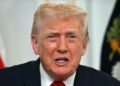
The US dollar has plunged to its lowest level in four years, shaking global markets and prompting investors to seek traditional safe havens like gold and the Swiss franc. Market watchers note that the dollar’s sharp decline has intensified following President Donald Trump’s dismissal of concerns regarding the currency’s slide. Speaking in Iowa, Trump insisted that the falling dollar “is great” and claimed that US business remained strong, despite mounting evidence of market turbulence.
This significant dollar drop, marking a cumulative 10% decline over the past year, came after a 1.3% fall against a basket of major currencies on Tuesday, followed by a further 0.2% slide on Wednesday morning. Experts warn that this trend reflects both geopolitical uncertainties and domestic policy instability, with unpredictable moves including Trump’s threats of territorial acquisitions and additional tariffs.

Investors have increasingly turned to the Swiss franc, which reached its highest level against the dollar in over a decade, reinforcing its reputation as a resilient store of value. The euro has also strengthened, climbing to $1.20 against the dollar, recording its biggest weekly gain since April of last year. Market strategists observe that a weaker dollar benefits multinational companies earning overseas revenue, but simultaneously raises the cost of imported goods, potentially fueling domestic inflation.
Gold prices have surged alongside the dollar’s decline, breaking $5,200 (£3,770) per ounce. This represents a remarkable 90% increase since Trump’s second inauguration, highlighting investor preference for tangible assets amid political and economic uncertainty. Analysts suggest that continued dollar weakness may drive gold and other safe-haven investments even higher in the coming months.
Concerns about the dollar’s trajectory are compounded by pressure on the Federal Reserve. Despite Trump’s public calls for interest rate cuts, the Fed is expected to maintain rates during its first announcement of 2026. The president’s criticism of Chair Jerome Powell, whom he has threatened to remove, adds a layer of political uncertainty to US monetary policy. Powell’s term is due to expire in May, potentially introducing further volatility should a new appointment follow the upcoming decision.
Financial commentators emphasize that the dollar’s decline carries broad implications. It may assist American companies with foreign operations, as overseas revenue converts advantageously into weaker dollars. However, the same trend increases the cost of imported goods, affecting consumer prices and adding complexity to the US inflation outlook. Investors are therefore watching currency movements closely, balancing gains in overseas revenue against potential domestic cost pressures.
 The dollar’s fall reflects a combination of internal political pressures, an expansive US debt burden, and a volatile global environment. Analysts caution that further weakness is plausible if uncertainty surrounding presidential influence on economic policy persists. Multinational corporations, currency traders, and global investors are all adapting to an environment in which the US dollar no longer commands the same dominance it held just a few years ago.
As the Swiss franc and euro reach multi-year highs against the US dollar, and gold continues to climb, market participants are recalibrating their strategies. The dollar’s trajectory will remain central to decisions in international finance, trade, and investment, with global economies closely monitoring how domestic political developments impact the greenback’s performance.
In conclusion, the US dollar’s slide to a four-year low underlines the intricate connections between political actions, economic policy, and investor sentiment. Safe-haven assets such as gold and the Swiss franc have become critical refuges for capital, while multinational businesses consider how to leverage currency fluctuations. Analysts suggest that the coming months could see continued volatility, with investors maintaining heightened vigilance as the United States navigates both domestic challenges and global financial pressures.
Related News:
 Reeves Faces Setback as Labour May Miss Homes Target
 Virgin Trains Moves Closer to Challenging Eurostar Monopoly
 UK Small Business Owner to Challenge L’Oréal in Tribunal
 Trump’s UK Ambassador Urges North Sea Drilling to Strengthen US Ties
 150-Year-Old Arctic Beer to Be Reborn in Scotland
 Ryanair Chief UK Economy ‘Doomed’ Under Labour
 Court Hears Challenge Over Water Bills Funding Sewage Fixes
 ABF May Split Primark from Food Division Amid Tough Market
 Rachel Reeves Set to Break Labour Pledge and Raise Income Tax
 UPS Cargo Plane Crash in Kentucky Kills Seven
 M&S Profits More Than Halve After Cyber-Attack
 Tony Blair think tank warns Rachel Reeves must cut taxes if manifesto broken
 Oprah enjoys Meghan’s jam on English muffins
 MPs Press Rachel Reeves to Hike Gambling Taxes
 Earl of Yarmouth Faces £1.3m Legal Bill Over Family Estate
 North Sea oil workers must lose weight or face job loss
 Cuts to home insulation funding threaten UK climate goals
 Warning as Britons prepare to spend £4 billion this Black Friday
 Millionaires group urge Reeves to introduce wealth tax to ‘lift kids out of poverty’
 From Lego to Pokémon: How Adults Are Driving UK Toy Market Growth
 Borough Market Clash Sparks Influencer Backlash
 UK toy market enjoys bumper year as ‘kidults’ fuel demand
 New laws to bolster UK’s defences against cyber attacks on NHS, transport and energy
 Skims Eyes Global Expansion After Reaching $5 Billion Value
 US Strikes Last Penny After 230 Years of Production
 Switzerland Rolls Out Charm Offensive to Cut Trump’s 39% Tariffs
 Trump Moves to Cut Coffee and Banana Tariffs in Latin America Deals
 Reeves’s Tax U-Turn Triggers Fresh Jitters in UK Markets
 Global markets drop amid tech sell-off and China slowdown
 Canada Passes Carney’s First Budget in Tight Parliamentary Vote
 UK Rejects Funding to Save Mossmorran Plant
 Nvidia Soars as Blockbuster Earnings Silence AI Bubble Fears
 PM Highlights UK Business at G20 in South Africa
 Mossmorran Plant Closure Hits Cowdenbeath Hard
 UK Energy Bills to Rise Slightly in January
 UK Taskforce Unveils Plan to Streamline Nuclear Reactor Rules
 Steel billionaire Lakshmi Mittal reportedly leaves UK
 Minister Denies Budget Leaks Have Harmed UK Economy
 English Mayors Set to Introduce Tourist Taxes
 India’s Labour Law Overhaul Sparks Fierce Debate
 Carney’s Alberta Pipeline Deal Sparks Immediate Pushback
 EU reviews Apple Ads and Maps under strict digital rules
 Starmer Says Labour’s Economic Plan Needs Years to Deliver
 Virgin Media Fined £23.8m Over Telecare Safety Failures
 Rising Water Bills Lift Troubled Thames Back to Profit
 Tesla Warns UK That Weak EV Rules Could Threaten Sales
 Prada buys Versace for $1.38bn, expanding luxury fashion empire
 Bet365 Boss Nets £280m Despite Profit Drop
 BP agrees £7.4bn Castrol sale to US investment firm
 Sainsbury’s CEO leads business honours in New Year list
 FTSE 100 Hits 10,000: UK Market Celebrates Record Year
 UK House Prices Fall Sharply at Year-End, Nationwide Reports
 UK Car Sales Pass 2 Million as Chinese Brands Surge
 Starmer Faces Parliamentary Battles Over UK-EU ‘Reset’ Plan
 Wessex Water chiefs receive £50,000 extra despite government bonus ban
 Austrian Airlines Halts Tehran Flights Amid Political Unrest
 3,000 Jobs at Risk Without UK Helicopter Order
 German Supermarket Aldi to Open 180 US Stores This Year
 Starmer links foreign trips to tackling cost of living crisis
 Government Unveils Northern Powerhouse Rail Plans
 China Dependence Threatens UK Energy Supply Chains and Jobs
 Canada-China trade gains momentum in new strategic partnership
 UK property market rebounds with biggest January asking price rise
 ScottishPower Tops List of Worst UK Energy Suppliers
 Markets Slide As Gold Rally Signals Risk From Trump Greenland Tariff Plan
MPs warn AI financial risks threaten UK stability
Markets Slide As Gold Rally Signals Risk From Trump Greenland Tariff Plan
MPs warn AI financial risks threaten UK stability
 MPs warn AI financial risks threaten UK stability
 UK Eyes Global Investment with Visa Fee Refunds
 City & Guilds pay surge sparks backlash amid £22m cuts
 UK Inflation Hits 3.4% in December, Ending Five-Month Decline
 Trump Fed bid heads to Supreme Court
 Starmer Plans UK-China Visit Amid Business and Diplomatic Goals
 UK Government Borrowing Drops to £11.6bn in December
 B&M and The Works Struggle During Christmas Trading
 ‘Black Tax’: Burden, Pride and Survival for African Workers
 UK Disposable Income Growth Transforms Eleven Towns and Cities
 AI job losses UK: Britain faces sharper employment shock
 UK AI avatar firm Synthesia valuation jumps to $4bn
 Most young adults in UK fear uncertain jobs and economic future
 India-EU Free Trade Deal Marks Historic Economic Shift