Published: 29 January 2026. The English Chronicle Desk. The English Chronicle Online.
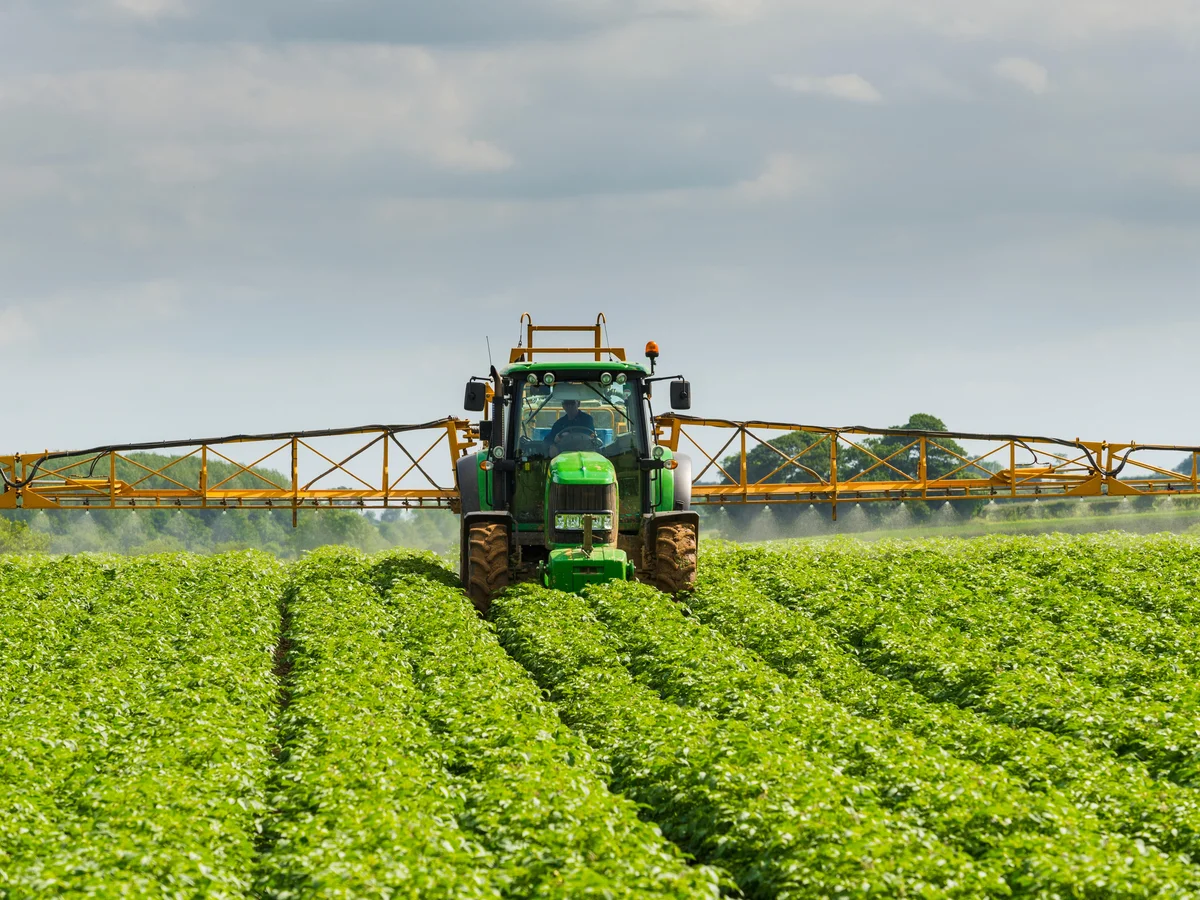
The UK food industry has urged the government to introduce a transition period if it realigns post-Brexit agriculture rules with the EU. Officials warned that immediate regulatory changes could create a “cliff edge” costing UK businesses between £500 million and £810 million annually. The call for a UK food transition has quickly become central to discussions, as farmers and food producers face potential trade barriers with Europe. David Bench, chief executive of Croplife, stressed that without a phased approach, the consequences could be severe for growers and suppliers across the country.
The warning follows comments from the National Farmers’ Union (NFU), highlighting that British oats used in cereals, snack bars, meatballs, and plant-based products might become unsellable in the EU. For the past five years, UK farmers have been allowed to use certain fungicides not yet approved in the EU. Realignment of these rules, they argue, must consider existing stock and seasonal crops. The industry fears that abrupt changes would threaten farm incomes and reduce competitiveness in European markets.

The UK-EU reset, aimed at removing trade barriers and cutting supermarket prices, remains a high priority. According to the parliamentary trade select committee, extra bureaucracy from post-Brexit divergence has cost the UK £8.4 billion, with goods exports down 18% over five years and food and drink down 24%. Officials now stress that any regulatory changes must avoid further damaging trade flows, underscoring the need for a carefully managed UK food transition.
Technical discussions on a new sanitary and phytosanitary (SPS) agreement have recently started between the UK and EU, following a “reset” summit last May between Prime Minister Keir Starmer and European Commission President Ursula von der Leyen. The SPS agreement is expected to simplify customs procedures, but industry groups argue a phased approach is essential. Without it, crops grown under 2026 UK rules could be unsellable in the EU if the agreement takes effect in 2027, highlighting the urgency of a smooth UK food transition.
Transport companies have also reported severe disruptions caused by Brexit paperwork. One logistics manager told the trade committee that a truck carrying frozen beef was held for 27 days in Calais due to missing certificates. Such examples underscore how abrupt regulatory changes could exacerbate existing supply chain issues, increasing costs and delays across the food sector.
Croplife commissioned the Andersons Centre to evaluate the impact of aligning with EU rules. The report concluded that the UK has maintained legal, scientific, and technical standards largely equivalent to the EU, having adopted EU legislation wholesale after Brexit. However, divergence in plant protection regulations has emerged. Britain has approved four pesticides and herbicides not yet authorized by the EU, creating potential compliance conflicts for exporters.
Industry leaders argue the government has not adequately engaged with the food sector on this transition. They fear secrecy and a lack of consultation could worsen the economic impact of a sudden rules reset. Bench warned that a “cliff-edge scenario” would heavily impact British growers, particularly at a time when farm profitability is under increasing pressure. He said, “Phasing in regulatory alignment over at least a year is essential to avoid devastating consequences,” reinforcing the call for a UK food transition.
Both Croplife and the NFU insist that any realignment must follow a gradual process similar to Brexit’s phased approach. Extending the transition period beyond a single year could provide farmers, exporters, and processors sufficient time to adapt. With food prices already under scrutiny and EU export markets vital for UK agriculture, industry leaders argue that careful planning is essential to secure both domestic supply chains and international trade relationships.

The government faces mounting pressure to address these concerns before formal SPS agreements are concluded. Stakeholders are calling for a framework that balances regulatory harmonization with practical flexibility. Failure to implement a considered transition period could risk undermining years of progress in trade relations with the EU and destabilize farm incomes across the UK.
Industry analysts note that a structured approach would allow businesses to adjust operationally while meeting both UK and EU regulatory requirements. This approach could prevent market disruptions and safeguard consumer confidence in British food products. With negotiations ongoing, the food sector remains vocal in advocating for policies that ensure stability, minimize economic shocks, and maintain long-term competitiveness.
As talks continue in London, the message from the UK food industry is clear: a well-managed UK food transition is essential. Without careful planning, the consequences could reverberate through the agricultural sector, food supply chains, and ultimately, consumers’ access to affordable, high-quality produce.
Related News:
 Tories Push to Dilute Labour’s Workers’ Rights Bill
 Wales May Introduce Four-Day Work Week After Elections
 Trump’s UK Ambassador Urges North Sea Drilling to Strengthen US Ties
 Rachel Reeves Set to Break Labour Pledge and Raise Income Tax
 Thinktanks Urge Rachel Reeves to Reform UK Tax System
 Company linked to Michelle Mone owes £39m in tax
MPs Press Rachel Reeves to Hike Gambling Taxes
Company linked to Michelle Mone owes £39m in tax
MPs Press Rachel Reeves to Hike Gambling Taxes
 Cuts to home insulation funding threaten UK climate goals
 Millionaires group urge Reeves to introduce wealth tax to ‘lift kids out of poverty’
 Canada Passes Carney’s First Budget in Tight Parliamentary Vote
 PM Highlights UK Business at G20 in South Africa
 English Mayors Set to Introduce Tourist Taxes
 India’s Labour Law Overhaul Sparks Fierce Debate
 Carney’s Alberta Pipeline Deal Sparks Immediate Pushback
 Starmer Says Labour’s Economic Plan Needs Years to Deliver
BBC bosses ‘right to stick by their guns’ against Trump, says minister
Starmer Says Labour’s Economic Plan Needs Years to Deliver
BBC bosses ‘right to stick by their guns’ against Trump, says minister
 Closer EU Trade Ties ‘Strategic Necessity’ for UK Firms
 Austrian Airlines Halts Tehran Flights Amid Political Unrest
 Starmer links foreign trips to tackling cost of living crisis
 Mark Carney Walks Diplomatic Tightrope on China Visit
 Government Unveils Northern Powerhouse Rail Plans
 China Dependence Threatens UK Energy Supply Chains and Jobs
 MPs warn AI financial risks threaten UK stability
 MPs warn AI financial risks threaten UK stability
 Trump Fed bid heads to Supreme Court
 Starmer Plans UK-China Visit Amid Business and Diplomatic Goals
 UK Government Borrowing Drops to £11.6bn in December
 Labour Must Revive High Streets to Avoid Election Collapse
 Keir Starmer meets Xi to strengthen UK-China economic relations
 Chancellor Rachel Reeves Pushes for Sweeping Changes to Environmental Protections to Accelerate Development
 Kemi Badenoch Unveils ‘Golden Rule’ to Halve Spending Cuts for Deficit Reduction at Tory Conference
 Reeves Faces Setback as Labour May Miss Homes Target
 Virgin Trains Moves Closer to Challenging Eurostar Monopoly
 Green Party Surges Past Labour in Latest UK Poll
 Army Officers Orders to Cut Ties with Men-Only Clubs
 Ryanair Chief UK Economy ‘Doomed’ Under Labour
 French Taxi Driver Cleared in David Lammy Theft Case After Fare Dispute
M&S Profits More Than Halve After Cyber-Attack
French Taxi Driver Cleared in David Lammy Theft Case After Fare Dispute
M&S Profits More Than Halve After Cyber-Attack
 Labour immigration crackdown could cost UK £4.4bn
BBC to Apologise Over Edited Trump Speech Amid Backlash
Labour immigration crackdown could cost UK £4.4bn
BBC to Apologise Over Edited Trump Speech Amid Backlash
 Britain deploys RAF specialists to assist Belgium with drone threats
 Starmer Faces Growing Dissent as Labour MPs Weigh Leadership Challenge
 From Lego to Pokémon: How Adults Are Driving UK Toy Market Growth
 Reeves rejects £1bn plea for NHS redundancy payouts
 PM Condemns Leaks, Vows Loyalty to Ministers and Stability
 Major Rent Reform Ends No-Fault Evictions in England
 Senator John Fetterman Hospitalized After Fall from Heart Flare-Up, Keeps Sense of Humor
 Greene Pushes Epstein Files Amid Trump Fallout
 Trump Deploys DHS to Charlotte in Major Arrest Operation
 December Run-Off in Chile as Election Produces No Winner
 Shadow Fleet at Sea: Europe’s Battle Against Illicit Oil Shipping
 Most Tories Expect to Support a Farage-Led Government
 Georgians Defy Government Crackdown After Year of Protests
 US National Guard Member Killed in DC Shooting
 ICC to Rule on Duterte’s Provisional Release
 Virgin Media Fined £23.8m Over Telecare Safety Failures
 Khaleda Zia Death in Bangladesh: First Female PM Dies at 80
 Russia losses Ukraine war peace talks intensify amid rising deaths
 FTSE 100 Hits 10,000: UK Market Celebrates Record Year
 Albanese Opens Door to Bondi Royal Commission Amid Rising Pressure
 Trump Escalates Minnesota Immigration Surge Amid Rising Tensions
 Iran Protesters Defy Crackdown as Violent Clashes Intensify
 Homeland security agents deployed amid Minneapolis protests
 Trump Threatens Strong Action If Iran Executes Protesters
 US Senate rejects resolution limiting Trump military powers
 Machado Trump medal gesture reshapes Venezuela power struggle
 Right Must Unite After Jenrick Defection, Urges Rees-Mogg
 EU weighs response amid Greenland tariff crisis with Trump
 UK Ministers Drop Foreign Student Targets for Global Education Push
 No Gas Boiler Ban as UK Warm Homes Plan Backs Heat Pumps
 Shinzo Abe’s killer receives life sentence in Japan
 Sussan Ley leadership milestone shakes Liberal future
 EU Says US Ties Have Suffered ‘Big Blow’ After Greenland Crisis
 Andrew Hastie Emerges as Leadership Rival to Ley
 Satire Can Skewer Trump, But It Won’t Save Democracy
 Police response times face strict new national limits
 Labour policing overhaul sparks fears over growing central control
 Starmer warns of toxic division politics in Reform challenge
 US Dollar Hits Four-Year Low Amid Market Turmoil
 Amazon mistakenly signals new global layoffs to employees