Published: 29 January 2026. The English Chronicle Desk. The English Chronicle Online.
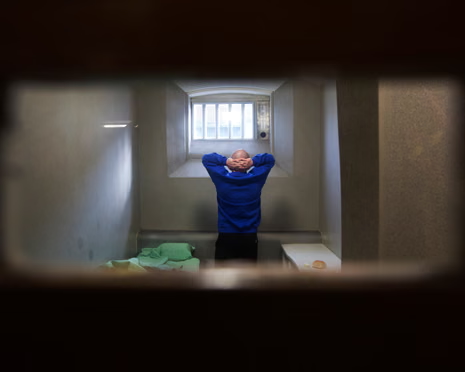
Record prison recalls are rising sharply in England and Wales, with official figures showing unprecedented increases. The Prison Officers’ Association (POA) warns that many offenders deliberately breach probation terms to re-enter jail, often to traffic drugs within the prison system. Recent data indicates that as many as 5,000 men were recalled in December alone, representing over a third of all releases for the year ending June 2025. Union leaders emphasize the urgent need for stricter measures and robust supervision to address this ongoing challenge.
The surge in prison recalls has been partly attributed to early release schemes introduced to reduce overcrowding in prisons. Under these policies, prisoners convicted of less serious crimes can be freed after serving just 40% of their sentence, down from 50%. From the autumn, even earlier release will be possible, with some prisoners eligible after completing a third of their term. POA national chair Mark Fairhurst highlighted that many recalled prisoners intentionally reoffend, returning to prison to exploit the lucrative illicit drug market inside facilities. “HMPPS must ensure recalled offenders receive their basic entitlements and nothing more,” he stressed, warning that failure to enforce austere regimes allows criminal activity to continue.

The population of recalled prisoners has more than doubled over the past seven years, rising from roughly 6,300 in June 2018 to 13,500 in June 2025. This growth is exacerbating the ongoing crisis in England and Wales’ overcrowded prison system. The latest quarterly statistics, due to be published soon, are expected to show a further increase for the three months ending September 2025. Analysis shows that over half of recalls relate to non-compliance with licence conditions, such as failure to maintain contact with probation officers or reside in approved premises, while approximately 20% are associated with new criminal charges.
Probation officers face unprecedented workloads, managing more than 240,000 people across the community, including higher-risk former prisoners. Napo national official Tania Bassett argued that the staffing crisis contributes directly to prison recalls. “Probation is under severe pressure, and officers often recall offenders because they lack capacity to provide proper engagement,” she said, emphasizing systemic strain. The growing demands on probation services reflect deeper structural challenges, highlighting the need for urgent investment in resources and workforce expansion.
Drug trafficking within prisons continues to fuel public concern, with a report by the prisons watchdog in October revealing that prisoners can easily access a wide range of substances, sometimes at a hundredfold markup compared to street prices. Experts warn that without stricter oversight, these trends may continue to jeopardize safety, rehabilitation, and broader community protection objectives.
Recent legislative reforms aim to address some of these issues. The Sentencing Act, which received royal assent last week, is designed to modernize prison recalls and reduce repeat incarceration. Key changes include ending short-term recalls of 14 and 28 days, with new rules allowing reoffending prisoners to be released after 56 days instead. Ministry of Justice officials stated that these reforms, combined with 14,000 additional prison places, aim to ensure punishment is effective, reduce reoffending, and enhance public safety.

Despite these measures, unions remain concerned that without stringent monitoring and appropriate rehabilitation support, recalled prisoners will continue to exploit weaknesses in the system. The delicate balance between early release, rehabilitation, and public safety remains a contentious policy area, with prison recalls reflecting both systemic pressures and strategic decisions by offenders.
Mark Fairhurst reiterated the frontline perspective, noting that many recalled prisoners are acutely aware of the benefits of returning to prison to engage in illicit activity. He called for austere management and consistent enforcement to prevent these cycles. Meanwhile, probation officials continue to face a daunting challenge, managing increasing numbers of complex cases while under-resourced and overstretched.
As England and Wales navigate this escalating crisis, policymakers and frontline staff must coordinate strategies that protect communities while enabling rehabilitation. The rising number of prison recalls underscores both the consequences of early release policies and the critical importance of robust probation and prison oversight systems. With reforms underway and additional resources being mobilized, the next phase of the system’s evolution will likely determine whether these alarming trends can be reversed.
Related News:
 Mother dies after black market weight loss injection
 Young Woman Missed 13 Times by GPs Before Bowel Cancer Diagnosis
 Peterborough Mosques Tighten Security After Attack
 It’s time to come clean on the China spy case
 Five More Prisoners Freed by Mistake in Essex Week
 Nearly 48,000 Zombie Knives Removed from UK Streets in a Year
 Prince Andrew Stripped of Title: Giuffre Family Hails Historic Moment
 UK Anti-Islamophobia Head Reports Being Refused Service Over Faith
 Afghan man charged with murder after west London knife attack
 Reform Councillor Defects to Tories Over ‘Uncomfortable’ Policies
 Metal Detectors at Stations ‘Would Make Life Impossible,’ Says Minister
 FBI Director Kash Patel Defends Girlfriend Amid Government Jet Claims
Trump Speaks on Prince Andrew’s Royal Scandal Fallout
FBI Director Kash Patel Defends Girlfriend Amid Government Jet Claims
Trump Speaks on Prince Andrew’s Royal Scandal Fallout
 Man Charged Over Cambridgeshire Train Stabbing
 Pregnant UK Teen to Be Freed from Georgian Jail
 Experts Warn on Home Birth Risks, Call for Skilled Midwives
 French Taxi Driver Cleared in David Lammy Theft Case After Fare Dispute
 UK Bans Fake Numbers: Scammers Lose Their Trick
 Just Stop Oil Protesters Convicted Amid Climate Defence Row
 Company linked to Michelle Mone owes £39m in tax
 Lammy ‘misinformed’ over Wandsworth prisoner releases
 Met Police Culture Makes Racial Harm ‘Inevitable’
 Southport Inquiry: Killer’s Parents Must Face Accountability
 British Grandmother to Return Home After Death Sentence in Bali
 Eleven Arrested After Pro-Palestine Protest at Villa Match
 Jailed UK climate protesters face extremist-style restrictions
 Boris Johnson accused of undermining BBC leadership
 Remaining rebel Labour MPs have whip restored
 Bar Council urges legal aid for all domestic abuse family cases
 Second world war veterans honoured as King leads Remembrance Sunday
 How to get help when a child goes missing – call 999 urgently
 ‘Reckless’ cuts to victims’ services will cost more than they save
 BBC Faces Backlash as Reform UK Withdraws from Film
 Madeleine McCann Suspect Forced into Woodland Hideout After Release
 Wes Streeting Denies Leadership Plot Against Starmer
 Judges to Decide Fate of Chief Constable Guilty of Contempt
 British state supplied victims to ‘worst sex offender in history’
 How age progression images help trace missing people
 Leading doctors issue warning amid ‘bad’ flu season
 UK Centres Used Risky Heart Pump Despite Safety Fears
 ‘Fever Pitch’ Screaming: Red Flags Before Sara Sharif’s Death
 Met Police Clarifies Scale of Grooming Gang Cases
 ‘Fake Admiral’ Sparks Outrage at Remembrance Event
 Criminal Gangs Pose as Truckers to Hijack UK Supply Chains
 Mum Calls for New Licence Rules After Teen Road Death
 UK Candidate Moved to Safe House After Election Threats
 Paralegal Fired After Exposé on Illegal Worker Scam
 Dan Wootton Rejects Catfishing Allegation in Court
 Mother Watches in Horror as Teen Daughter Dies on Tracks
 Serial Rapist and Former Cop Found Guilty Again
 Podcaster Faces Abuse Charges Over Controlling Behaviour
 Police Name Woman Who Died in Swindon as Murder Probe Continues
 Inside the Helpline Protecting Missing Children in the UK
 Most Tories Expect to Support a Farage-Led Government
 Swindon Counsellor Dies; Teen Arrested and Released
 Carer’s Allowance Chaos Draws Parallels With Post Office Scandal
 DWP to Reassess Hundreds of Thousands in Carer Allowance Scandal
 Gardener Guilty of Brutal Attack on Teacher Partner
 BBC Chairman Faces Scrutiny Over Bias Claims
 Ex-Classmate Accuses Farage of Dishonesty on Racism Claims
 15-Year-Old Arrested After Sheffield Shooting Leaves Teen Critical
 Inquiry Opens Into Disgraced Surgeon Eljamel Scandal
 Sudanese Family Vows to Stay After Racist Graffiti
 Ex-Brexit MEP Rejects Claim of Pro-Russia Payments
 Man Arrested Over Manchester Synagogue Terror Attack
 Twelve Prisoners Released in Error, Two Still Missing
 Kent Reform Councillors Criticised Over Political Staff Spending
 Russell Brand Faces New Sexual Offence Charges Including Rape
 Teen Misidentified in Yorkshire Crash Sparks Family’s Ordeal
 Met Police Vetting Failures Let Serial Rapists Remain
 New Documentary Examines Teen’s Zombie Knife Murder
 Woman Jailed for Life After Killing E-Bike Rider in Tragic Mistaken Identity Case
 ‘It’s a Complete Scandal’: Aristocrat’s Fight for Prison Children
 Police response times face strict new national limits
 Massive London Poundland Fire Engulfs High Street
 Paedophile Singer Ian Watkins Dies After Prison Attack
 Reeves Faces Setback as Labour May Miss Homes Target
 Kate Winslet to Narrate Film Highlighting King’s Environmental Mission
 Trump’s UK Ambassador Urges North Sea Drilling to Strengthen US Ties
 Millionaires group urge Reeves to introduce wealth tax to ‘lift kids out of poverty’