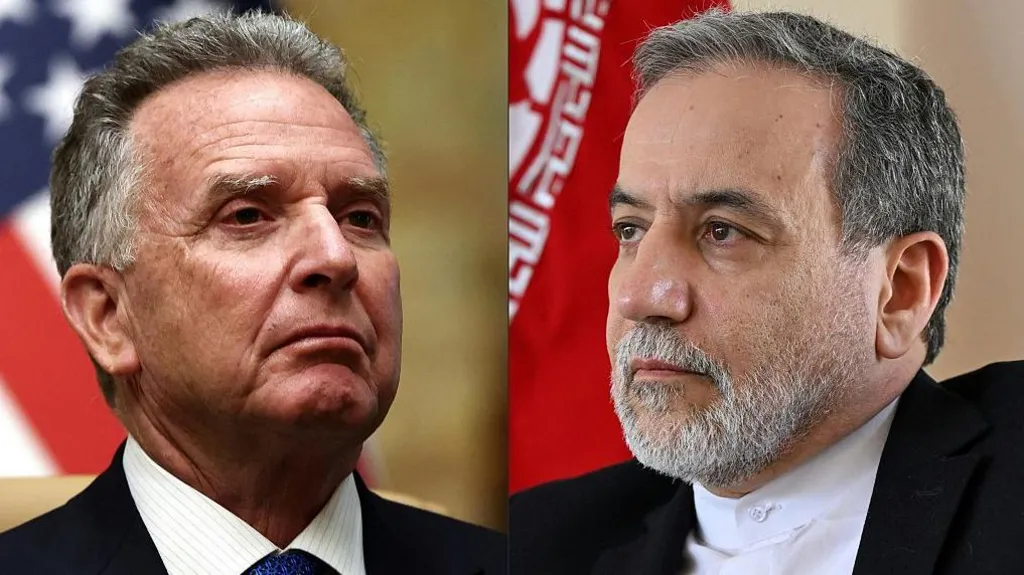
As fears of a direct military confrontation between the United States and Iran persist, US and Iran talks to begin as fears of direct conflict continue, officials confirmed on Friday, with high-stakes negotiations scheduled in Oman aimed at easing tensions over Tehran’s nuclear programme and regional behaviour.
Iranian Foreign Minister Abbas Araqchi arrived in the Omani capital of Muscat on Friday, leading Tehran’s delegation ahead of the talks with senior US diplomats including special envoy Steve Witkoff and other officials. The discussions come amid deep disagreements over the agenda and scope of negotiations, as well as a significant buildup of US military forces in the Middle East.

Diplomatic Talks Begin, But Major Disagreements Loom
The talks, widely viewed as a rare direct diplomatic engagement between Washington and Tehran in several years, are expected to focus initially on Iran’s nuclear programme — specifically its enrichment activities that have raised international concerns. The United States has urged that discussions also include Iran’s ballistic missile programme, its backing for armed groups in the Middle East, and human rights issues, but Tehran has insisted the agenda remain confined to nuclear matters.
Iran’s stance reflects longstanding foreign policy priorities: negotiating on nuclear activities while resisting what it describes as overly broad demands from Washington. Iranian officials have cautioned that negotiations “cannot work under threats,” emphasising that substantive dialogue must be grounded in mutual respect and without the backdrop of military pressure.
Rising Tensions and Military Presence
The diplomatic outreach is taking place against a backdrop of heightened tensions. The United States has sent an aircraft carrier strike group, fighter aircraft, and additional military assets to the region — a deployment that US officials say signals readiness to defend American interests but has also stoked anxiety in Tehran and across neighbouring states. President Donald Trump has stressed that while diplomacy is preferred, “military options” remain if talks collapse.
Earlier incidents, including the downing of an Iranian drone near a US naval vessel and previous strikes on Iranian nuclear infrastructure, have contributed to the sense that the situation could escalate rapidly if diplomatic overtures falter. Regional leaders have voiced concern about the risk of miscalculation.
Regional and International Reaction
Middle Eastern leaders and international partners have broadly called for restraint and de-escalation as the talks begin. The United Arab Emirates, a close ally of the United States, has urged both sides to resolve their standoff through dialogue rather than confrontation, stressing that the region cannot afford another war.
European governments and United Nations representatives have also emphasised the importance of negotiation, particularly as fears grow that a military conflict could spill over and destabilise the broader Middle East. Analysts argue that while the talks do not guarantee a breakthrough, they represent a critical opportunity to avert the worst outcomes of rising hostilities.

Stakes and What Comes Next
For Washington, success in the talks could reduce the likelihood of direct conflict, reassure allies nervous about instability, and potentially lead to agreements on limiting Iran’s nuclear ambitions in exchange for eased sanctions or other concessions. For Tehran, participation offers a chance to counter growing military pressure and avoid further international isolation — but only if negotiations proceed on terms it finds acceptable.
Even as diplomats meet, analysts caution that major obstacles remain. Iran continues to insist that its missile programme and support for regional movements are sovereign matters not open to negotiation, while the United States views such activities as destabilising. Without agreement on the agenda, talks could falter before substantial progress is made.
For now, the opening of US and Iran talks to begin as fears of direct conflict continue represents both a diplomatic opening and a reminder of how close two adversaries remain to potential confrontation. The world will be watching closely as the negotiations unfold in Muscat.
Publication Details
Published: 6 February 2026
The English Chronicle Desk
The English Chronicle Online
Related News:
 Two National Guard Soldiers Critically Injured Near White House
 Putin Intensifies Territorial Demands Before US Talks
 Trump to Recheck Green Cards from 19 Nations After DC Attack
 US Defence Chief on Drug Boat Strike: “Did Not See Survivors”
 American Mother Extradited From UK to U.S. on Murder Charges
 Russia losses Ukraine war peace talks intensify amid rising deaths
 Trump Taiwan China drills: US President Downplays Tensions
 US Venezuela protests sweep cities after intervention
 US Cities Erupt in Protests Against Trump’s Venezuela Military Action
 Trump Escalates Minnesota Immigration Surge Amid Rising Tensions
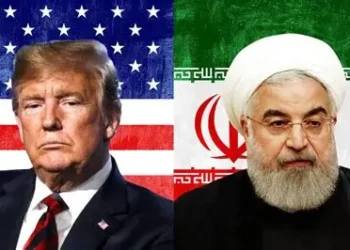 Trump: US Stands Ready to Help Iran Find Freedom Amid Widespread Unrest
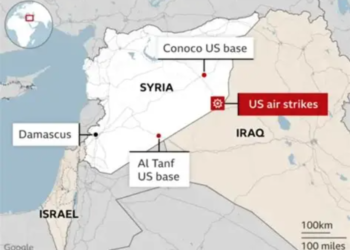 US Conducts Large-Scale Strikes Against ISIS Targets Across Syria
 Trump Says US Must ‘Own’ Greenland to Block Russia, China
 Trump Says US Will Act on Greenland ‘Whether They Like It or Not’
 Trump Weighs Response to Iran Crackdown as Tehran Says Communication Open With US
 Australia’s US Ambassador Rudd to Step Down Early
 Trump Administration Probe of Fed’s Powell Draws Pushback
 Trading Day: Trump Crosses Fed Rubicon, Market Shrugs
 Greenland Faces Pivotal Summit Over Arctic Power Struggle
 US Clears Nvidia AI Chip Sales to China in Policy Shift
 Trump Threatens Strong Action If Iran Executes Protesters
 Trump Receives Machado’s Nobel Medal in White House Meeting
 Greenland Crisis Forces Europe to Draw a Line With Trump
 Iran Cannot Be Bombed Into Democracy, Only Helped There
 Trump Aide Sparks Fury as Greenland Dispute Intensifies
 Historic Abu Dhabi Talks Bring US, Ukraine and Russia Together
 Trump Pulls Canada from His Controversial ‘Board of Peace’ Plan
 EU Says US Ties Have Suffered ‘Big Blow’ After Greenland Crisis
 Arizona border shooting leaves suspect hospitalised after agent pursuit
 Videos reveal earlier clash before Alex Pretti shooting
 Thousands Protest ICE Operations in Nationwide US Day of Action
 Epstein Files Reveal Trump Officials’ Emails with Financier
 Thousands Protest ICE in New York Against Trump Deportation Campaign
 ‘Painful Times’ as Melinda Gates Responds to Epstein Files
 Trump Praises ‘Terrific’ Petro After White House Talks
 US Must Be Prudent When Supplying Arms to Taiwan, Xi Tells Trump
 Fears of New Arms Race as US-Russia Nuclear Weapons Treaty Expires
 UK Must Act with Courage and Clarity on Israel-Palestine Conflict, Says Foreign Affairs Committee Report
 Northern Ireland Family of Three Shot Dead in Maguiresbridge Home Incident
 Tottenham Takes On Newcastle
 Gen Z Embraces the Big, Bold ‘Fake’ Indian Wedding Party Trend
 Radioactive Leak at UK’s Nuclear Warhead Base Sparks Outcry Over Safety and Secrecy
 Mutual Inconvenience: Why Alaska Was Chosen for the Trump-Putin Summit on Ukraine
 China’s crackdown on civil servant perks sparks economic concerns
 Terence Stamp, ’60s British Film Legend and Star of Superman, Dies at 87
 Hong Kong Summons UK and Australian Envoys Following Asylum Grants to Democracy Activists
 Is the UK Ready to Put Boots on the Ground in Ukraine? Assessing Military Capacity and Challenges
 Shein UK Faces Allegations of Shifting Majority of Profits to Singapore to Reduce UK Tax
 Channel Crossings Surge: Over 1,000 People Arrive in the UK in Small Boats in a Single Day
 Widow of Charlie Kirk Forgives Killer at Emotional Memorial Service
 Public Executions in Gaza City Captured on Video Amid Ongoing Conflict
 Macron Phones Trump Over Traffic Jam in New York
 Comey Indictment Deepens Fears of Political Retribution Under Trump
 Google at 27: The Untold Story of Ruth Kedar, the Woman Behind the Iconic Logo
 Yvette Cooper Signals Global Momentum Towards Gaza Peace Deal Amid Humanitarian Crisis
 “It Was Very Tough, But I Love Life”: Former Israeli Hostage Rebuilds Life After Family Killed by Hamas
 Chaos at Ibrox as Martin’s Rangers Era Comes to an End
 Nobel Prize Honours Pioneers Behind Materials That Could Heal the Planet
 Trump Claims Modi Has Agreed to Halt Russian Oil Imports Amid Heightened US Pressure
 Russia’s Latest Push to Win US Favors Shows Deep Desperation
 BBC to Apologise Over Edited Trump Speech Amid Backlash
 Britain deploys RAF specialists to assist Belgium with drone threats
 Trump Urges Herzog to Grant Netanyahu Full Pardon
 Indian authorities demolish Kashmir home linked to Red Fort blast
 Greene Pushes Epstein Files Amid Trump Fallout
 December Run-Off in Chile as Election Produces No Winner
 Zelenskyy Signs Fighter Jet Deal Amid Russian Drone Attacks
 Shadow Fleet at Sea: Europe’s Battle Against Illicit Oil Shipping
 Tiny Curacao Makes History as Smallest Nation to Reach World Cup
 India’s COP30 Delay Raises Global Climate Concerns
 US Suspends Afghan Immigration After White House Shooting
 Georgians Defy Government Crackdown After Year of Protests
 ‘Extinct’ Antelope Returns to Sahara, Bringing Hope
 Facebook Slow to Remove Bondi Attack Praise, Anti-Hate Group Claims
 Minnesota Sues Trump Administration Over ICE Surge
 Gulf states warn Trump Iran strikes risk wider Middle East war
 Sydney Shark Attack Surge Shocks Australia Beaches
 UK New Car Discounts Near £6,000 as Prices Are Slashed
 Israel Moves to Bar MSF From Gaza Operations
 ‘We Are Ready to Talk’: US News Anchor Savannah Guthrie Pleads for Return of Her Abducted Mother