
In an unexpected twist that has left fans and pundits alike scratching their heads, one of the Premier League’s most prolific strikers may be more than just a footballing talent — he might also be a maths prodigy. While goals, assists, and match-winning performances have defined his career on the pitch, reports suggest that his academic prowess off the field could rival his sporting achievements.

The story first emerged during an interview with a local newspaper in the striker’s hometown, where former teachers revealed that he had excelled in mathematics from a young age, often tackling problems well above his grade level. Several anecdotes point to a player who can quickly calculate complex equations, analyse statistics, and even devise innovative problem-solving strategies — skills he reportedly applies to both football and everyday life.
At first glance, the idea of a professional footballer doubling as a maths genius seems improbable, if not outright fantastical. After all, the intense demands of Premier League football — training sessions, travel, media commitments, and high-stakes matches — leave little room for academic pursuits. Yet, sources close to the striker say that he has always maintained a strong interest in mathematics, often dedicating time between matches to study advanced concepts, coding, or number theory.
Some of his teammates have reportedly observed him applying mathematical reasoning to football strategies. One midfielder noted:
“He approaches the game like a puzzle. He’ll analyse positioning, angles, and probabilities in a way most players don’t. It’s like he sees the numbers behind the game.”
This approach, some analysts suggest, could explain his uncanny ability to anticipate defensive moves, exploit gaps, and time his runs with exceptional precision. While many footballers rely on instinct honed through repetition, this striker appears to blend instinct with analytical thinking.
Before turning professional, the striker was reportedly a standout student, excelling in subjects such as calculus, algebra, and statistics. Teachers described him as a quick learner, often helping peers with complex problems and demonstrating a natural curiosity for abstract concepts.
In addition to mathematics, he reportedly has a keen interest in computer science and logic puzzles, leading some to speculate that he could pursue a career in academia or data analysis after retiring from football. While such claims remain unverified, they align with the broader image of a player whose intelligence off the field mirrors his athleticism on it.
The potential intersection between mathematics and football has long fascinated coaches and statisticians. Concepts such as geometry, probability, and game theory are increasingly applied to professional sports, from analysing player movement to optimising team formations. This striker, if the reports are accurate, may be taking this integration to a new level.
Experts note that applying mathematics in football isn’t merely about statistics or fantasy leagues. It can influence real-time decision-making, such as predicting opponents’ positioning, assessing risk-reward scenarios in attack, or calculating the optimal angle for shots and passes. Observers say this could explain why the striker consistently makes high-impact plays in critical moments.
The revelation of his alleged maths genius has set social media alight, with fans creating memes, discussion threads, and even mock “maths challenges” inspired by his footballing statistics. Popular hashtags include #MathsGeniusStriker, #NumbersGame, and #FootballMeetsMaths, reflecting the excitement and curiosity surrounding this unusual combination of skills.
While many fans celebrate the idea, some remain sceptical, questioning whether his academic feats are exaggerated or merely anecdotal. Nevertheless, the story has sparked wider conversations about the intellectual side of professional sports, challenging the stereotype that top athletes must focus exclusively on physical performance.
If the striker is indeed a maths prodigy, balancing football and intellectual pursuits requires remarkable discipline. Elite football demands physical conditioning, tactical awareness, and mental focus, often leaving little time for academic endeavours. Yet, reports suggest he maintains a structured schedule, dedicating early mornings and late evenings to study, solving equations, and exploring new areas of knowledge.
Psychologists argue that pursuing intellectual interests alongside sports can enhance cognitive function, improve decision-making under pressure, and foster long-term mental resilience. For this Premier League striker, the synergy between maths and football could be more than a curiosity — it might be a competitive advantage.
The story of a potential maths genius thriving in the Premier League could inspire young athletes to pursue dual interests. Traditionally, sporting success has been perceived as mutually exclusive with academic achievement. However, this striker’s example challenges that narrative, suggesting that intelligence and athleticism can coexist.
Youth coaches and education specialists argue that cultivating intellectual skills alongside sporting development can help young athletes make more informed decisions, both on and off the pitch. Moreover, such dual pursuits can provide valuable career options beyond professional sports, a crucial consideration given the often short-lived nature of athletic careers.
Sports analysts and mathematicians alike have weighed in on the phenomenon. Dr. Emily Sanders, a lecturer in applied mathematics, commented:
“The ability to analyse patterns, probabilities, and geometrical relationships can be a huge asset in sports. If this striker is indeed applying advanced mathematical thinking, it’s a fascinating case study of intelligence in action.”
Football coaches have also acknowledged the potential benefits of analytical thinking, with some suggesting that integrating structured problem-solving into training programmes could elevate team performance.
While the Premier League striker’s goal-scoring exploits have earned him acclaim, the narrative of a maths genius adds an intriguing dimension to his public persona. It humanises a professional athlete, portraying him not merely as a goal machine but as someone who combines creativity, intelligence, and strategic thinking.

The media coverage raises questions about the hidden talents of athletes more broadly. How many other players possess exceptional skills in areas unrelated to sport? How can clubs and academies support intellectual growth alongside physical development? And perhaps most intriguingly, can mathematics and football continue to enrich each other in ways previously unexplored?
Whether this Premier League striker is truly a maths genius or whether the story is an entertaining exaggeration, it captures the imagination of football fans and academics alike. It challenges preconceived notions of athletes, celebrates the value of intelligence in sport, and underscores the multifaceted talents that individuals can possess.
As the season continues, supporters will no doubt watch his performances with renewed interest, both for goals and, perhaps, for glimpses of his analytical brilliance at work. In a world where football increasingly intersects with technology, data, and strategy, this story could herald a new era in which intellect is as celebrated as athleticism.
Related News:
 How All‑Time Great Casemiro Revived His Man Utd Career
 England’s Euro Odyssey: A Tale of Grit, Glory and the Lionesses’ Miraculous March to the Final
 Predicted Leicester Line-ups Reflect Cifuentes’ Tactical Plans Ahead of New Season
 Central London Gears Up for Lionesses’ Victory Parade as Thousands Prepare to Celebrate Historic Women’s Euros Win
 London Set to Honour Euro 2025 Champions as Lionesses Take Victory Parade Through the Capital
 Rangers Boss Russell Martin Launches Blistering Critique After Disappointing Draw with Motherwell
 Tottenham Takes On Newcastle
 Golden Glory Beckons: Ballon d’Or 2025 Nominee Frenzy Ignites Global Football Stage
 It’s Thanks to Gabby That I Caught My Prostate Cancer in Time’ – Kenny Logan Opens Up on His Battle and His Mission to Save Lives
 Minute’s Silence for Diogo Jota Abruptly Ended After Wembley Tribute Disrupted
 Rugby Confronts Safety Concerns with Smart Mouthguards at Women’s World Cup
 Premier League Supercomputer Predicts Tough Season for Man Utd Amid Three-Team Title Battle
 Aston Villa Under Pressure as Newcastle Take on Hosts in Premier League Opener
 FIFA Eyes Biennial Club World Cup from 2029, Plans Possible Expansion
 Nottingham Forest Clarifies Position on Nuno Espirito Santo’s Future Following Opening Weekend Victory
 Manchester United Face £300m Transfer Loss as Squad Value Highlights Long-Term Mismanagement
 Grimsby Stun Manchester United in Dramatic Penalty Shootout
 Guardiola Admits City ‘Forgot to Play’ After Shock Defeat to Brighton
 India Triumph in Dubai Amid Unexpected Twists
 Fábio Carvalho’s Last-Minute Heroics Deny Chelsea Victory at Brentford
 Dembélé and Bonmatí Shine as Ballon d’Or Winners in Glittering Paris Ceremony
 Liverpool Vs outhampton Set for Carabao Cup Clash at Anfield
 Chelsea Survive Lincoln City Scare to Advance in Carabao Cup
 Dramatic Derby: Sorloth Strikes as Atletico and Real Madrid Share the Spoils
 Arsenal VS Newcastle Hearts with Dramatic Late Turnaround at St James’ Park
 Aston Villa Fight Back to End Winless Run with Convincing Victory over Fulham
 Everton Held by West Ham as Bowen Cancels Out Keane’s Header in Nuno’s First Game
 ICC Women’s World Cup 2025: India to Host as Pakistan Fixtures Moved to Neutral Venues
 Mbappé Hat-Trick Powers Real Madrid to 5-0 Rout Over Kairat
 Monaco Hold Man City to Dramatic 2-2 Draw as Eric Dier Converts Late Penalty
 Postecoglou Stands Firm Amid Mounting Forest Fan Frustration
 Bournemouth Stun Fulham with Dramatic Comeback in Premier League Thriller
 Arsenal Edge Past West Ham Amid Injury Concerns
 Chaos at Ibrox as Martin’s Rangers Era Comes to an End
 Arsenal Showcase Depth and Flexibility as Arteta Eyes Title Challenge
 Questions Remain as Rugby Legend Lewis Moody Faces Motor Neurone Disease Diagnosis
 Cristiano Ronaldo Becomes Football’s First Billionaire Player
 Tuchel Critiques Wembley Atmosphere After England Victory, Sparks Debate on Fan Engagement
 Hyped by Zlatan, Hidden by Maldini: Italy’s Rising Star Francesco Camarda
 Son of ex-England footballer dies in tractor crash
 Gibbs-White Inspires Forest to Thrilling Win Over Porto
 Brentford 3-2 Liverpool: Reds suffer fourth straight PL defeat
 Manchester United triumph as Mbeumo brace seals thrilling win
 Fabio Wardley stuns Joseph Parker to earn Usyk title shot
 Wolvaardt’s Masterclass Fires South Africa into First World Cup Final
 Salah & Gravenberch Lead Liverpool to Win Against Villa
 Granit Xhaka Rescue Earns Everton Draw at Sunderland
 Bellingham has ‘the edge’ among England No 10s
Man City Masterclass on Guardiola’s Milestone Day Exposes Liverpool Woes
Bellingham has ‘the edge’ among England No 10s
Man City Masterclass on Guardiola’s Milestone Day Exposes Liverpool Woes
 VAR Must Rein Its Neck In to Save Football’s Spirit
 Mary Earps’s Manchester United Return Faces Mixed Reception
 Sam Kerr Stars in Chelsea Return with Champions League Double
 UK and Ireland Announce Venues for Euro 2028 Tournament
 Saka Solidifies Role as Tuchel’s Key England Lieutenant
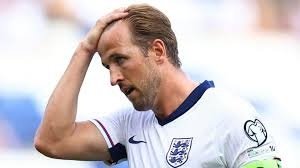 Former Lion Heskey Warns of Shortage of England Strikers
 Tiny Curacao Makes History as Smallest Nation to Reach World Cup
 Haiti Qualifies for World Cup Despite Coach Never Visiting Country
 Moyes Defends Gueye After Dramatic Everton Bust-Up
 Mbappe Scores 4 as Real Madrid Edge Olympiakos
 Barcelona, Atletico set for decisive La Liga showdown
 Australia Face Big Changes as Cummins and Lyon Ruled Out of Ashes
 Van de Ven Tackle Leaves Isak with Fractured Leg
 ECB powerless to halt England’s recurring Ashes failures
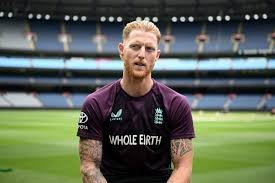 Stokes urges empathy for England players amid Ashes struggles
 Damien Martyn in Induced Coma After Meningitis Diagnosis
 Spin Bowling Struggles as Pace Dominates 2025 Ashes Series
 Anthony Joshua Released After Nigeria Car Crash
 Africa’s Superpowers Shine in Cup of Nations Quarter-Finals
 Raducanu Battles Injury as Britain Exit United Cup
 Nancy Sacked by Celtic as O’Neill Returns for Season
 Australia Dominates England: Smith, Head Crush Bowlers in Sydney
 Manchester United Fan Group Targets Jim Ratcliffe Over Club Chaos
 Geopolitical football: Iran, Trump and the World Cup clash
 Regragui condemns Afcon final chaos after dramatic defeat
 Brahim Díaz’s Panenka Fail Highlights Penalty Risks
 Mbappé’s Late Penalty Lifts Real Past Nine-Man Rayo
 Yamal and Rashford Shine as Barcelona Reach Copa Semis
 ICC Men’s T20 World Cup – Everything You Need to Know
 ‘Scrutiny and Pressure on Irish Has Reached New Level’ — Rugby Faces Brutal Spotlight After France Defeat
 Hugo Ekitike Becomes Liverpool’s New Cult Hero