Published: 11 February 2026. The English Chronicle Desk. The English Chronicle Online.
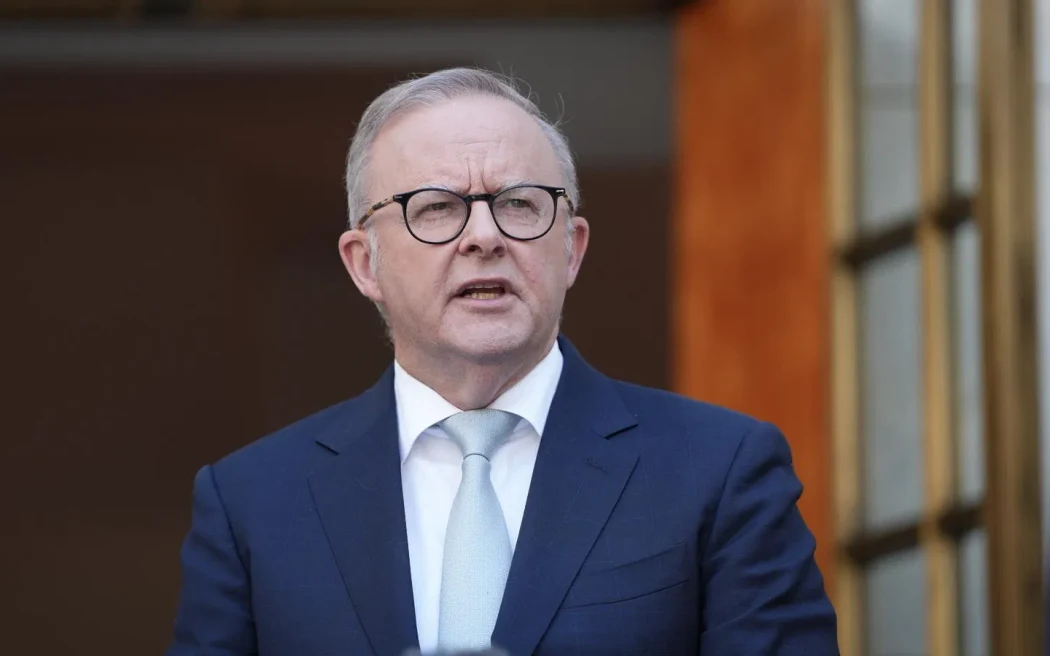
Prime Minister Anthony Albanese will deliver his annual Closing Gap speech with a direct message of reassurance to First Nations communities following the alleged terror incident in Perth on 26 January. The Closing Gap speech this year comes at a tense moment, after an alleged attack attempt during an Invasion Day rally triggered widespread concern and emotional distress. Government sources confirm the address will recognise the shock felt across Indigenous communities while reaffirming commitments to safety, equality, and long-term reform.
The speech marks the anniversary of the national apology to the Stolen Generations and traditionally reviews progress on Closing the Gap targets. This year’s Closing Gap speech is expected to carry added emotional and political weight because of the alleged violent plot at a large public gathering. More than 2,500 people attended the Perth rally where police say a 31-year-old man allegedly threw a homemade fragment device that failed to detonate. Authorities reported the device contained screws and ball bearings packed around explosive liquid.

According to charging documents, the accused faces counts linked to explosives possession, intent to cause harm, and engagement in a terrorist act. Investigators believe extremist ideology and racist motivation are central to the case. In prepared remarks circulated ahead of delivery, Albanese states that the danger was real and the hatred behind it must be confronted directly. The Closing Gap speech will underline that Indigenous Australians have the full right to gather, speak, and protest without fear of violence.
Officials say the prime minister will acknowledge the emotional toll felt by Aboriginal and Torres Strait Islander families since the incident. Community leaders have reported anxiety, anger, and renewed concern about public safety at cultural and political events. The address will recognise those feelings while urging unity and democratic resilience. The government position stresses that acts of alleged terror should not silence lawful expression or weaken community voice.
The alleged attack has also renewed calls for a deeper review of intelligence handling and event security planning. Several First Nations advocates and independent Indigenous senator Lidia Thorpe have pushed for a comprehensive investigation into any possible policing or intelligence gaps. They argue that early warning signs must be examined carefully. Ministers have not announced a formal inquiry yet, but they indicate operational reviews are continuing behind the scenes.
Alongside the security message, the Closing Gap speech will present updated progress data on national targets first introduced in 2008 and redesigned in 2020. The latest annual report to parliament shows only four of nineteen targets remain on track in 2026. Several others are stalled, and a small group is moving backwards, including indicators linked to suicide prevention outcomes. These findings have drawn criticism from advocacy organisations and policy researchers.
Despite the mixed results, Albanese will argue that describing the entire framework as a failure would be both inaccurate and harmful. Extracts from the speech show he intends to reject defeatist language and emphasise persistence. He plans to say that failure belongs to those who stop listening or stop trying. The government message will focus on partnership models and shared accountability rather than top-down control.
The Closing Gap speech will also introduce fresh funding commitments across health, employment, food affordability, maternal care, and family safety programs. Federal officials say the measures are designed to support revised targets agreed with Indigenous peak bodies. A significant portion of new funding will go to Aboriginal community controlled health services. These services are widely seen by researchers as delivering better culturally safe outcomes and stronger trust.
Additional support will expand subsidy schemes that reduce the cost of essential goods in remote community stores. The program links prices on staple items to those found in major city supermarkets. Items such as basic hygiene products, nappies, and flour are included under the scheme. Government data suggests the initiative has already lowered living pressure in several isolated regions. Expansion will extend coverage to many more stores across multiple states and territories.
Employment and local development programs will also receive a major funding increase under the new package. Participation targets in remote job and economic initiatives are set to double over the next cycle. Policymakers say meaningful employment remains one of the strongest predictors of improved social and health outcomes. The strategy combines wage support, skills training, and community-led project design.
Family, domestic, and sexual violence prevention programs form another central pillar of the announced measures. New national plans led by Aboriginal and Torres Strait Islander organisations will receive long-term backing. Specialist services emphasise culturally informed intervention and survivor-centred responses. Maternal and newborn health programs, including Birthing on Country models, will also receive expanded investment support.

The Indigenous Australians minister, Malarndirri McCarthy, is expected to reinforce the partnership approach during parliamentary debate following the address. She has stated that durable progress depends on governments working alongside communities rather than designing policy alone. Peak Indigenous bodies involved in the target framework support this direction and want deeper power-sharing arrangements. They argue local leadership produces better and more lasting outcomes.
Sector representatives say evidence from community-controlled programs shows measurable gains when decision making is shared. Trust, cultural understanding, and continuity of service often improve participation rates. That pattern is expected to be highlighted indirectly during the Closing Gap speech as justification for funding direction. Analysts note that bipartisan support will be important for long-term delivery stability.
Political observers expect opposition figures to welcome security assurances while questioning delivery speed on target outcomes. Debate is likely to centre on implementation quality rather than overall goals. Public reaction will depend heavily on whether communities see tangible change from the funding commitments. The emotional backdrop created by the alleged Perth incident will shape how the message is received nationally.
By combining acknowledgment of fear with renewed policy promises, the government aims to steady confidence and maintain reform momentum. The Closing Gap speech is designed to function both as reassurance and as a progress report. It speaks to safety, dignity, and measurable improvement in living conditions. Whether that balance convinces critics will become clear as parliamentary debate unfolds in coming days.
Related News:
 British Woman in Iran ‘Losing Hope’ Amid Ongoing Detention
 BBC Journalist Held and Interrogated in Vietnam
 UK University Suspends Human Rights Research Following Pressure from China
 UK University Faces Counter-Terror Probe Over China Pressure
 Abigail Spanberger Elected Virginia’s First Female Governor
 Mikie Sherrill Elected New Jersey’s Governor in Key Win
China-critical UK academics face ‘extremely heavy’ pressure from Beijing
Mikie Sherrill Elected New Jersey’s Governor in Key Win
China-critical UK academics face ‘extremely heavy’ pressure from Beijing
 British military receives first Ajax armoured vehicles – eight years late
 BBC to Apologise Over Edited Trump Speech Amid Backlash
 Britain deploys RAF specialists to assist Belgium with drone threats
 BBC director-general and news chief resign amid bias row
 Ukraine-Russia war latest: Putin’s troops exploit bad weather to force Kyiv withdrawal from multiple towns
 Trump Claims Victory as Longest Shutdown Ends
 New Epstein Files Spark Political Clash in Washington
 Hamas Fighters in Gaza Tunnels Stall Ceasefire Progress
 US Justice Department Files Lawsuit Against California Over Partisan Voting Maps
 South Sudan President Removes Vice-President Amid Political Uncertainty
 Berlin Reintroduces Military Service Amid Rising Security Concerns
 Greene Pushes Epstein Files Amid Trump Fallout
 Trump Deploys DHS to Charlotte in Major Arrest Operation
 December Run-Off in Chile as Election Produces No Winner
 Canada Passes Carney’s First Budget in Tight Parliamentary Vote
 Why Russian Liberals Push Strongly Pro-Israel Narratives
 Congress Approves Release of Epstein Files, Trump Expected to Sign
 Shadow Fleet at Sea: Europe’s Battle Against Illicit Oil Shipping
 Rama Rebukes Mahmood for Targeting Albanian Families
 Russian Vessel Used Lasers on RAF Pilots, UK Claims
 Pentagon Officials in Ukraine to Discuss War End
 US Military Team Visits Kyiv Amid War Talks
 WhatsApp Messages Expose Nathan Gill’s Bribery
 Venezuela Threatens Nobel Winner Machado with Fugitive Status
 Texas Governor Faces Lawsuit From CAIR
 Trump Envoy to Discuss Ukraine Peace at Kremlin
 Pope Leo XIV Begins Historic Trip to Turkey and Lebanon
 Zambia’s President Faces Stone-Throwing Anger Amid Challenges
 Georgians Defy Government Crackdown After Year of Protests
 India’s Labour Law Overhaul Sparks Fierce Debate
 Video shows Israeli troops kill Palestinians after surrender
 Trump to Recheck Green Cards from 19 Nations After DC Attack
 Carney’s Alberta Pipeline Deal Sparks Immediate Pushback
 Chinese & Japanese Boats Clash Near Disputed Islands
 Putin Meets US Envoy Amid Key Ukraine Peace Talks
 EU plans $105bn Ukraine aid using frozen Russian assets
 Global campaign launched to free Palestinian leader Barghouti
 UK Aid Cuts Could Undermine Global Influence, Experts Warn
 Thailand and Cambodia Agree Ceasefire After Weeks of Deadly Clashes
 Russia losses Ukraine war peace talks intensify amid rising deaths
 Zelenskyy Accuses Russia of Sabotaging Peace Talks
 Trump ‘Not Worried’ as China Conducts Massive Taiwan Wargame
 Khaleda Zia Laid to Rest with State Honour in Dhaka
 Maduro Faces Court in New York Over Drugs and Weapons Case
 Albanese Opens Door to Bondi Royal Commission Amid Rising Pressure
 Shock US Raid: Maduro Pleads Not Guilty in Manhattan Court
 Trump Escalates Minnesota Immigration Surge Amid Rising Tensions
 Venezuela Frees Political Prisoners in Major Peace Move
 Austrian Airlines Halts Tehran Flights Amid Political Unrest
 Iran Protesters Defy Crackdown as Violent Clashes Intensify
 Iran Leader Blames Protesters, Says They Serve Trump
 Trump Eyes Strong Military Options Amid Iran Protest Crackdown
 Trump Threatens Strong Action If Iran Executes Protesters
 Trump Policies Boost China’s Global Rise, Survey Finds
 Machado Trump medal gesture reshapes Venezuela power struggle
 Trump Receives Machado’s Nobel Medal in White House Meeting
 EU weighs response amid Greenland tariff crisis with Trump
 US Considers Asylum for British Jews Amid Rising Antisemitism
 ICE street raids expose a chilling future for public freedoms
 US Africa aid remarks spark anger after leaked State email
 Trump Launches “Board of Peace” Amid Global Diplomacy Push
 EU Says US Ties Have Suffered ‘Big Blow’ After Greenland Crisis
 Andrew Hastie Emerges as Leadership Rival to Ley
 Russia Strikes Kyiv and Kharkiv as Peace Talks Enter Day Two
 Pentagon Signals Reduced Role in Deterring North Korea
 Starmer China visit underscores clear-eyed national security stance
 Starmer China visit raises human rights pressure on Beijing
 Israel Moves to Bar MSF From Gaza Operations
 Mandelson resignation shakes Labour over Epstein row
 Cory Bernardi joins One Nation for SA election
 Saif al-Islam Gaddafi Reportedly Killed in Libya Shooting
 Trump Praises ‘Terrific’ Petro After White House Talks
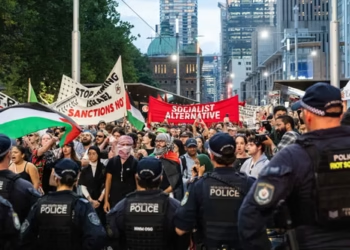 Sydney Protest Escalates and Elderly Woman Suffers Severe Injury